

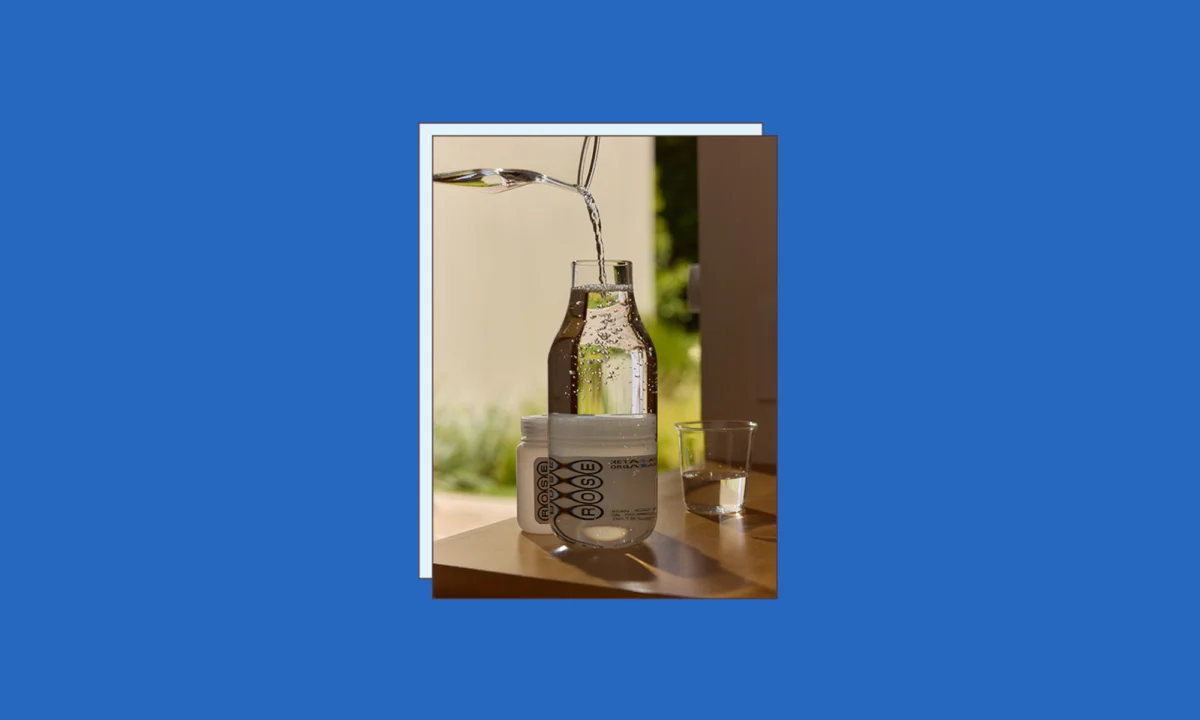
The proliferation of at-home water filters has created a sense of security for many consumers, who assume that running their tap water through a pitcher, faucet attachment, or whole-house system effectively removes all potentially harmful contaminants. However, a closer examination of filtration certifications and the evolving understanding of water quality reveals that this assumption may be flawed. Recent advancements in water testing technology are now offering consumers a clearer picture of what truly resides in their drinking water, even after filtration.
The Nuances of Water Filtration and Certification
Water filters are designed and certified to address specific types of contaminants. The National Sanitation Foundation (NSF), a global leader in developing public health and safety standards, offers several key certifications for water filtration systems. NSF/ANSI Standard 42, for instance, primarily focuses on the aesthetic qualities of water, such as reducing chlorine taste and odor, and improving clarity. While these improvements are noticeable and contribute to a more pleasant drinking experience, this certification does not guarantee the removal of health-related contaminants.
For protection against substances with potential health implications, consumers should look for filters certified under NSF/ANSI Standard 53, which addresses health effects, or NSF/ANSI Standard 58, specifically for reverse osmosis systems. These standards are more rigorous and test for a wider range of contaminants, including heavy metals like lead and arsenic, as well as volatile organic compounds (VOCs) and emerging contaminants like per- and polyfluoroalkyl substances (PFAS).

However, even filters with these health-focused certifications are not universally effective against all contaminants. A filter certified to remove lead might not be effective against certain pesticides or PFAS, and vice versa. The specific contaminants a filter is certified to reduce are detailed by the manufacturer, and consumers often overlook this crucial information, assuming a filter inherently purifies water of all potential threats. This disconnect between consumer perception and the reality of filtration capabilities highlights a significant gap in public awareness regarding water safety.
The Growing Concern Over Emerging Contaminants
The last decade has seen a dramatic increase in public and scientific awareness regarding contaminants that were previously not widely monitored or understood. Among these, PFAS, often referred to as "forever chemicals," have garnered significant attention due to their persistence in the environment and their association with a range of adverse health effects. These chemicals, used in countless industrial and consumer products for their water- and grease-repellent properties, can leach into water sources through industrial discharge, wastewater treatment plant effluent, and landfill runoff.
Studies have linked PFAS exposure to a variety of health issues, including elevated cholesterol levels, decreased vaccine response, thyroid disease, liver damage, and an increased risk of certain cancers. The ubiquity of PFAS is alarming; a study estimated that as many as 71 million to 95 million Americans may be consuming groundwater contaminated with detectable levels of these substances. This widespread presence means that even well-maintained filtration systems might not be adequately addressing the threat posed by these persistent chemicals.

Lead is another persistent concern. The U.S. Environmental Protection Agency (EPA) states that there is no safe level of lead exposure, and their health-based goal for lead in drinking water is zero. Despite this, lead can leach into drinking water from aging lead pipes and fixtures, particularly in older homes and municipal water systems. One study revealed that a significant percentage of tap water sources tested exceeded the American Academy of Pediatrics’ recommended reference level for lead, underscoring the ongoing risk.
Pesticides, commonly used in agriculture, can also find their way into water supplies through runoff. While many filters are designed to reduce certain pesticides, the effectiveness can vary depending on the specific chemical and the filter technology employed. Arsenic, a naturally occurring element that can also enter water systems through industrial activities, is another contaminant of concern due to its carcinogenic properties.
Introducing ROSE Water: A New Frontier in Water Quality Testing
In response to this growing concern and the limitations of current filtration certifications, a new company, ROSE Water, has launched an innovative at-home water testing solution. Founded by Eli Bronner and Henry Ellis, ROSE positions itself as the inaugural "exposure health company," aiming to empower consumers with actionable data about their environmental exposures. The company is backed by a robust scientific advisory board comprising experts in environmental health, toxicology, epidemiology, and chemistry, lending credibility to their scientific approach.

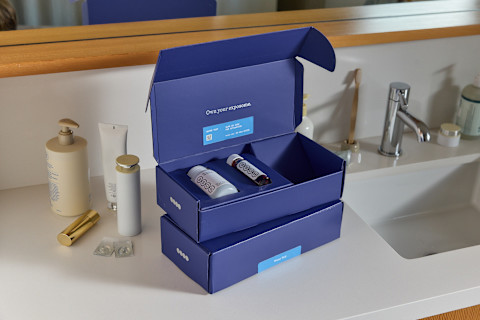
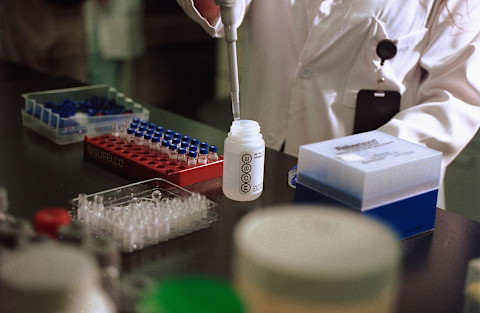
ROSE Water’s flagship product, an at-home water test kit, is designed to analyze a single tap water sample for over 100 contaminants. This comprehensive panel includes not only commonly tested substances but also emerging threats like PFAS, a wide array of pesticides, heavy metals such as lead and arsenic, and various volatile organic compounds (VOCs). The company emphasizes that their testing methodology utilizes advanced techniques performed in an ISO-certified laboratory, with a commitment to exceeding standard EPA performance criteria. This rigorous approach aims to provide consumers with a level of detail previously only accessible through specialized, and often expensive, laboratory services.
The ROSE Water Test is priced at $399, a figure that reflects the advanced laboratory analysis and the breadth of contaminants tested. Recognizing that water quality can vary significantly within a single household, the company also offers a "two-tap bundle," allowing users to test water from different sources, such as the kitchen tap and a bathroom faucet, to identify potential localized contamination issues.
The company’s foundational philosophy is encapsulated in a three-step process: "Test. Treat. Track." This iterative approach encourages consumers to first understand their water’s composition through testing, then implement appropriate treatment measures, and finally, retest to verify the efficacy of those measures. This data-driven methodology moves beyond the guesswork often involved in selecting and maintaining water filters.
The Testing Process: Simplicity Meets Scientific Rigor

Despite the advanced science behind it, the ROSE Water Test has been engineered for user-friendliness. The kit includes an ice pack that needs to be frozen overnight, preparing it to preserve the sample’s integrity. In the morning, users collect a water sample from their tap. The ideal collection time is after the water has remained stagnant in the pipes for at least eight hours, a practice known as collecting a "first-draw" sample, which is more likely to reveal contaminants that may have leached from plumbing materials. The entire sample collection process is designed to take approximately seven minutes, making it a convenient addition to a morning routine.
Once the sample is collected and packaged according to the provided instructions, it is to be dropped off at a UPS location on the same day. To ensure optimal sample condition upon arrival at the lab, ROSE recommends shipping samples Monday through Wednesday, thus avoiding potential delays over the weekend. This careful consideration of shipping logistics is crucial for maintaining the accuracy of the laboratory results.
Within a specified timeframe, users receive their detailed results via email. The ROSE team also offers dedicated support, with representatives available to guide customers through their findings, explain the implications of detected contaminants, and answer any questions they may have. This personalized support aims to demystify complex scientific data and translate it into actionable insights for the consumer.
Implications of Advanced Water Testing
The availability of comprehensive and accessible water testing like that offered by ROSE has several significant implications for public health and consumer behavior.
Firstly, it directly addresses the limitations of current filtration certifications. By identifying specific contaminants present in a household’s water, consumers can make informed decisions about which filters to purchase. For instance, if ROSE results indicate the presence of lead or PFAS above recommended levels, consumers will know to seek filters specifically certified under NSF/ANSI 53 or 58 for those particular contaminants. This moves away from a one-size-fits-all approach to water filtration and toward a tailored solution based on individual water quality.
Secondly, it provides a crucial tool for evaluating the effectiveness and replacement schedule of existing filters. Filter performance can degrade over time, and replacement recommendations are often based on general usage rather than specific local water conditions. Retesting after installing a new filter or at regular intervals can confirm whether the filter is performing as expected and whether its replacement cycle aligns with the actual demands placed upon it. This proactive approach can prevent consumers from unknowingly drinking unfiltered or inadequately filtered water.
The broader vision of ROSE Water extends beyond just water testing. The company has announced plans to expand into biomarker-based exposure testing in early 2027, with further ambitions to include air, mold, and body-based testing. This suggests a long-term strategy to develop a comprehensive exposure-health platform, allowing individuals to monitor and manage a wider range of environmental factors impacting their well-being. Such a platform could revolutionize personalized health management by providing a holistic view of an individual’s exposure landscape.
The Takeaway: Informed Choices for Healthier Living
In conclusion, the assumption that a water filter automatically ensures safe drinking water is a potentially dangerous oversimplification. While filters are valuable tools, their effectiveness is dependent on their specific certifications and the types of contaminants they are designed to address. The increasing presence of challenging contaminants like PFAS and the persistent threat of lead underscore the need for more precise methods of assessing water quality.
The launch of the ROSE Water Test marks a significant step forward in empowering consumers. For $399, this test offers a detailed analysis of over 100 contaminants, moving beyond basic aesthetic improvements to address health-critical substances. By providing clear, actionable data, ROSE enables individuals to understand precisely what is in their tap water, make informed choices about filtration and treatment, and track the effectiveness of their interventions. In an era where environmental health is increasingly recognized as a cornerstone of overall well-being, tools like the ROSE Water Test are becoming indispensable for proactive health management. The ability to gain a clearer picture of one’s water quality is not just about taste; it’s about making essential, informed decisions for a healthier life.

