

A comprehensive global study conducted by DoYou.com has shed significant light on the prevailing preferences within the international yoga community, revealing the most frequently practiced styles among tens of thousands of practitioners worldwide. The "DoYou Global Yoga Survey," encompassing responses from 10,000 individuals across 124 countries, provides an invaluable snapshot of contemporary yoga trends, offering insights into what motivates practitioners and which styles dominate the global landscape. This extensive data collection effort aims to better understand the evolving health and lifestyle choices of yoga enthusiasts, guiding both practitioners in their exploration and instructors in their offerings.
The DoYou Global Yoga Survey: A Global Perspective
Launched by DoYou.com, a prominent online platform dedicated to yoga and wellness, the Global Yoga Survey was designed as an ambitious undertaking to map the diverse tapestry of yoga practices worldwide. The initiative gathered responses from a vast and geographically dispersed demographic, ensuring a representative sample of global yoga engagement. The sheer scale of participation—10,982 individuals from nearly two-thirds of the world’s countries—underscores the universal appeal of yoga and the community’s eagerness to share their experiences. The survey primarily sought to identify key trends, including preferred yoga styles, motivations for practice, and perceived benefits, thereby creating a robust dataset for analysis. Its findings, published in 2021, offer a timely and relevant insight into the dynamic nature of yoga’s global proliferation. The intention behind such a large-scale survey was to move beyond anecdotal evidence and provide data-driven conclusions about the most impactful and popular forms of yoga currently being practiced.
Key Findings: Unveiling Global Yoga Preferences
The survey’s results painted a clear picture of the styles that resonate most with practitioners today. While the yoga world boasts an extensive array of traditions and modern interpretations, a select few have emerged as dominant forces. The top three styles—Vinyasa Flow, Hatha Yoga, and Restorative Yoga—collectively account for a significant portion of primary practices, highlighting a diverse set of needs that practitioners seek to fulfill, from dynamic physical conditioning to gentle relaxation. The subsequent rankings further illustrate the depth and breadth of yoga’s appeal, with specialized styles like Power, Ashtanga, Yin, Bikram/Hot, and Iyengar yoga commanding substantial followings.
Deep Dive into Popular Styles: Characteristics and Appeal
The survey data allows for a detailed examination of each leading style, elucidating their unique attributes and the reasons behind their widespread adoption.
1. Vinyasa Flow: The Global Frontrunner (57% of Respondents)
Emerging as the undisputed leader, Vinyasa Flow was cited as the primary yoga style by a remarkable 57% of respondents. This widespread popularity is largely attributed to its dynamic and fluid nature, characterized by a seamless transition between poses, often synchronized with the breath. Vinyasa, which literally translates to "to place in a special way," is a broad category that encompasses various flowing sequences, including Power Yoga and Ashtanga Yoga. However, when referred to simply as ‘Vinyasa,’ it signifies a more adaptable and creative approach to sequencing.
The appeal of Vinyasa lies in its versatility. Sequences can be meticulously crafted to suit all levels of practitioners, from beginners to advanced yogis, offering modifications and progressions as needed. Its ability to elevate the heart rate and warm the muscles aligns closely with conventional expectations of a physical workout, making it an accessible entry point for those seeking tangible physical benefits. Practitioners often report immediate improvements in strength, flexibility, and cardiovascular health. Furthermore, Vinyasa is frequently perceived as less overtly spiritual than some traditional forms, appealing to a broader audience primarily focused on physical fitness and stress relief. The emphasis on movement and breath coordination (pranayama) also contributes to enhanced mental focus and a sense of meditative flow.
2. Hatha Yoga: The Foundation of Practice (42% of Respondents)
Securing the second position with 42% of practitioners identifying it as their preferred style, Hatha Yoga represents a more traditional and foundational approach. Hatha is an umbrella term encompassing many physical yoga practices, but in a modern context, it is often presented as a slower, more deliberate counterpoint to Vinyasa. Unlike the continuous flow of Vinyasa, Hatha typically involves holding individual poses for longer durations, allowing practitioners to deepen their understanding of alignment, sensation, and breath control within each posture.
This slower pace makes Hatha particularly suitable for beginners, offering a gentle introduction to fundamental yoga postures and principles. It places a strong emphasis on deep stretching, which enhances flexibility, improves joint mobility, and releases muscular tension. The deliberate nature of Hatha also fosters mindfulness and body awareness, encouraging practitioners to cultivate a deeper connection with their physical and energetic selves. For those seeking a less intense, more introspective practice focused on flexibility and foundational strength, Hatha Yoga remains an enduring and popular choice. Its accessibility and emphasis on proper form also make it a valuable practice for injury prevention and rehabilitation.
3. Restorative Yoga: Embracing Relaxation and Recovery (29% of Respondents)
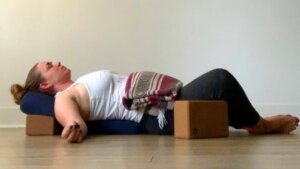
Tying for third place, Restorative Yoga garnered 29% of the responses, highlighting a significant demand for practices centered on relaxation, stress reduction, and deep rest. This style is characterized by the use of props such as blankets, bolsters, blocks, and straps to fully support the body in gentle postures. The aim is to achieve complete comfort and passive stretching, allowing the body to relax deeply and the mind to quiet. Poses are typically held for extended periods, often five minutes or more, facilitating profound release in the nervous system.
Restorative yoga sequences often include forward folds, gentle twists, and supported inversions, all designed to soothe the sympathetic nervous system and activate the parasympathetic "rest and digest" response. It is widely recommended for individuals experiencing stress, fatigue, or recovering from illness or injury. The profound sense of calm and rejuvenation experienced during and after a Restorative practice makes it an ideal regimen for unwinding before bedtime or as a vital component of self-care. Its growing popularity reflects a broader societal recognition of the importance of rest and recovery in maintaining overall well-being in a fast-paced world.
4. Power Yoga: For the Strength Seekers (29% of Respondents)
Sharing the third spot with Restorative Yoga, Power Yoga also accounted for 29% of primary practices. As a direct descendant of Vinyasa, Power Yoga maintains the dynamic, flowing nature but elevates the intensity and physical challenge. Instructors typically design Power Yoga classes to be more vigorous, incorporating faster transitions, longer holds in strength-building poses, and often more advanced variations. The objective is to build significant physical strength, stamina, and flexibility through a demanding workout.
Power Yoga classes are known for their cardiovascular benefits and capacity to generate internal heat, promoting detoxification through sweating. While it shares Vinyasa’s emphasis on continuous movement, the specific sequencing and pacing in Power Yoga are geared towards pushing physical limits and achieving a more intense "workout" experience. This style particularly appeals to individuals who seek a robust physical challenge and a direct means to enhance their athletic performance and muscular endurance.
5. Ashtanga Yoga: The Discipline of Sequence (25% of Respondents)
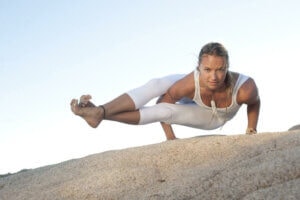
Practiced by 25% of respondents, Ashtanga Yoga stands as another influential form within the Vinyasa lineage, distinguished by its highly structured and progressive series of postures. Unlike the creative freedom often found in general Vinyasa classes, Ashtanga follows a prescribed sequence of poses, performed in the exact same order every time. This rigorous adherence to a set sequence, synchronized with specific breathing techniques (Ujjayi breath) and gaze points (drishti), forms a meditative and disciplined practice.
The consistency of Ashtanga allows practitioners to track their progress, refine their alignment, and gradually build strength and flexibility over time. It cultivates immense focus, discipline, and self-awareness. While challenging, the predictable nature of the practice can also be deeply comforting and empowering, enabling practitioners to internalize the sequence and move through it with increasing autonomy. Ashtanga is highly regarded for its ability to build both physical and mental resilience, appealing to those who thrive on routine, measurable goals, and a profound connection to a traditional lineage.
6. Yin Yoga: Targeting Deep Connective Tissues (17% of Respondents)
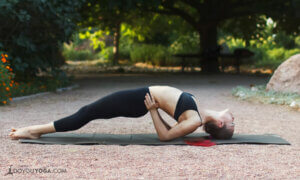
Yin Yoga, favored by 17% of survey participants, offers a profound counterpoint to more dynamic and muscularly active (yang) yoga styles. Similar to Restorative Yoga in its use of long holds, Yin Yoga differentiates itself by targeting the body’s deeper connective tissues—ligaments, joints, bones, and fascia—rather than the muscles. Poses are typically held for three to five minutes, or even longer, with muscles relaxed, allowing gravity and time to gently stress these tissues.
While seemingly passive, Yin Yoga can be intensely challenging, demanding significant mental concentration and the ability to sit with discomfort. It aims to increase circulation in the joints and improve flexibility, particularly in the hips, pelvis, and spine. By working on the fascial network, Yin Yoga is believed to improve energy flow (prana or chi) through the meridians, aligning with Traditional Chinese Medicine principles. Its benefits extend to injury prevention, enhanced joint health, and profound mental stillness, making it an excellent complementary practice for athletes or anyone seeking to balance their active lifestyle with deep tissue release and meditative introspection.
7. Bikram/Hot Yoga: Sweating It Out (10% of Respondents)
With 10% of respondents practicing it, Bikram/Hot Yoga represents a distinct category defined by its heated environment. Bikram Yoga specifically refers to a highly regimented series of 26 postures and two breathing exercises performed in a room heated to 35–42°C (95–108°F) with high humidity. More generic "Hot Yoga" classes may feature varying sequences and temperatures but maintain the core principle of practicing in a significantly warmed space.
The intense heat is believed to facilitate deeper stretching, increase cardiovascular challenge, and promote profuse sweating, which some practitioners associate with detoxification. The demanding nature of these classes requires strict attention to hydration, both before and after practice, to prevent dehydration and ensure safety. Hot Yoga appeals to those who enjoy an intense physical challenge and the sensation of a deep sweat, often reporting increased flexibility, improved circulation, and a profound sense of cleansing.
8. Iyengar Yoga: Precision and Alignment (8% of Respondents)
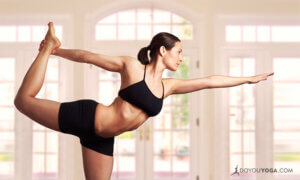
Iyengar Yoga, a specialized subset of Hatha Yoga, was the primary choice for 8% of the survey participants. This style, developed by B.K.S. Iyengar, is renowned for its meticulous attention to precise alignment, anatomical detail, and the extensive use of props (such as blocks, blankets, straps, and chairs). The emphasis is on holding poses for extended durations to build strength, stamina, and stability, while ensuring correct bodily positioning.
Iyengar Yoga focuses on developing body awareness and understanding the intricate mechanics of each posture. The use of props allows practitioners of all physical conditions and abilities to achieve optimal alignment, making it highly therapeutic and accessible. Sequences in Iyengar are carefully designed to build incrementally, addressing specific physical or therapeutic needs. Its precise methodology and systematic approach appeal to those who seek a highly detailed, analytical, and therapeutic yoga practice, often leading to significant improvements in posture, balance, and injury recovery.
Broader Implications and Market Trends
The findings of the DoYou Global Yoga Survey offer valuable insights into the evolving landscape of the yoga industry. The dominance of Vinyasa Flow, coupled with the strong showing of Power and Ashtanga, indicates a widespread preference for dynamic, physically engaging practices that offer clear fitness benefits. This suggests that a significant portion of the global yoga community seeks a vigorous workout that aligns with traditional exercise goals, focusing on strength, flexibility, and cardiovascular health.
Concurrently, the substantial popularity of Hatha and Restorative Yoga underscores a vital counter-trend: a deep-seated need for practices that emphasize mindfulness, deep stretching, relaxation, and recovery. This duality reflects the holistic appeal of yoga, which caters to both the desire for physical exertion and the imperative for mental calm and stress reduction in increasingly demanding lifestyles.

The inclusion of more specialized styles like Yin, Bikram/Hot, and Iyengar yoga, each with its dedicated following, demonstrates the sophistication and diversification of the global yoga market. It indicates that practitioners are not monolithic in their needs but seek specific benefits that various styles are uniquely equipped to provide—from deep tissue work and detoxification to meticulous alignment and therapeutic applications.
For yoga studios and instructors, these trends highlight the importance of offering a diverse curriculum that caters to a broad spectrum of preferences. A balanced schedule might include dynamic Vinyasa classes for those seeking a workout, slower Hatha sessions for beginners and those desiring deep stretches, and Restorative or Yin classes for recovery and stress relief. The consistent demand for these varied styles suggests a maturing market where practitioners are increasingly knowledgeable about what they seek from their practice.
Expert Commentary and Future Outlook
A representative from DoYou.com commented on the survey’s significance, stating, "The DoYou Global Yoga Survey provides an unprecedented global perspective on yoga preferences. It clearly shows that while dynamic practices like Vinyasa lead the charge, there’s a profound and enduring appreciation for the slower, more introspective styles. This diversity is yoga’s strength, ensuring that there truly is a practice for every body, every mind, and every stage of life."
The survey implicitly suggests that yoga continues to evolve, integrating modern fitness sensibilities while retaining its ancient roots. The data reinforces the idea that yoga is not a monolithic practice but a vast and adaptable system capable of meeting a wide array of physical, mental, and emotional needs. As global awareness of well-being continues to grow, these trends are likely to persist, with a continued emphasis on both vigorous physical engagement and essential restorative practices.
In conclusion, the DoYou Global Yoga Survey stands as a landmark study, providing crucial empirical data on global yoga trends. It confirms the enduring popularity of dynamic Vinyasa Flow while simultaneously affirming the critical role of foundational Hatha and deeply relaxing Restorative practices. The insights gathered serve as a valuable compass for practitioners navigating the rich world of yoga and for the industry striving to meet the diverse needs of its global community. Ultimately, the survey reinforces the profound truth that yoga, in its myriad forms, offers a path to improved health and a richer lifestyle for everyone.

