

The landscape of modern physical conditioning is increasingly defined by a tension between foundational physiological principles and the proliferation of complex, high-intensity variations that often obscure the primary objectives of health and performance. Industry experts and strength coaches are currently advocating for a return to "essentialism" in program design, a methodology that prioritizes high-yield movements and fundamental nutritional strategies over the secondary details that often dominate social media-driven fitness trends. This approach, frequently referred to in professional circles as the "Big Rocks" theory, suggests that the vast majority of physical progress is derived from a small subset of consistent behaviors, echoing the economic Pareto Principle which posits that 80% of outcomes result from 20% of inputs.
The Foundation of Program Design: Prioritizing Essential Variables
In the professional strength and conditioning sector, the construction of a training program requires a hierarchical approach to variables. Much like the logistical preparation required for a complex social event or a large-scale project, the fitness professional must identify which tasks provide the greatest return on investment for the client. For the average trainee, who typically engages with a personal trainer for only two to three hours per week, the window for stimulus is narrow. Consequently, the selection of exercises and the focus of nutritional guidance must be optimized for maximum efficiency.
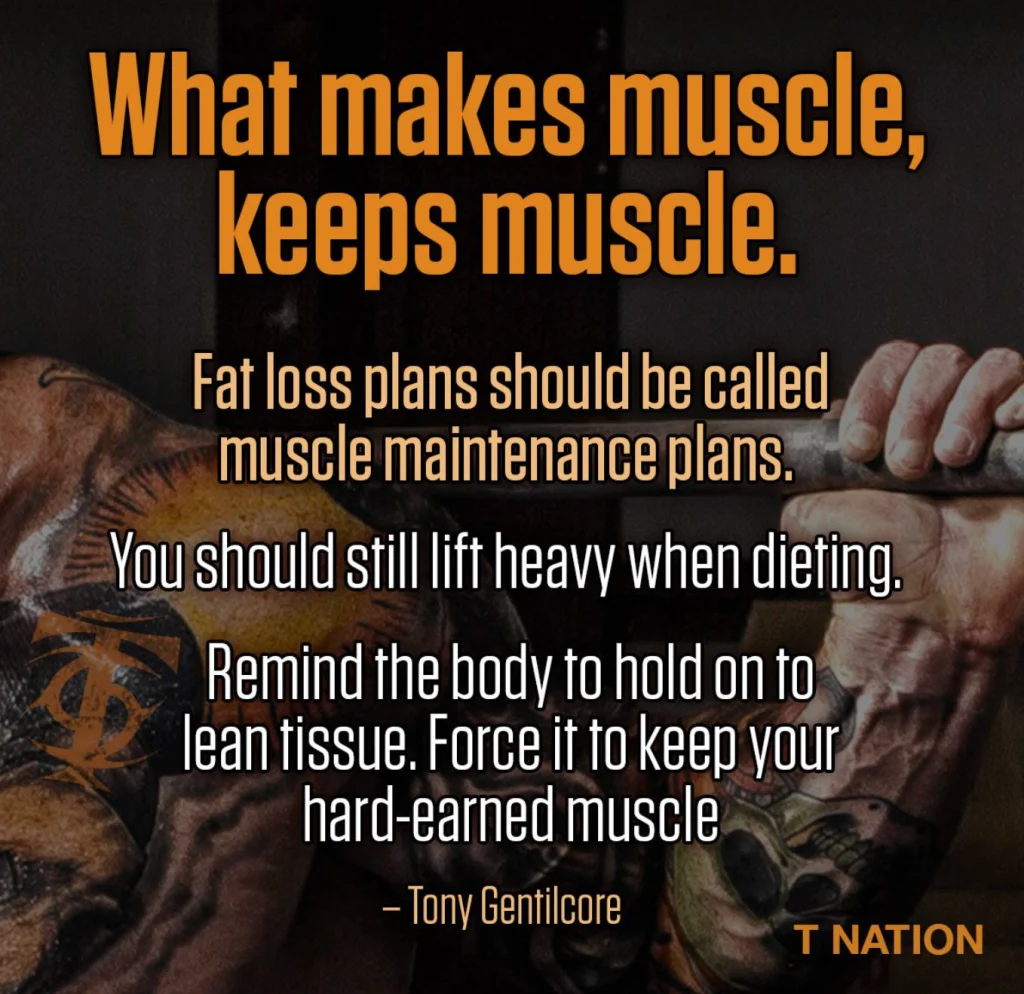
When a client’s primary objective is fat loss, the "Big Rocks" of the program are clearly defined by metabolic science: the establishment of a caloric deficit and the preservation of lean muscle mass through resistance training. Industry authorities, including registered dietitians such as Cristine Seitz and physicians like Dr. Spencer Nadolsky, emphasize that while various dietary "hacks" exist, the physiological requirement for weight reduction remains a negative energy balance. Without this foundational element, secondary considerations such as supplement timing or specific macronutrient ratios become largely irrelevant.
Chronology of Fitness Methodology: From Foundation to Complexity and Back
The evolution of fitness programming has followed a distinct chronological path over the last several decades. In the mid-20th century, physical culture was rooted in basic resistance training and manual labor. However, the 1980s and 1990s saw a shift toward machine-based isolation exercises and the "aerobics" craze, which prioritized steady-state cardiovascular work.
By the early 2000s, the industry experienced a "functional training" revolution. While this movement correctly identified the need for multi-planar movement, it also introduced a high degree of complexity, often involving unstable surfaces—such as wobble boards or BOSU balls—and intricate isolation movements. This era created a culture where trainers often "majored in the minors," spending significant portions of a client’s limited session time on exercises that provided minimal systemic stress or metabolic demand.
In the current era, a counter-movement led by prominent coaches such as Tony Gentilcore and Bryan Krahn has emerged. This contemporary philosophy argues that the industry has over-complicated the path to physical improvement. The current professional consensus is moving back toward compound, multi-joint movements—squats, deadlifts, presses, and rows—which engage multiple muscle groups simultaneously and provide the necessary stimulus to maintain muscle tissue during periods of caloric restriction.
The Science of Muscle Preservation and Metabolic Efficiency
The rationale for prioritizing heavy, compound strength training during a fat-loss phase is rooted in the body’s adaptive mechanisms. When an individual enters a caloric deficit, the body seeks to conserve energy. Without a significant stimulus to prove that muscle tissue is "necessary," the body may catabolize muscle protein for energy alongside adipose tissue.
By lifting "appreciable weight," as advocated by Gentilcore, the trainee sends a physiological signal to the nervous and endocrine systems to retain muscle mass. Data from various sports science studies indicate that resistance training is the most effective tool for maintaining the Resting Metabolic Rate (RMR). Because muscle tissue is more metabolically active than fat tissue, preserving it ensures that the client’s metabolism remains robust, making long-term weight maintenance more achievable.
Furthermore, the use of supersets and compound sets—where two exercises are performed back-to-back—allows trainers to increase the density of a workout. This creates a "metabolic" effect, increasing the heart rate and caloric expenditure without sacrificing the load necessary for muscle retention. In contrast, isolation movements, such as standing tricep extensions or single-leg lateral raises on unstable surfaces, fail to provide sufficient systemic load to elicit these broad adaptations.
Industry Perspectives: The Pareto Principle in Practice
The application of the Pareto Principle (the 80/20 rule) is a recurring theme among high-level trainers. Fitness author and coach Bryan Krahn recently noted that 90% of the population requires only a handful of consistent habits to achieve their goals: daily walking, consistent weightlifting, adequate hydration, home-prepared meals, and high-quality sleep.
Krahn’s assessment highlights a growing frustration within the professional community regarding "fitness minutiae." This includes an over-reliance on massage guns, specialized ketogenic diets, "hormone hacks," and controversial debates over "optimal" exercise variations. From a journalistic and analytical perspective, these "minor" details often serve as distractions that prevent clients from mastering the "major" habits that actually drive results.
The consensus among experts suggests that if a training program does not prioritize the most efficient path to a client’s goal, it should be re-evaluated. This "critical thinking" approach requires trainers to ask whether a specific exercise selection is the best use of a client’s limited time. For example, performing a heavy set of trap bar deadlifts provides a stimulus to the glutes, hamstrings, quadriceps, core, and grip, whereas a series of isolation movements would take four times as long to achieve a similar, albeit less effective, result.
Supporting Data: Public Health and Training Efficacy
The need for simplified, high-yield training is supported by public health data. According to the Centers for Disease Control and Prevention (CDC), only about 24% of adults in the United States meet the federal physical activity guidelines for both aerobic and muscle-strengthening activities. When the barrier to entry is perceived as being overly complex or requiring "hacks" and expensive supplements, participation rates remain low.
Data from the fitness industry’s consumer reports also suggest that "program complexity" is a leading cause of client attrition. When clients feel overwhelmed by intricate routines that do not yield immediate, visible results in strength or body composition, they are more likely to discontinue their programs. Conversely, programs that focus on "big rocks"—clear caloric targets and measurable strength gains in basic movements—provide the psychological "wins" necessary for long-term adherence.
Broader Implications for the Fitness Industry
The shift toward essentialism in fitness programming has broader implications for the professional education of personal trainers and the marketing of health services. There is an increasing demand for evidence-based practice that rejects "gimmicks" in favor of proven physiological stressors.
For the personal training profession, this means a shift in the value proposition. Rather than acting as "entertainers" who provide a different, complex workout every session to prevent boredom, trainers are increasingly positioned as "essentialists" who ensure their clients stay focused on the variables that matter. This requires a high level of discipline from the coach, as it is often easier to sell a "new, secret hack" than it is to sell the consistent mastery of a barbell squat.
The economic impact is also noteworthy. Efficient programming allows for better results in fewer hours, potentially making personal training more accessible to a broader demographic. By focusing on the 20% of work that yields 80% of the results, the industry can improve its overall success rate in combating sedentary lifestyles and obesity.
Conclusion: The Critical Need for Strategic Prioritization
In conclusion, the construction of a fitness program is an exercise in strategic prioritization. The "dinner party" analogy—focusing on the cleanliness of the main living areas rather than the organization of a spice rack—serves as a potent reminder for professionals and enthusiasts alike. In a world of infinite information and endless "fitness hacks," the ability to identify and execute the "Big Rocks" is the most valuable skill a trainee can possess.
The path to long-term physical progress is not found in the "superfluous, extraneous minutiae," but in the disciplined application of fundamental principles: a caloric deficit for fat loss, compound movements for muscle retention, and the prioritization of recovery. As the industry continues to evolve, the most successful practitioners will likely be those who can strip away the noise and focus on the essential pillars of human performance. Professional trainers are encouraged to think critically about their exercise selection and programming themes, ensuring that every minute spent in the gym is a direct investment in the client’s primary goals.

