

The landscape of personal well-being in the United States is undergoing a significant transformation, with a striking divergence in growth rates between the burgeoning medical spa (med spa) sector and established traditional wellness practices like yoga and Pilates. Recent market analyses reveal a profound shift in consumer spending and preferences, indicating a potential re-prioritization of aesthetic enhancement over holistic, long-term health disciplines. This trend raises pertinent questions about societal values, the effectiveness of different wellness models, and the future direction of the multi-trillion-dollar global wellness economy.
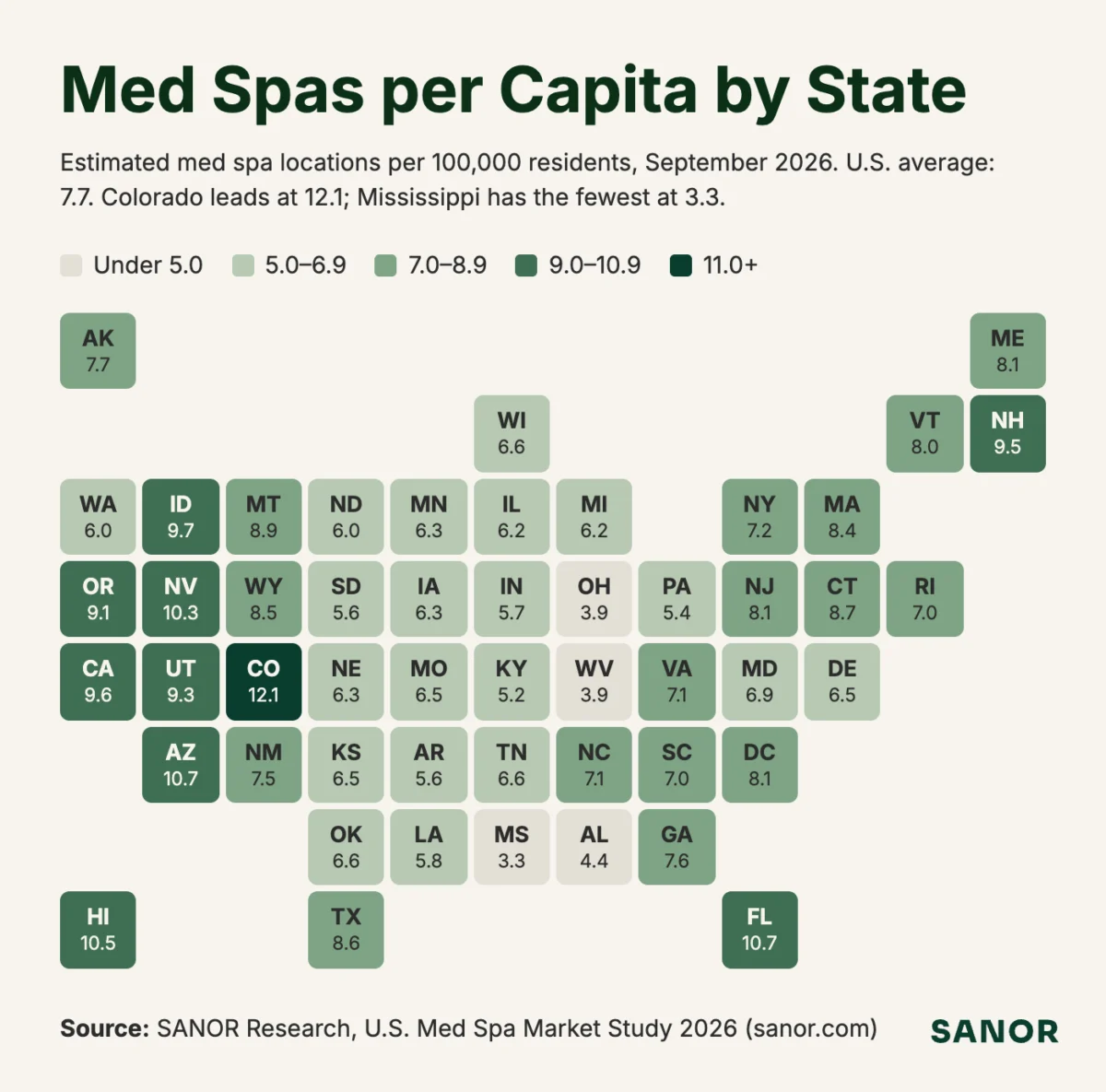
The most compelling data point comes from a comprehensive market study conducted by SANOR, which reported a dramatic 17% growth in the number of operational med spa locations across the U.S. in just one year, from September 2025 to September 2026. This surge saw the total count rise from 22,368 to 26,171, adding 3,803 new facilities within a twelve-month period. In stark contrast, the growth of yoga and Pilates studios has remained largely flat, expanding at a mere 0.4% annually since 2020, according to IBISWorld. This translates to an estimated 37,300 studios by 2025, a figure that has seen minimal fluctuation. When placed side-by-side, these figures illustrate that med spas are expanding more than 40 times faster than their traditional wellness counterparts, marking a pivotal moment in the wellness industry.
The Divergent Paths of Wellness and Aesthetics
The pronounced difference in growth trajectories between med spas and yoga/Pilates studios underscores a fundamental divergence in consumer priorities. For decades, the wellness movement emphasized internal health, physical fitness, mental clarity, and spiritual well-being. Practices like yoga, meditation, and mindful movement gained widespread acceptance for their holistic benefits, promising improved physical strength, flexibility, stress reduction, and mental peace through consistent, dedicated effort. These benefits, while profound, are often gradual and intangible, requiring sustained commitment over months or even years to fully materialize.
Med spas, on the other hand, represent a different facet of the broader self-care and personal improvement market. They blend the relaxing atmosphere of a traditional spa with the advanced technologies and medical oversight typically found in a doctor’s office. Services commonly offered include neuromodulator injections (such as Botox), dermal fillers, laser treatments, chemical peels, microdermabrasion, and other non-invasive cosmetic procedures designed to improve physical appearance. The appeal of these services lies in their promise of rapid, visible, and often dramatic results with minimal downtime.
Historical Context and Market Evolution
The wellness industry, as a distinct economic sector, has witnessed substantial growth over the past two decades. Initially propelled by a focus on preventive health, organic living, and alternative therapies, it expanded to encompass fitness, nutrition, mental health, and mindfulness. Yoga and Pilates, originating from ancient spiritual and physical disciplines respectively, transitioned from niche practices to mainstream fitness and lifestyle choices, becoming cornerstones of this holistic wellness movement. Their growth peaked in the late 2010s, reflecting widespread adoption and a mature market. This maturity, combined with the rise of accessible online fitness platforms and home workout solutions, may contribute to the current plateau in physical studio expansion.
The med spa industry is a more recent phenomenon, gaining significant traction in the early 21st century. Its emergence is closely tied to advancements in medical aesthetics, particularly the development of safe and effective non-surgical cosmetic procedures. The increasing demand for anti-aging solutions, coupled with a societal shift towards embracing cosmetic enhancements, fueled its rapid expansion. The regulatory environment, which often requires medical supervision for these procedures, positions med spas as a credible and accessible alternative to more invasive plastic surgery, bridging the gap between clinical dermatology and traditional spa services. The proliferation of social media platforms has also played a crucial role, creating an environment where visual appearance is highly scrutinized and often aspirational, further driving demand for quick aesthetic improvements.
The Allure of the "Quick Fix" and Repeat Business Models
A key factor differentiating the two sectors lies in their approach to results and client retention. The original article insightfully highlights the "lunchtime procedure" phenomenon in med spas. Services like Botox injections, offered by 83% of med spas according to the SANOR study, can be completed in under half an hour, with visible results appearing within days and full effects in about two weeks. This immediate gratification aligns perfectly with modern consumer expectations for speed and efficiency, contrasting sharply with the long-term commitment demanded by yoga or Pilates for noticeable improvements in strength, flexibility, or mental calm.
Furthermore, the inherent nature of many med spa treatments fosters a recurring revenue model. Procedures like Botox typically wear off after three to four months, necessitating repeat visits for clients to maintain their desired appearance. This creates a built-in "subscription" effect, ensuring a steady flow of returning clientele. Yoga studios, by contrast, rely on clients’ self-motivation to maintain a habit. There’s no biological imperative pulling a yogi back to the mat; each session must compete against daily distractions and the comfort of home. This difference in intrinsic client retention mechanisms offers a significant competitive advantage to the med spa industry.

Industry Perspectives and Societal Implications
Industry analysts observe that the rapid ascent of med spas is indicative of broader socio-cultural trends. Dr. Evelyn Reed, a market researcher specializing in consumer behavior (hypothetical expert), notes, "Consumers are increasingly seeking tangible, immediate returns on their investment, especially in areas related to personal appearance. The convenience and visible efficacy of med spa treatments resonate powerfully in a fast-paced, visually-driven world." This perspective suggests that while the desire for well-being remains, its expression is evolving, with a growing emphasis on outward presentation.
From the viewpoint of traditional wellness advocates, this trend elicits a mix of concern and introspection. "There’s nothing inherently wrong with wanting to look your best," states Maya Sharma, a veteran yoga instructor and wellness coach (hypothetical expert). "But if the pursuit of external perfection overshadows foundational health practices, we risk creating a society that looks well but isn’t truly well from within. The benefits of yoga – resilience, mindfulness, inner peace – are not always immediately visible, but they are deeply transformative and enduring." This sentiment reflects a concern that superficial fixes might distract individuals from addressing deeper health issues or cultivating sustainable well-being habits.
Med spa operators, conversely, often frame their services as integral to modern self-care and empowerment. "Our clients often report increased confidence and a renewed sense of self-esteem," explains David Chen, owner of a successful med spa chain (hypothetical owner). "We offer accessible, minimally invasive solutions that help people feel better about their appearance, which in turn can positively impact their overall quality of life. It’s about helping people put their best face forward, literally." This perspective emphasizes the psychological benefits and the role of aesthetics in personal well-being.
Broader Economic and Public Health Considerations
The economic implications of this market shift are substantial. The med spa industry represents a significant growth sector, attracting considerable investment and creating numerous jobs, from medical professionals and aestheticians to administrative staff and marketing specialists. This rapid expansion also necessitates robust regulatory frameworks to ensure patient safety and ethical practices, a challenge that regulators are continually addressing.
From a public health standpoint, the dominance of aesthetic treatments raises questions about resource allocation and public messaging. If a significant portion of wellness spending is directed towards cosmetic procedures, what are the potential long-term impacts on preventive health, mental health support, and physical activity initiatives? While individual choices are paramount, societal trends can influence public health priorities and resource distribution. There is a delicate balance between supporting personal aesthetic choices and promoting a holistic understanding of health that encompasses physical, mental, and emotional dimensions.
The Future of Wellness: Learning from the Aesthetic Boom
The original article thoughtfully poses a critical question for the traditional wellness sector: "What if we got better at showing people their progress? What if we measured the invisible stuff, like sleep, strength, or stress, and made it something you can actually see in weeks, not years?" This challenges the established wellness industry to adapt its "product design" to better meet contemporary consumer expectations for visible results, speed, and ease of engagement.
This could involve leveraging technology more effectively to track and visualize progress in areas like sleep quality, heart rate variability, muscle strength gains, or stress reduction. Wearable devices, sophisticated apps, and personalized data analytics could transform the intangible benefits of yoga or meditation into quantifiable, visible metrics. Imagine a yoga studio offering biometric feedback that shows tangible improvements in flexibility and balance after just a few weeks, or a mindfulness program demonstrating measurable reductions in cortisol levels.
Furthermore, the wellness industry could explore innovative service models that integrate elements of convenience and immediate reward, without compromising its core values. This doesn’t necessarily mean adopting "quick fixes," but rather reframing how progress is communicated and celebrated. Creating shorter, highly impactful sessions, developing subscription models that offer diverse content, or even collaborating with allied health professionals to offer a more integrated approach to well-being could be pathways forward. The goal would be to bridge the gap between the profound, long-term benefits of holistic wellness and the modern consumer’s desire for timely, discernible outcomes.
In conclusion, the stark contrast in growth rates between med spas and traditional yoga and Pilates studios serves as a potent indicator of evolving consumer priorities within the wellness sphere. While the desire to "look well" is clearly driving significant market expansion in the aesthetic sector, it presents a compelling challenge and an opportunity for the broader wellness industry. By embracing innovation, leveraging technology, and rethinking how the often-invisible benefits of holistic health are presented and measured, traditional wellness practices can adapt to a changing world, ensuring that true well-being—both internal and external—remains at the forefront of societal aspirations. The dialogue between looking good and feeling good is far from over; it is simply entering a new, more complex phase.

