

A comprehensive review of new chemotherapy drugs approved over a twelve-year period reveals a stark reality: the average overall survival benefit afforded to patients is a modest 2.1 months. This figure, derived from extensive clinical trial data and meta-analyses, starkly contrasts with the frequently optimistic portrayals of cancer treatments as "game-changers" or "breakthroughs" in public discourse and pharmaceutical marketing. The findings suggest a significant disconnect between the perceived advancements in oncology and the tangible, clinically meaningful improvements in patient outcomes.
Questioning Clinical Meaningfulness and Regulatory Oversight
The efficacy of many new cancer drugs has been called into question, with some analyses suggesting that a substantial portion do not deliver benefits that are truly impactful for patients. An editorial published in the Journal of the National Cancer Institute highlighted this concern, positing that the majority of newly approved cancer drugs fail to provide clinically meaningful benefits.
A critical aspect of this discussion revolves around the post-market surveillance and regulatory processes. Contrary to the expectation that ineffective drugs would be swiftly removed from the market, research indicates a different scenario. Even when subsequent studies demonstrate that new drugs offer no significant advantage over placebos or standard observation, many retain their U.S. Food and Drug Administration (FDA) approval. Furthermore, these drugs often remain available at price points comparable to the most expensive cancer therapies, regardless of their limited demonstrated benefit.
One striking example cited in the analysis involved a drug costing an estimated $169,836 annually. This particular therapy not only failed to improve overall survival but was also associated with a decline in patients’ quality of life. This raises profound ethical and economic questions about the value proposition of such treatments and the rationale for their continued availability and high cost when their direct benefit is absent or even negative. The central question for patients and healthcare systems alike becomes: why invest in treatments that do not demonstrably help?
The Nuance of Survival Benefits: Statistical Significance vs. Clinical Impact
The very definition of "survival benefit" in cancer treatment is a subject of ongoing debate and scrutiny. Pharmaceutical companies often design large-scale clinical trials that can identify statistically significant differences in survival endpoints. However, these statistically significant findings may not always translate into a clinically meaningful improvement for patients.
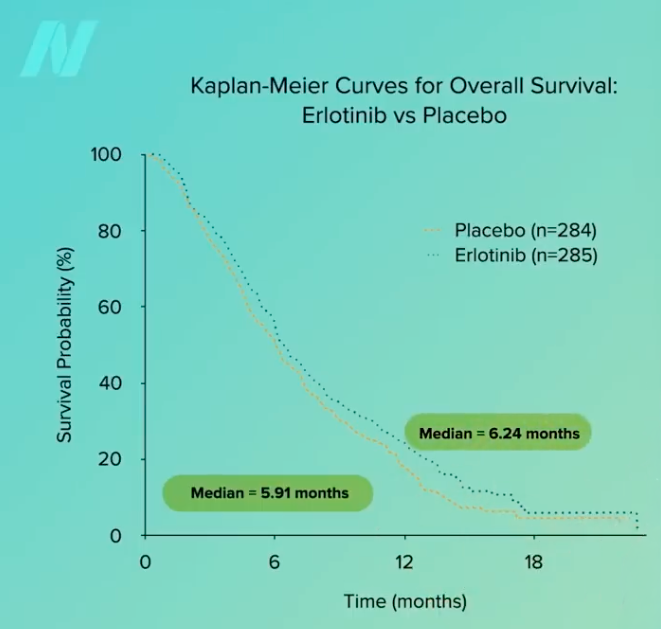
A notable instance illustrating this point involved a trial for advanced pancreatic cancer. The addition of the drug erlotinib to gemcitabine, a standard chemotherapy, was found to significantly prolong overall survival. While patients experienced increased side effects, the study reported a survival extension. The placebo group survived for an average of 5.91 months, while the group receiving the combination therapy survived until an average of 6.24 months. This difference, while statistically significant, amounts to an additional 0.33 months, or approximately 10 days of life.

The implications of such findings are substantial. The substantial costs associated with drug acquisition, administration, and the management of side effects must be weighed against the modest survival gains. Critics argue that the use of statistical jargon, such as "significant improvement in survival," can be misleading when communicating with patients. The term "survival" often evokes expectations of substantial life extension, and presenting an improvement of a mere week and a half without clear context can create a false sense of substantial benefit, potentially leading to decisions that do not align with a patient’s true desires or expectations.
Patient Perceptions and the Reality of Chemotherapy
When aggregated, the survival benefits of new chemotherapy drugs approved over a dozen years paint a consistent picture of incremental gains. The average overall survival benefit of 2.1 months, while not insignificant in absolute terms, often falls short of patient expectations. Numerous surveys have indicated that patients anticipate much more from cancer treatments.
A particularly concerning finding is the extent to which patients may misunderstand the goals and outcomes of chemotherapy. Studies have revealed that a significant proportion of patients, particularly those with metastatic lung or colorectal cancer, do not fully grasp that their chemotherapy is unlikely to cure their disease. Instead, they may believe it offers a chance of remission or eradication, when in reality, it is often aimed at extending life by a matter of weeks or months, or managing symptoms.
This misunderstanding has profound implications for informed consent and shared decision-making. When patients are not fully aware that chemotherapy is primarily a palliative measure rather than a curative one, they are deprived of the opportunity to make fully informed decisions about their care. This includes weighing the substantial risks and toxicities associated with chemotherapy against the realistic benefits, which may include some symptom relief and a modest extension of life, but not a cure. The ability of patients to make autonomous choices about their bodies and their treatment journeys is compromised when the true nature of the benefits and limitations of therapies is not clearly communicated.
The Patient’s Perspective: A Spectrum of Value
The perceived value of even modest survival benefits varies greatly among individuals. Patient interviews and qualitative research reveal a spectrum of preferences. Some patients may find that even a week of additional life is worthwhile, given the potential for meaningful experiences or continued presence with loved ones. Conversely, other patients may prioritize the quality of their remaining time, opting to forgo chemotherapy and its associated side effects if it means preserving their well-being and avoiding interference with their present quality of life, even if it means a shorter lifespan.
The crucial element, regardless of individual preference, is transparency. Patients deserve accurate and clear information about the potential benefits and risks of chemotherapy to make decisions that align with their personal values and goals.
The Toxic Reality of Chemotherapy: A Double-Edged Sword
Oncologists and cancer nurses, who are intimately familiar with the toxicities of chemotherapy, often express a lower willingness to accept intensive treatment regimens for themselves. This perspective underscores the significant collateral damage that chemotherapy can inflict.
Chemotherapy drugs are by design cytotoxic, meaning they work by killing rapidly dividing cells, including cancer cells. However, they also target healthy, rapidly dividing cells in the body. This indiscriminate action can lead to a wide range of debilitating side effects, including nerve damage, irreversible heart failure, damage to the gastrointestinal lining, and a compromised immune system. These toxicities can significantly impact a patient’s quality of life, sometimes profoundly and permanently.
Pharmaceutical Marketing and the Downplaying of Risks
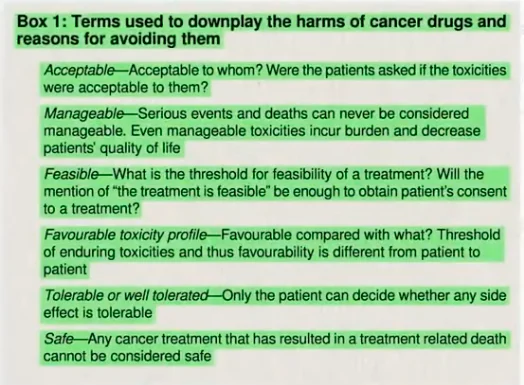
Concerns have been raised about the way drug companies often characterize the risks associated with their cancer therapies. Language used in marketing materials and publications can be perceived as minimizing the severity or frequency of adverse events. For instance, a breast cancer drug might be described as having an "acceptable" side-effect profile, while a pancreatic cancer drug might be characterized as having a "manageable and mostly reversible safety profile."
However, a deeper examination of the underlying clinical trial data often reveals a more concerning picture. In some instances, the number of serious or even life-threatening side effects associated with new drugs has been found to be substantially higher – sometimes double or even five times higher – than reported in initial pharmaceutical summaries. The terms "manageable," "acceptable," "feasible," "tolerable," and "safe" are particularly scrutinized when serious adverse events and deaths occur. What is considered "manageable" by a pharmaceutical company might represent a life-altering or fatal outcome for a patient. The subjective nature of these descriptors can obscure the true risks involved, making it difficult for patients and clinicians to accurately assess the risk-benefit ratio.
Exceptions and the Broader Landscape of Cancer Treatment
It is important to acknowledge that significant advancements have been made in the treatment of certain cancers. Testicular cancer, for example, has seen remarkable success with chemotherapy, offering a high chance of long-term survival. Hodgkin’s disease, a less common lymphoma, also demonstrates the effectiveness of chemotherapy in achieving remission and long-term survival.
However, for many of the most common cancers, such as colon, lung, breast, and prostate cancer, the contribution of chemotherapy to five-year survival rates, even when benefits are estimated generously, often remains in the low single digits (around 1% to 2%). This underscores the variability in chemotherapy’s impact across different cancer types and highlights the need for nuanced discussions about treatment efficacy tailored to specific diagnoses.
Looking Forward: The Imperative for Transparency and Patient-Centered Care
The consistent findings regarding the modest survival benefits of many new chemotherapy drugs, coupled with concerns about the communication of risks and benefits, necessitate a re-evaluation of current practices in cancer care. The imperative for greater transparency in reporting clinical trial data, especially regarding adverse events, is paramount. Furthermore, a shift towards more patient-centered communication is crucial, ensuring that individuals are empowered with accurate information to make decisions that align with their personal values and quality-of-life priorities.
This ongoing dialogue is essential for navigating the complex landscape of cancer treatment, where scientific advancements must be balanced with the ethical imperative to provide patients with the truth about their options and the realistic outcomes they can expect. The future of cancer care hinges on fostering an environment of open communication, rigorous scientific evaluation, and unwavering respect for patient autonomy.

