

The human body’s ability to efficiently excrete potassium relies heavily on healthy kidney function. For individuals uncertain about their risk of impaired kidney function, consulting a healthcare professional for a kidney function test is strongly advised. Evolutionary biology suggests that optimal dietary potassium intake likely surpasses current and even recommended levels by a significant margin. This discrepancy arises from a historical dietary shift where potassium-rich plant-based foods—such as fruits, vegetables, leafy greens, roots, and tubers—have been largely replaced by calorie-dense, processed foods laden with added fats and sugars. These modern dietary staples are not only deficient in fiber but also critically low in potassium.
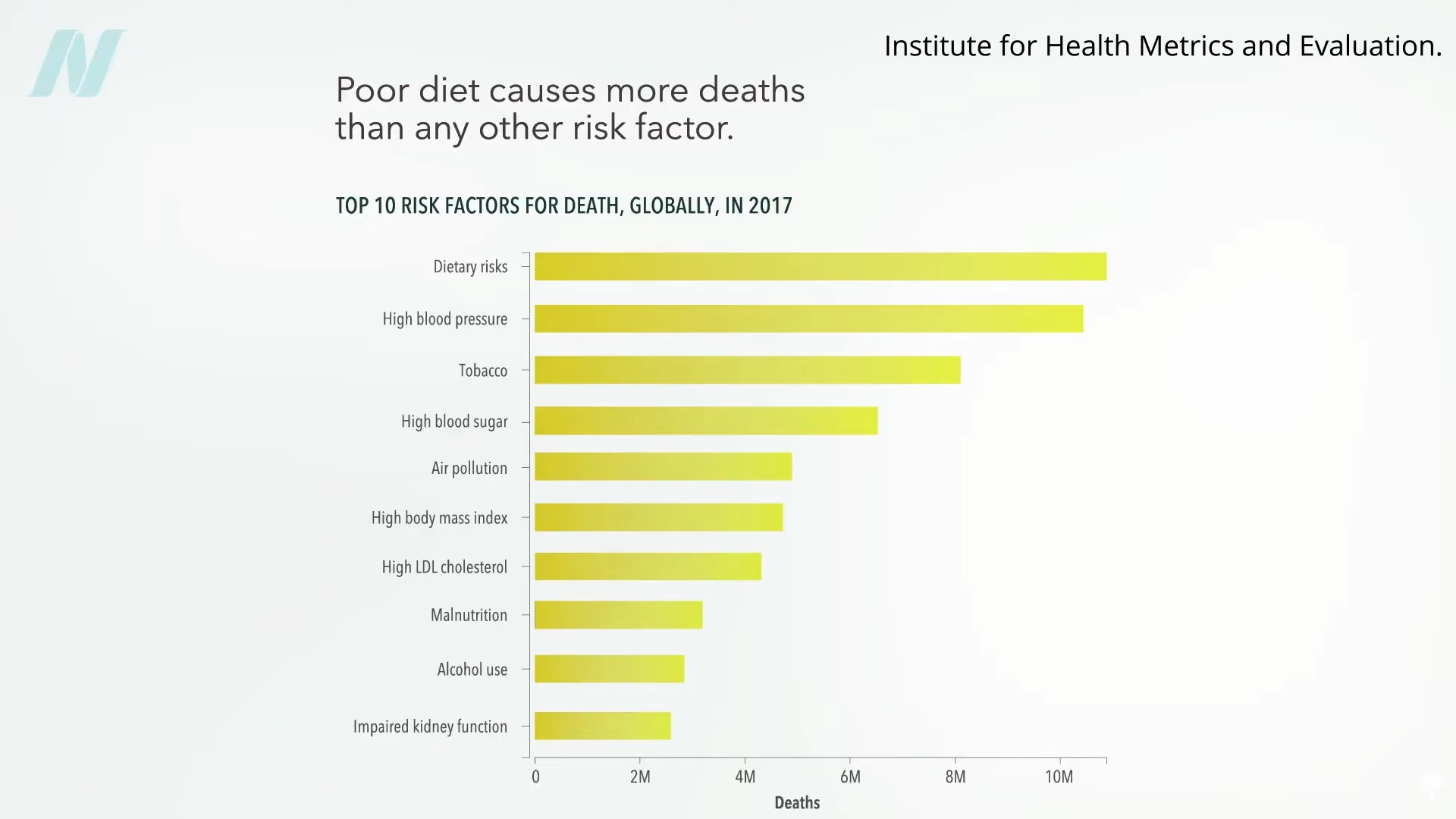
Historically, traditional diets, predominantly plant-based, were characterized by high potassium intake and low sodium consumption. This dietary pattern stands in stark contrast to contemporary global health challenges, where high blood pressure has emerged as the second leading risk factor for mortality worldwide, claiming over 10 million lives annually. The World Health Organization consistently ranks unhealthy diets as a primary global risk factor for death, underscoring the profound impact of dietary choices on public health outcomes.
Restoring the Potassium Balance: Dietary Strategies and Salt Substitutes
Significant improvements in both potassium intake and blood pressure management can be achieved through increased consumption of whole, unprocessed plant foods, including a generous serving of greens and legumes. These foods are naturally abundant in potassium and possess properties that contribute to lowering blood pressure. However, a prevalent issue in modern diets is the simultaneous excessive intake of sodium and insufficient potassium. This nutritional imbalance has spurred interest in the use of salt substitutes.
Potassium chloride, the most common salt substitute, offers a direct swap from sodium chloride, effectively replacing sodium with potassium. Scientific evidence supports the efficacy of this substitution. A comprehensive meta-analysis encompassing over a dozen randomized controlled trials has demonstrated that replacing sodium chloride with potassium chloride leads to a reduction in blood pressure. Notably, even trials utilizing substitutes with less than 30% potassium chloride achieved significant results. Furthermore, at these lower concentrations, most individuals cannot discern a taste difference between regular salt and potassium-based alternatives, suggesting a palatable approach to blood pressure management.
Navigating the Nuances of Potassium Chloride
The U.S. Food and Drug Administration generally regards potassium chloride as "Generally Recognized as Safe" (GRAS). For healthy individuals, the primary consideration when using potassium chloride salt substitutes is the potential for an altered taste profile. Exclusive and complete reliance on potassium chloride as a salt substitute can, for some, introduce a bitter or metallic taste. Personal experiences suggest that the palatability of potassium chloride varies depending on the food item. While it may perform exceptionally well on certain dishes and snacks, it can render others unpalatable.

Anecdotal evidence suggests a period of adjustment for the palate. Upon transitioning away from regular salt, taste preferences can evolve, making unsalted foods more acceptable. However, specific flavor profiles, such as those found in pesto, might require a more nuanced approach. In such cases, potassium chloride can serve as an effective substitute, preserving the desired taste without compromising health benefits. The comparison to historical practices, such as sprinkling salt on watermelon to enhance sweetness, highlights how different potassium salts can evoke vastly different sensory experiences, indicating that potassium chloride is not universally suited for all culinary applications.
The Role of Kidneys in Potassium Regulation
The body’s capacity to regulate potassium levels is primarily managed by the kidneys, which efficiently excrete excess potassium. This natural mechanism ensures that healthy individuals are not typically at risk of potassium overload from dietary sources. Even with significant increases in dietary potassium intake, healthy kidneys can maintain normal blood potassium levels. This resilience is rooted in our evolutionary past, where daily potassium intake from plant-rich foods may have approximated 15,000 mg.
The normal range for blood potassium levels is between 3.5 and 5.0 millimoles per liter (mmol/L). Levels approaching 6 mmol/L are considered concerning. Studies involving potassium supplementation, such as those in salt substitute trials where participants consumed approximately 2,000 mg daily, have shown only modest increases in blood potassium levels, typically around 0.14 mmol/L. This suggests that even with increased potassium intake through supplements or fortified foods, healthy kidneys are adept at preventing dangerous elevations.
Extreme Consumption and Potential Risks
While the body possesses robust mechanisms for potassium regulation, extreme dietary practices can pose risks. For instance, an individual consuming up to 20 bananas daily for an extended period could potentially elevate their potassium levels above the 6 mmol/L threshold. Similarly, the daily consumption of 10 pounds of carrots, a feat often requiring juicing, has been associated with unconventional health regimens and potential imbalances.
Historical accounts also offer cautionary tales. A 1940s report documented lithium poisoning resulting from the use of lithium chloride as a salt substitute, underscoring the importance of identifying the correct chemical compound. Regarding potassium chloride, while generally safe, there is a documented case of suicide involving the ingestion of a slightly larger than a tablespoon of potassium chloride salt substitute. However, it is crucial to contextualize this risk. Even small amounts of regular salt, ingested rapidly, can be lethal. Historically, saltwater ingestion was even employed as a method of suicide in ancient China, highlighting that acute overconsumption of any electrolyte can have severe consequences.
Identifying At-Risk Populations and Evolving Medical Paradigms
A small segment of the population, particularly those with severely impaired kidney function, may face challenges with potassium regulation. This has historically led to a cautious approach in promoting potassium-based salt substitutes on a broad scale. Individuals with known kidney disease, diabetes (which can lead to kidney damage), severe heart failure, those on medications that hinder potassium excretion, older adults, and individuals with adrenal insufficiency are at higher risk. For these groups, consulting a physician to assess kidney function and understand individual risk factors is paramount.
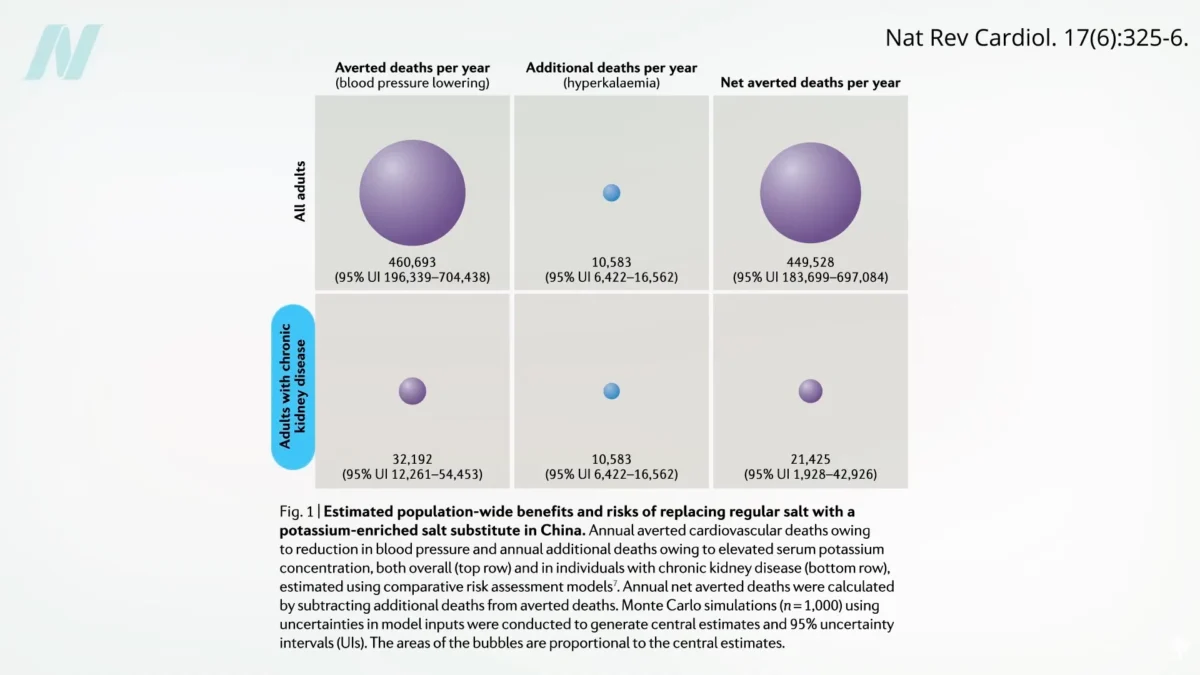
Paradoxically, potassium’s potent ability to mitigate deaths from high blood pressure, even in individuals with kidney disease, suggests that the widespread adoption of potassium chloride salt substitutes could yield substantial public health benefits, potentially saving more lives than are put at risk.
The Shifting Landscape of Kidney Disease Management
Traditional dietary recommendations for patients with kidney disease often involved restricting fruits and vegetables due to their potassium content. However, this paradigm is undergoing a significant transformation. Emerging evidence strongly supports the benefits of a fundamentally plant-based diet for individuals with chronic kidney disease (CKD). A whole-food, plant-based dietary approach may not only help slow the progression of CKD but also delay the onset of kidney failure.
Consequently, the practice of restricting dietary potassium is increasingly being reserved for patients with documented hyperkalemia, defined as a serum potassium level of 6 mmol/L or higher. The key to managing and potentially halting the progression of CKD may, in fact, lie in embracing the produce aisle and its nutrient-rich offerings.
Doctor’s Note and Further Resources
For individuals experiencing a health crisis, the National Suicide Prevention Lifeline is available 24 hours a day, seven days a week, at 800-273-8255.
This article is the concluding segment of a three-part series. Readers are encouraged to review the preceding installments: "The Mineral Intake Recommendations Only 1 in 6,000 U.S. Adults Meet" and "Are Potassium Chloride Salt Substitutes Worth Trying?" for a comprehensive understanding of mineral balance and dietary strategies.

