

Androgenic or androgenetic alopecia, a prevalent chronic condition frequently encountered by dermatologists, manifests as progressive hair thinning, most notably on the central scalp. In men, this is commonly referred to as male pattern hair loss, while in women, it is known as female pattern hair loss. The efficacy of dietary interventions in managing this condition is an area of growing scientific interest, moving beyond established pharmaceutical and supplement-based approaches. Research into the role of specific foods in combating hair loss offers a promising, natural avenue for treatment.
Understanding the Gut-Hair Connection
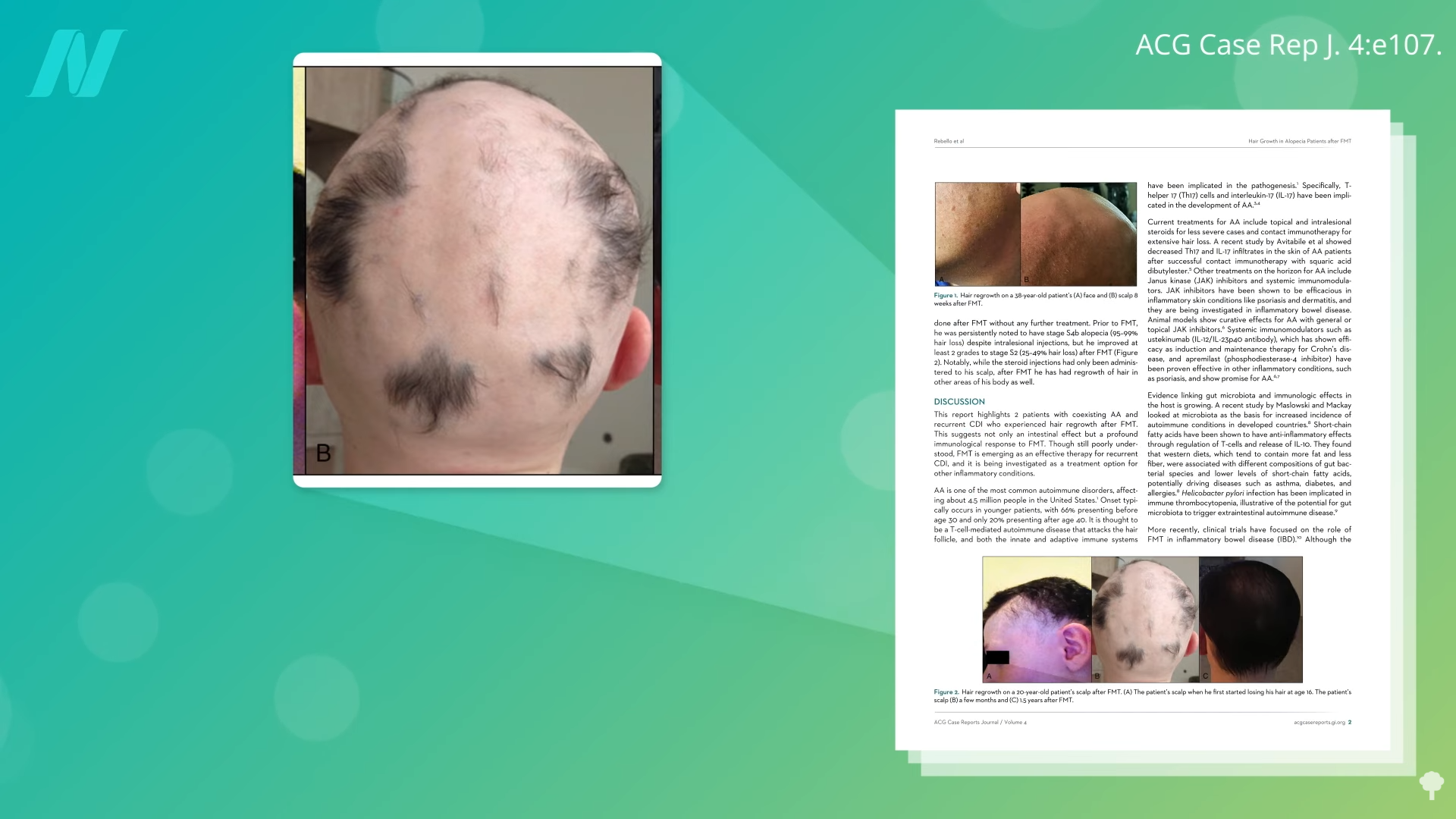
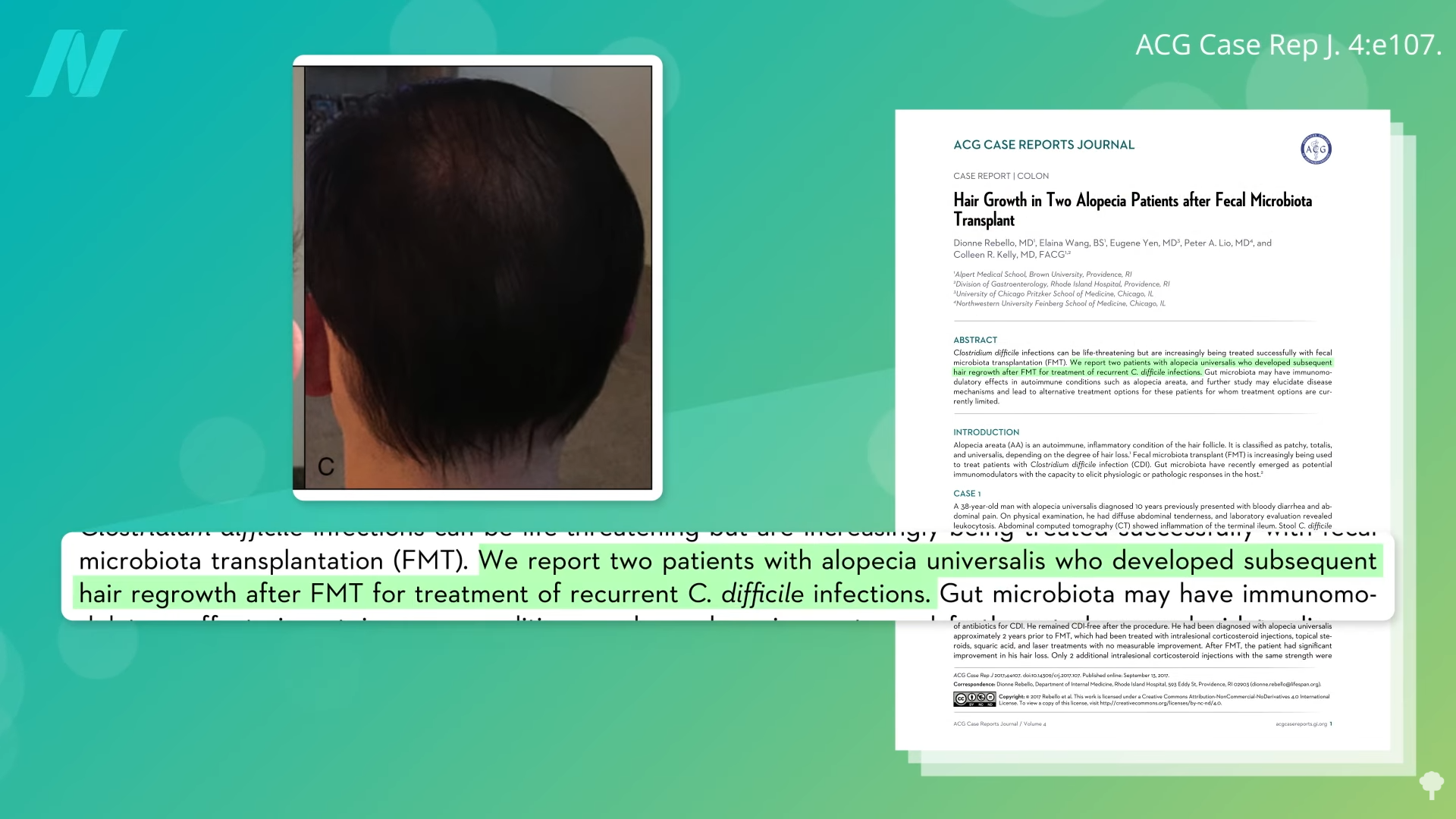
Recent advancements in understanding the human microbiome have provided significant insights into its impact on various bodily functions, including hair growth. Fecal microbiota transplantation (FMT) studies, while unconventional, have yielded compelling evidence of the microbiome’s power. In some reported cases, individuals experiencing significant hair loss have shown remarkable hair regrowth following FMT. One notable instance involved a completely bald individual who began to regrow hair months after receiving a fecal slurry from a donor. Over a year later, complete hair restoration was observed. This phenomenon underscores the critical role of a healthy gut microbiome in overall health, potentially extending to the regulation of hair follicle activity and growth cycles. The implication is that nurturing beneficial gut bacteria through diet could be a key factor in addressing hair loss.
Dietary Associations with Hair Loss
Population-based studies have begun to identify dietary patterns associated with both increased risk and protective effects against hair loss. Male pattern baldness, for instance, has been linked to poor sleep quality and the consumption of meats and processed, or "junk," foods. Conversely, a diet rich in raw vegetables, fresh herbs, and particularly soy-based beverages has demonstrated a protective association. Studies indicate that weekly consumption of soy beverages may be linked to a 62% reduction in the odds of experiencing moderate to severe hair loss, suggesting the presence of beneficial plant-derived compounds.
Examining Complementary and Alternative Medicine
While numerous complementary and alternative medicine (CAM) treatments claim to "cure" hair loss safely and with fewer side effects than conventional medicine, a critical review of the underlying scientific literature is essential. Many CAM studies have relied on data from shaved rodents, which may not accurately reflect human physiology. Even in human clinical trials, the absence of placebo controls can make it difficult to ascertain whether observed results are due to the intervention itself or other factors. Rigorous, placebo-controlled studies are crucial for validating the efficacy of any dietary or supplemental approach to hair loss.
Promising Findings from Specific Foods
Despite the challenges in CAM research, several dietary components have shown encouraging results in scientifically sound studies.
Capsaicin and Isoflavones from Hot Peppers and Soy
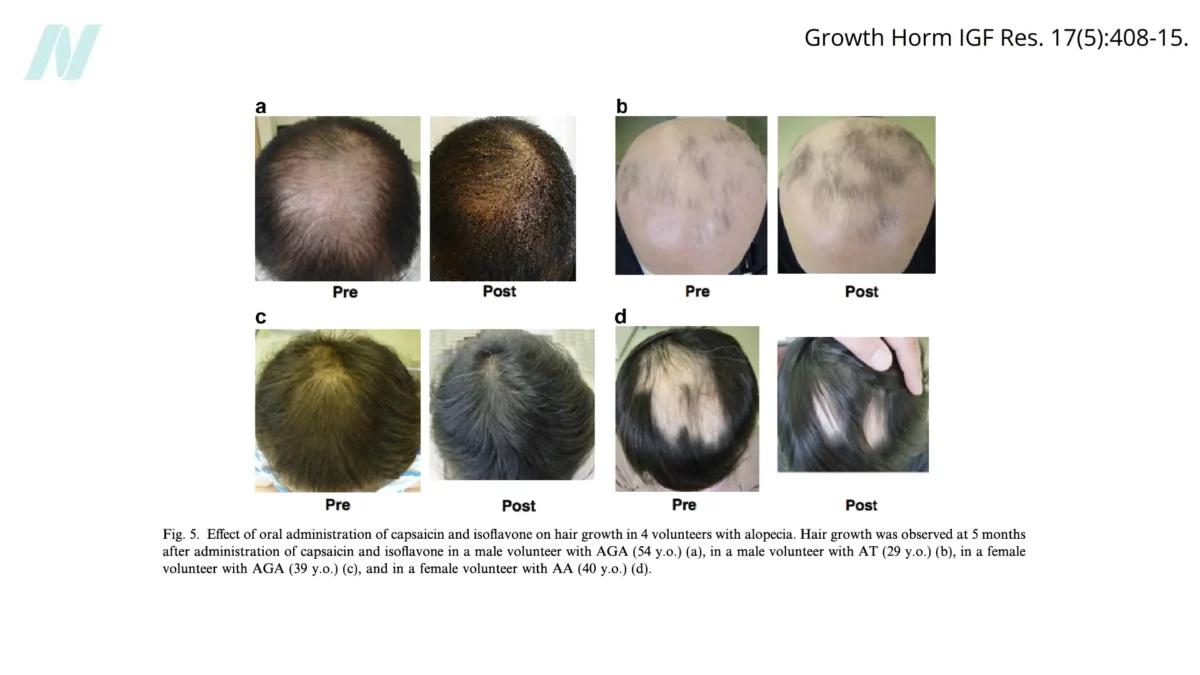
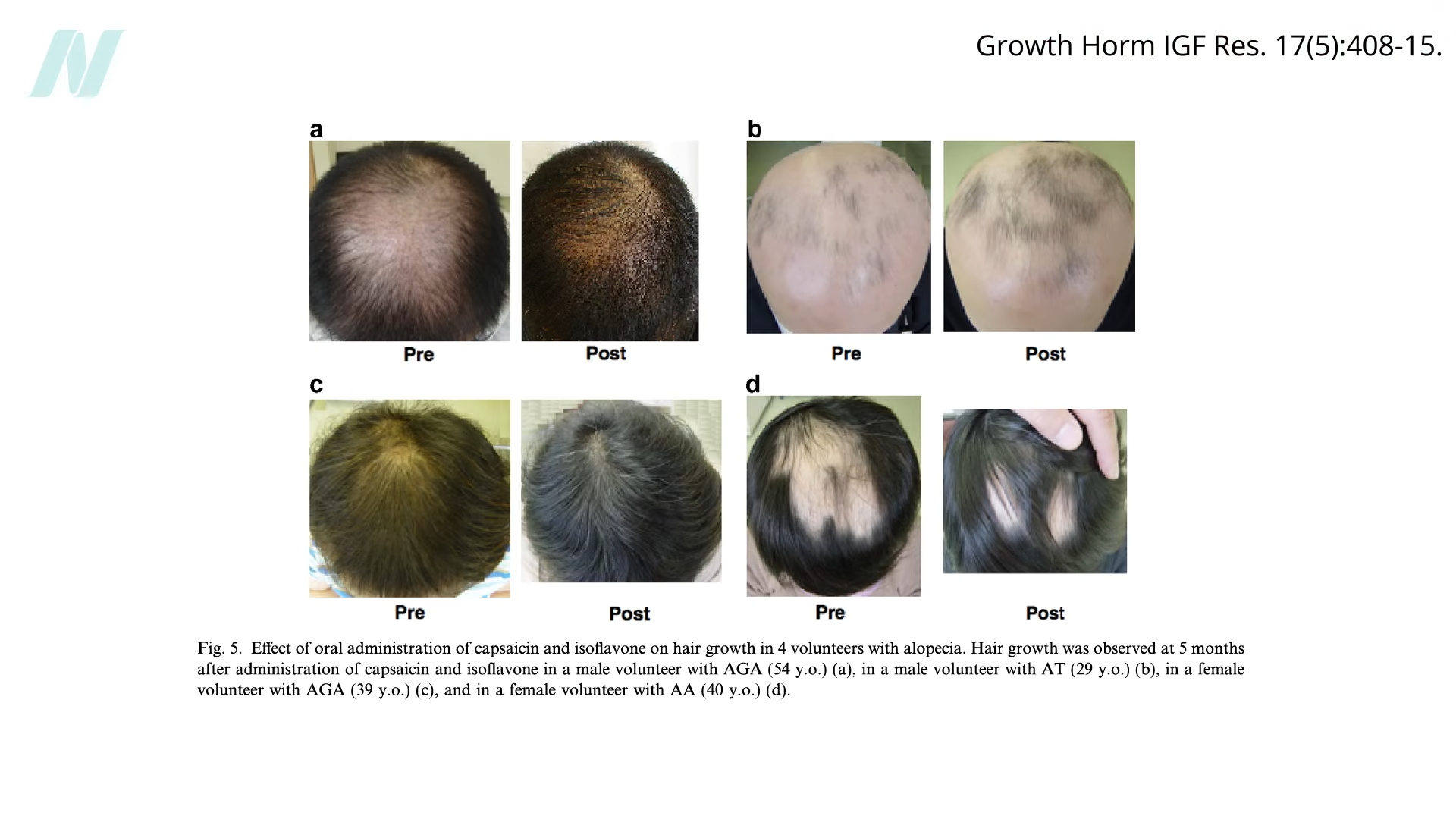
A randomized, double-blind, placebo-controlled study investigated the effects of compounds found in hot peppers and soy on hair growth, demonstrating a significant promotion of hair growth. Participants in the study were administered 6 milligrams of capsaicin daily, the active compound in chili peppers, and 75 milligrams of isoflavones, plant compounds found in soy.
To put these dosages into perspective with real food consumption:
- Capsaicin: Approximately 6 milligrams of capsaicin can be found in just a quarter of a fresh jalapeño pepper. This suggests that incorporating small amounts of hot peppers into the diet could be a feasible way to achieve the studied dosage.
- Isoflavones: The equivalent of 75 milligrams of isoflavones can be obtained by consuming about three-quarters of a cup of tempeh or a similar portion of straight soybeans. Soy nuts, which are dry-roasted soybeans, are a more concentrated source. However, researchers caution against the routine consumption of roasted or toasted nuts, seeds, or soy due to the potential formation of advanced glycation end-products (AGEs) in high-fat, high-protein foods prepared at high temperatures.
Before-and-after photographic evidence from this study, showing hair regrowth in both men and women, supports the potential of these food components.
Pumpkin Seed Oil and Hair Growth
Another area of scientific inquiry involves pumpkin seed oil. The interest in pumpkin seeds for hair health was initially sparked by a 2009 South Korean study that examined their effects on benign prostatic hyperplasia (BPH) in men. This study found that a daily intake of 320 milligrams of pumpkin seed oil, equivalent to approximately one-sixteenth of a teaspoon or just a few drops, significantly improved urinary flow rates. The study observed that while urinary flow declined in the control group, individuals consuming the equivalent of just two pumpkin seeds daily experienced a marked improvement.
This observed anti-androgen effect in the context of BPH has led to speculation that pumpkin seed oil might also benefit hair loss, which is often linked to androgenic hormones. While topical application of pumpkin seed oil has shown efficacy in mice, its impact when consumed orally by humans for hair loss remained to be definitively tested.
Fortunately, a subsequent randomized, double-blind, placebo-controlled trial directly investigated the efficacy of pumpkin seed oil for male pattern baldness. The study involved 76 men diagnosed with male pattern baldness who received either 400 milligrams of pumpkin seed oil daily, administered in capsules, or placebo capsules for several months. This dosage is comparable to consuming about two to two and a half pumpkin seeds per day.
Clinical Trial Results and Implications
The findings from the pumpkin seed oil trial were substantial. After 24 weeks of treatment, participants in the pumpkin seed oil group reported higher self-rated improvement and satisfaction scores compared to the placebo group. Objectively, the pumpkin seed oil group experienced a significant increase in hair counts – a 40% rise, compared to only a 10% increase in the placebo group.
When blinded investigators reviewed before-and-after photographs, they rated the placebo group as showing slight worsening over time, while the pumpkin seed oil group demonstrated significant improvement. Specifically, 95% of participants in the pumpkin seed oil group were classified as either unchanged or improved, in contrast to over 90% in the placebo group who were categorized as unchanged or worsened. Importantly, researchers monitored for sexual side effects using an index of erectile dysfunction and found no evidence of adverse effects associated with pumpkin seed oil consumption.
Broader Impact and Recommendations
These findings suggest that dietary choices can play a tangible role in managing hair loss, offering a natural and potentially effective alternative or complementary approach. The research highlights the importance of revisiting common food sources that may be overlooked for their nutritional and therapeutic benefits.
Pumpkin seeds, squash seeds, and watermelon seeds, often discarded, possess a rich nutritional profile that warrants further exploration. While the studies focused on specific preparations like pumpkin seed oil, the underlying principle of incorporating these nutrient-dense seeds into one’s diet is reinforced.
This research forms the final part of a three-part series examining hair loss and growth, following discussions on hair growth supplements and the benefits and risks of hair loss drugs.
For individuals seeking to incorporate these findings into their diet, a handful of pumpkin seeds can contribute to meeting the daily recommendations for nuts and seeds, as outlined in various dietary guidelines. The scientific exploration into diet and hair health continues to evolve, emphasizing a holistic approach that considers the intricate connection between nutrition, gut health, and physiological processes like hair regeneration.
The implications of these studies extend beyond mere cosmetic concerns, touching upon broader health and well-being. By identifying specific foods and dietary patterns that positively influence hair growth, individuals are empowered with actionable strategies to support their health through natural means. The scientific community’s ongoing commitment to rigorous, placebo-controlled trials in this domain ensures that recommendations are evidence-based and reliable, offering hope and practical solutions for those affected by hair loss.

