

Benign prostatic hypertrophy (BPH), commonly known as an enlarged prostate, is a prevalent condition affecting a significant portion of the male population. Data indicates that over 50% of men in their 50s and at least 70% of those over the age of 60 experience this condition. BPH can lead to a range of distressing lower urinary tract symptoms (LUTS), most notably the frequent urge to urinate, particularly during the night. While conventional medical interventions exist, their efficacy is often hampered by side effects and patient non-adherence. These side effects can be substantial, encompassing sexual dysfunction, an increased risk of high-grade prostate cancer, and even depression, factors that contribute to the observed low compliance rates. When pharmacological treatments prove insufficient, surgical options such as transurethral resection of the prostate (TURP) become a consideration. This situation underscores a growing demand for alternative, potentially more effective and tolerable, management strategies.
The Search for Natural Interventions
In the pursuit of such alternatives, scientific inquiry has increasingly turned to dietary components and natural remedies. Population-based studies have suggested a correlation between a diet characterized by low animal protein intake and a high consumption of fruits and vegetables, and a reduced risk of BPH. However, the nuances of dietary protein are critical; research has indicated that eggs and poultry may be more strongly associated with adverse outcomes than red meat or dairy. Refined grains have also been implicated. Beyond broad dietary patterns, specific foods and botanical agents have been subjected to rigorous scientific testing. Notably, the herb saw palmetto has been the subject of over 30 randomized controlled trials. Despite extensive research, its efficacy in treating BPH has been largely inconclusive, with many studies finding it to be ineffective. This has spurred further investigation into other natural agents with a history of traditional use.
Cranberries: A Look at Ancient Remedies and Modern Evidence
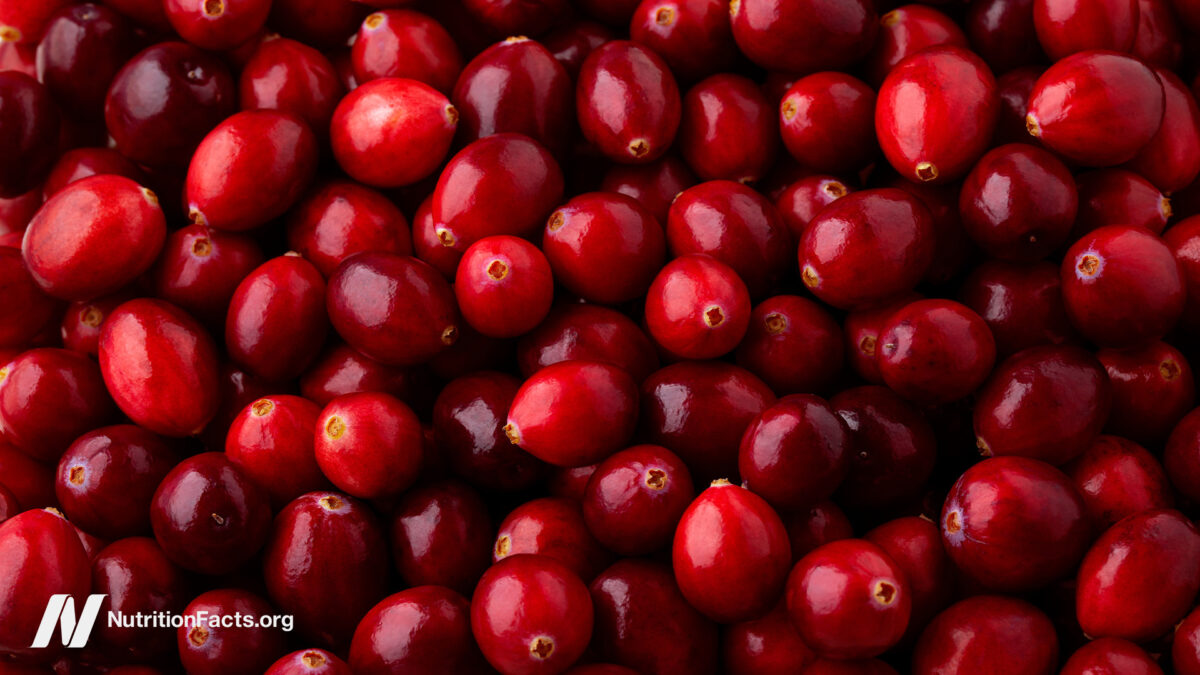
Cranberries possess a historical lineage as a remedy for urinary ailments among Native American populations. Modern scientific investigation has sought to validate these traditional uses. A significant study involving participants who consumed approximately one teaspoon (around 3 grams) of powdered whole cranberries daily yielded promising results. Crucially, this referred to the whole fruit powder, distinct from the processed, sweetened, and often oil-added "craisins." The study reported statistically significant improvements in BPH symptoms, overall quality of life, and various urinary parameters among those who incorporated the cranberry powder into their diet.
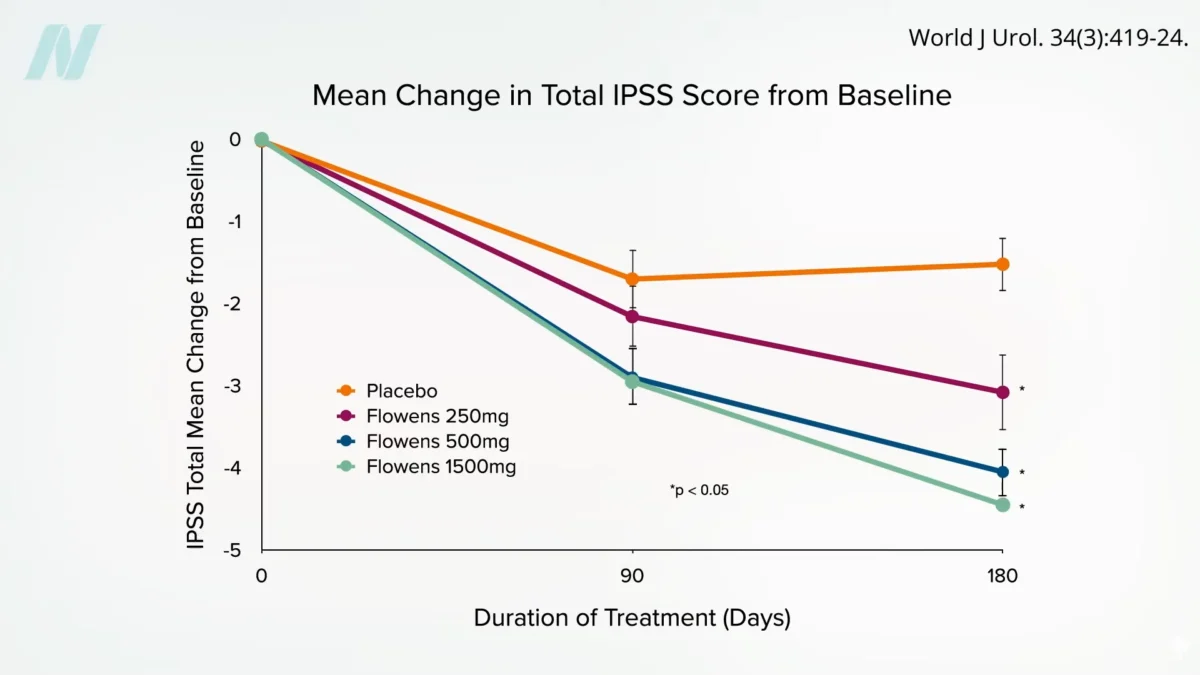
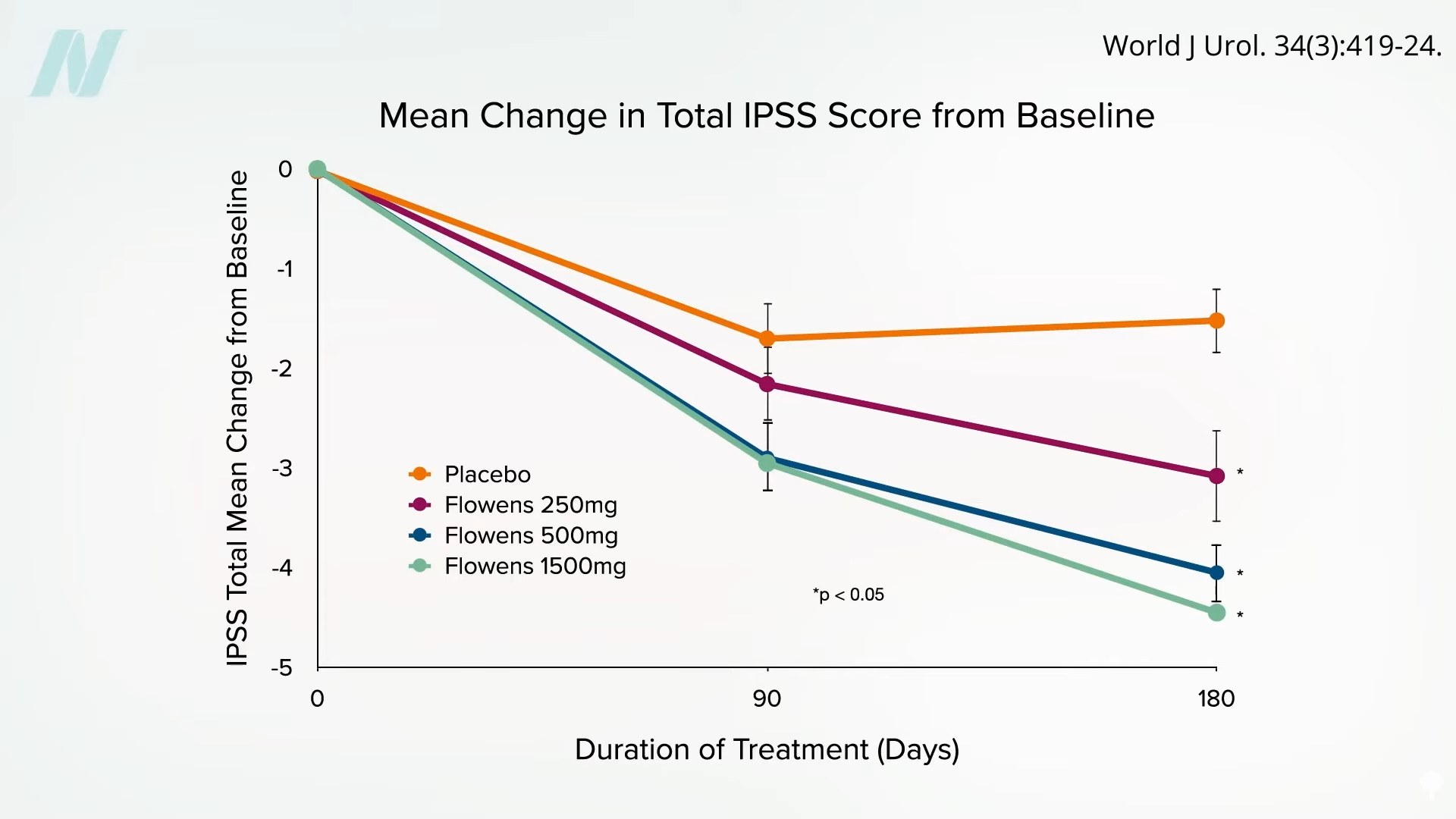
Further exploration into the optimal dosage of cranberries has also been undertaken. Subsequent research investigated the effects of smaller amounts, specifically one-third and one-sixth of a teaspoon of powdered cranberries. These investigations also indicated positive effects, albeit potentially to a lesser degree than the higher dosage. These findings were visualized in a comparative graph, illustrating the dose-dependent response observed. The study that generated this graph was funded by a supplement company, and it utilized a cranberry powder supplement. However, the researchers noted that the supplement consisted of pure cranberry powder, suggesting that purchasing bulk cranberry powder and incorporating it into everyday foods, such as smoothies, could be a more cost-effective approach. In contrast, investigations into other beverages, such as purple grape juice, have not shown comparable benefits for BPH symptoms.
Pumpkin Seeds: From Folk Medicine to Clinical Trials
Pumpkin seeds have also been recognized for their potential therapeutic properties, with a long history of use in folk medicine for prostate disorders. In vitro studies have demonstrated that pumpkin seed extracts can inhibit the growth of BPH prostate cells by as much as 50%. This laboratory evidence provided a rationale for clinical investigation in human subjects.
Scientific inquiry has progressed to evaluate the effects of pumpkin seed oil and whole pumpkin seeds in human trials. One study compared pumpkin seed oil directly against the pharmaceutical drug Prazosin, a common treatment for BPH, and found comparable efficacy. Similar results were observed when pumpkin seed oil was pitted against another BPH medication, Terazosin. However, a critical limitation of these particular studies was the absence of a placebo group, which would have provided a more robust comparison to ascertain the true effect of the pumpkin seed oil beyond any potential placebo effect.
Rigorous Evaluation of Pumpkin Seeds
A more comprehensive study was subsequently conducted, involving over a thousand men who were randomized into three groups: one receiving pumpkin seed extract, another a placebo, and the third consuming approximately one tablespoon (about 7.5 grams) of plain pumpkin seeds daily. While this study was funded by a pharmaceutical company involved in the development of a related supplement, the findings provided crucial insights. The pumpkin seed extract supplement did not demonstrate superiority over the placebo, indicating that the benefits were not solely attributable to a concentrated extract. However, the group that consumed whole pumpkin seeds reported significant improvements in their BPH symptoms. This finding was particularly noteworthy as it suggested that the beneficial compounds were present in the whole seeds and not exclusively isolated in an oil extract. Further research has since indicated that even oil-free pumpkin seed extracts may retain therapeutic value.
The researchers in this pivotal study concluded that whole pumpkin seeds could be a viable recommendation for individuals experiencing mild to moderate BPH symptoms. This conclusion has been supported by regulatory bodies. The European Medicines Agency (EMA), the European equivalent of the U.S. Food and Drug Administration, has similarly indicated that pumpkin seeds can be utilized to alleviate lower urinary tract symptoms associated with an enlarged prostate, provided that more serious medical conditions have been ruled out by a healthcare professional.
Implications and Future Directions
The findings regarding cranberries and pumpkin seeds offer a beacon of hope for men seeking natural and potentially safer alternatives for managing BPH. The established efficacy of these whole foods, supported by scientific evidence, suggests a paradigm shift towards integrating dietary strategies into BPH management. The relatively low cost and accessibility of these food items further enhance their appeal.
The implications of these findings extend to public health initiatives aimed at promoting healthier dietary habits for men’s health. Understanding the specific mechanisms by which cranberries and pumpkin seeds exert their beneficial effects, such as their anti-inflammatory or antioxidant properties, warrants further in-depth research. This could lead to the development of more targeted dietary recommendations or even novel therapeutic agents derived from these natural sources.
The distinction between whole foods and their extracted components is also a crucial takeaway. While supplements can offer convenience, the evidence suggests that the synergistic compounds present in whole cranberries and pumpkin seeds may be more effective than isolated extracts, particularly when compared against placebo. This emphasizes the importance of a whole-foods-based approach to nutrition and wellness.
For individuals diagnosed with BPH, consulting with a healthcare provider remains paramount. Medical professionals can accurately diagnose the condition, rule out other serious underlying issues, and discuss appropriate treatment plans. However, the emerging scientific evidence strongly suggests that incorporating regular servings of cranberries and pumpkin seeds into the diet can serve as a valuable complementary strategy for managing BPH symptoms and improving the quality of life for affected individuals.
Related Research and Resources
Further exploration into the broader applications of these natural compounds is ongoing. Research has also investigated the potential of flaxseeds in managing prostate health, with some studies suggesting efficacy comparable to conventional medications but with a more favorable side-effect profile. Additionally, the relationship between cranberries and prostate cancer has been a subject of separate research, as has the efficacy of cranberry juice in treating bladder infections. These related areas of inquiry highlight the multifaceted health benefits associated with these natural food sources.
Doctor’s Note: The video "Flaxseeds vs. Prostate Cancer" provides further insights into the role of flaxseeds in prostate health. For information on cranberries and cancer, the video "Cranberries vs. Cancer" is available. The question of whether cranberry juice can treat bladder infections is addressed in the video "Can Cranberry Juice Treat Bladder Infections?"

