

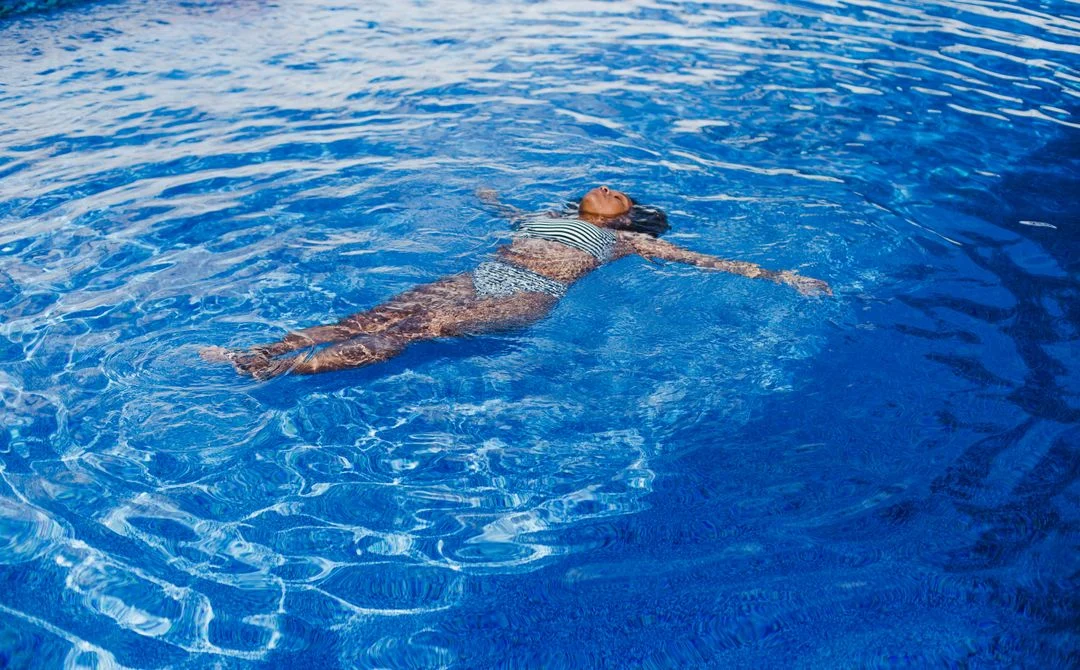
While traditional running remains a highly effective method for cardiovascular conditioning and weight management, its inherent high-impact nature often presents significant challenges, particularly as individuals age or contend with pre-existing physical conditions. The repetitive pounding of pavement, though beneficial for heart health and known to induce a "runner’s high," simultaneously carries an elevated risk of musculoskeletal injuries, including patellofemoral pain syndrome (runner’s knee), shin splints, plantar fasciitis, and even chronic issues like hip and spinal degeneration. For a growing demographic of fitness enthusiasts, athletes, and individuals navigating rehabilitation, these adverse effects necessitate a search for viable alternatives that offer similar physiological benefits without the detrimental joint stress. This imperative has propelled water running, also widely known as aqua jogging or deep-water running, from a niche rehabilitative tool into a recognized and increasingly popular cross-training and primary exercise modality.
The Genesis and Evolution of Aqua Jogging
The concept of using water for therapeutic and exercise purposes, broadly termed hydrotherapy, dates back to ancient civilizations, with figures like Hippocrates advocating for its benefits. However, the specific application of mimicking running motions in water for fitness and rehabilitation began to gain scientific traction in the latter half of the 20th century. Initially, aqua jogging was primarily adopted by elite athletes recovering from injuries, seeking to maintain cardiovascular fitness and muscle memory without impact. Early proponents, often sports medicine specialists and physical therapists, recognized the unique properties of water—buoyancy, hydrostatic pressure, and resistance—as ideal for mitigating stress on joints while still engaging the musculature.
By the 1980s and 1990s, as sports science became more sophisticated and the demand for injury prevention strategies grew, aqua jogging protocols were formalized and disseminated. Research began to quantify its physiological effects, demonstrating that deep-water running could elicit heart rates and oxygen consumption levels comparable to land-based running, provided sufficient intensity was maintained. This scientific validation moved aqua jogging beyond the exclusive realm of professional athlete rehabilitation, opening its doors to the general public, including older adults, individuals with chronic pain, and those seeking a gentler entry into an active lifestyle. Today, it stands as a testament to the continuous innovation in exercise science, offering a compelling blend of effectiveness and accessibility.
Understanding the Biomechanics: The Science Behind the Splash
The efficacy of water running is rooted in fundamental principles of fluid dynamics and human physiology. When a body is submerged in water, it experiences several forces that fundamentally alter the mechanics of movement compared to land-based exercise.
Firstly, buoyancy is perhaps the most significant factor. According to Archimedes’ principle, an object immersed in a fluid experiences an upward buoyant force equal to the weight of the fluid displaced by the object. For an individual submerged up to the neck, approximately 85-90% of their body weight is offset by buoyancy, drastically reducing the gravitational load on weight-bearing joints such as the knees, hips, ankles, and spine. This reduction in impact is critical for individuals prone to or recovering from injuries, arthritis, or age-related joint degeneration. A 2011 study published in the Journal of Strength and Conditioning Research highlighted that deep water running significantly reduces ground reaction forces to nearly zero, thereby eliminating the shock absorbed by connective tissues and cartilage during traditional running.
Secondly, hydrostatic pressure plays a crucial role. This is the pressure exerted by the water at a given depth, which increases with depth. When submerged, the body experiences uniform pressure from all directions. This pressure acts as a natural compression garment, assisting in venous return and reducing peripheral edema, which can be beneficial for circulation and post-exercise recovery. Furthermore, hydrostatic pressure has been shown to potentially reduce perceived exertion while maintaining cardiovascular benefits, allowing individuals to work harder without feeling as fatigued as they might on land.
Thirdly, water resistance provides a unique training stimulus. Unlike air, water is a much denser medium, offering multi-directional resistance to movement. Every stride, every arm swing, encounters resistance, compelling muscles to work harder throughout the entire range of motion, rather than just during the concentric phase (muscle shortening). This constant resistance builds muscular strength and endurance across a broader spectrum of muscle groups, including the core stabilizers, which are vital for maintaining proper running form and preventing injuries. The resistance can be modulated by changing speed, surface area of movement, or incorporating aquatic fitness accessories. Research published in Medicine & Science in Sports & Exercise has demonstrated that deep water running can lead to comparable physiological adaptations to land running in terms of VO2 max improvement, provided adequate intensity is maintained.
Diverse Applications: Who Benefits Most from Aqua Jogging?
The unique biomechanical advantages of aqua jogging make it an invaluable tool for a wide array of individuals and specific fitness goals:
- Injury Rehabilitation and Prevention: This is arguably the most well-known application. Athletes sidelined by stress fractures, tendonitis, muscle strains, or post-surgical recovery can maintain cardiovascular fitness and muscular strength without aggravating their injuries. The ability to mimic running mechanics in a non-weight-bearing environment accelerates recovery timelines and facilitates a smoother transition back to land-based activities. Physical therapists frequently prescribe aqua jogging as a bridge exercise, allowing patients to regain confidence and strength.
- Aging Populations and Chronic Conditions: For older adults, aqua jogging offers a safe and effective way to combat age-related declines in cardiovascular health, muscle mass, and bone density without the risk of falls or joint pain. Individuals with conditions like osteoarthritis, fibromyalgia, or osteoporosis find the buoyancy of water reduces discomfort, enabling them to engage in regular physical activity that might otherwise be impossible. The low impact protects delicate joints, while the resistance helps maintain functional strength.
- Elite Athletes and Cross-Training: Beyond rehabilitation, competitive runners, triathletes, and other athletes incorporate aqua jogging into their training regimens for active recovery, cross-training, and increasing weekly mileage without cumulative impact stress. It allows them to maintain high training volumes, enhance muscular endurance, and improve running form by focusing on technique without the distraction of impact forces. Many professional sports teams now have dedicated aquatic training facilities.
- General Fitness and Weight Management: For individuals new to exercise, those with significant body mass, or pregnant women, aqua jogging provides a comfortable and empowering entry point into fitness. The supportive environment of water reduces the perceived effort while still delivering a robust workout, making it easier to adhere to an exercise program. It offers a full-body workout that burns calories, tones muscles, and improves cardiovascular health without the intimidation or discomfort often associated with high-impact exercises.
- Hot Climates and Summer Training: In regions with extreme heat, exercising outdoors can be dangerous due to heatstroke risk. Aqua jogging offers an excellent alternative, allowing individuals to maintain their fitness routines in the refreshing and cooling environment of a pool, mitigating heat stress and dehydration.
Mastering the Technique: Form and Progression
Effective aqua jogging requires conscious attention to form, as the absence of ground contact can sometimes lead to compensatory movements. The goal is to replicate the natural running motion as closely as possible, ensuring maximal muscle engagement and cardiovascular benefit.
Core Techniques:
- Posture: Maintain an upright, slightly forward-leaning posture, similar to land running. Avoid slouching or leaning back. Keep your head aligned with your spine, looking forward.
- Arm Drive: Mimic the arm swing of land running. Keep elbows bent at approximately 90 degrees, with hands relaxed. Drive your arms forward and back, not across your body. The water resistance will naturally provide a workout for your upper body and core.
- Leg Motion: Focus on a high knee lift and a powerful "push-off" with the foot, extending the leg fully behind you. The movement should be deliberate, working against the water’s resistance throughout the entire stride cycle. Avoid simply cycling the legs; aim for an active hip flexion and extension. Imagine driving your knees up towards the surface and then sweeping your feet back and down.
- Foot Position: Keep your feet relatively flat or slightly dorsiflexed (toes pointed up) to maximize the surface area pushing against the water, increasing resistance. Avoid pointed toes, which reduce resistance.
- Relaxation: While working hard, ensure your shoulders, neck, and hands remain relaxed to avoid unnecessary tension and wasted energy.
Progression and Workout Structure:
A typical aqua jogging session can be structured to mirror land-based running workouts, incorporating warm-up, main set, and cool-down phases.
- Warm-up (5-10 minutes): Begin with gentle aqua walking, high knees, and arm swings to prepare muscles and elevate heart rate gradually.
- Main Set:
- Interval Training: Alternate periods of high-intensity aqua jogging (mimicking sprints or tempo runs) with recovery periods of moderate-paced aqua jogging or active rest. For example, 5 minutes of high-intensity effort followed by 1-2 minutes of recovery, repeated 4-6 times.
- Tempo Runs: Sustain a challenging but steady pace for a longer duration (e.g., 20-30 minutes), focusing on maintaining consistent form and effort.
- Longer, Steady-State Runs: For endurance, maintain a comfortable, conversational pace for 45-60 minutes or more.
- Cool-down (5-10 minutes): Gradually reduce intensity, transitioning to gentle aqua walking and static stretches performed in the water, utilizing the buoyancy for deeper stretches.
To maximize results, aim for a perceived exertion level (RPE) similar to what you would experience during a comparable land-based workout. Your heart rate should elevate, and you should feel muscular fatigue. The American College of Sports Medicine (ACSM) recommends at least 150 minutes of moderate-intensity or 75 minutes of vigorous-intensity aerobic activity per week, and aqua jogging can contribute significantly to these guidelines.
Essential Gear for the Aquatic Runner
While a swimsuit and access to a pool are the fundamental requirements, certain equipment can significantly enhance the aqua jogging experience and workout effectiveness.
- Flotation Belt: This is the most crucial piece of equipment for deep-water running. Worn around the waist, it provides additional buoyancy, allowing the user to remain upright and maintain proper form without touching the pool bottom. This frees the legs to perform a full running motion. Various designs exist, from simple foam belts to more ergonomically shaped vests.
- Aquatic Shoes: While not strictly necessary, aquatic shoes can improve traction on pool decks and provide some cushioning for shallow-water running or walking. They also protect the feet from potential abrasions.
- Waterproof Weights and Resistance Tools: For intensifying the workout, hand paddles, ankle weights, or aquatic dumbbells can be incorporated. Hand paddles increase upper body resistance, while ankle weights add drag to leg movements, increasing muscular effort. These are particularly useful for strength training aspects.
- Kickboards/Pull Buoys: While not directly for running, these can be used for supplementary drills, such as isolated leg or arm work, or for general aquatic warm-ups/cool-downs.
Expert Insights and Testimonials
Leading figures in sports medicine and exercise physiology consistently endorse aqua jogging. Dr. Emily Carter, a prominent sports physiotherapist specializing in running injuries, notes, "Aqua jogging allows us to maintain an athlete’s cardiovascular base and neuromuscular coordination during periods of injury, which is critical for a swift and complete return to sport. It’s not just a fallback; it’s a proactive component of smart training."
Similarly, Dr. Mark Johnson, an exercise physiologist at a national sports institute, often highlights its benefits for diverse populations: "For older adults or those with joint pain, aqua jogging is a game-changer. It provides a full-body workout, improves circulation, and enhances mood, all without the debilitating pain that can deter participation in other forms of exercise. The psychological benefit of being able to move freely and vigorously cannot be overstated."
Many professional athletes, like marathoner Sarah Lee, who recovered from a stress fracture, attest to its efficacy. "Aqua jogging was my lifeline," Lee states. "It kept me sane, fit, and helped me visualize my running form even when I couldn’t hit the road. When I returned to land, my fitness hadn’t dipped as much as I feared, and my form felt stronger." These endorsements underscore the dual benefits of physical conditioning and psychological resilience that aqua jogging offers.
Broader Health Implications and Societal Impact
Beyond its immediate physical benefits, aqua jogging contributes to broader public health objectives. By offering a low-barrier-to-entry exercise option, it encourages greater physical activity participation across all age groups and fitness levels, directly addressing concerns about sedentary lifestyles and rising rates of chronic diseases. Its adaptability makes it suitable for community fitness programs, accessible even in areas where specialized equipment might be limited to a public pool.
Furthermore, the mental health benefits are significant. Exercise, in general, is a potent stress reliever and mood enhancer. The rhythmic, meditative nature of aqua jogging, combined with the calming environment of water, can reduce anxiety and symptoms of depression. For individuals managing chronic pain or recovering from injury, the ability to engage in a challenging yet pain-free activity can be incredibly empowering, fostering a sense of achievement and self-efficacy.
Integrating Aqua Jogging into a Comprehensive Training Regimen
For many, aqua jogging serves as an adjunct to other forms of exercise. Runners might integrate it once or twice a week as a recovery run or a high-intensity interval session. Individuals focusing on general fitness might alternate it with swimming, cycling, or strength training. The key is to view it as a versatile tool that complements, rather than completely replaces, other activities, allowing for a well-rounded and sustainable approach to fitness. Consultation with a healthcare professional or certified fitness trainer is always recommended, especially when integrating new exercises or managing specific health conditions.
The Future of Aquatic Exercise
The increasing understanding of human physiology and fluid dynamics, coupled with advancements in aquatic fitness equipment and training methodologies, suggests a bright future for aqua jogging and other forms of aquatic exercise. Research continues to explore its efficacy in specific populations, such as those with neurological conditions or metabolic disorders. As populations age and the prevalence of chronic conditions increases, low-impact, effective exercise options like aqua jogging will become even more critical in promoting health, longevity, and quality of life. The "life-changing magic" of water running is not merely anecdotal; it is a scientifically supported reality that promises to keep individuals moving, healthy, and happy, one buoyant stride at a time.

