

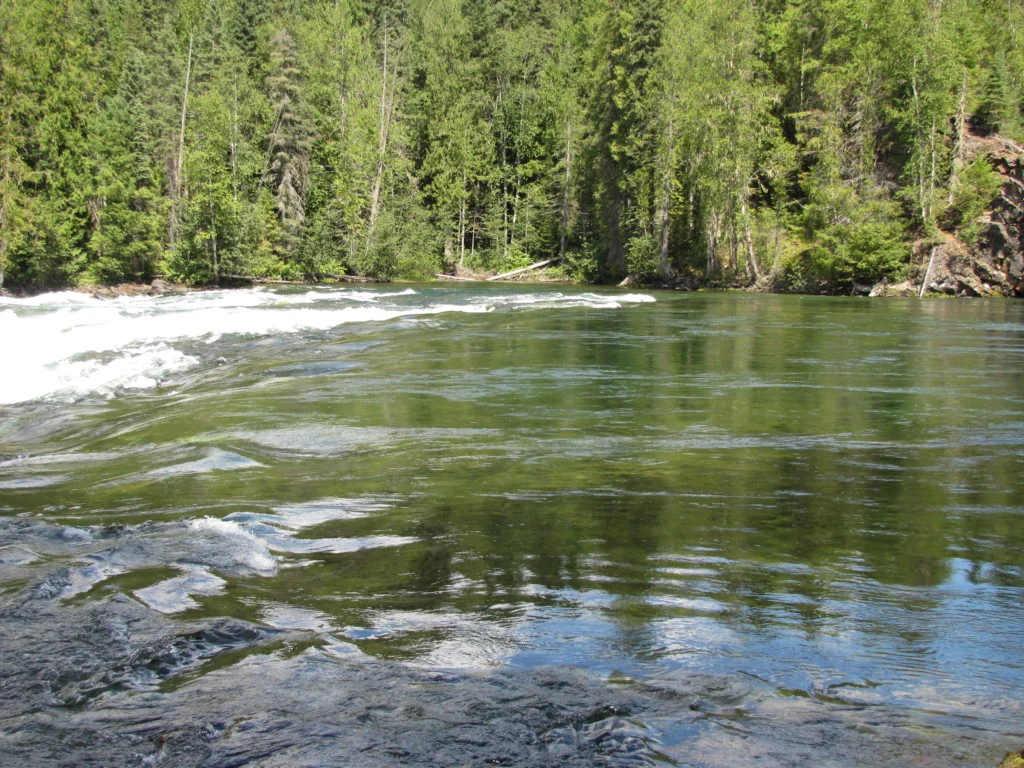
Wells Gray Provincial Park, a sprawling expanse of protected wilderness nestled within the Caribou Mountains of British Columbia, Canada, stands as a testament to the raw, untamed beauty of the natural world. This vast sanctuary, covering over 5,250 square kilometers, is a rich tapestry of dramatic mountain vistas, pristine lakes, meandering rivers, and dense forests, teeming with a diverse array of wildlife. The park is renowned for its populations of formidable bears, majestic moose, a vibrant avian community, and abundant fish species. However, it also harbors a less celebrated, yet significant, inhabitant: over 30 distinct species of mosquito, a characteristic feature of its boreal ecosystem.
More than any single element, Wells Gray Park is defined by its breathtaking waterfalls. The region’s unique geological history, shaped by millennia of glacial activity and volcanic formations, has sculpted a landscape punctuated by approximately 39 named major waterfalls, alongside countless smaller cascades that whisper down the rocky escarpments. Among these natural wonders, Helmcken Falls commands particular attention. Plunging an astounding 141 meters (463 feet), it ranks as the fourth-largest waterfall in Canada, a staggering three times the height of the iconic Niagara Falls. Its sheer scale and power make it a focal point for visitors and a potent symbol of nature’s grandeur.
The Experiential Classroom of Waterfalls
The presence of these powerful water features offers more than just scenic spectacle; they serve as profound teaching grounds, offering insights into the fundamental nature of existence. To stand before a cascading waterfall is to engage with a living entity. The thunderous roar that fills the air, the cool, invigorating mist that kisses the skin, and the sheer visual spectacle of water in perpetual motion all contribute to an overwhelming sensory experience. The very term "waterfall" itself speaks to relationships and transience. It signifies the point at which a particular river encounters a specific geographical location, transforming into an immensely powerful and beautiful shape for a fleeting moment in its ongoing journey.
By extending this observation across vast stretches of time, a profound realization emerges: all phenomena, including ourselves, are ultimately temporary events, much like a waterfall. A waterfall, in this context, is the ephemeral form that water assumes during its descent. Similarly, a tree represents the shape that sunlight, water, and specific chemical elements take for a few centuries. Animals, humans included, are temporary configurations of food, water, and air, existing for less than a hundred years. The waterfall, therefore, becomes a living narrative, a story of life unfolding in an instant, etched in the very fabric of the landscape.
The Deceptive Calm Before the Deluge
A striking and often overlooked characteristic of many waterfalls is the deceptively calm and smooth surface of the water that precedes the dramatic plunge. The water, gathered in a placid pool or a wide riverbed upstream, often gives no hint of the impending chaos. This serene tranquility can lull observers into a false sense of security, masking the immense forces about to be unleashed. The current accelerates almost imperceptibly, the water’s surface remaining placid until, without warning, it rushes over the precipice in a paroxysm of energy, a maelstrom of turbulence, power, and awe-inspiring beauty.
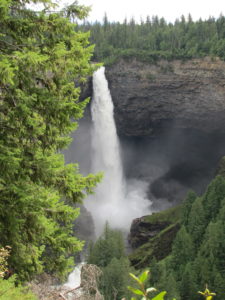
This natural phenomenon offers a potent metaphor for the dynamics of human affairs, both on an individual and societal level. As individuals navigate the passage of time, life can often proceed with a deceptive smoothness. Days, weeks, and even years can unfold without significant disruption. However, just as a river approaches a waterfall, life can accelerate towards critical junctures. Illness, the natural process of aging, or unforeseen personal crises can lead to a rapid deterioration of well-being, systems beginning to fail at an increasing rate. The calm surface of youthful vigor or stable adulthood gives way to the turbulent waters of decline or crisis.
On a broader societal scale, the analogy is equally compelling. The relentless pace of technological advancement and social change often mirrors the imperceptible acceleration of the river above the falls. For extended periods, societies may experience gradual, incremental shifts, appearing stable and predictable. However, thresholds can be reached, often without immediate, widespread recognition. At these junctures, the smooth progression can give way to sudden instability, widespread disruption, and a state of societal chaos. Those individuals or groups positioned further upstream, in the calm waters, may remain largely unaffected, unaware of the maelstrom that has already engulfed those closer to the precipice.
The Imperative of Attentive Observation
The critical lesson embedded in the waterfall’s narrative is the importance of attentive observation and foresight. By "listening with an alert mind," as the original text suggests, one might discern the subtle cues, the distant roar that signals the approaching fall, before it is too late to navigate the turbulent waters. This implies a need for conscious awareness, a willingness to acknowledge the accelerating currents of change, and the courage to seek safer ground before being swept away.
In an era characterized by rapid information flow and constant societal flux, the ability to discern these subtle shifts is paramount. It requires moving beyond passive observation to active engagement with the unfolding realities of our personal lives and the broader world. This might involve developing critical thinking skills to analyze trends, fostering emotional intelligence to understand the human impact of change, and cultivating a proactive mindset to adapt and prepare for inevitable transitions.
Geological Context and the Creation of Wells Gray’s Waterfalls
The geological history of Wells Gray Provincial Park is the fundamental reason for its extraordinary concentration of waterfalls. The area sits atop a plateau formed by extensive lava flows from past volcanic activity, creating a stable, relatively flat surface. However, subsequent glacial erosion carved deep valleys and canyons into this plateau. As glaciers retreated, rivers and streams formed, following the paths of least resistance across the landscape. Where these waterways encountered the edges of the lava flows or the steep drop-offs created by glacial carving, the magnificent waterfalls of Wells Gray were born.
The sheer scale of Helmcken Falls, for instance, is a product of the Helmcken Formation, a thick layer of basalt that forms the lip over which the Murtle River plunges. The immense volume of water, especially during the spring melt, then exerts tremendous erosive power, widening and deepening the canyon over millennia. Other notable falls in the park, such as Spahats Falls and Moul Falls, showcase different geological formations and erosional processes, contributing to the park’s diverse waterfall topography.
Conservation Efforts and Tourism Impact
The designation of Wells Gray Provincial Park in 1939 was a crucial step in preserving this unique natural environment. The park’s establishment aimed to protect its significant geological features, its rich biodiversity, and its aesthetic appeal. Today, it is a vital component of British Columbia’s provincial park system, managed by the Ministry of Environment and Climate Change Strategy.
Tourism is a significant aspect of the park’s economy and management. Visitors are drawn to the park by its natural beauty, hiking trails, camping facilities, and, of course, its waterfalls. While tourism brings economic benefits and fosters appreciation for nature, it also presents management challenges. Maintaining the delicate balance between visitor access and ecological preservation is a constant endeavor. Park officials work to manage trail erosion, mitigate the impact of human presence on wildlife, and ensure that the visitor experience does not detract from the park’s intrinsic natural values. Educational programs and interpretive centers play a key role in fostering responsible tourism and deepening visitors’ understanding of the park’s ecology and geology.
Broader Implications and Future Considerations
The lessons derived from observing Helmcken Falls and other natural spectacles extend far beyond philosophical contemplation. They underscore the interconnectedness of systems – natural and human – and the potential for rapid, transformative change. In an era facing complex challenges such as climate change, technological disruption, and social inequality, understanding these dynamics is not merely academic; it is essential for effective adaptation and resilient development.
The metaphor of the approaching waterfall serves as a powerful call to action. It encourages individuals, communities, and policymakers to cultivate a heightened sense of awareness, to scrutinize the accelerating currents of change, and to proactively develop strategies for navigating potential disruptions. This might involve investing in sustainable practices, fostering innovation, promoting social equity, and strengthening our collective capacity for resilience.
The serene waters above the falls represent a period of apparent stability, a time for reflection and preparation. The turbulent waters below symbolize the inevitable periods of change and challenge. By heeding the lessons nature offers, by listening intently to the subtle roars that precede the cascades, we can better equip ourselves to not only survive these transitions but to emerge stronger and more adaptable on the other side. Wells Gray Provincial Park, with Helmcken Falls as its majestic sentinel, stands as a powerful reminder that within the grandeur of the natural world lie profound truths that can guide our journey through the complexities of life. The story of the waterfall is, indeed, the story of existence itself, written in an instant of breathtaking power and beauty.

