

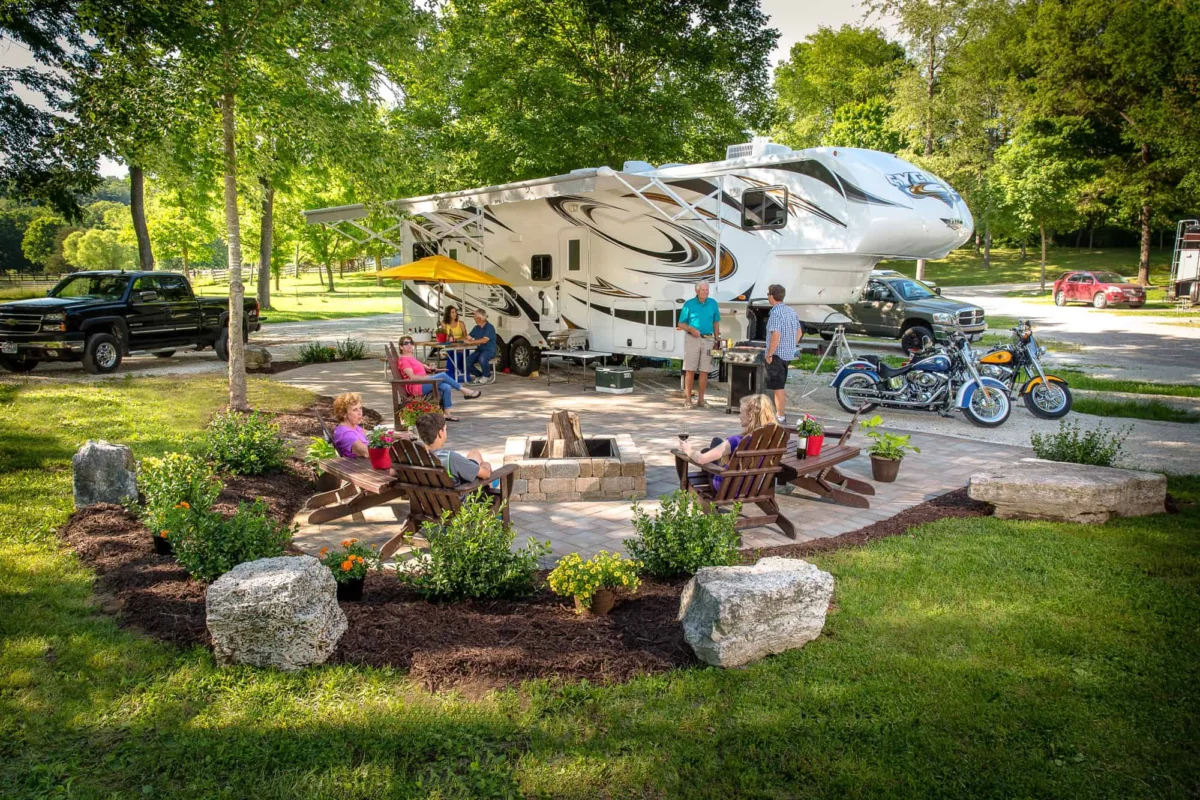
The landscape of North American tourism has undergone a significant transformation over the last decade, characterized by a resurgent interest in nomadic travel and outdoor recreation. Central to this movement is the recreational vehicle (RV) industry, which currently sees approximately 11.2 million households in the United States owning an RV. According to the RV Industry Association (RVIA), this figure represents a 62% increase over the last twenty years. Amidst this growth, Kampgrounds of America (KOA) has solidified its position as the world’s largest system of privately held campgrounds, providing a critical infrastructure for both seasoned "full-timers" and the burgeoning demographic of "weekend warriors."
The Evolution of Modern Camping: A Historical Context
The origins of organized RV camping in North America are deeply intertwined with the history of KOA. Founded in 1962 by Dave Drum in Billings, Montana, the first KOA campground was established near the Yellowstone River to accommodate travelers heading to the Seattle World’s Fair. At its inception, the concept was revolutionary: providing standardized amenities such as hot showers, clean restrooms, and a small convenience store—services that were largely inconsistent across the fragmented camping landscape of the mid-20th century.
By 1964, the demand for standardized camping experiences led to the rapid franchising of the brand. Throughout the late 20th century, KOA expanded its footprint across the United States and Canada, eventually growing to more than 500 locations. The company’s evolution has mirrored the technological advancement of the RVs themselves. As vehicles transitioned from simple trailers to sophisticated motorhomes requiring high-voltage electrical inputs and complex waste management systems, KOA adapted its infrastructure to include 50-amp service, full sewer hookups, and high-speed Wi-Fi, reflecting the needs of the modern "digital nomad."
Categorization of the Camping Experience: The Three-Brand Model
In response to diversifying traveler needs, KOA implemented a strategic rebranding initiative that segmented its campgrounds into three distinct categories: KOA Journey, KOA Holiday, and KOA Resort. This classification system allows travelers to select a location based on the intended duration and purpose of their stay.
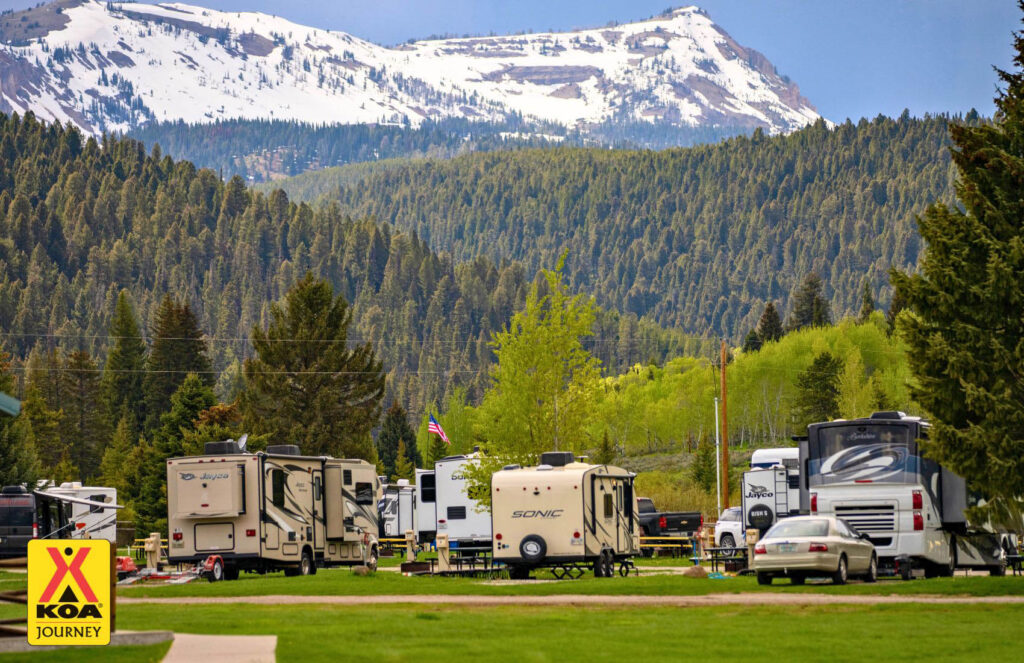
KOA Journey: These locations are strategically situated near major highways and thoroughfares. They are designed primarily for the "cross-country voyager" who requires a reliable, high-quality stopover during a long-distance transit. Key features include well-lit after-hours check-in services, pull-through sites for easy maneuvering of large rigs, and robust basic amenities focused on convenience and efficiency.
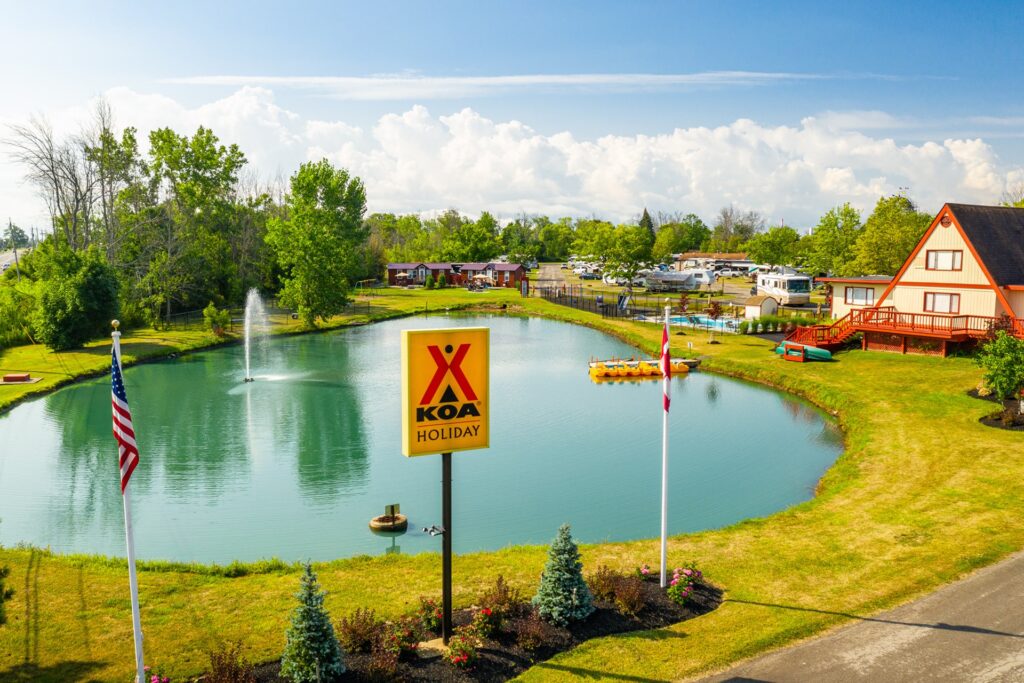
KOA Holiday: Positioned as a "base camp" for regional exploration, KOA Holiday locations are typically found near major natural attractions, national parks, or historical sites. These campgrounds offer expanded amenities, including upgraded patio sites, organized family activities, and dedicated spaces for group gatherings. They cater largely to the "weekend warrior" and families seeking a multi-day outdoor experience without sacrificing suburban comforts.
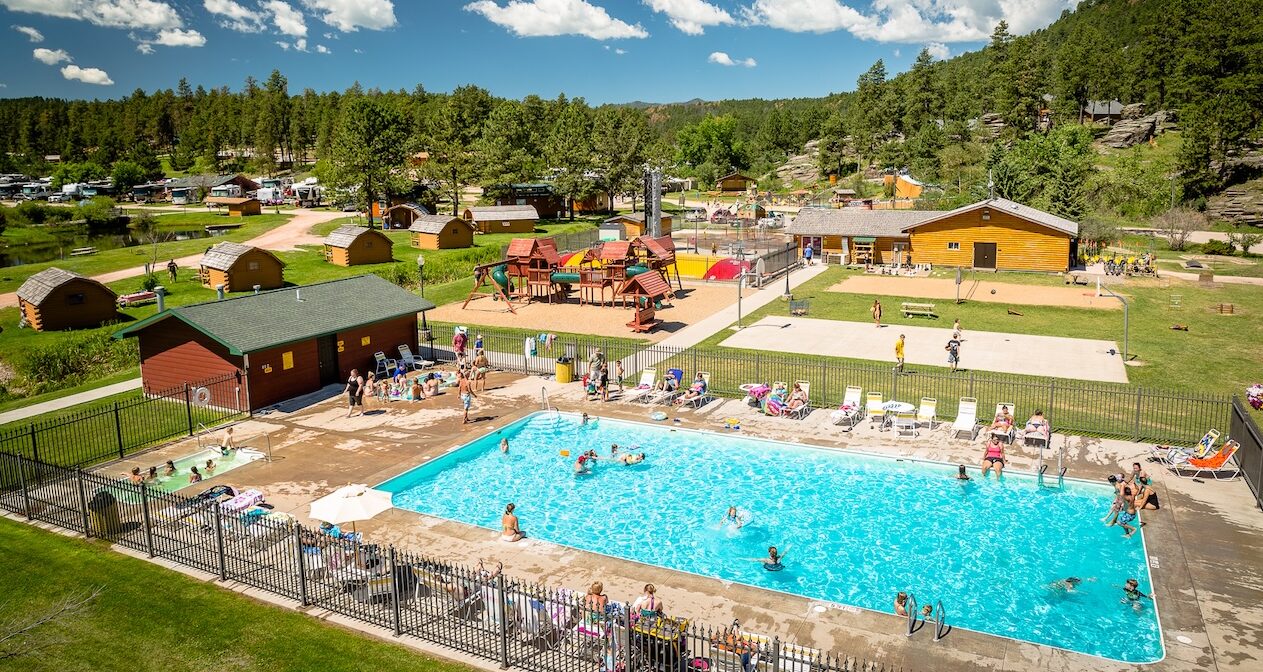
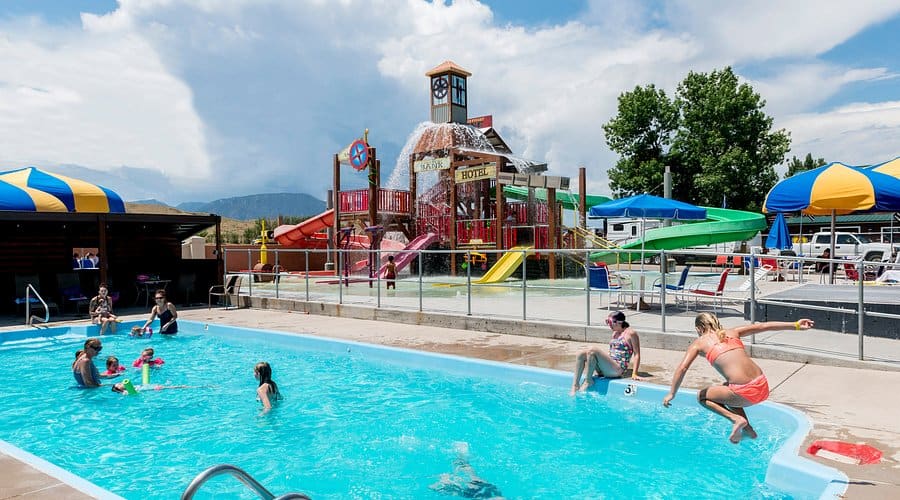
KOA Resort: These are destination-oriented properties where the campground itself is the primary attraction. KOA Resorts feature a high density of luxury amenities, such as resort-style swimming pools, on-site dining options, miniature golf, and supervised children’s programming. These locations are particularly popular among "snowbirds"—retirees who migrate to warmer climates during winter months—and travelers seeking an extended-stay community atmosphere.
Infrastructure and Technical Specifications for RV Sites
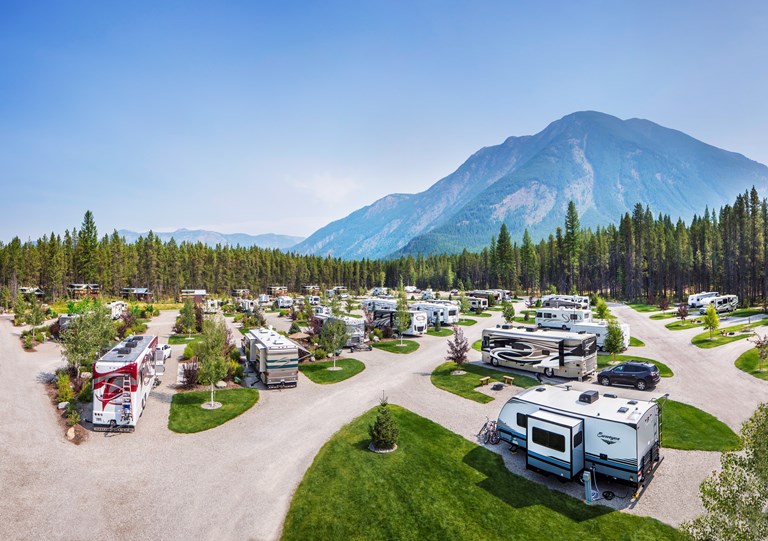
For the modern RVer, the technical specifications of a campsite are as critical as the location itself. KOA has standardized its site offerings to accommodate a wide spectrum of vehicle classes, from Class B camper vans (typically 17–24 feet) to massive Class A diesel pushers that can reach 45 feet in length.
A primary differentiator in site selection is the level of "hookups" provided. A "full hookup" site includes three essential connections: potable water, electricity (ranging from 20 to 50 amps), and a sewer connection. Partial hookup sites generally provide water and electricity but require the use of a centralized "dump station" for waste management. The integration of 50-amp service has become increasingly vital as modern RVs are equipped with multiple air conditioning units, residential-grade appliances, and sophisticated electronic suites that demand significant power draws.
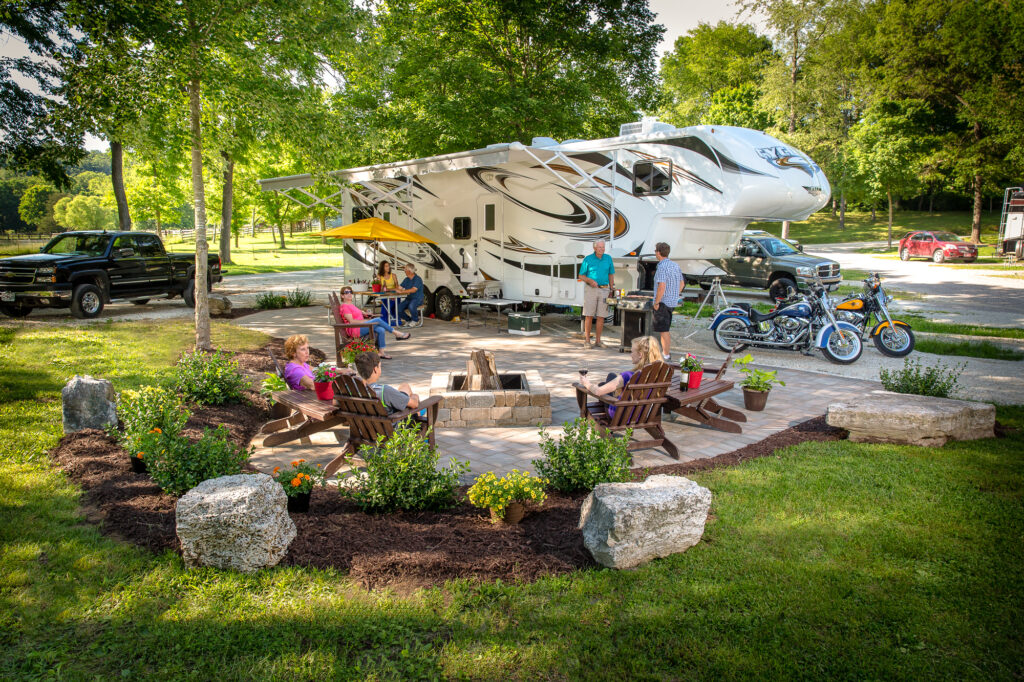
Furthermore, KOA has introduced the "KOA Patio" site, an architectural upgrade to the traditional gravel or grass pitch. These sites feature an extended concrete or paved patio area, high-quality outdoor furniture, and often a dedicated fire pit. This development reflects a broader industry trend toward "glamping" or luxury camping, where the outdoor experience is augmented by high-end physical infrastructure.
The Rise of Pet-Centric Travel and Specialized Amenities
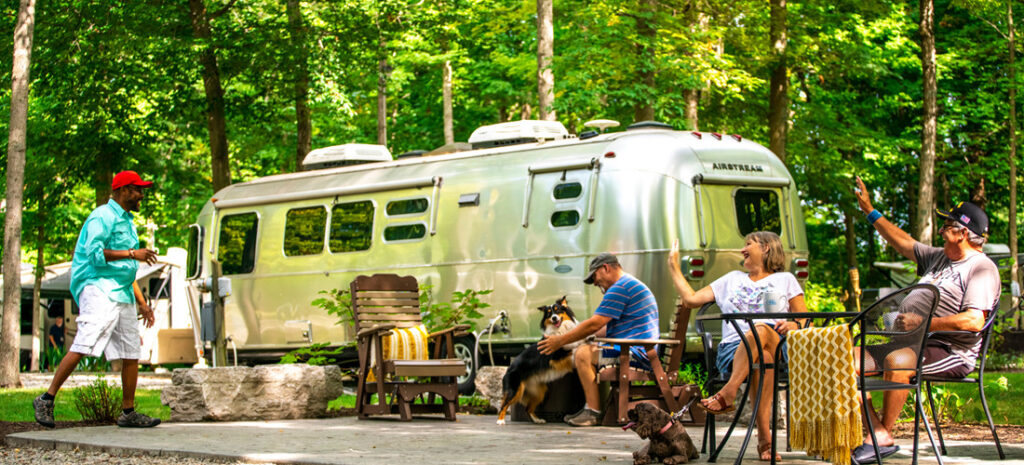
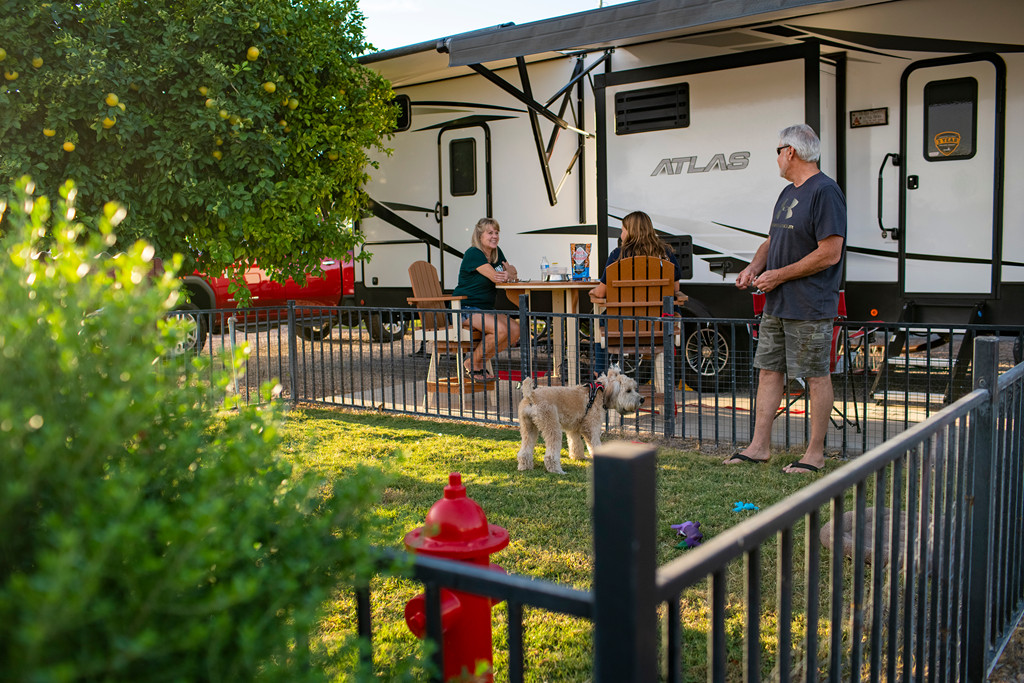
Data from the 2023 North American Camping Report indicates that approximately 43% of RVers travel with pets, a demographic trend that has prompted significant capital investment in pet-friendly infrastructure. KOA’s "KampK9" initiative provides fenced, off-leash dog parks at nearly every location, complete with seating for owners and fresh water stations.
The most recent innovation in this sector is the "KOA Paw Pen" site. These specialized RV pitches include a private, fenced-in area directly attached to the campsite, allowing pets to roam freely in a secure environment without the need for constant leashing. This feature addresses a specific pain point for pet owners and has become a high-demand amenity in the competitive campground market.
Beyond pet services, the amenity package at modern KOA locations includes centralized laundry facilities, which are essential for long-term travelers, and "general stores" that stock everything from RV-specific hardware (such as pressure regulators and sewer hoses) to local artisanal goods.
Digital Integration and the Economics of the Rewards Program
The administrative aspect of RV travel has been significantly streamlined through digital platforms. KOA’s centralized booking system allows for real-time inventory management across its 500+ locations. This transparency is crucial for travelers managing complex itineraries that require guaranteed arrivals.
The "KOA Rewards" program functions as a critical tool for customer retention and market analysis. Members pay an annual fee to receive a 10% discount on nightly rates, but the program’s broader utility lies in its point-accumulation system. Points earned through stays can be redeemed for rewards and future discounts, incentivizing brand loyalty in a market where travelers have numerous independent options. For the operator, this program provides a wealth of data regarding travel patterns, average stay durations, and seasonal fluctuations, allowing for more precise operational planning.
Broader Implications: Health, Economy, and the Environment
The surge in RV camping carries significant implications for public health and regional economies. Research consistently demonstrates that spending time in natural environments reduces cortisol levels, improves sleep quality, and bolsters the immune system. By providing an accessible gateway to nature, KOA and similar organizations play a role in the broader "wellness tourism" sector.
Economically, the RV industry contributes an estimated $140 billion to the U.S. economy annually. Campgrounds serve as economic engines for rural communities, as travelers spend heavily on local fuel, groceries, and attractions. KOA’s presence in smaller municipalities often provides a stable source of tax revenue and employment.
From an environmental perspective, the industry is facing increasing pressure to adopt sustainable practices. Many KOA locations have begun implementing solar energy arrays, water reclamation systems for landscaping, and strict "leave no trace" education programs for guests. As the "Green Global Travel" movement gains momentum, the ability of large-scale campground networks to balance high-capacity tourism with ecological stewardship will be a defining challenge for the next decade.
Future Outlook and Industry Projections
The future of RVing at KOA appears robust, though it is subject to the pressures of fluctuating fuel prices and broader economic cycles. However, the fundamental shift in work culture—specifically the normalization of remote work—has decoupled the camping experience from the traditional one-week vacation model.
Industry analysts expect continued growth in the "work-from-campground" segment, necessitating even more robust digital infrastructure and quiet, workspace-oriented amenities. Additionally, as electric RVs (eRVs) begin to enter the market, the next frontier for KOA will be the widespread installation of high-speed EV charging stations capable of handling the massive battery arrays required for heavy vehicles.
In conclusion, the modern KOA experience is a sophisticated synthesis of 20th-century nostalgia and 21st-century technology. By providing a structured, reliable environment for the 16.9 million North Americans who express an interest in joining the RV community, KOA continues to shape the trajectory of outdoor hospitality in the modern era.

