

A growing body of scientific evidence is challenging the long-held definitions of protein quality, suggesting that a paradigm shift is urgently needed in public health messaging. For decades, the focus on protein quality has been rooted in biochemical analyses, primarily emphasizing the amino acid profile of foods. However, this approach, critics argue, overlooks the broader implications for human health, particularly in industrialized nations where chronic diseases, rather than acute protein malnutrition, pose the most significant public health threats. The prevailing understanding, which often favors animal-derived proteins as inherently superior, may inadvertently steer dietary recommendations away from plant-based sources that are increasingly linked to reduced mortality and improved metabolic health.
The genesis of this critical re-evaluation can be traced to a significant publication in 2019 by Dr. David Katz and colleagues, including prominent researcher David Jenkins. Their seminal work, "A Public Health Case for Modernizing the Definition of Protein Quality," published in the journal Nutrients, meticulously laid out the arguments for updating dietary guidelines. The authors contended that the existing definitions of protein quality, largely driven by the concept of "complete proteins" which are abundant in animal products, do not adequately reflect the complex interplay between diet and long-term health outcomes.
"The current definition of protein quality has remained largely unchanged for decades, with an overemphasis on specific amino acid profiles," stated Dr. Katz in a representative commentary related to the research. "While this biochemical approach is valuable, it falls short when considering the multifaceted impact of protein sources on overall human well-being. In the context of modern public health challenges, we must broaden our perspective to encompass factors beyond mere amino acid completeness."
This perspective challenges the widespread public perception that more protein, particularly from animal sources like meat, eggs, and dairy, is universally beneficial. This belief, often amplified by marketing and ingrained dietary habits, stands in contrast to evolving nutritional science that increasingly advocates for greater consumption of plant-based foods. While severe protein malnutrition, such as kwashiorkor, remains a critical concern in certain parts of the world, the dominant health challenges in developed nations are chronic, non-communicable diseases like cardiovascular disease, type 2 diabetes, and certain cancers.
Landmark Study Links Plant Protein to Reduced Mortality
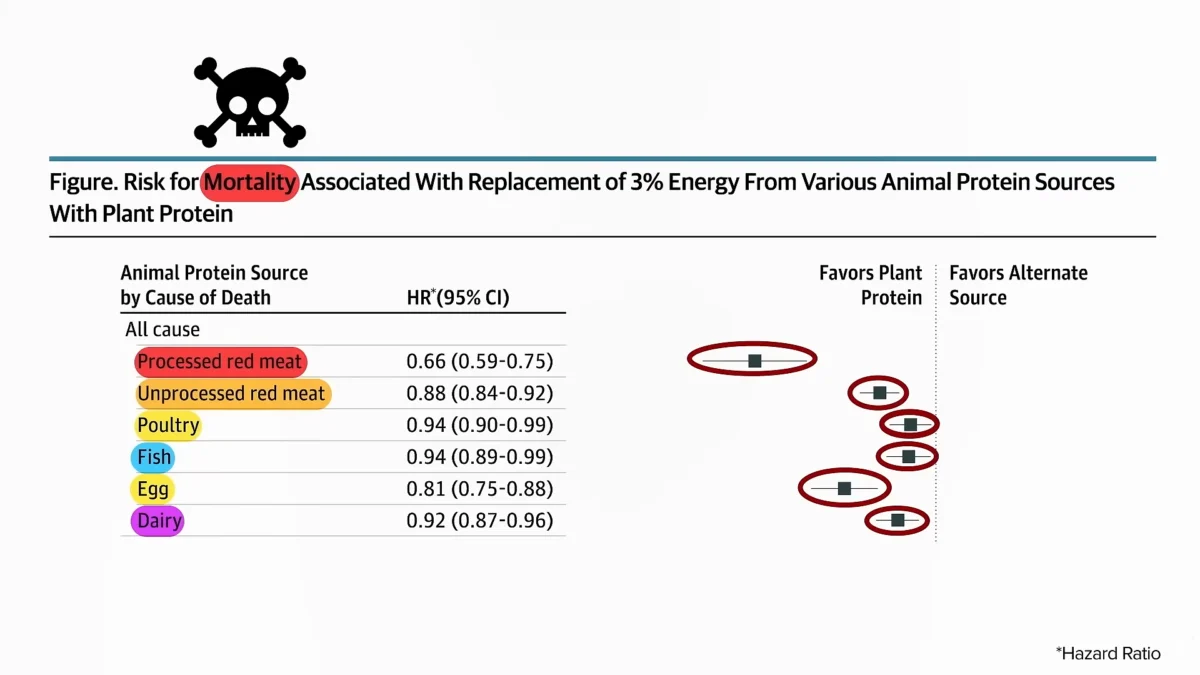
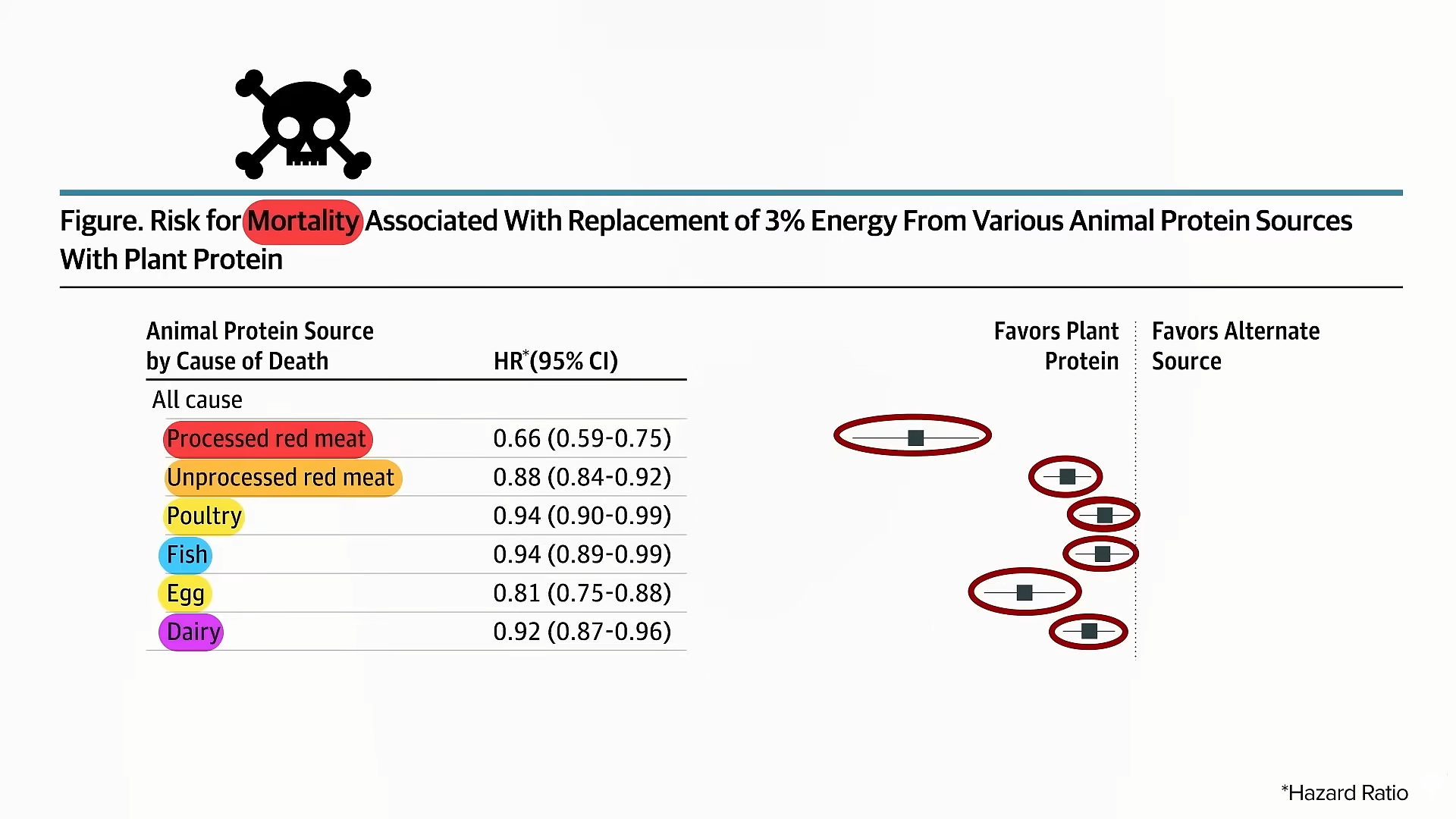
A pivotal moment in this scientific discourse arrived in 2016 with the publication of a large-scale Harvard study. This extensive research, involving over 100,000 participants, provided compelling evidence that substituting animal protein with plant-based protein was associated with a significantly lower risk of premature death. The findings, published in JAMA Internal Medicine, were particularly striking in their implications for everyday dietary choices.
The study indicated that even a modest substitution – replacing just 3% of calories from animal protein with plant protein – was linked to a substantially reduced risk of all-cause mortality. This benefit was observed across various animal protein sources, including processed meats, unprocessed meats, poultry, fish, eggs, and dairy products. The research further highlighted that processed meats and egg protein, specifically egg whites, appeared to be the most detrimental when consumed in place of plant proteins.
"Our findings suggest that dietary choices regarding protein sources have a profound impact on longevity," explained Dr. Frank Hu, a senior author of the Harvard study, in a related press release at the time of publication. "Shifting towards plant-based protein can be a powerful strategy for reducing the risk of premature death, even when maintaining overall protein intake."

This research provided concrete data to support the notion that the quality of protein, as defined by its source and its associated dietary context, is a critical determinant of health outcomes. The study’s robustness, with its large sample size and longitudinal design, lent significant weight to the argument for modernizing dietary recommendations concerning protein.
Unpacking the Biological Mechanisms: Beyond Amino Acids
A crucial question arising from these findings is how the body differentiates between protein from animal and plant sources, and what mechanisms underlie the observed health benefits of plant protein. While protein is fundamentally composed of amino acids, the composition, bioavailability, and accompanying dietary components can vary significantly between animal and plant sources, leading to distinct physiological effects.
Researchers have explored several potential biological pathways to explain these differences. One significant area of focus is the role of branched-chain amino acids (BCAAs), namely leucine, isoleucine, and valine. Animal proteins are generally rich in BCAAs, while plant proteins tend to be lower. Studies, including research published in Cell Metabolism in 2016, have demonstrated that a decreased consumption of BCAAs can lead to improved metabolic health. This suggests that the higher BCAA content in animal proteins might contribute to adverse metabolic effects.
Another compelling hypothesis centers on Insulin-like Growth Factor 1 (IGF-1). IGF-1 is a hormone that plays a crucial role in growth and development, but elevated levels have been implicated in the promotion of certain cancers and chronic diseases, including type 2 diabetes and heart disease. Research has indicated that the intake of "high-quality" animal protein, particularly dairy and red meat, can stimulate IGF-1 production. Conversely, plant-based diets are often associated with lower IGF-1 levels. A 2020 study in JAMA Oncology further solidified the link between IGF-1 and mortality, showing that individuals with naturally higher IGF-1 levels, irrespective of their diet, experienced higher rates of mortality from conditions like type 2 diabetes and heart disease. This suggests a direct mechanistic link between animal protein consumption, IGF-1, and increased disease risk.
Furthermore, the accumulation of environmental toxins presents another potential factor. Pollutants such as dioxins and polychlorinated biphenyls (PCBs) are known to bioaccumulate in fatty tissues and move up the food chain. Consequently, animal products like meat, dairy, and fish can harbor higher concentrations of these harmful compounds compared to plant-based foods. A 2020 review in the International Journal of Molecular Sciences posited that reducing animal protein intake could therefore lead to a lower body burden of these dietary pollutants, contributing to improved health.
Large-Scale Cohort Studies Reinforce the Message
The findings from the Harvard study were not isolated. The U.S. National Institutes of Health-AARP Diet and Health Study, one of the largest cohort studies ever conducted, further corroborated the benefits of plant-based protein. This massive study, encompassing approximately 400,000 participants, yielded similar conclusions: substituting even a small percentage of animal protein calories with plant protein was associated with a notable reduction in overall mortality.
Specifically, the study found that replacing 3% of calories from animal protein with plant protein was linked to a 10% lower risk of death. The benefits were even more pronounced when egg consumption was also reduced. This aligns with other research, such as a 2019 study in the American Journal of Clinical Nutrition, which linked higher egg consumption to an increased risk of cardiovascular disease.
When data from multiple large-scale studies on dietary protein intake and mortality are aggregated, a consistent pattern emerges. Individuals who consume higher amounts of protein, particularly from animal sources, tend to have shorter lifespans. Conversely, higher intake of plant protein is consistently associated with a reduced risk of mortality. This inverse relationship highlights the critical distinction between different protein sources and their differential impact on human health and longevity.
Implications for Public Health Policy and Individual Choices
The scientific consensus is increasingly pointing towards a fundamental redefinition of "protein quality" that prioritizes health outcomes over purely biochemical metrics. This has significant implications for public health campaigns, dietary guidelines, and individual food choices.
Broader Impact and Implications:
- Dietary Guidelines: Current dietary guidelines may need to be revised to more explicitly emphasize the benefits of plant-based protein sources and to temper the long-standing promotion of high animal protein intake. The "modernized" definition of protein quality should guide these updates, focusing on reducing the risk of chronic diseases.
- Public Health Messaging: Public health initiatives can leverage this evidence to educate the population about the advantages of incorporating more plant-based proteins into their diets. This includes promoting legumes, nuts, seeds, and whole grains as excellent protein sources.
- Healthcare Provider Education: Healthcare professionals, including doctors and dietitians, require updated training and resources to effectively counsel patients on protein choices, moving beyond the traditional focus on amino acid profiles to incorporate the broader health impacts.
- Food Industry Innovation: The food industry may see continued innovation in plant-based protein products, driven by consumer demand for healthier and more sustainable options.
Official Responses and Expert Commentary:
While formal policy changes take time, scientific bodies and public health organizations are beginning to acknowledge the evolving evidence. Leading nutrition societies are actively reviewing and discussing the implications of these findings. Organizations like the Academy of Nutrition and Dietetics, which sets standards for registered dietitians, are likely to incorporate these advancements into their educational materials and recommendations over time.
"The research on protein sources and health outcomes is robust and continues to grow," commented a representative from a major public health advocacy group, speaking anonymously due to ongoing policy discussions. "We are actively monitoring these developments and considering how to best translate this scientific understanding into actionable public health strategies. The emphasis on whole, plant-based foods as a cornerstone of a healthy diet is becoming increasingly undeniable."
The Path Forward: Prioritizing Plant-Based Protein
The overwhelming evidence suggests that the optimal approach to protein intake for long-term health and longevity in industrialized societies is to increase the consumption of plant-based proteins while moderating the intake of animal proteins. This is not an argument for eliminating animal products entirely, but rather for rebalancing dietary patterns to favor plant sources.
As one meta-analysis concluded, "Persons should be encouraged to increase their plant protein intake to potentially decrease their risk of death." This simple yet profound recommendation encapsulates the current state of scientific understanding. By embracing a modernized definition of protein quality that accounts for its complex impact on human health, individuals and public health systems can work towards mitigating the burden of chronic diseases and fostering longer, healthier lives.
The discussion also extends to other related nutritional concepts. For instance, the benefits observed from calorie restriction are now being re-examined, with some researchers proposing that a significant portion of these benefits may stem from a reduction in animal protein intake rather than calorie reduction alone. Similarly, understanding the role of branched-chain amino acids is crucial for those seeking to optimize metabolic health. Furthermore, the long-standing myth of needing to meticulously combine plant proteins at every meal to achieve a "complete" protein profile has been debunked by numerous studies, affirming that a varied plant-based diet provides all necessary amino acids throughout the day. The question of adequate protein intake for vegetarians and vegans has also been extensively studied, consistently showing that well-planned plant-based diets can readily meet protein requirements. Finally, the healthfulness of popular plant-based meat alternatives continues to be a subject of ongoing scientific inquiry and public interest, adding another layer to the evolving landscape of dietary protein.

