

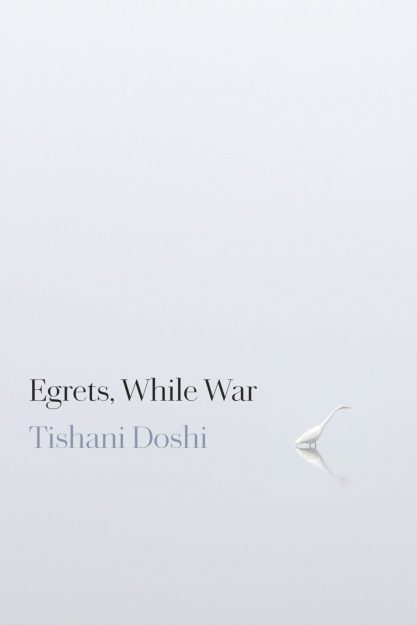
Poet and dancer Tishani Doshi’s latest collection, Egrets, While War, published by Copper Canyon Press in 2026, offers a profound exploration of existence, weaving together themes of aging, desire, disenchantment, and the enduring human spirit. Drawing inspiration from the seemingly enigmatic world of birds, Doshi delves into the complexities of our shared planet, examining the delicate balance between beauty and violence, extinction and survival, and the persistent echoes of the past in our present realities. The collection, featuring five poignant poems, uses avian imagery as a powerful metaphor to contemplate the mysteries and anxieties of the modern world.
Doshi, a celebrated voice in contemporary poetry, explained her fascination with birds in a recent interview with the Hindustan Times. “Of all the creatures we share the planet with, birds seem to me utterly unknowable,” she stated. “Lion, beetle, bandicoot—somehow, I can imagine my way into them, perhaps because of their terrestrial nature. But with birds, there is this magical quality of flight. Most birds occupy the realm of sky, and this wingedness is a marvel.” This sense of wonder and the inherent unknowability of flight form a crucial undercurrent throughout Egrets, While War, prompting readers to consider perspectives beyond the grounded, familiar.
The collection’s title itself, Egrets, While War, encapsulates Doshi’s central thematic concern: the simultaneous existence of profound beauty and brutal conflict. The comma, as Doshi describes, acts as a “hinge between beauty and horror, the dichotomies of living.” This deliberate placement underscores her artistic philosophy of resisting simplistic binaries and instead embracing the inherent messiness and contradiction of human experience. The poems navigate this liminal space, presenting a nuanced view of the world where moments of breathtaking wonder can coexist with visions of present and future apocalypse.
A Tapestry of Avian Inspiration and Existential Inquiry
Egrets, While War is not merely a collection of nature poems; it is a philosophical inquiry framed by the natural world. Doshi employs a range of poetic forms and subjects, from sonnets dedicated to extinct species like the dodo and the passenger pigeon, to explorations of historical artistic movements such as the 10th-century tantric school of poets known as mattamayura, or drunken peacocks. These diverse focal points serve to highlight the pervasive nature of loss and the enduring quest for meaning and resilience.
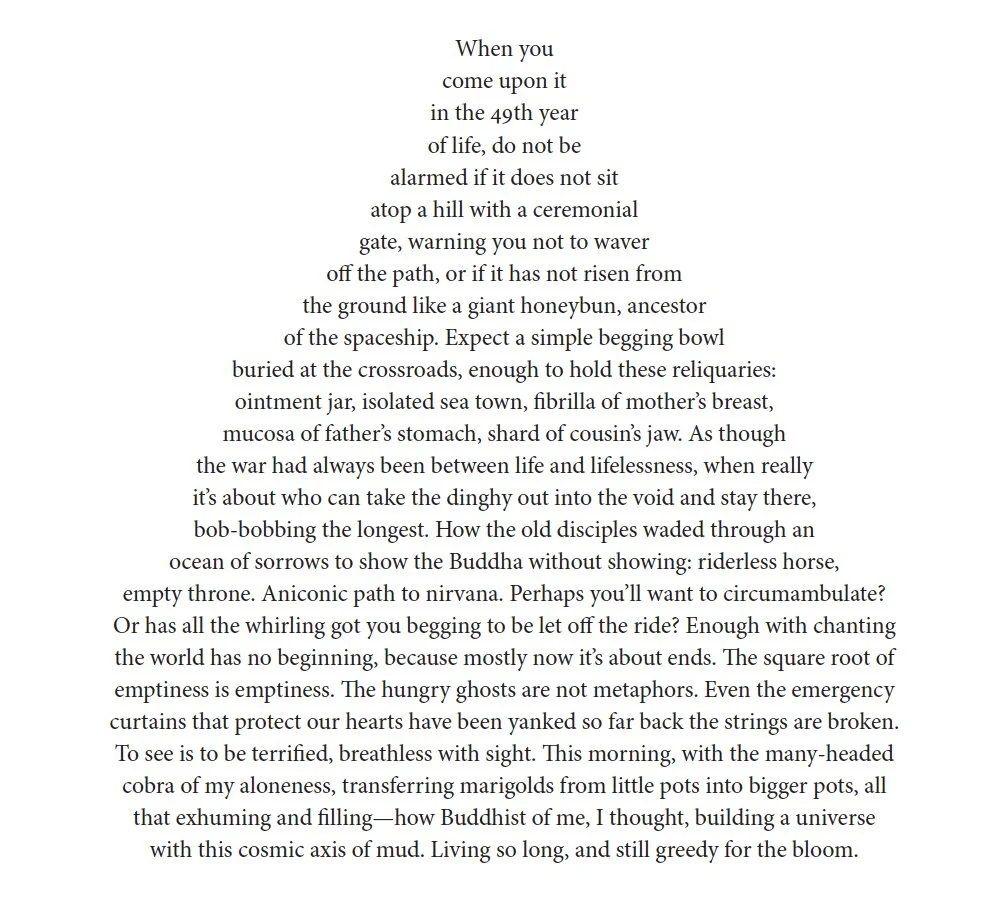
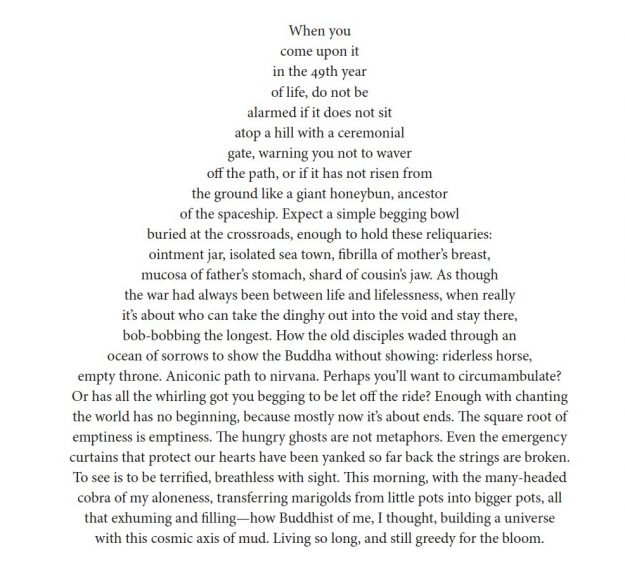
The poem "A Stupa for the 49th Year of Life" suggests a personal turning point, possibly reflecting on a significant birthday or a phase of introspection. While the text of the poem is not provided in this excerpt, the title itself evokes themes of spiritual reflection, impermanence, and the accumulation of life experiences, often associated with Buddhist philosophy and practices like the construction of stupas. At 49, an individual often stands at a threshold, contemplating the past and future, a sentiment that resonates with the broader themes of the collection.
"Wasps at the Faucet": A Microcosm of Conflict and Persistence
One of the collection’s featured poems, "Wasps at the Faucet," offers a stark and immediate portrayal of persistent conflict. Doshi vividly depicts a scene in February where wasps, driven by an instinct to cool their nests, engage in a dangerous endeavor at a water source. The poet’s interaction with them, characterized by a defensive gesture with a broom, transforms the natural act into a symbolic battleground. “It is a dance we do—me with a broom, / thrusting it between them as though / it were a pitchfork on fire,” she writes. The wasps’ “brief / confusion on the battlefield before / surging forward again” mirrors the relentless nature of both natural instincts and human struggles.
The poem then pivots to a more philosophical reflection on detachment and sorrow: “If only we could / turn away from each other in disenchantment, / renounce our harvest of sorrows.” However, Doshi immediately counters this desire for escape with the stark reality of existence: “But here / is the world, egging us on with acres of low / grass, the beginnings of a silver tooth / of moon.” The poem concludes with a stark choice, a call to action within the fleeting nature of time: “Retreat, attack, on your knees. / This is your husk of time, decide. / In the scattering between thirst / and death, what will it be?” This powerful imagery compels readers to confront their own agency and the fundamental choices that define a life. The poem’s imagery of wasps in February, a time typically associated with dormancy in many climates, adds an element of unexpected vitality and struggle, underscoring the pervasive nature of conflict even in seemingly quiet periods.
"The School of Drunken Peacocks": Emptiness, Eternity, and the Power of Shrinking Moments
"The School of Drunken Peacocks" delves into the philosophical concept of emptiness and the human yearning for eternity, drawing parallels between ancient wisdom and contemporary anxieties. Doshi reflects on the ephemeral nature of truth, finding it in unexpected places: “Morning on the beach, and nothing / in the world feels true, except for the dog / charging into this muster of peacocks.” The poem references old poets who questioned the endurance of the heart against the backdrop of countless sunsets, recognizing that “emptiness. How it lurks around / the visible world. Vanishing, then reappearing, / like a pebble in your shoe.”
The poem further explores how different individuals perceive eternity, whether in the "water of a cow’s hoofprint" or the "eye / of a glassy bead." It then shifts to a striking image of a moray eel, a creature seemingly declaring "The Singularity / Is Near" before its encounter with a fisherman. This juxtaposition of cosmic pronouncements with mundane violence highlights the unpredictable nature of existence. The poem’s imagery of "starlings drink[ing] from wide / pink saucers, gem-studded petals, mighty / cupbearers!" within an "inebriated tree" captures moments of fleeting, intoxicating beauty. Doshi suggests that for those living within the confines of time, the power lies in "to shrink these moments. Smaller, / smaller, until those moments live in us." The poem concludes with a poignant personal reflection: "I was a girl once, thirsty-lipped squab, skittering / around for a place of her own. The past is the only / immortality we can claim. Some nights, / when the disk of moon is full, I understand." This personal connection anchors the philosophical reflections in lived experience, suggesting that memory and personal history offer a form of enduring legacy. The reference to the "School of Drunken Peacocks" itself alludes to a historical artistic or philosophical tradition, adding layers of cultural and intellectual context to the poem’s exploration of perception and transcendence.
"Egrets, While War": Ancestral Echoes and the Imperative to Persevere
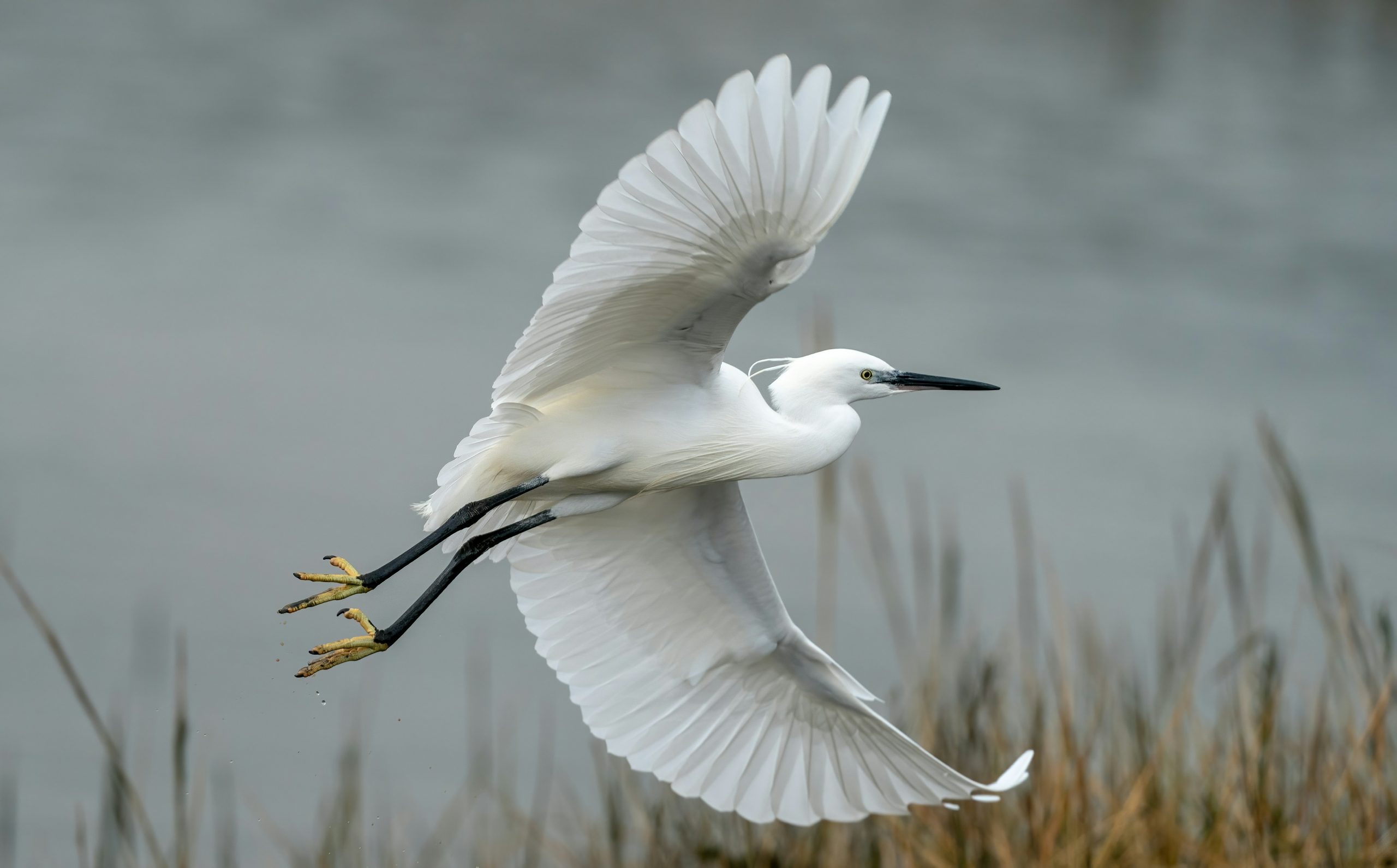
The titular poem, "Egrets, While War," directly confronts the coexistence of serene natural beauty and devastating human conflict. Doshi observes egrets in her garden, describing them as "feathered dinosaurs flown in through a hole / from the past." This imagery connects the present moment to deep geological time and the evolutionary journey of life. Simultaneously, the poem acknowledges the ongoing reality of war: "Somewhere, a city under siege / remains sleepless. The dirge of loss recovery / loss loss loss continues." The poet’s personal response to images of distant suffering is one of profound empathy: "I cannot say / why other people’s family portraits fill me / with such tectonic longing."
This longing is further explored through the metaphor of ancestral transformation: "Ancestors / who stepped from ocean to land, shedding fin, / tail, gill, to transform into a symphony / of great-aunts and -uncles." The poem suggests that remnants of our primal selves, our "dispossession," are embedded within us as "bony-plated language, / heart scarab." Despite the weight of history and the pervasive threat of destruction, Doshi asserts the necessity of moving forward: "Our task is to march on. To rise / and leave the apple orchard, throw stones / at marauders who threaten to tear up / the carpets." The poem acknowledges the inevitable cycle of destruction and rebirth, as "spring carries on with its hedonism" even as personal loss unfolds. The closing lines, "But here, the earth / remains leashed to mystery—clay fingerprint, / fragment of jaw. The sea retracts her tongue / like a warning. Winged creatures lurch / and soar. Whiteness, then vanishing," leave the reader with a sense of awe, mystery, and the recurring pattern of emergence and disappearance. The mention of "loss recovery" as a "dirge" points to the potential for systemic, almost procedural responses to tragedy that can nonetheless feel deeply personal and unending.
"I Am the Last Poet of the Village": A Lament for Lost Ways of Life
Concluding the collection, "I Am the Last Poet of the Village," a poem dedicated to Sergei Yesenin, offers a poignant lament for a fading way of life and the artist’s role in preserving memory. Doshi identifies as the final voice of a disappearing rural tradition, singing of "the gloom of late afternoon, / the love-sulk of dusk." The poem expresses a longing for a different existence, perhaps a more elemental or spiritual one: "Feel my amphibian / skin. Tell me how the next life will be filled / with jars of barley."
The poet acknowledges her inability to halt the forces of change: "I can lay down my scythe / to calm the storms, but the storms have their own / homelands to get to." The poem becomes an act of bearing witness, urging the reader to record the decline of a world where "everything that was golden-hued / is going or gone." The image of breaking dams, "lonely / like the rest of us," resonates with a sense of shared vulnerability. The poet’s final wish, that her "belly is full" when she is found, is a plea for recognition of their past abundance and resilience: "we believed in the harvest. We, who wove / baskets for fish and guided our loves to sanctuary / in the dirt with deer-tooth necklaces; / who carried poems in our pockets / as though they were tiny scepters, / keys to a radiant palace." This powerful closing statement elevates poetry and simple acts of living to the status of sacred artifacts, capable of unlocking profound meaning and offering solace in the face of impermanence. The imagery of "deer-tooth necklaces" and "baskets for fish" paints a vivid picture of a life deeply connected to the natural world, where practical skills and spiritual beliefs were intertwined.
Broader Implications and Artistic Significance
Tishani Doshi’s Egrets, While War arrives at a time when global concerns about environmental degradation, social upheaval, and existential threats are increasingly prevalent. The collection’s ability to articulate these anxieties through the lens of avian observation and personal reflection offers a unique contribution to contemporary literature. Doshi’s assertion that "Writing a poem can be a hugely optimistic act" underscores the belief in art’s capacity to foster connection and resilience. By embedding moments of profound beauty and ancient wisdom within narratives of conflict and loss, she provides a framework for understanding and navigating the complexities of our era.
The book’s publication by Copper Canyon Press, known for its commitment to poetry that engages with pressing social and environmental issues, further solidifies its place within a significant literary conversation. Egrets, While War is not simply a collection of poems; it is an invitation to engage with the world more deeply, to find wonder in the face of despair, and to recognize the enduring power of the human spirit to persist, even as the world around us transforms. The poems serve as vital artifacts, capturing the essence of our current moment while offering timeless insights into the human condition. The ongoing dialogue between scientific observation and poetic interpretation, exemplified by Doshi’s fascination with birds, continues to push the boundaries of literary expression, reminding us of the interconnectedness of all life and the profound beauty that can be found even amidst the cacophony of existence.

