


The issue of weight bias and discrimination, as explored in this report, is a sensitive and deeply troubling one, potentially impacting readers who have experienced or witnessed such prejudice.
The complex relationship between stress, weight, and societal attitudes is illuminated by compelling research, revealing a potentially vicious cycle where weight stigma exacerbates obesity and leads to significant health detriments independent of body mass. While extreme fasting can markedly elevate cortisol levels—the body’s primary stress hormone—by as much as doubling within five days, ordinary dieting alone does not appear to trigger such a pronounced stress response. However, the insidious nature of weight stigma introduces a potent factor that can initiate and perpetuate a detrimental feedback loop between stress and obesity.
The Pervasive Impact of Weight Stigma
Longitudinal studies involving thousands of individuals tracked over four years have provided stark evidence of this phenomenon. Those who reported experiencing discriminatory behavior related to their weight demonstrated more than double the likelihood of becoming obese. For individuals who were already obese at the outset of the study, the odds of remaining obese increased by over three times compared to their counterparts of similar initial weight who did not face such discrimination. This heightened risk can be attributed to a dual mechanism: stress-induced overeating, a common coping mechanism for emotional distress, and the avoidance of physical activity stemming from stigma.
Individuals who frequently experience weight stigma often report a profound reluctance to engage in public exercise, driven by feelings of judgment and embarrassment. This fear of being perceived as "too fat to exercise" is not unfounded. Research has consistently documented strong anti-fat biases among fitness professionals and regular gym-goers alike, creating an unwelcoming and intimidating atmosphere within health and fitness centers. This environment can deter individuals from seeking crucial opportunities for physical activity, further contributing to weight gain and associated health issues.
Health Consequences Beyond Weight Gain
The ramifications of weight stigma extend far beyond any potential increase in body weight. Individuals who face more frequent weight-based discrimination exhibit a higher prevalence of adverse health outcomes, even when controlling for their weight status. These include elevated levels of depression, increased inflammation, heightened oxidative stress, and a demonstrably shorter lifespan. Two extensive studies, collectively following nearly 20,000 participants, found a significant correlation between experiencing weight-based discrimination and an approximately 50% increase in mortality risk. This suggests that weight discrimination itself may be a direct contributor to reduced life expectancy, independent of other health factors.
The Controversial Debate on Stigmatization
Despite the clear evidence of harm, a segment of academic discourse has advocated for the strategic use of weight-related shaming as a public health intervention. Notably, the President Emeritus of the Hastings Center, a prominent bioethics think tank, controversially proposed a form of "stigmatization lite." This approach aimed to leverage social pressures to encourage weight loss without resorting to overt discrimination, arguing that such tactics could counterbalance the pervasive influence of billions of dollars in annual advertising by the food and beverage industries.

The rationale draws parallels to successful public health campaigns that targeted tobacco use. The argument posits that social stigmatization transformed cigarette smoking from a perceived bad habit into a reprehensible behavior, proving as persuasive as health warnings for some individuals. The success in curbing tobacco use through societal disapproval is often cited as a precedent for applying similar strategies to address obesity.
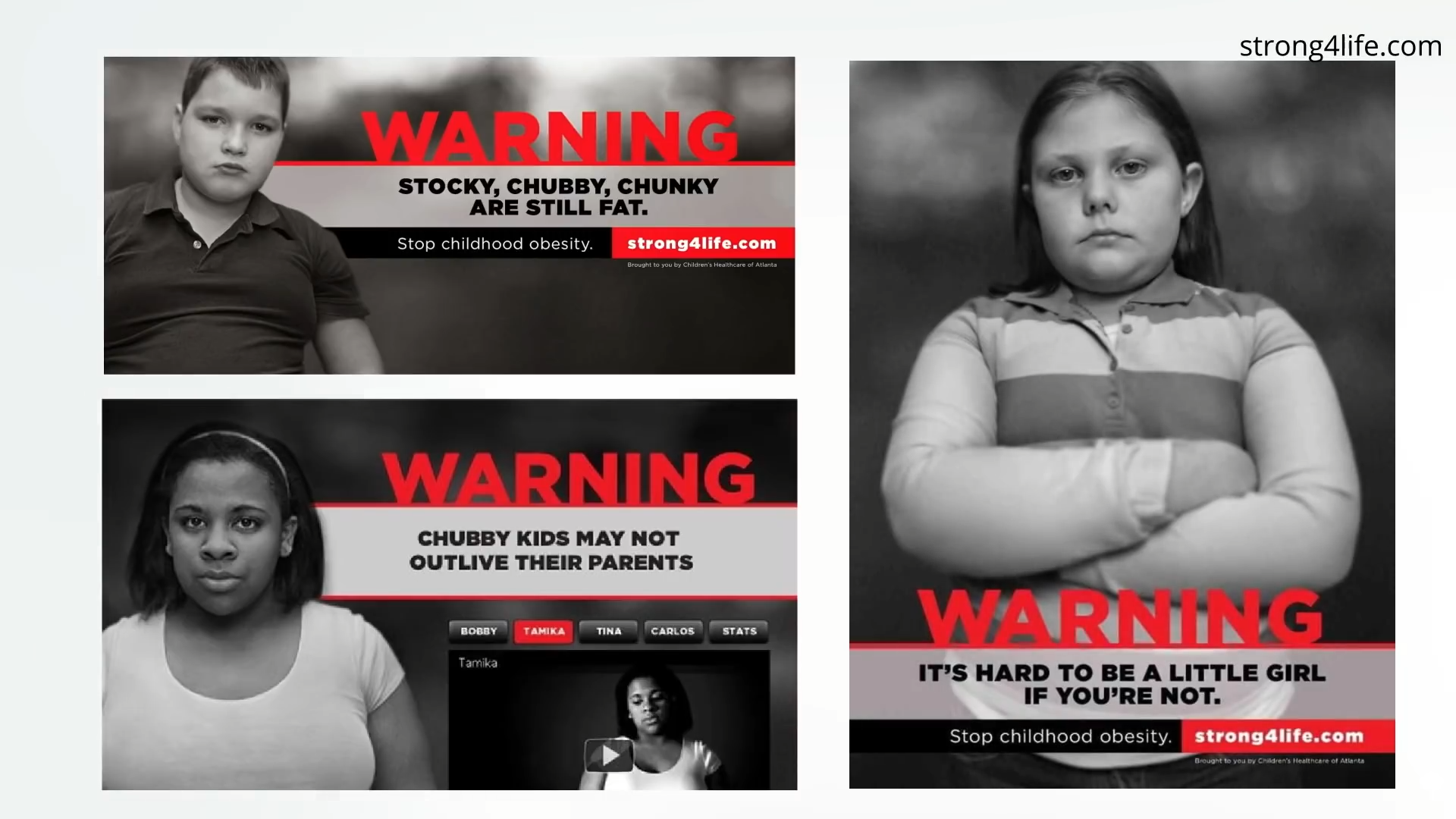
However, attempts to implement such campaigns have often met with significant public backlash. For instance, Georgia’s "Strong4Life" campaign, which featured billboards with stark messages about the potential health consequences for overweight children, such as "Warning: Chubby kids may not outlive their parents," was defended by its sponsors as a necessary measure to break through widespread denial in a state with high childhood obesity rates. Yet, the effectiveness and ethical implications of such fear-based messaging remain subjects of intense debate.
The Paradoxical Effect of Stigma on Eating Behaviors
Research has shed light on the complex and often counterproductive psychological effects of weight stigma, particularly concerning eating habits. A study conducted by Yale researchers involved normal-weight women who were presented with snacks after viewing either stigmatizing clips depicting stereotypes associated with obesity or neutral insurance commercials. The results indicated no significant difference in their food consumption.
However, when overweight women were subjected to the same experimental conditions, a striking difference emerged. After viewing clips that reinforced negative stereotypes about weight, these women tripled their calorie intake from the provided snacks compared to when they watched neutral content. This finding directly challenges the notion that pressure to lose weight through stigma acts as a motivating factor. Instead, it suggests that such exposure can trigger emotional eating and lead to increased calorie consumption, potentially exacerbating weight concerns. The researchers concluded that weight stigma could, in fact, "make matters worse," directly undermining the intended positive impact of public pressure.
Furthermore, studies have indicated that being labeled as "too fat" during childhood is associated with a higher risk of becoming obese later in life, even when compared to children of the same weight who were never subjected to such labels. This suggests that the psychological impact of early stigmatization can have long-lasting consequences on an individual’s relationship with their body and weight.
The Healthcare System’s Role and Reluctance
Despite the growing understanding of weight stigma’s detrimental effects, a significant disconnect appears to exist within the healthcare system regarding how to address patient weight. In a phenomenon mirroring veterinarians’ reluctance to inform pet owners about their animals’ obesity, fewer than a quarter of parents of overweight children report being told by pediatricians about their child’s weight status. This reticence is particularly concerning, as parental perception of a child’s weight can be inaccurate. A Gallup survey revealed that parents are "notoriously poor judges of their children’s weight," and this lack of direct communication from healthcare professionals may contribute to a societal "mass delusion" regarding the escalating weight problem in the United States.
The reluctance of physicians to discuss weight with patients is multifaceted. Some physicians, particularly those who are themselves overweight, may be less inclined to address the topic of weight loss with their patients or even document obesity in their medical records. This hesitancy can be influenced by a desire to avoid potential patient discomfort or by a perceived lack of effective strategies to offer. Ironically, overweight patients have reported trusting dietary advice from overweight doctors more than from those of normal weight, suggesting a potential for shared understanding.
However, primary care physicians often report a lack of specific guidance and insufficient time and reimbursement to adequately address weight management with their patients. The general advice to "watch what they eat" is often perceived as unhelpful, and many physicians may not even offer this level of direction. There is a growing sentiment among some commentators that healthcare systems should incentivize physicians to refrain from victim-blaming and instead focus on supportive, evidence-based interventions. The assertion that "If shaming reduced obesity, there would be no fat people" underscores the sentiment that punitive approaches are ineffective and potentially harmful.
The Lived Experience: A Stark Perspective on Obesity
To further illustrate the profound challenges faced by individuals living with obesity, a study involving 47 individuals who had successfully lost and maintained over 100 pounds offers a unique and compelling perspective. These participants, having experienced morbid obesity and subsequently achieved significant weight loss, were asked to reflect on their experiences and make a hypothetical choice: to remain morbidly obese indefinitely in exchange for a couple of million dollars, or to be normal weight regardless of financial gain.
An overwhelming majority of the participants, 46 out of 47, unequivocally chose to be normal weight, stating it would have taken them "one second to decide." None opted to remain morbidly obese, even with the prospect of immense wealth. This striking preference highlights the personal burden and perceived undesirability of living with extreme obesity.
The study then posed a more provocative question, comparing obesity to other disabilities. Typically, individuals tend to prefer their existing disabilities due to familiarity and established coping mechanisms. However, the formerly obese participants exhibited a starkly different response. Every single individual stated they would rather live with deafness, dyslexia, diabetes, severe acne, or heart disease than remain obese. More than 90% expressed a preference for leg amputation, and a similar proportion would rather be legally blind than be obese.
This near-universal desire to switch from obesity to other serious health conditions is unprecedented. It suggests that, for many, the lived experience of obesity is more challenging and stigmatizing than numerous other debilitating conditions. The poignant observation from one participant, "When you’re blind, people want to help you. No one wants to help you when you’re fat," encapsulates the profound societal judgment and lack of support often associated with obesity.
Conclusion and Broader Implications
The evidence presented underscores the critical need to address weight stigma as a significant public health issue. The cycle of discrimination, stress, and weight gain, coupled with the direct health consequences of stigma, necessitates a shift in societal attitudes and healthcare practices. Moving forward, efforts should focus on fostering empathy, promoting evidence-based interventions, and creating supportive environments that empower individuals rather than stigmatize them. The insights gained from those who have navigated the challenges of obesity offer invaluable lessons for developing more effective and compassionate approaches to weight management and overall well-being.
Previous installments in this series, including "Weight Bias in Health Care," delve further into these critical issues, drawing from extensive research and the author’s comprehensive book, How Not to Diet.

