

Weight stigma, often described as the last socially acceptable form of bias, is a pervasive issue characterized by widespread discrimination and stereotyping directed at individuals with higher body weights. This deeply ingrained prejudice manifests in numerous ways, impacting daily life, employment opportunities, and critically, access to and quality of healthcare. While often dismissed as mere perception, compelling research and anecdotal evidence paint a stark picture of a society grappling with deeply entrenched anti-fat attitudes.
The Scope of Daily Stigma
The lived experiences of overweight individuals are frequently punctuated by instances of stigmatization. A study involving fifty overweight women who meticulously documented their encounters with weight bias over a single week revealed a staggering reality: more than a thousand instances of stigmatization were recorded. This equates to an average of three instances per day for each participant. These experiences range from overt harassment, such as verbal insults and name-calling, to encountering physical barriers like inadequate seating in public spaces. Furthermore, many report experiencing perceived poorer service in commercial establishments, suggesting a conscious or unconscious bias influencing interactions.
While women appear to bear a disproportionate burden of this stigma, obese men are not immune. However, they report approximately three times less discrimination than women of similar weight, with instances potentially occurring on a daily basis rather than multiple times a day. This gender disparity highlights the complex and multifaceted nature of weight bias, suggesting that societal perceptions and expectations differ based on gender.
Employment and Societal Perceptions
The impact of weight stigma extends into the professional realm, significantly affecting employment opportunities. Research employing professional actors, who were theatrically made to appear overweight, demonstrated a clear pattern of discrimination. These actors, when presenting as overweight, faced considerably more rejection and negative evaluations compared to when they appeared at their normal weight. This employment bias was found to be particularly pronounced against overweight women, further underscoring the gendered nature of this discrimination.
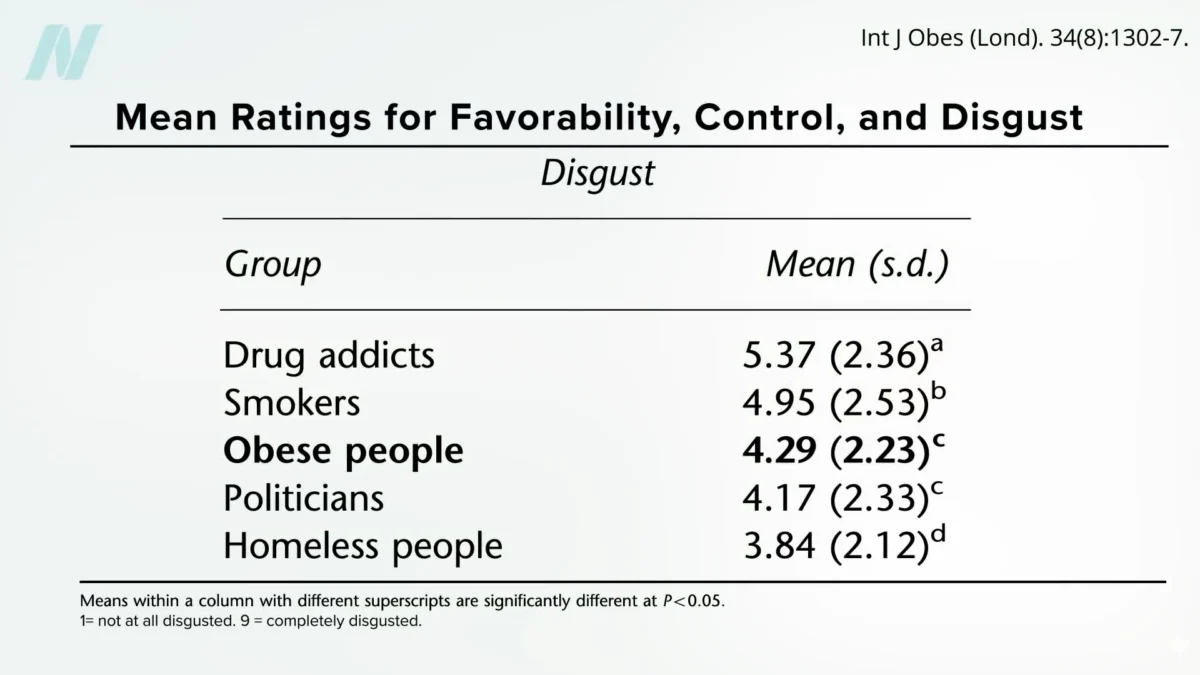
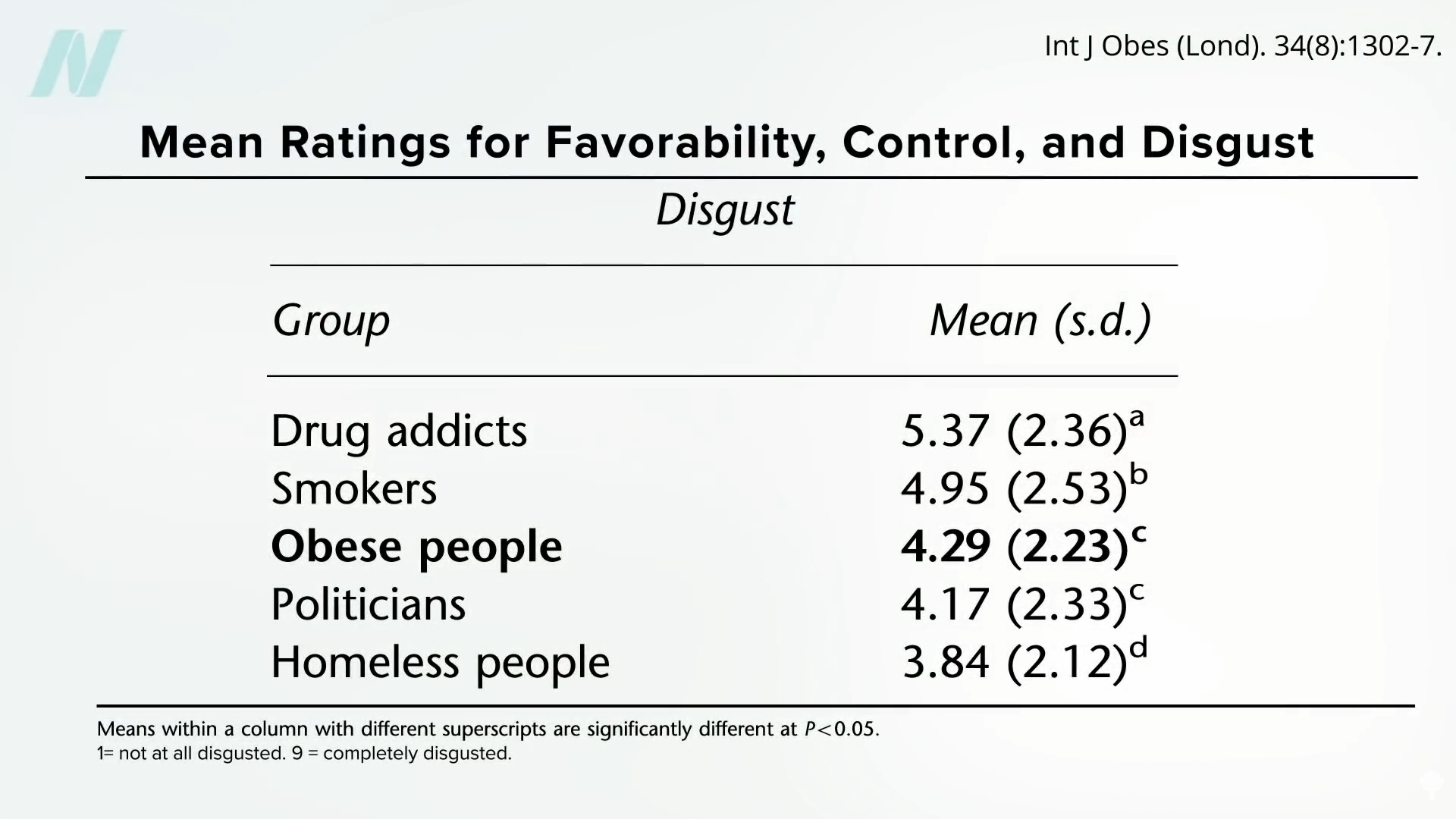
Beyond the workplace, societal attitudes towards individuals with higher body weights are often unflattering. When comparing 16 different stigmatized social groups, including those experiencing homelessness, a striking finding emerged: only drug addicts and smokers were perceived as more "disgusting" than obese individuals. This comparison, though stark, reveals the deeply negative societal judgment associated with obesity. Interestingly, in this same study, obese individuals were rated as equally disgusting as politicians, indicating a broad societal distrust or disdain that transcends specific demographics.
The Deep Roots of Weight Stigma: From Childhood to Adulthood
The seeds of weight stigma are sown at a remarkably young age. Research indicates that children as young as three years old can internalize negative stereotypes, describing overweight peers as "mean," "stupid," "lazy," and "ugly." These negative perceptions tend to intensify with age, suggesting that societal conditioning begins early in life.
Historical studies have consistently highlighted this enduring prejudice. A landmark study conducted in 1961 involved children from diverse social, cultural, and ethnic backgrounds being shown pictures of various children and asked to rank their preferences. The images included children with physical disabilities and an obese child. In every group tested, the obese child was consistently ranked last, indicating a deep-seated aversion.
Alarmingly, a follow-up study conducted 40 years later revealed that the situation had worsened. The title of this study, "Getting Worse: The Stigmatization of Obese Children," directly reflected its findings: the obese child was liked even less than in the original 1961 study. This trend mirrors broader societal shifts, with national surveys recording a nearly 70% increase in perceived weight discrimination since the mid-1990s. This escalating discrimination suggests a societal hardening of attitudes rather than an improvement in understanding or acceptance.
Institutional and Familial Bias
The problem is not confined to peer interactions; it permeates various influential institutions and even family dynamics. A significant proportion of teachers and school staff surveyed expressed the belief that becoming obese is "one of the worst things that could happen to a person." This sentiment among educators can inadvertently influence how children are treated in educational settings, potentially perpetuating stigma.
Furthermore, parental attitudes can also exhibit bias. In some instances, parents have been observed to provide less support for their overweight daughters’ college aspirations compared to their thinner siblings. This form of discrimination, occurring within the family unit, is particularly poignant. As noted by prominent obesity researchers, "It is strong prejudice indeed when parents discriminate against their own children," highlighting the profound impact of such bias within the closest relationships.
The Healthcare Disconnect: Bias Within the Medical Profession
Perhaps one of the most concerning arenas where weight stigma manifests is within the healthcare system. Despite the critical need for objective and compassionate care, studies reveal significant biases among healthcare professionals. A representative national survey found that over half of physicians held negative views of obese patients, describing them as "awkward, unattractive, ugly, and noncompliant." Even more concerning, approximately a quarter of nurses agreed or strongly agreed with the statement, "Caring for an obese patient usually repulses me."
This antagonism can have severe and direct health consequences for individuals who require medical attention. For example, obese women face higher risks for developing certain cancers, including cervical, endometrial, and ovarian cancers. However, research indicates they are less likely to receive recommended screenings. Morbidly obese patients have approximately half the odds of receiving crucial pelvic exams. While patient avoidance may play a role in some instances, a significant factor appears to be the reluctance of some healthcare providers to offer comprehensive care. A poll of OB/GYN practices in Florida revealed that as many as one in seven refused to see heavier women, with some setting weight cut-offs for new patients as low as 200 pounds.
Even physicians who claim to welcome obese patients have been shown to allocate less time and attention to them. In one study, physicians presented with a migraine patient’s chart, varying only the depicted weight (average, overweight, or obese), indicated they would spend approximately 28% less time with the obese patient. This disparity in time is often accompanied by a reduction in the quality of interaction. Recorded doctor-patient visits have revealed that physicians tend to build "less emotional rapport with overweight and obese patients," potentially hindering effective communication and trust.
The problem is not limited to general practitioners. Even specialists dedicated to the field of obesity are not immune to these biases. Surveys conducted between 2001 and 2013 showed a worsening trend, with obesity specialists increasingly describing individuals with higher body weights as "significantly more lazy, stupid, and worthless compared to thin people." The pervasive nature of this bias is further evidenced by its presence even within academic medical literature, where articles have contained egregious statements such as, "Obesity is an aesthetic crime: it is ugly."
The Illusion of Care: A Deceptive Patient Experience
Despite these deeply held negative attitudes, a study titled "Obese Patients Overestimate Physicians’ Attitudes of Respect" revealed a disconcerting disconnect. While physicians harbored significant negative biases toward their obese patients, these same patients often reported satisfaction with their healthcare providers. The researchers concluded that "While physicians may be successfully playing the part, the lack of true respect suggests…the authenticity of the patient-physician relationship should be questioned." This suggests that while healthcare providers may be able to mask their biases during clinical encounters, the underlying lack of genuine respect can undermine the foundation of trust and effective care.
The implications of this pervasive weight stigma are far-reaching, impacting individuals’ mental health, physical well-being, and overall quality of life. Addressing this deeply entrenched societal issue requires a multi-pronged approach, involving education, awareness campaigns, and a fundamental re-evaluation of our perceptions and biases towards individuals based on their body weight. The ongoing struggle against weight stigma necessitates a commitment to fostering a more inclusive, understanding, and equitable society for all.
Note: This article is the first in a two-part series on weight bias. The subsequent blog, "The Burden of Weight Bias," will further explore the implications of this pervasive issue. Both articles are drawn from the book How Not to Diet.

