

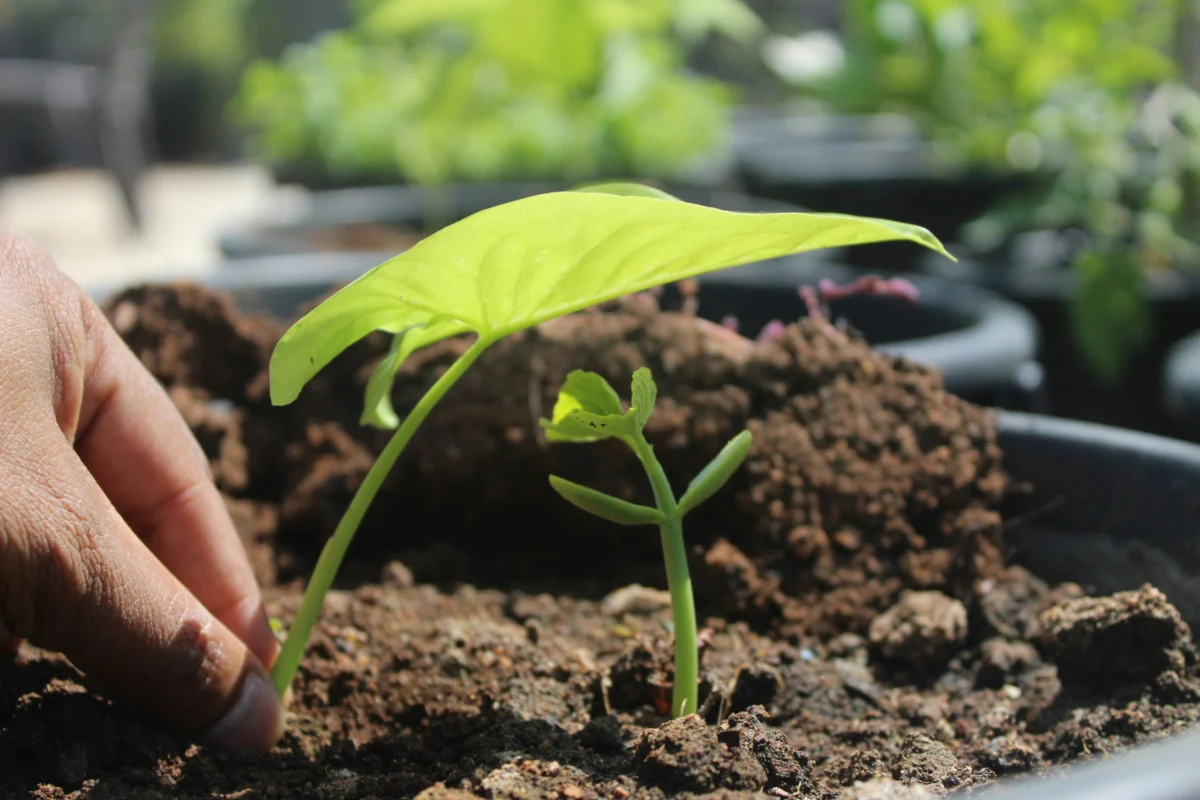
When the Dharma Takes Root: Rethinking How Buddhist Teachings Flourish in the West
The author, a seasoned meditation teacher, relocated to North Texas several years ago with the familiar objective of establishing an insight meditation community. While the practicalities of securing a meeting space, introducing oneself to a new populace, and fostering a collective practice were anticipated challenges, they were ultimately overshadowed by a deeper, more persistent inquiry that emerged from conversations with individuals seeking solace. These dialogues gradually reshaped the fundamental question the author sought to answer, moving beyond mere community building to a profound exploration of what truly allows Buddhist teachings, the dharma, to take root in diverse lives.
The Unforeseen Barrier: Perception and Belonging
A recurring theme in these initial encounters was the earnest desire for relief from pervasive anxieties, grief, burnout, loneliness, and an underlying sense of existential emptiness. Many had encountered the term "vipassana" (insight meditation), and some were aware of Buddhist temples in the Dallas area. However, a surprising number held the implicit belief that these spiritual centers and their practices were not intended for them. They perceived Buddhist teachings as belonging to other cultures, other religions, or as requiring a pre-existing knowledge they felt they lacked.
"Few rejected the teachings outright," the author observes. "Most had simply concluded, often without ever saying so explicitly, that whatever happened inside those temples or meditation centers wasn’t intended for people like them." This perception, initially viewed as a misunderstanding to be corrected through clearer communication or expanded outreach, began to challenge the author’s own assumptions. The focus shifted from simply introducing meditation or building a sangha (spiritual community) to a more fundamental question: "What, if anything, is essential for the dharma to take root?"
Suffering as the Universal Gateway
With nearly two decades of experience teaching meditation across diverse settings—including hospitals, correctional facilities, homeless shelters, recovery centers, corporate environments, retreat centers, wellness studios, and online platforms—the author has witnessed individuals engaging with the Buddha’s teachings under vastly different circumstances. Crucially, very few arrived with a specific search for "Buddhism." Instead, their entry point was almost invariably a profound life difficulty. Overwhelming anxiety, the breakdown of relationships, the unyielding grip of addiction, or the dawning realization that external success had not yielded inner peace—these were the catalysts. People came not as adherents of a religious tradition, but because suffering had become too profound to ignore.
One pivotal early encounter involved a man who discovered meditation through a workplace wellness program. His motivation was not comparative religion or Eastern philosophy, but a deep-seated desire to manage lifelong depression and discouragement. Over time, he cultivated a consistent meditation practice, delved into Buddhist literature, and engaged in increasingly insightful conversations. He eventually shared that the Buddha’s teachings offered the first spiritual framework that helped him comprehend the nature of his suffering.
Beyond Traditional Affiliations: Integration, Not Replacement
What surprised the author was not the profound personal transformation this individual experienced, but what remained unchanged in his outward life. He continued to articulate his experiences through the language of his Christian faith, speaking naturally of God, grace, forgiveness, and prayer. Meditation had not supplanted his existing commitments; rather, it appeared to deepen his capacity to live them. Buddhist practice provided a new vocabulary for understanding craving, fear, and habitual mental patterns that had caused him pain, while his Christian tradition continued to nourish faith, gratitude, and devotion. These were not perceived as competing loyalties, but as complementary facets of his spiritual life.
This observation complicated prevailing debates about the future of Buddhism in the West, which often revolve around whether mindfulness and meditation should remain secular or be firmly rooted in their Buddhist context. While these discussions are valuable, the author’s experience suggested a more nuanced reality. The dharma, in this instance, was not demanding an exchange of identity but an honest engagement with suffering itself.
This realization sharpened the author’s central question. If the dharma could be deeply meaningful within a life that outwardly appeared largely the same, then the author needed to reconsider what it truly meant for these teachings to take root. The visible indicators the author had unconsciously sought—new vocabulary, new affiliations, or a new religious identity—might not be the most reliable indicators of genuine integration.
The Contemplative Christian and the Engaged Practitioner
Further experiences reinforced this evolving perspective. A lifelong Catholic, who had spent years immersed in Christian contemplative traditions before discovering insight meditation, approached the practice differently. Instead of feeling compelled to reconcile seemingly distinct spiritual paths, his engagement focused on core principles: attention, remaining present with difficult emotions, the discipline of silence, and the gradual softening of ingrained habits. Meditation did not draw him away from his Christian faith; it invited him to inhabit it more deeply.
Similarly, another practitioner integrated mindfulness and loving-kindness meditation into her existing church community. She introduced these practices as practical tools for addressing stress, conflict, and grief. She never identified as becoming Buddhist. Instead, she found that these practices helped cultivate the patience, compassion, and steadiness she had always aspired to through her faith. For her, the teachings became not an alternative, but another way of embodying her religious life.
By this point, these instances were no longer considered unusual exceptions. Despite diverse backgrounds, traditions, and motivations for beginning, a similar transformation seemed to unfold. The question persisted: "What exactly is taking root here?"
The Universal Cry for Letting Go
A particularly vivid moment of clarity arrived via an email from a woman who had been practicing with the author for some time. She sought a one-on-one session to navigate an increasingly painful chapter in her life, marked by career uncertainty, a transformed workplace culture, and the fear of losing a job that provided stability and purpose. Years of striving had become exhausting, impacting her health.
Her email concluded with a poignant question: "I need to be able to let go, and I can’t. Is this something one-on-one practice can help me work through?"
This sentence resonated deeply, as it encapsulated a question the author had been hearing for years in various forms. The woman was not asking about Buddhist philosophy or specific meditation techniques. Her inquiry was about the possibility of relating differently to fear, of softening the internal tightening around uncertainty, and of discovering an alternative way of living, even if her external circumstances remained unchanged.
This same question, the author notes, had been echoed by individuals in hospitals facing unalterable illnesses, in prisons grappling with irreversible consequences, in recovery centers seeking a fresh start, and in corporate boardrooms expressed through the language of productivity and burnout. It even emerged on retreats, often after days of silence had stripped away self-imposed narratives.
The Longing for a Different Way of Meeting Life
The circumstances varied infinitely, but the underlying human request remained remarkably similar. Beneath each narrative lay a shared longing: not necessarily to become Buddhist, but to find a mode of engaging with life that did not depend on the illusion of absolute control.
The initial doorway was seldom an intellectual interest in Buddhist thought. It often began with grief, illness, anxiety, loneliness, or the slow dawning realization that a life built around external achievement had failed to deliver lasting peace. Whatever its form, suffering had interrupted the deeply ingrained assumption that happiness could be secured by merely arranging external conditions favorably. It was only later that many discovered that their explorations had been articulated with extraordinary clarity more than twenty-five centuries ago by the Buddha.
Reframing the Conditions for Growth
The author’s focus began to shift from questions of outreach to questions of "conditions." What truly allows the dharma to take root? Is it finding the right words, building welcoming communities, preserving traditional forms, or translating ancient teachings into contemporary language?
While these elements are undeniably important and have been central to the author’s teaching life as they help people encounter and sustain practice, they never seemed entirely sufficient to explain the profound shifts witnessed. Something more fundamental appeared to precede them.
The author began this work with the assumption that their task was to help people "find" the dharma. Increasingly, it became apparent that suffering itself had already performed much of that preparatory work.
Preparing the Heart to Hear
This realization led to a refined focus: "I have become less interested in asking how people find Buddhism and more interested in asking what prepares the heart to hear the dharma when it appears." None of the students whose stories shaped this essay began by trying to become Buddhist. They began by responding to suffering.
The author continues to hope for the growth of insight meditation communities in North Texas and elsewhere, advocating for the accessibility of these teachings regardless of background, beliefs, or prior experience. Building welcoming communities, supporting teachers, preserving the tradition, and making the teachings accessible remain deeply worthwhile endeavors—conditions that allow practice to flourish over time. However, for many individuals encountered, the primary obstacle was not the practice itself, but the assumption that they had never been invited.
A New Confidence: The Willingness to Turn Toward Suffering
Years of teaching have instilled a different kind of confidence than when the author first arrived in Texas. The assumption that the dharma only takes root after an individual has crossed a clear threshold into Buddhist practice has been replaced by a more expansive understanding. More often, the author has observed it begin in the simple yet demanding willingness to look carefully at suffering, rather than immediately attempting to escape it.
Some students do become deeply involved in Buddhist communities. Others remain firmly rooted in their existing religious traditions. Still others may never adopt Buddhist terminology at all. Yet, each, in their own way, begins to discover greater freedom through the same careful observation of mind and heart.
While a definitive answer to what is essential for the dharma to take root remains elusive and perhaps larger than any single conclusion, the author’s perspective has shifted. The focus is less on the conditions once deemed most important and more on the critical moment when an individual becomes willing to turn toward suffering with curiosity rather than fear. This willingness cannot be manufactured; it arises organically. However, when it appears, the teachings often find fertile ground long before a person ever identifies as Buddhist. This subtle yet profound readiness of the heart, often catalyzed by the undeniable pressure of suffering, appears to be the true germination point for the dharma’s enduring presence in the West.

