

The early months of 2016 have been marked by significant media moments that, for many, have offered a beacon of optimism in the often-dire discourse surrounding climate change. Two prominent communications, emanating from the highest echelons of entertainment and environmental advocacy, have resonated globally, sparking dialogue and reinforcing the urgent need for collective action. Leonardo DiCaprio’s powerful acceptance speech for his Best Actor Oscar and Al Gore’s latest TED Talk present compelling narratives that underscore both the gravity of the climate crisis and the tangible pathways toward a sustainable future.
DiCaprio’s Oscar Moment: A Forceful Call to Action
On February 28, 2016, Leonardo DiCaprio accepted the Academy Award for Best Actor for his arduous performance in Alejandro G. Iñárritu’s "The Revenant." While the win was a culmination of a long-anticipated career achievement, DiCaprio’s acceptance speech transcended personal accolades, transforming the global stage into a platform for urgent environmental advocacy. His address, delivered with palpable conviction, directly confronted the existential threat of climate change, a subject he has championed for years through his foundation.
Key Elements of DiCaprio’s Speech:
- Direct Confrontation of Climate Change: DiCaprio did not shy away from the severity of the issue. He explicitly stated, "Climate change is real. It is happening right now. It is the most urgent threat facing our entire species."
- Call for Collective Response: He emphasized the necessity of a unified global effort, stating, "We need to work together, not just as a nation, but as a planet." He alluded to the scientific consensus and the need for immediate, decisive action.
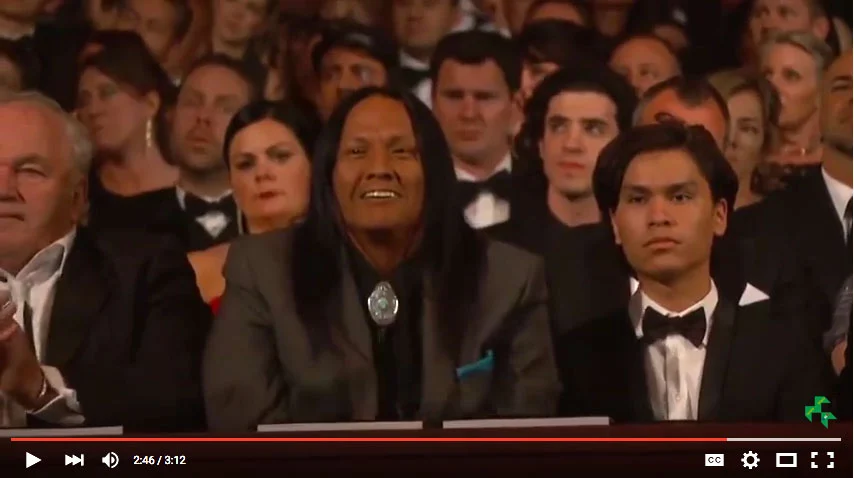
- Specific Call to Protect Indigenous Voices: A particularly poignant moment was his dedicated recognition of Indigenous peoples. He declared, "It is time for us to acknowledge our history and to work collectively to protect our planet for future generations." He specifically highlighted that "Indigenous peoples have been on the front lines of climate change for far too long… their voices have been ignored by the politics of greed." This statement underscored the disproportionate impact of climate change on vulnerable communities and the vital role of traditional knowledge in conservation efforts.
Background and Context:
DiCaprio’s commitment to environmentalism predates his Oscar win. He established the Leonardo DiCaprio Foundation in 1998, which has since supported a wide range of environmental initiatives, from conservation projects to advocacy for renewable energy. His role as a UN Messenger of Peace for Climate Change further cemented his position as a prominent environmental voice. The film "The Revenant" itself, filmed in remote and often harsh natural landscapes, served as a visual backdrop to the environmental themes that resonate with DiCaprio. The film’s production faced challenges due to changing weather patterns, a subtle yet impactful reflection of climate disruption.
Reactions and Implications:
DiCaprio’s speech generated immediate and widespread attention. Environmental organizations lauded his outspokenness, recognizing the immense power of his platform to reach a global audience. Social media buzzed with support, with many viewers expressing renewed motivation to engage with climate action. Conversely, some political figures and industry representatives who have historically downplayed climate science offered muted or critical responses, highlighting the persistent polarization surrounding the issue. The speech served as a powerful reminder that cultural icons can wield significant influence in shaping public opinion and driving policy discussions. The inclusion of Indigenous perspectives was particularly noteworthy, drawing attention to the long-standing environmental stewardship of these communities and the injustices they have faced.
Al Gore’s TED Talk: A Vision of Optimism in the Face of Crisis
Parallel to DiCaprio’s impassioned plea, former U.S. Vice President and Nobel Laureate Al Gore delivered a profoundly hopeful TED Talk titled "The Case for Optimism on Climate Change." Released in early 2016, Gore’s presentation offered a nuanced perspective, acknowledging the ongoing severity of the climate crisis while meticulously detailing the significant progress being made and the burgeoning opportunities for a sustainable future.
Key Elements of Gore’s Talk:
- Acknowledging the Gravity: Gore began by reaffirming the undeniable reality and escalating consequences of climate change, citing scientific data and observable environmental shifts. He did not diminish the urgency of the situation.
- Highlighting Progress and Innovation: The core of his message focused on the transformative changes already underway. He presented compelling evidence of advancements in renewable energy technologies, the declining costs of solar and wind power, and the increasing global investment in green infrastructure.
- The Power of a Shifting Paradigm: Gore articulated how these advancements are not merely incremental improvements but represent a fundamental shift in our energy systems and economic models. He painted a picture of a future where clean energy is not only viable but economically advantageous.
- A Call to Action Rooted in Hope: His talk was fundamentally a call to action, but one grounded in the belief that solutions are not only possible but are actively being implemented. He urged continued innovation, policy support, and individual engagement to accelerate this transition.
Background and Context:
Al Gore has been a leading voice on climate change for decades. His 2006 documentary "An Inconvenient Truth" played a pivotal role in raising public awareness about the issue and earned him a Nobel Peace Prize alongside the Intergovernmental Panel on Climate Change (IPCC). His ongoing work through the Climate Reality Project continues to educate and mobilize individuals and communities to address the climate crisis. Gore’s TED Talk built upon this legacy, providing an updated and data-driven assessment of the global climate landscape.
Supporting Data and Trends (as of early 2016):
Gore’s optimism was underpinned by several key trends:
- Renewable Energy Growth: The International Energy Agency (IEA) and other prominent bodies were already reporting significant growth in renewable energy capacity. In 2015, for instance, global renewable energy capacity additions reached record levels, driven primarily by solar and wind power.
- Cost Reductions: The cost of solar photovoltaic (PV) panels had fallen dramatically in the preceding years, making solar energy increasingly competitive with fossil fuels in many regions. Wind turbine technology also saw substantial improvements in efficiency and cost-effectiveness.
- Policy Milestones: The Paris Agreement, adopted in December 2015, marked a historic global commitment to limit warming to well below 2 degrees Celsius, preferably to 1.5 degrees Celsius, compared to pre-industrial levels. This agreement provided a crucial policy framework for future climate action.
- Corporate Commitments: A growing number of corporations were beginning to set ambitious renewable energy targets and invest in sustainable practices, driven by both environmental concerns and the recognition of long-term economic benefits.
Broader Impact and Implications:
Gore’s message provided a crucial counter-narrative to the often-overwhelmingly negative discourse surrounding climate change. By highlighting concrete successes and the potential for a prosperous green economy, he aimed to combat climate despair and foster a sense of agency. This approach is vital for sustained public engagement and political will. His talk reinforced the idea that addressing climate change is not solely a burden but also an opportunity for innovation, economic growth, and improved public health. The combination of scientific evidence, economic analysis, and a hopeful outlook offered a powerful framework for policymakers, businesses, and individuals to embrace the transition to a low-carbon future.
A Symbiotic Message: Amplifying the Call for Change
The simultaneous emergence of these two influential communications from Leonardo DiCaprio and Al Gore created a powerful synergy in early 2016. DiCaprio’s speech, delivered on a globally televised platform, brought immediate, high-profile attention to the urgency of the climate crisis and the importance of equitable solutions. Gore’s TED Talk, in turn, provided a detailed, data-driven roadmap of how this crisis can be addressed, offering a compelling case for optimism and action.
Together, these messages amplified the call for climate action, demonstrating that concern for the planet is not confined to specific advocacy circles but is shared by figures at the forefront of popular culture and global policy. They underscored the multifaceted nature of the challenge, requiring both the impassioned advocacy of influential individuals and the strategic, evidence-based implementation of solutions.
The early part of 2016 thus presented a moment where high-profile endorsements of climate action, coupled with concrete evidence of progress, offered a tangible sense of momentum. These communications served as powerful reminders that while the challenges of climate change are immense, the human capacity for innovation, collective action, and hopeful determination remains a potent force for positive change. The widespread reach and impact of both DiCaprio’s Oscar speech and Gore’s TED Talk signaled a growing global consciousness and a readiness to embrace a more sustainable future.

