

The long-standing debate within the strength and conditioning community regarding the optimal level of training intensity—often summarized by the maxim "stimulate, don’t annihilate"—is undergoing a rigorous re-evaluation by industry experts. While the sentiment suggests a cautious approach to muscle growth, contemporary sports science indicates that the binary choice between stimulation and annihilation is a reductionist view of human physiology. Instead, professional coaches are advocating for a more nuanced framework: the systematic application of high-stress stimuli managed through structured periodization and strategic recovery.
The Evolution of Stress Management in Strength Training
In the professional realm of fitness, the role of a strength coach has evolved from a mere instructor of movements to a sophisticated manager of physiological stress. This shift is predicated on the General Adaptation Syndrome (GAS), a theory developed by Hans Selye, which describes how the body responds to stressors through three stages: alarm, resistance, and exhaustion.
Industry leaders, including Pat Davidson and Chad Wesley Smith, argue that for significant adaptation to occur—be it hypertrophy or increased force production—the body must be subjected to substantial stress. This "annihilation" of current physical capacity is necessary to trigger the biological processes required for growth. However, the distinction between productive stress and injury-inducing overexertion lies in the implementation of "smart" work. This involves a carefully structured, periodized, and often undulated plan that fluctuates training stress to prevent the body from entering a state of chronic exhaustion.
The Fatigue-Fitness Paradigm and the Myth of Overtraining
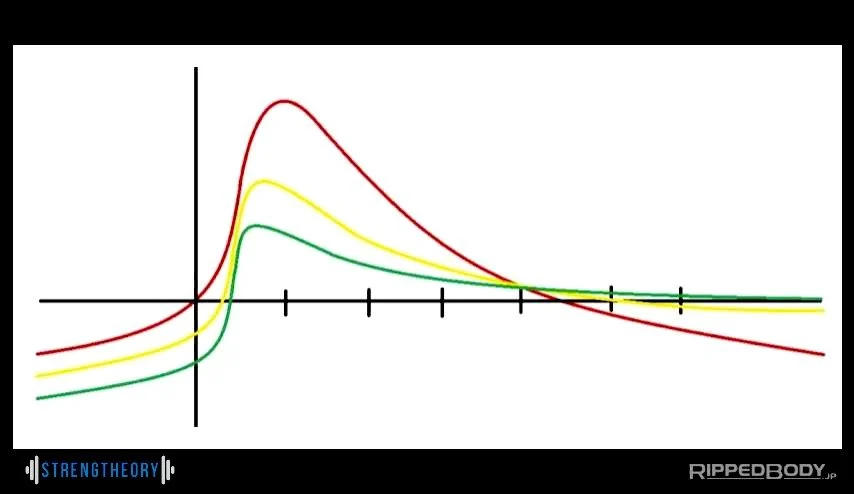
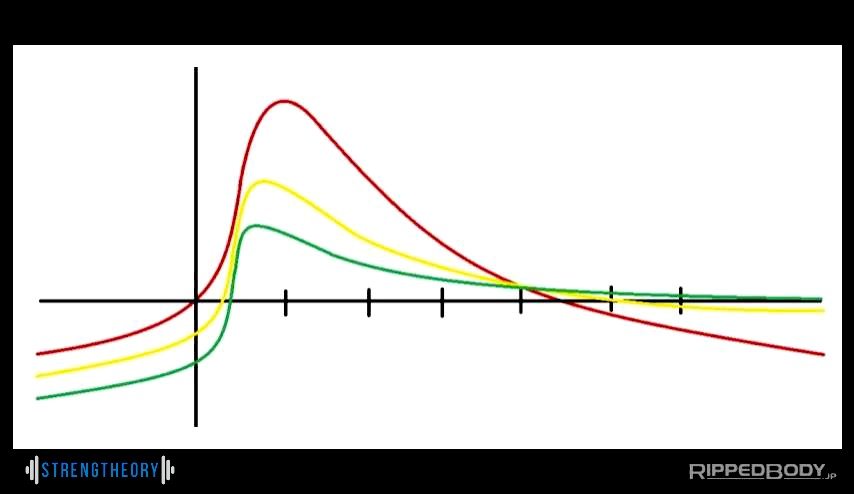
A critical component of modern training theory is the "Fatigue-Fitness Paradigm." This model posits that every training session creates both fitness (long-term gains) and fatigue (short-term performance decrements). Because fatigue often masks an athlete’s true fitness levels, many trainees mistakenly believe they have reached a plateau or are "overtrained" when they are simply experiencing a predictable phase of the training cycle.
The term "overtraining" is frequently misused in fitness media. True Overtraining Syndrome (OTS) is a serious physiological condition characterized by long-term decreases in performance, hormonal imbalances, and neurological disturbances. Reaching a state of OTS requires a sustained level of extreme exertion that most recreational athletes never achieve.
To provide context, researchers often point to extreme endurance feats, such as those performed by James Lawrence, known as the "Iron Cowboy." In 2015, Lawrence completed 50 iron-distance triathlons in 50 states over 50 consecutive days. While Lawrence experienced profound fatigue and physical strain, his meticulous attention to recovery, nutrition, and pacing prevented him from falling into clinical overtraining. This case study serves as a benchmark for the human body’s resilience, suggesting that for the average trainee, the risk of overtraining is significantly lower than the risk of under-stimulating the muscle through insufficient intensity.
The Risks of Emulating Elite Athletic Programming
A significant challenge in the current fitness landscape is the proliferation of elite-level training protocols among the general population. High-profile strength athletes, such as Chris Duffin, have gained notoriety for extreme feats, including squatting 800 pounds daily for extended periods. While these "Squatober" or "Daily Max" programs are effective for professional athletes whose entire lifestyle is optimized for recovery, they often prove detrimental to the "desk-bound" trainee.
The discrepancy lies in the recovery capacity. An elite athlete may dedicate four to six hours a day to training and several more to specialized recovery modalities, sleep, and nutrition. Conversely, the average professional spends eight to nine hours in a sedentary environment, which can lead to issues such as reduced joint mobility and chronic postural stress. When these individuals attempt to mirror the volume of a professional athlete, the lack of "accumulated training age"—the years of preparation required to handle high volumes—often leads to acute injury rather than adaptation.
Physiological and Neurological Demands of the Deadlift
Among the primary compound lifts, the deadlift is increasingly recognized as the most demanding on the central nervous system (CNS). Data suggests that once an individual reaches a certain strength threshold—typically defined as a 2x bodyweight deadlift—the law of diminishing returns begins to apply to high-frequency heavy pulling.

The deadlift involves significant axial loading (weight placed directly on the spine) and requires massive neurological output to coordinate the posterior chain. Consequently, coaches are moving toward a model of "deadlifting less" in terms of frequency but with higher intentionality.
A common professional strategy involves limiting "max effort" work (defined as 85% or more of a one-rep maximum) to once every two or three weeks. In the intervening sessions, athletes focus on speed and technical proficiency using lighter loads (60-75% of 1RM). This approach allows the CNS to recover while still reinforcing the motor patterns necessary for heavy lifting.
The Role of Mechanical Loading and Accessory Variations
To mitigate the risk of burnout while maintaining a high training stimulus, strength programs are increasingly incorporating "low mechanical load" finishers. For example, Bulgarian Split Squats performed for time rather than specific repetitions can induce significant metabolic stress and muscular hypertrophy without the spinal compression associated with heavy barbell squats.
By manipulating tempo—such as a three-second eccentric (lowering) phase and a three-second concentric (lifting) phase—trainees can achieve "annihilation" of the target muscle group while sparing the joints and the nervous system from the strain of maximal weights. This method leverages metabolic stress, one of the three primary drivers of muscle growth alongside mechanical tension and muscle damage.
Strategic Recovery and the Implementation of Deload Cycles
The final pillar of sustainable strength management is the deliberate use of deloading. In a standard four-week training block, the fourth week is typically reserved for a reduction in total workload.

There are two primary methods for deloading:
- Volume Reduction: Maintaining high intensity (weight on the bar) but significantly reducing the number of sets and repetitions. This keeps the nervous system primed for heavy loads while allowing muscular tissue to repair.
- Intensity Reduction: Keeping the volume moderate but lowering the weights to approximately 60-70% of 1RM. This is often used for athletes experiencing high levels of joint pain or systemic fatigue.
Furthermore, "active recovery," such as casual walking, has been shown to be superior to total rest for most trainees. Walking increases blood flow to damaged tissues without adding further systemic stress, aiding in the clearance of metabolic byproducts and improving overall recovery rates.
Broader Implications for the Fitness Industry
The shift toward "smart annihilation" represents a maturing of the fitness industry. It moves away from the "no pain, no gain" mentality of the 1980s and the overly cautious "functional movement" trends of the early 2000s. Instead, it embraces a data-driven approach that acknowledges the necessity of hard work while respecting the biological limits of the individual.
As strength and conditioning continue to integrate with sports science, the focus remains on the "Stress-Recovery-Adaptation" cycle. The consensus among top-tier coaches is clear: progress is not found in avoiding stress, but in managing it with precision. For the modern trainee, this means understanding that while lifting weights "isn’t supposed to tickle," the path to a personal record is paved with as much strategic rest as it is with heavy iron.
The implications of this approach extend beyond the gym. By viewing themselves as "stress managers," individuals can apply these principles to overall health, recognizing that the body’s ability to handle physical stress is inextricably linked to its ability to manage psychological and environmental stressors. In the pursuit of longevity and performance, the most successful athletes are those who learn to dance on the edge of "annihilation" without ever falling over it.

