

The scientific community is increasingly grappling with the need to redefine how protein quality is assessed, a shift that could have profound implications for public health guidance and dietary recommendations. Emerging research suggests that the current, biochemically focused definition of protein quality may not adequately reflect its complex impact on human health, particularly in industrialized nations where chronic diseases, rather than protein malnutrition, represent the most significant health challenges.
The Prevailing Definition and Its Disconnect with Health Outcomes
For decades, the assessment of protein quality has largely centered on its amino acid profile, a measure rooted in biochemistry rather than a comprehensive evaluation of its effects on overall human well-being. This traditional approach often favors animal-based proteins, such as meat, eggs, and dairy, due to their complete amino acid profiles. This biochemical advantage, coupled with a widespread belief that "more protein is better," has inadvertently created an impression that prioritizing animal protein sources is inherently desirable.
However, this prevailing notion stands in stark contrast to evolving nutrition guidelines that increasingly advocate for increased consumption of plant-based foods. While protein deficiency remains a critical issue in many parts of the world, the context of nutrition in industrialized nations is markedly different. Here, the primary public health threats stem from non-communicable, chronic diseases like cardiovascular disease, type 2 diabetes, and certain cancers, rather than acute forms of malnutrition such as kwashiorkor. This divergence highlights a potential disconnect between the established metrics of protein quality and the actual health concerns facing large populations.
Landmark Research: Shifting the Paradigm of Protein Consumption
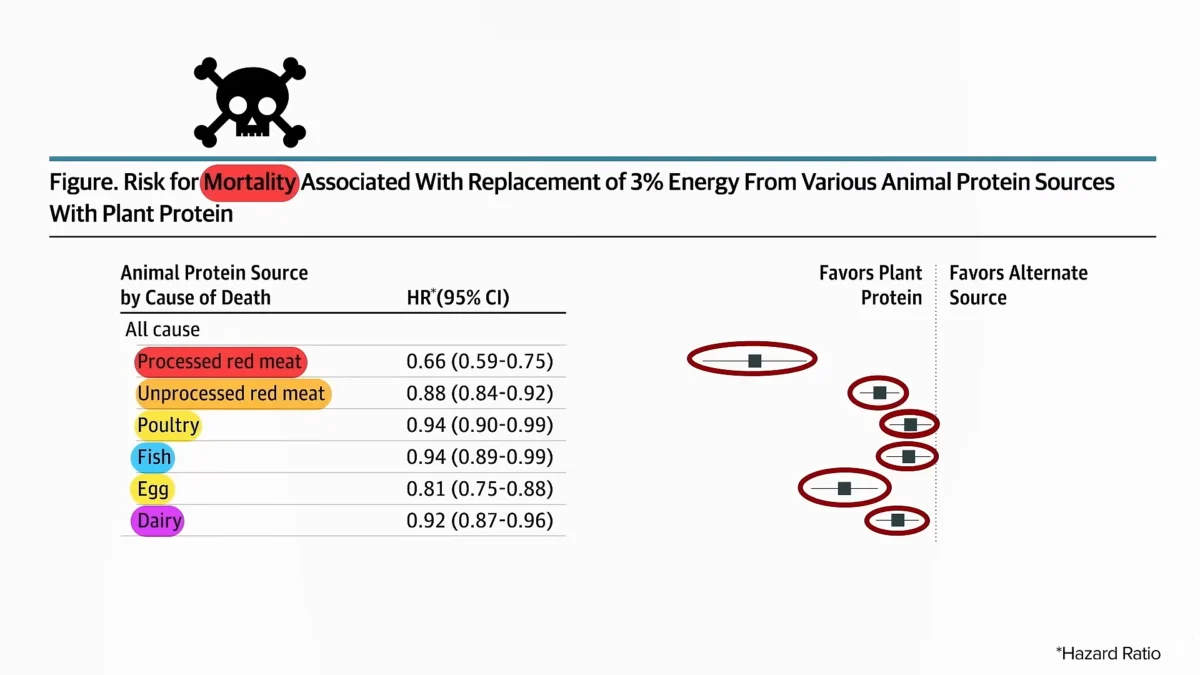
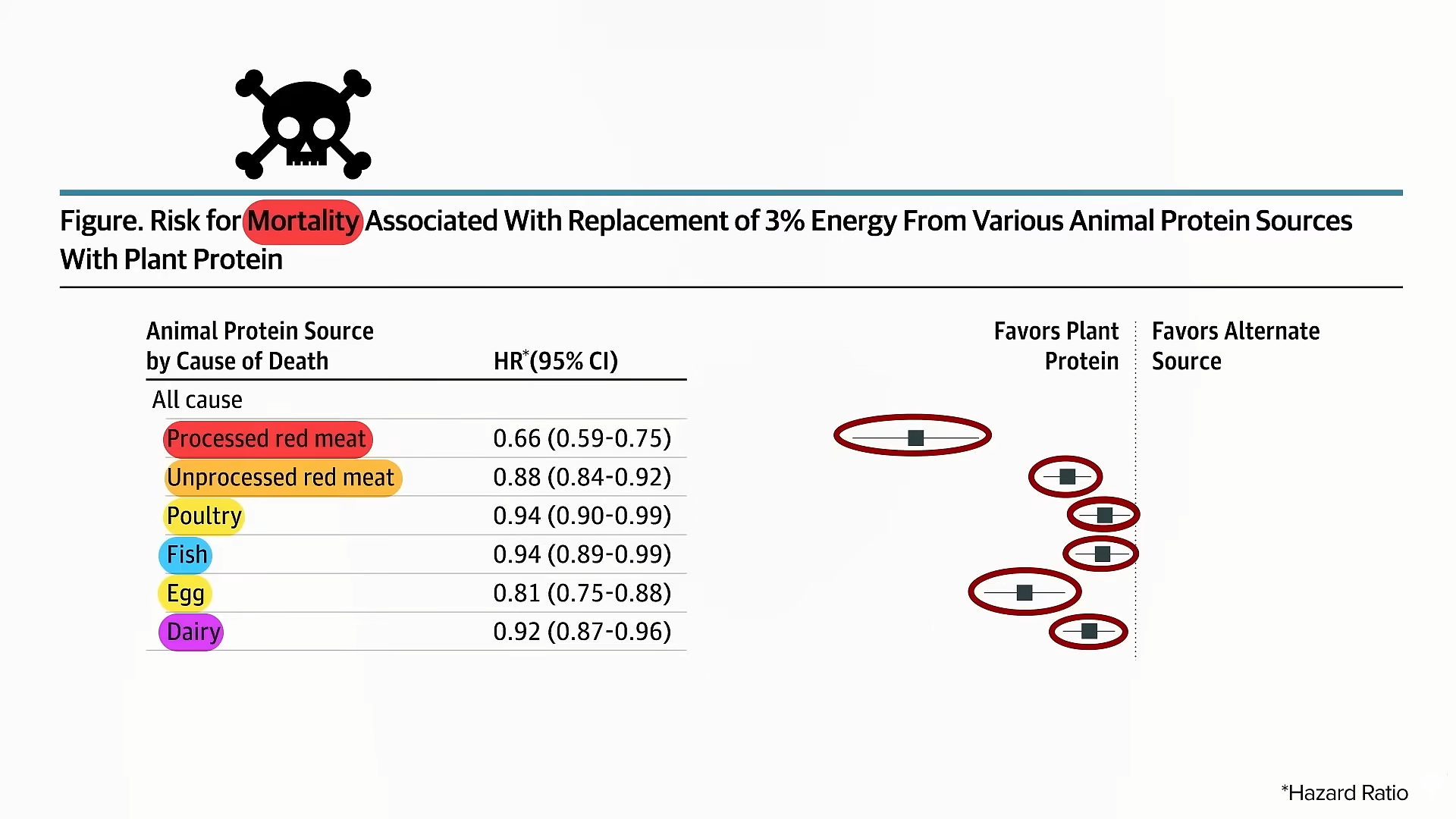
A pivotal study published in 2016, involving over 100,000 participants, provided compelling evidence that substituting animal protein with plant-based protein is associated with a reduced risk of premature death. This large-scale research, conducted by Harvard University, marked a significant turning point in understanding the differential health impacts of protein sources. The findings indicated that processed meats, such as bacon, and egg protein, particularly egg whites, were associated with the highest risk of adverse health outcomes.
Crucially, the study demonstrated that even a modest substitution—replacing just 3% of daily calories from animal protein with plant protein—was linked to a significantly lower risk of mortality. This benefit was observed across various animal protein sources, including unprocessed meats, poultry, fish, eggs, and dairy. The implications of this finding are far-reaching, suggesting that a subtle dietary adjustment could yield substantial improvements in longevity. This research underscores the importance of re-evaluating dietary advice that may implicitly promote higher animal protein intake without fully considering its long-term health consequences.
Unpacking the Mechanisms: Why Does Protein Source Matter?
The question of how the body differentiates between protein from animal and plant sources, and why this distinction appears to have such significant health implications, is a complex one. While protein is fundamentally composed of amino acids, the specific types and proportions of these amino acids, as well as other compounds present in different protein sources, can influence metabolic pathways and health outcomes.

One proposed mechanism relates to branched-chain amino acids (BCAAs), which are abundant in animal proteins but generally lower in plant proteins. Research suggests that a decreased intake of BCAAs may be associated with improved metabolic health. For instance, a study published in 2016 indicated that reduced BCAA levels correlate with better insulin sensitivity, a key factor in preventing type 2 diabetes.
Another significant factor that researchers are investigating is the role of Insulin-like Growth Factor 1 (IGF-1). Animal proteins, particularly those considered "high-quality" due to their complete amino acid profiles, have been linked to increased IGF-1 levels. IGF-1 is a growth hormone that, while essential for development, has also been implicated in the promotion of certain cancers. Studies have observed a correlation between higher IGF-1 levels, regardless of diet, and an increased risk of chronic diseases such as type 2 diabetes and heart disease, suggesting a potential causal link between animal protein consumption, elevated IGF-1, and increased mortality from these conditions.
Furthermore, environmental contaminants may also play a role. Pollutants such as dioxins and polychlorinated biphenyls (PCBs) tend to bioaccumulate in animal tissues, moving up the food chain. Consequently, consumption of animal products like meat, poultry, and fish can lead to a higher body burden of these toxic substances. Plant-based proteins, by contrast, do not carry this same risk of accumulating these specific dietary contaminants, offering an additional health benefit beyond their nutritional profile. This perspective frames plant-based protein as a strategy not only for improved nutrition but also for reducing exposure to harmful environmental toxins.
Large-Scale Cohort Studies Reinforce the Findings
The robustness of the findings from the 2016 Harvard study is further supported by analyses of even larger datasets. The U.S. National Institutes of Health-AARP Diet and Health Study, one of the most extensive dietary cohort studies ever conducted, analyzed data from approximately 400,000 individuals. This monumental study corroborated the earlier findings, revealing that substituting just 3% of daily calories from animal protein with plant protein was associated with a 10% reduction in overall mortality. The benefits were even more pronounced when egg consumption was also reduced, aligning with other research that links egg intake to an increased risk of cardiovascular disease.
When meta-analyses—studies that combine the results of multiple independent research projects—of dietary protein intake and mortality are considered, a consistent pattern emerges. Individuals who consume higher amounts of protein generally tend to have shorter lifespans. However, this association is primarily driven by the detrimental effects of animal protein. Conversely, plant protein intake demonstrates an inverse relationship with mortality; higher consumption of plant protein is correlated with increased longevity. This distinction is critical: while total protein intake might be linked to negative outcomes, the source of that protein is the decisive factor.
Implications for Public Health Policy and Individual Choices
The accumulating evidence strongly suggests a need to modernize the definition of protein quality and to recalibrate public health messaging around protein consumption. The current paradigm, which may implicitly favor animal proteins, appears out of step with the prevailing health challenges in industrialized nations and the scientific data linking plant-based protein to improved health outcomes and longevity.
Encouraging individuals to increase their intake of plant-based proteins, while potentially moderating or reducing their consumption of animal proteins, could represent a significant public health intervention. This dietary shift aligns with recommendations from major health organizations that promote plant-rich diets for the prevention and management of chronic diseases. The implication is that a conscious choice to prioritize plant protein sources can serve as a proactive measure to enhance overall health and potentially extend lifespan.
Addressing Common Nutritional Concerns
The shift towards plant-based proteins often raises questions about nutritional adequacy, particularly regarding protein combining and overall protein requirements.
The Protein Combining Myth
Historically, it was believed that individuals needed to carefully combine different plant proteins within a single meal to obtain a complete amino acid profile. This concept, often illustrated by pairing rice and beans, has largely been debunked by nutritional science. The human body is capable of synthesizing essential amino acids over the course of a day by drawing from the various protein sources consumed. Therefore, a varied diet rich in different plant foods ensures an adequate intake of all essential amino acids without the need for strict meal-by-meal combinations.
Adequate Protein Intake on a Plant-Based Diet
Concerns about vegetarians and vegans obtaining sufficient protein are often unfounded. Many plant-based foods are excellent sources of protein, including legumes (beans, lentils, peas), tofu, tempeh, nuts, seeds, whole grains, and even some vegetables. When a plant-based diet is well-planned and includes a variety of these nutrient-dense foods, it can easily meet and even exceed protein requirements.
The Role of Processed Plant-Based Meats
The growing market for plant-based meat alternatives, such as those produced by Beyond Meat and the Impossible Burger, also warrants consideration. While these products offer a way to transition away from animal meat, their healthfulness depends on their overall nutritional profile, including their processing levels, sodium content, and the types of fats used. Consumers are advised to examine the ingredient lists and nutritional information of these products, similar to how they would evaluate any other processed food.
Conclusion: A Call for Evidence-Based Dietary Guidance
The scientific discourse surrounding protein quality is evolving, moving beyond biochemical assessments to embrace a more holistic understanding of protein’s impact on human health. The robust evidence from large-scale epidemiological studies strongly supports the notion that increasing plant protein intake and reducing animal protein consumption is a prudent strategy for promoting longevity and mitigating the risks of chronic diseases. This paradigm shift necessitates a re-evaluation of dietary guidelines and public health messaging to ensure that individuals are empowered with the most accurate and beneficial information to make informed food choices. As research continues to illuminate the intricate relationship between diet and health, the modernization of protein quality definitions will undoubtedly remain a critical area of focus.

