

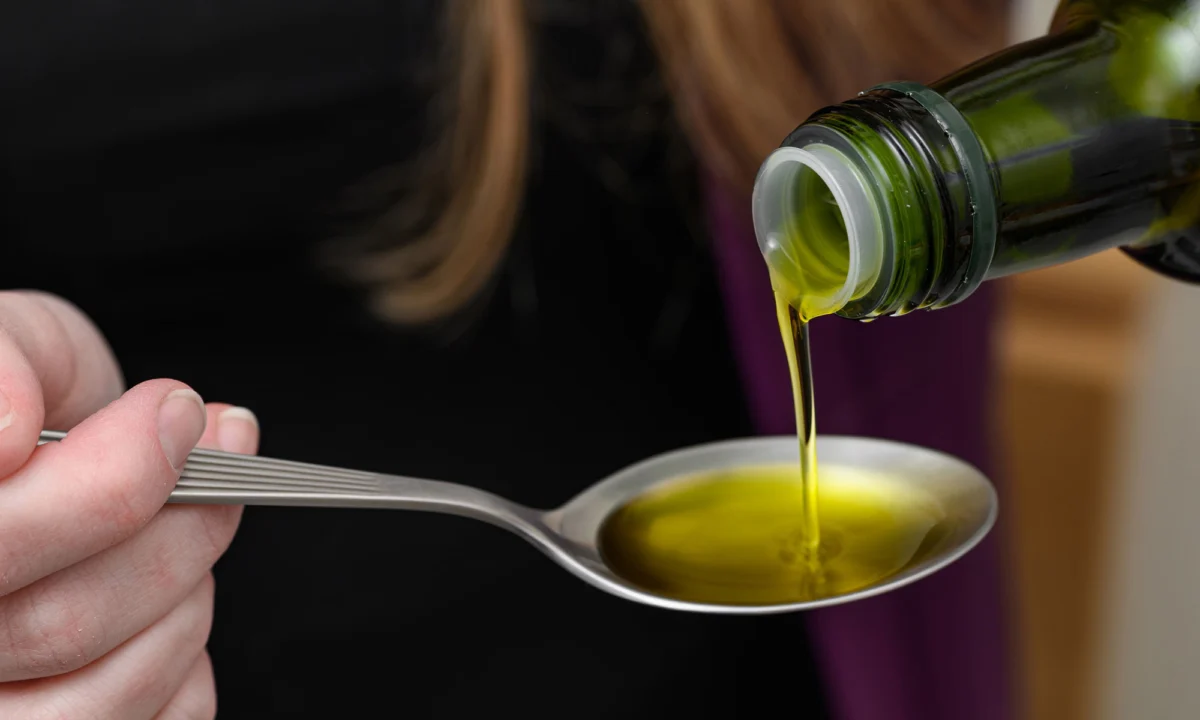
For Registered Dietitian Nutritionist Molly Knudsen, M.S., RDN, a daily ritual of consuming a spoonful of olive oil has yielded significant benefits for her digestive well-being over the past 15 months. This practice, initially inspired by a colleague’s personal success story, highlights a simple yet potentially powerful dietary adjustment for enhancing gut health. Olive oil, long celebrated for its cardiovascular advantages and anti-inflammatory properties, is now being recognized for its direct impact on digestive comfort and function.
The Genesis of a Daily Habit
The journey began when Knudsen encountered Bahar Ayar, a colleague who shared her consistent habit of taking a daily spoonful of olive oil. Ayar’s motivation stemmed from a personal health scare. After a blood test revealed early signs of thyroid concerns, mirroring family health issues, she sought ways to proactively support her well-being. She learned that incorporating healthy fats, particularly those found in olive oil, could offer substantial benefits for digestion and thyroid health. For Ayar, who primarily consumes a whole-foods diet and does not typically cook with large amounts of oil, a direct, spoonful-based intake presented a straightforward method to boost her healthy fat consumption without altering the flavor profiles of her meals. This practice, sustained for over 15 months, became her "favorite health hack."
Scientific Backing for Digestive Support
Ayar’s personal experience aligns with a growing body of scientific research that underscores the positive effects of extra virgin olive oil (EVOO) on the gastrointestinal system. EVOO is rich in monounsaturated fatty acids and polyphenols, compounds known for their antioxidant and anti-inflammatory capabilities. These components can play a crucial role in nurturing a healthy gut microbiome.
Studies have indicated that EVOO can foster the growth of beneficial gut bacteria, such as Lactobacillus and Bifidobacterium. These probiotics are essential for breaking down food, synthesizing vitamins, and maintaining the integrity of the gut lining. Furthermore, research has linked diets enriched with EVOO to tangible improvements in common digestive complaints. Human studies have reported a reduction in symptoms like bloating and a sense of incomplete digestion, suggesting that EVOO can help regulate gut motility and enhance nutrient absorption.
The mechanism behind these benefits is multifaceted. The oleic acid, the primary fatty acid in olive oil, is thought to stimulate bile production, which aids in fat digestion. Additionally, the polyphenols present in EVOO may exert a prebiotic-like effect, feeding beneficial bacteria and contributing to a more balanced gut ecosystem. While individual responses to dietary changes can vary, the consistent inclusion of high-quality, polyphenol-rich fats like EVOO is increasingly recognized as a supportive strategy for overall digestive health.
Optimizing the Routine: Timing and Type

Ayar’s approach to her daily olive oil ritual is precise: she consumes it before meals, typically before lunch or dinner. "I literally just pour the oil into a tablespoon," she explains. "That’s my favorite way to do it. I don’t like to do it after meals because then I could be too full." This pre-meal timing is significant. Consuming healthy fats before a meal can help to slow gastric emptying, promoting a feeling of satiety and potentially moderating blood sugar responses to subsequent food intake. It also ensures that the oil is available to aid in the digestion of the meal that follows.
The quantity Ayar consumes is also noteworthy. Studies suggest that approximately one to two tablespoons of olive oil per day are sufficient to elicit health benefits, particularly those related to cardiovascular health, as recognized by qualified health claims from regulatory bodies like the U.S. Food and Drug Administration (FDA). This amount provides a concentrated dose of beneficial compounds without introducing excessive calories.
Regarding the type of olive oil, Ayar emphasizes opting for cold-pressed, extra virgin olive oil. This designation signifies that the oil has been extracted using mechanical methods at low temperatures, preserving its natural nutrients, flavor, and beneficial compounds, including its rich polyphenol content. Extra virgin olive oil is generally considered the gold standard for health benefits due to its minimal processing and higher concentration of antioxidants and anti-inflammatory agents compared to refined or virgin olive oils.
Broader Implications and Expert Analysis
The personal anecdote shared by Ayar and explored by Knudsen offers a practical insight into integrating a known health-promoting food into daily life. From a public health perspective, the accessibility and affordability of olive oil make it a viable option for many individuals seeking to improve their diet.
Dr. Anya Sharma, a gastroenterologist at Metropolitan General Hospital, commented on the trend, stating, "While individual results can vary, the scientific literature supports the role of healthy fats, particularly those found in extra virgin olive oil, in supporting digestive function. The polyphenols and monounsaturated fats can contribute to a healthier gut environment and may alleviate symptoms like bloating and discomfort. However, it’s crucial for individuals to understand that this is a complementary approach and not a substitute for medical advice or treatment for underlying digestive conditions."
She further elaborated, "For those experiencing persistent digestive issues, a thorough medical evaluation is paramount. However, for individuals generally seeking to optimize their gut health and who tolerate fats well, incorporating a quality extra virgin olive oil, perhaps in the manner described, could be a beneficial addition to a balanced diet. The key is consistency and choosing a high-quality product."
The potential implications extend beyond mere symptom relief. A well-functioning digestive system is intrinsically linked to overall health, influencing nutrient absorption, immune function, and even mental well-being. By supporting gut health, practices like Ayar’s daily olive oil consumption could contribute to a cascade of positive health outcomes.
Alternative Integration Methods

While taking olive oil by the spoonful offers a direct and unadulterated method of consumption, Knudsen acknowledges that it may not appeal to everyone’s palate or preferences. Fortunately, the versatility of olive oil allows for numerous other enjoyable and beneficial integrations into the daily diet.
For individuals who find the taste or texture of plain olive oil unappealing, incorporating it into culinary preparations remains a highly effective strategy. Drizzling extra virgin olive oil over roasted vegetables, such as broccoli, Brussels sprouts, or sweet potatoes, not only enhances their flavor but also ensures the oil’s beneficial compounds are consumed. Similarly, whisking olive oil into homemade salad dressings provides a healthy and flavorful alternative to store-bought options, which can often be high in unhealthy fats, sodium, and added sugars.
Finishing soups, stews, or grain bowls with a splash of olive oil just before serving can add a layer of richness and health benefits. The heat from these dishes can slightly mellow the peppery notes of some EVOO varietals, making it more palatable for sensitive palates. Even using olive oil as a base for sautéing ingredients, when done at moderate temperatures, can be a healthy cooking method.
The choice of olive oil also plays a role in its versatility. Different olive oil varietals offer distinct flavor profiles, ranging from mild and buttery to robust and peppery. Experimenting with different types can help individuals find an EVOO that best suits their taste preferences and culinary applications.
The Long-Term Perspective
Ayar’s 15-month commitment to her daily olive oil ritual exemplifies the power of sustained, simple healthy habits. The most significant benefit she has experienced is a marked improvement in her digestive comfort. Meals that once led to noticeable stomach discomfort are now more easily tolerated. This transformation underscores that dietary adjustments, even seemingly small ones, can have a profound impact on daily well-being.
The takeaway from this personal account, amplified by scientific understanding, is that proactive engagement with one’s diet can yield tangible health rewards. While the spoonful method is effective for Ayar, the underlying principle is the consistent inclusion of high-quality, healthy fats into one’s diet. Whether consumed directly or incorporated into meals, extra virgin olive oil stands as a testament to the enduring power of nature’s bounty in supporting human health. As research continues to unveil the intricate connections between diet and our bodies, simple practices like these may hold the key to unlocking a healthier future.

