

The question of whether individuals who incorporate nuts into their diet live longer due to a simple substitution of animal protein for plant protein is a complex one, fraught with the potential for misinterpretation and industry influence. While nuts are undeniably linked to positive health outcomes, including increased longevity, attributing this solely to protein source replacement overlooks critical dietary factors and the methodologies employed in nutrition research. A closer examination of studies, particularly those published in journals with significant industry backing, reveals a need for nuanced analysis and robust scientific integrity.
The Influence of Funding on Nutrition Research
The credibility of nutrition research is often tied to the perceived independence of the scientific journals that publish it. The American Journal of Clinical Nutrition, frequently cited as a leading peer-reviewed scientific journal in nutrition and dietetics, is published by the American Society of Nutrition. However, the society’s roster of sustaining partners includes entities such as The Sugar Association, major soda companies, and the meat, dairy, and egg industries. This financial interconnectedness raises questions about potential biases, particularly when research findings appear to align with the commercial interests of these partners.
A notable example cited in previous discussions involves the publication of an article that asserted eating red meat does not negatively influence cardiovascular disease risk factors. Such a conclusion, especially given the well-documented links between red meat consumption and increased risk of heart disease, warrants scrutiny. The potential influence of sustaining partners like the National Cattlemen’s Beef Association on the editorial direction or the framing of research within such a journal cannot be dismissed without careful consideration.
Methodological Challenges in Dietary Studies: The Meta-Analysis Debate
The scientific community has long grappled with the methodologies used to assess dietary impacts on health. Meta-analyses, which combine data from multiple studies, can be powerful tools when conducted rigorously. However, they are also susceptible to flaws if the underlying studies are not well-designed or if the selection criteria for inclusion are biased.
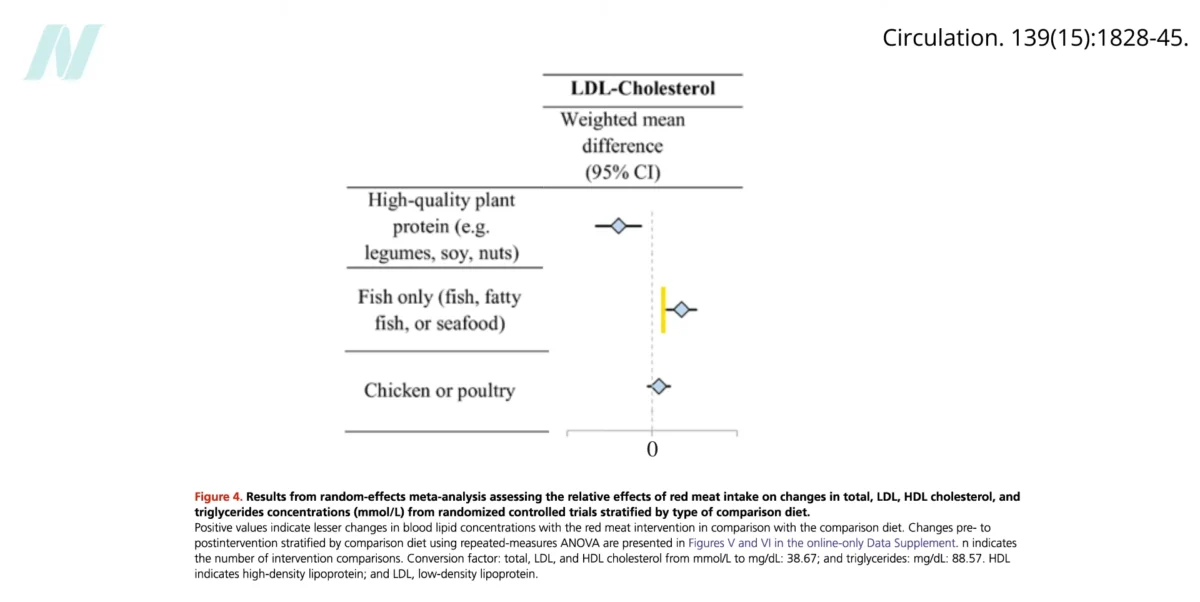
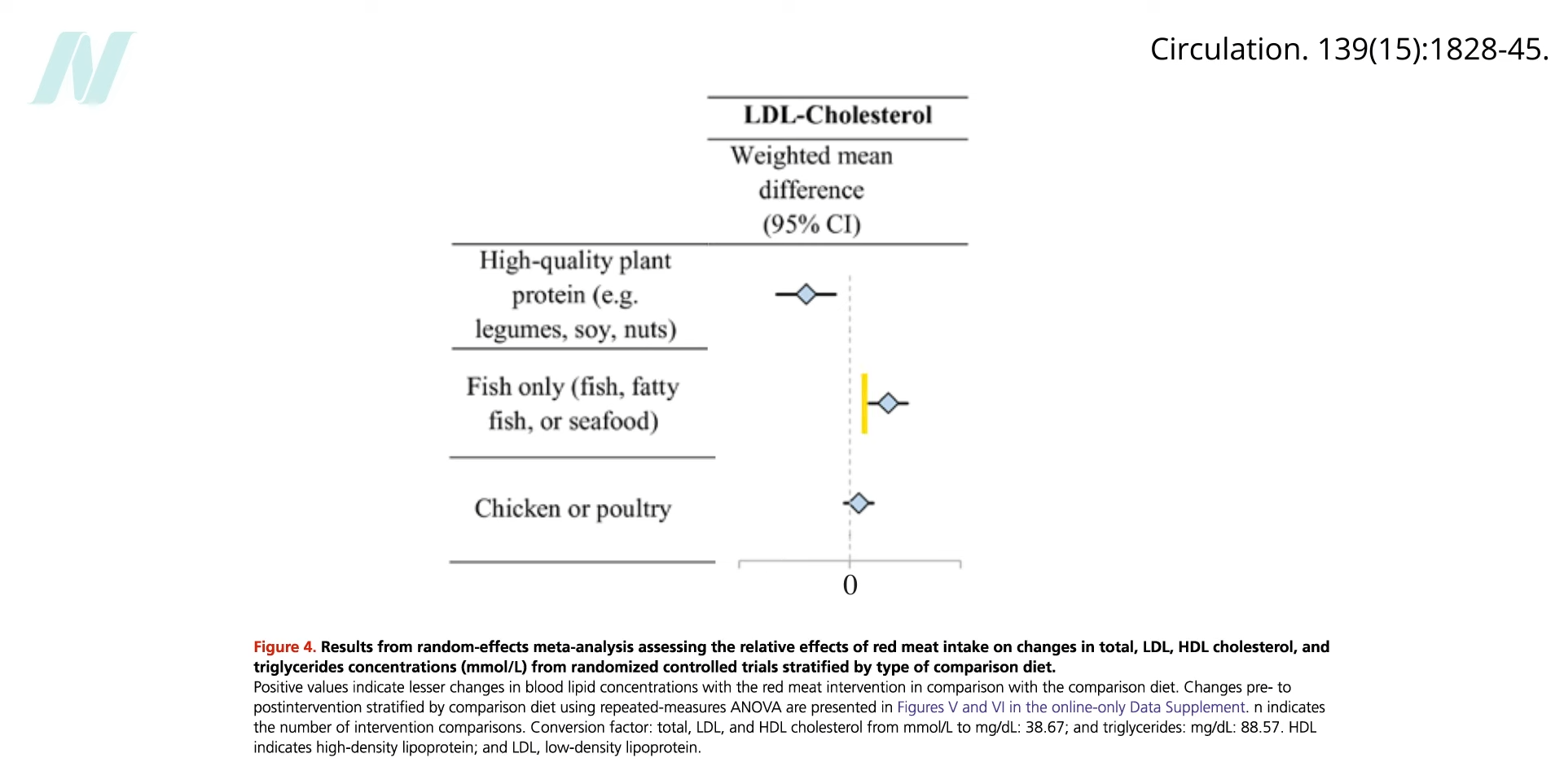
Drs. Neal Barnard and Walter Willett, in their editorial "The Misuse of Meta-analysis in Nutrition Research," highlighted a critical flaw in a meta-analysis concerning red meat consumption and cardiovascular risk. The core of their critique centered on the question: "Compared with what?" The meta-analysis in question examined 39 trials related to LDL cholesterol levels. Alarmingly, nearly 90% of these trials did not compare red meat consumption to a truly neutral or beneficial control group. Instead, they compared red meat to other types of meat, such as white meat (poultry).
This methodological approach is akin to testing the efficacy of a new drug by comparing it to an existing, less effective, or even harmful alternative, rather than a placebo or a demonstrably beneficial treatment. When researchers in this red meat meta-analysis used control diets consisting of chicken or fish, they were not isolating the impact of red meat itself, but rather the difference between various animal protein sources. The evidence suggests that, in terms of cholesterol impact, the detrimental effects of beef are comparable to those of fish and poultry.
The "Meat Swap" Tactic and its Implications
The strategy of comparing one meat to another, often referred to as a "meat swap," can lead to misleading conclusions. Imagine a study claiming that consuming Twinkies does not negatively impact health risk factors. If the "control" group in such a study was simply switched to eating Ding Dongs, and no improvement was observed, the conclusion might be that Twinkies are not harmful. This, however, is a fallacy, as both Twinkies and Ding Dongs are highly processed, sugary snacks with similar detrimental health profiles. The lack of observed difference stems from the fact that the comparison was between two similar, unhealthy options.
In the context of nutrition research, this "meat swap" tactic can obscure the true benefits of shifting away from animal protein altogether. When studies fail to compare animal protein to plant-based protein sources, they miss the opportunity to reveal the significant health advantages associated with the latter.
The Superiority of Plant-Based Protein Sources
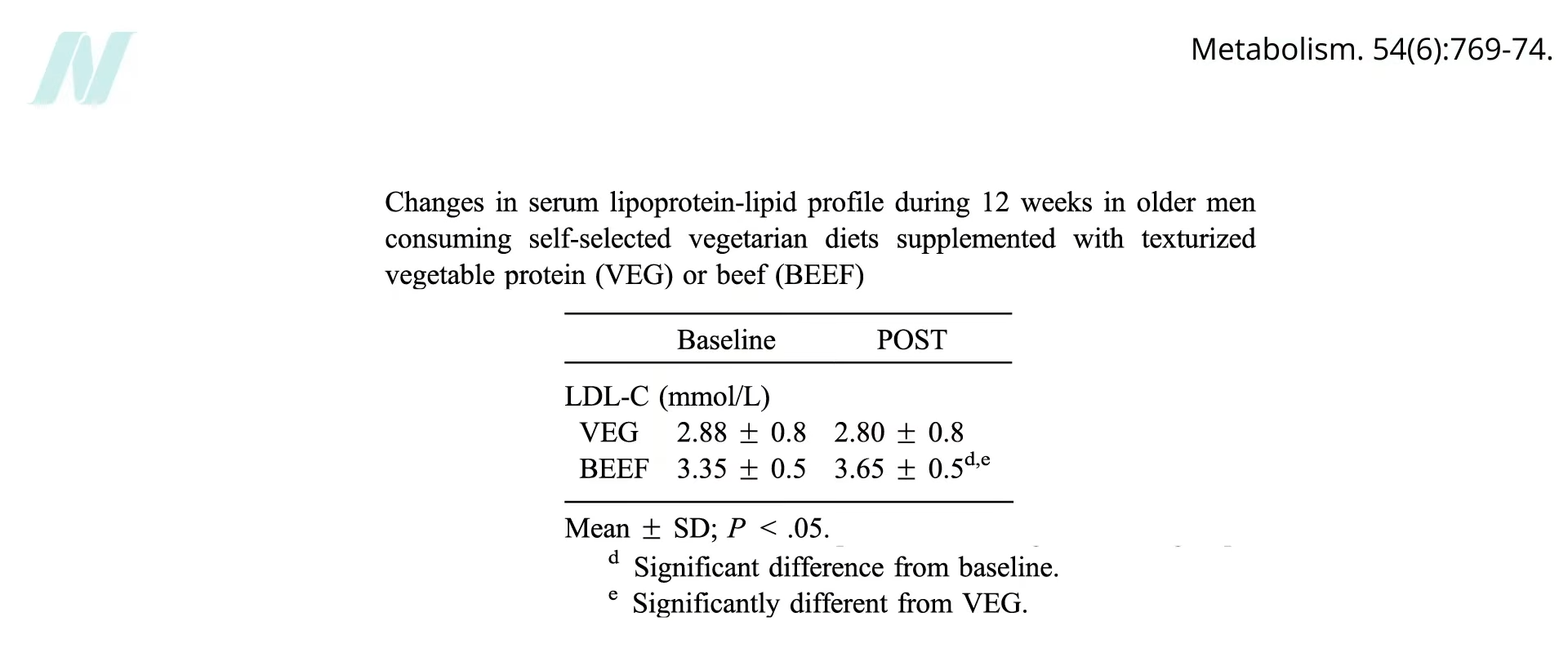
In contrast to studies that employ flawed comparative methodologies, research that directly compares animal protein to plant-based protein sources reveals a clearer picture. When meat is replaced with plant-based alternatives such as plant-based sausages, chicken patties, or veggie dogs, studies have consistently shown a significant reduction in cholesterol levels.
This effect is not solely attributable to lower saturated fat content in plant-based meats, although this is a contributing factor. Even independent of saturated fat, consuming red meat or white meat, regardless of its leanness, has been shown to result in higher LDL cholesterol levels when compared to non-meat protein sources. This finding supports recommendations that advocate for diets rich in plant-based foods.
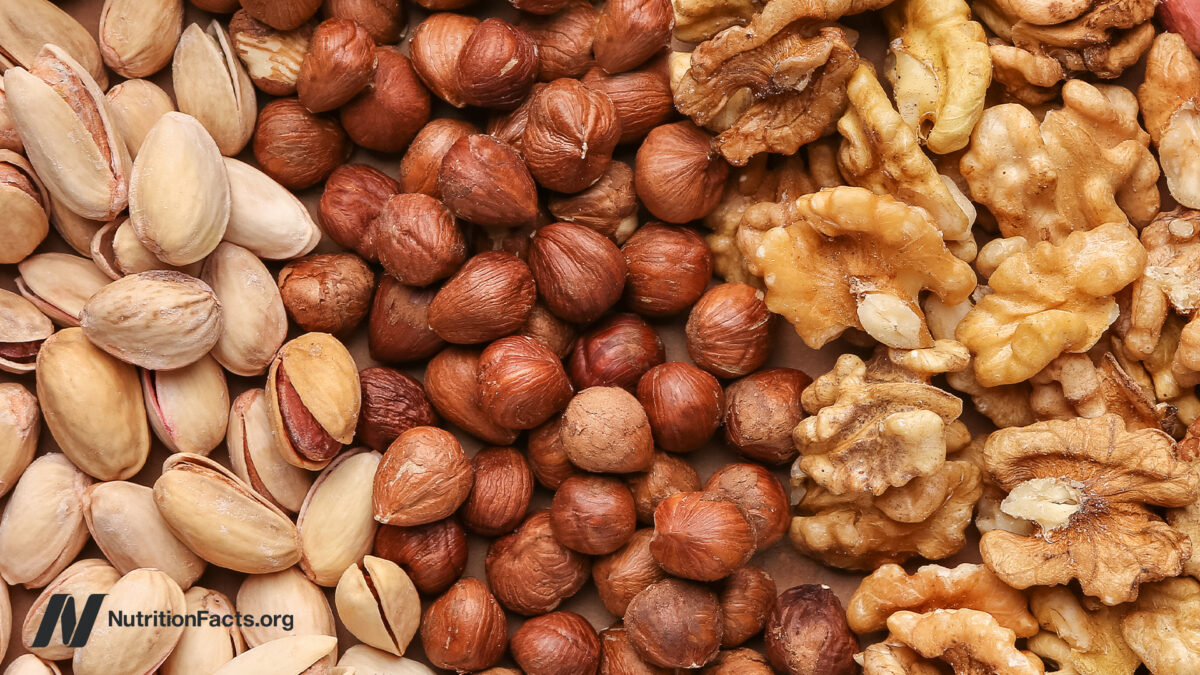
Furthermore, the comparison extends beyond plant-based meat substitutes. Research indicates that when comparing various protein sources, including different types of meat and fish, to plant-based options like soy, nuts, and legumes (beans, split peas, chickpeas, and lentils), the plant-based choices consistently yield better results for cholesterol management.
Examining the Impact of Different Animal Proteins
While the focus often lands on red meat, the impact of other animal proteins, including poultry and fish, also warrants attention. Some research suggests that white meat like chicken and turkey may be as detrimental to cardiovascular health as red meat. Fish, while often perceived as healthier, can also have negative effects, particularly when its saturated fat content is manipulated by the addition of ingredients like butter. At equivalent saturated fat levels, studies suggest fish may be worse than beef, and chicken is comparable to beef.
This underscores a critical point: the benefit observed in longevity studies involving nuts may not simply be about replacing one animal protein with another, but rather about replacing animal protein with plant-based protein, which offers a distinct set of health advantages.
The Longevity Connection: Nuts and Reduced Mortality Risk
The consumption of nuts has been consistently linked to a reduced risk of premature death. Replacing even a single serving of lean beef with an equivalent calorie amount of nuts or soybeans has been shown to lower LDL cholesterol, a key risk factor for heart disease, which remains a leading cause of mortality globally.
Studies have indicated that a daily serving of nuts is associated with a 22% reduction in the risk of premature death. This finding is significant enough to suggest that millions of deaths annually may be attributable to inadequate nut intake worldwide.
Independence of Nut Benefits: Not Just for "Health Nuts"
A crucial aspect of the benefits derived from nut consumption is that they appear to be independent of an individual’s overall health consciousness or existing health status. Research comparing a dozen different food groups has found that nuts outperform even vegetables in terms of reducing the risk of premature death. This suggests that the protective effects of nuts are robust and not confined to individuals already adhering to strict health regimens.
Moreover, the observed reduction in mortality associated with nut consumption is not limited to individuals who are already vegetarians or perceived as "health nuts." Studies have shown that the drop in heart attacks among more frequent nut eaters is as strong among non-vegetarians as it is among vegetarians. This indicates that incorporating nuts into a varied diet, even one that includes animal products, can still yield significant health benefits.
The "Doctor’s Note": Practical Recommendations and Further Inquiry
From a clinical perspective, incorporating nuts into one’s diet is a well-supported recommendation. Many health professionals, including those who advocate for evidence-based nutrition, suggest a daily intake of nuts. For instance, a daily recommendation of a quarter cup (approximately one ounce) of nuts is a common guideline.
The broader implications of this research extend to public health policy and dietary guidelines. Understanding the mechanisms by which nuts confer their benefits, and how these benefits are potentially masked or exaggerated by flawed research methodologies, is crucial for developing effective strategies to combat chronic diseases and promote longevity.
The pattern of industry influence in shaping nutritional discourse is a recurring theme. Further investigation into "The Corporate Playbook Behind Undermining Dietary Guidelines" and similar topics is essential for fostering a more transparent and scientifically sound approach to nutrition education and public health. The ongoing analysis of dietary patterns, protein sources, and their long-term health outcomes, free from the undue influence of vested interests, is paramount for guiding individuals toward healthier choices and a longer, more vibrant life.

