

Weight stigma, often described as the last "acceptable" form of bias, is a deeply ingrained societal issue characterized by the rampant discrimination and stereotyping of individuals based on their weight. This pervasive bias manifests in numerous aspects of life, from employment and social interactions to, alarmingly, healthcare settings. Recent research and historical studies highlight the profound and widespread nature of this discrimination, revealing its early onset in childhood and its persistent presence throughout adulthood, even within the medical community.
The Ubiquity of Weight Stigma
The sheer frequency with which overweight individuals experience stigmatization is staggering. A study involving fifty overweight women who meticulously documented instances of weight-based bias over a single week recorded over a thousand occurrences. This translates to an average of approximately three instances of harassment, encountering physical barriers, or experiencing perceived poorer service daily. While obese men report less discrimination than women of similar size, it remains a significant concern, with daily occurrences being not uncommon.
This is not a matter of subjective perception; empirical evidence supports these claims. When professional actors, made to appear overweight using theatrical prosthetics, applied for jobs, they were significantly more likely to face discrimination compared to when they presented at their normal weight. This employment bias disproportionately affected women, indicating a gendered dimension to weight-based prejudice in the workforce.
Societal Perceptions and Early Origins of Bias
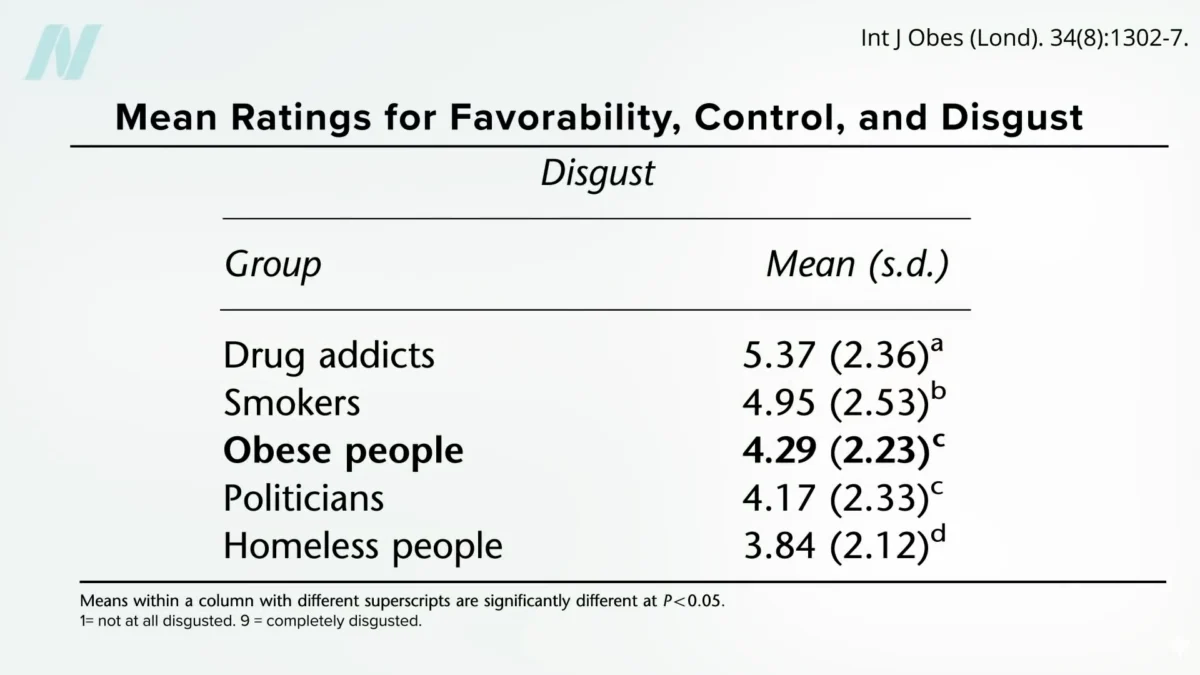
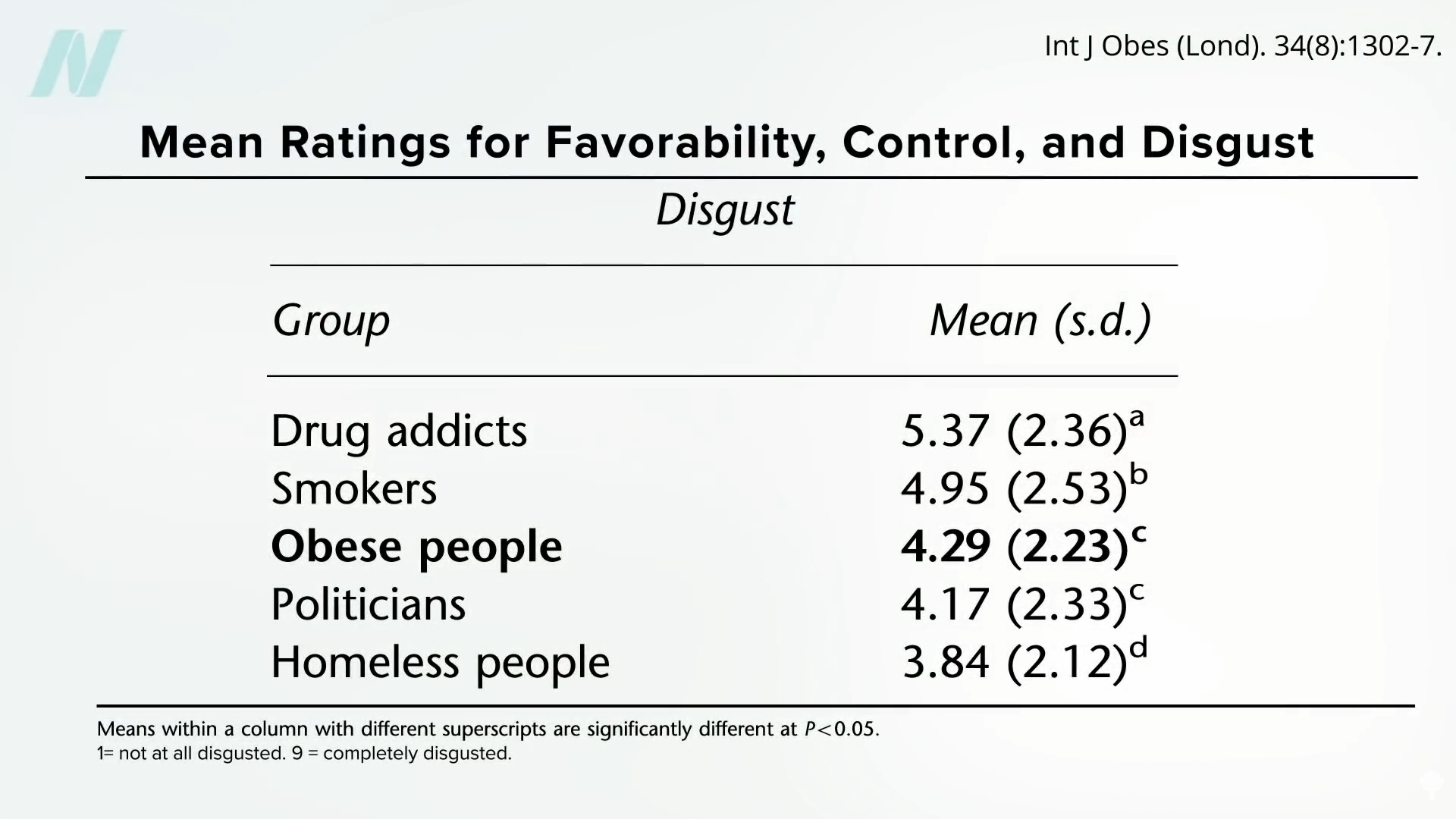
Surveys exploring societal attitudes reveal the extent to which overweight individuals are viewed negatively. In a comparison of sixteen stigmatized social groups, including those experiencing homelessness, only drug addicts and smokers were perceived as more "disgusting" than obese individuals. This finding underscores the depth of negative sentiment associated with obesity in the public consciousness. Interestingly, obese individuals were rated as equally disgusting as politicians in this particular survey, highlighting a complex and perhaps politically charged element to this perception.
The roots of this prejudice are alarmingly deep, beginning in early childhood. Children as young as three years old have been observed to describe overweight peers using derogatory terms such as "mean," "stupid," "lazy," and "ugly." The negative language and perceptions intensify with age, indicating that these biases are learned and reinforced over time.

A seminal study published in 1961 provided compelling evidence of this early bias. Children across diverse social, cultural, and ethnic backgrounds in various Californian, Montanan, and New York schools were shown pictures of different children and asked to rank their preferences. The images included children with disabilities such as crutches, wheelchairs, missing limbs, and facial disfigurements, alongside an obese child. In every group tested, the obese child consistently ranked last, demonstrating a remarkable uniformity in this negative judgment.
A Worsening Trend Over Decades
The alarming trend of weight stigmatization has not abated; in fact, it has intensified over time. A forty-year follow-up study, published in 2003, replicated the 1961 experiment. The findings, starkly summarized in the study’s title, "Getting Worse: The Stigmatization of Obese Children," revealed that the obese child was liked even less in the follow-up study than in 1961. This deterioration mirrors broader societal trends, with national surveys recording a nearly 70% increase in perceived weight discrimination since the mid-1990s, a period marked by increased media attention on obesity and evolving public health discourse.
The attitudes of educators and even parents can contribute to this harmful environment. More than a quarter of teachers and school staff surveyed admitted that becoming obese is "one of the worst things that could happen to a person." Parental bias has also been documented, with some parents providing less support for college education for their overweight daughters compared to their thinner siblings. As two prominent obesity researchers noted, "It is strong prejudice indeed when parents discriminate against their own children," underscoring the profound personal impact of such biases.
Weight Stigma Within the Healthcare System
Perhaps one of the most concerning areas where weight stigma manifests is within healthcare. A representative national survey revealed that over half of physicians harbored negative views of obese patients, describing them as "awkward, unattractive, ugly, and noncompliant." Alarmingly, about a quarter of nurses agreed or strongly agreed with the statement, "Caring for an obese patient usually repulses me." This indicates a deeply embedded bias within the medical profession, which can have profound consequences for patient care.
Implications for Health Outcomes
This antagonism within healthcare settings can lead to serious health consequences for those who are already at higher risk. For instance, obese women face increased risks for developing cervical, endometrial, and ovarian cancers. However, studies indicate they are less likely to receive recommended screenings for these conditions. Morbidly obese patients have approximately half the odds of receiving their recommended pelvic exams. While patient avoidance can be a factor, some healthcare providers actively turn away obese patients. A poll of OB/GYN practices in Florida found that as many as one in seven refused to see heavier women, setting weight cut-offs for new patients as low as 200 pounds. This directly impedes access to essential preventive care and potentially delays diagnosis and treatment of serious conditions.
Even physicians who claim to welcome obese patients may inadvertently provide suboptimal care. A study involving physicians presented with a migraine patient’s chart, varying only the patient’s weight (average, overweight, or obese), found that they allocated approximately 28% less time to the obese patient. Furthermore, recorded doctor-patient visits revealed that physicians tend to build "less emotional rapport with overweight and obese patients." This reduction in both quantity and quality of care can lead to poorer patient outcomes, increased patient dissatisfaction, and a breakdown of trust in the healthcare system.
Bias Among Obesity Specialists
The problem is not confined to general practitioners; even obesity specialists, those ostensibly dedicated to addressing weight-related health issues, exhibit concerning levels of anti-fat attitudes. Surveys conducted between 2001 and 2013 revealed that obesity specialists increasingly described fat people as "significantly more lazy, stupid, and worthless compared to thin people." This stark finding suggests that the very individuals tasked with helping people manage their weight may harbor the very biases that hinder effective care and perpetuate stigma.
The language used in medical literature itself can sometimes reflect this bias. For example, an article published in the Annals of Internal Medicine contained the statement, "Obesity is an aesthetic crime: it is ugly." Such phrasing, even if intended to provoke discussion, contributes to the normalization of negative attitudes towards weight.
The Facade of Respect
Despite these deeply held negative attitudes, there is evidence that physicians may successfully mask their disdain from patients. A study titled "Obese Patients Overestimate Physicians’ Attitudes of Respect" found that while doctors harbored negative views, their obese patients generally reported satisfaction with their care. The researchers concluded, "While physicians may be successfully playing the part, the lack of true respect suggests the authenticity of the patient-physician relationship should be questioned." This disconnect raises concerns about the long-term impact on patient trust and the potential for subtle, unacknowledged biases to influence clinical decision-making and patient interactions.
Moving Forward: Addressing the Burden of Weight Bias
The pervasive nature of weight stigma, from childhood to professional settings, presents a significant public health challenge. Its impact extends beyond emotional distress, directly affecting individuals’ access to opportunities, social inclusion, and, critically, quality healthcare. Understanding the multifaceted origins and manifestations of this bias is the first step toward dismantling it. Future efforts must focus on comprehensive anti-stigma training for healthcare professionals, educational initiatives to combat prejudice from a young age, and a broader societal shift towards body acceptance and respectful discourse surrounding weight.
This exploration of weight stigma is part of a two-part series. The subsequent blog, "The Burden of Weight Bias," will delve deeper into the specific challenges and consequences faced by individuals experiencing this pervasive discrimination. Both articles draw content from the book How Not to Diet.

