

Ten years after the passing of Zen Master Thich Nhat Hanh, revered as "Thay" by his followers, the practice of "Touching the Earth" continues to resonate deeply within the Plum Village tradition and beyond. This profound contemplative practice, rooted in the understanding of interbeing and the interconnectedness of all things, offers a pathway to healing, solace, and a deeper connection with ourselves, each other, and the planet. This article explores the origins, evolution, and enduring significance of Touching the Earth, examining its philosophical underpinnings and its practical application in contemporary spiritual life.
The Genesis of a Practice: Honoring Mother Earth
The practice of Touching the Earth, as articulated by Thich Nhat Hanh, is more than a physical act; it is a conscious engagement with the living presence of Mother Earth. The author of this piece, reflecting on a solitary day spent in the serene surroundings of Plum Village’s New Hamlet in France, describes an immersive experience of nature. This personal narrative, unfolding on a crisp autumn day overlooking the plum orchards, encapsulates the essence of the practice: a deliberate slowing down, an intentional absence of external demands, and a deep absorption in the sensory richness of the natural world.
"I want to spend a day outdoors, from morning until evening, simply savoring the beauties of nature, absorbing the rare autumn sunlight, and allowing my body and mind to be embraced and healed by Mother Earth," the author recounts. This desire for a "lazy day," free from the incessant demands of talking and thinking about the past, present, or future, highlights a core tenet of the practice: the creation of space for inner awareness and emotional processing.
Touching the Earth: A Buddhist Contemplation
Within the Plum Village tradition, Touching the Earth is often performed through bowing before an altar, with practitioners bringing their palms and forehead to the ground as an expression of reverence and respect. This physical gesture is not merely symbolic but serves as a tangible act of refuge, a deep acknowledgment of a benevolent, enduring presence. As Thich Nhat Hanh himself taught, Mother Earth is not an inert object but a living bodhisattva, an enlightened being who sustains all life. He referred to her as "Bodhisattva Gaia," the mother of all beings, who brings us into existence, nourishes us, and welcomes us back upon our departure from physical form.
The practice is informed by the Mahayana Buddhist concept of emptiness (sunyata) and the understanding that all phenomena are interdependent. Mother Earth, in this view, is not separate from us but is an integral part of our own being. This perspective challenges the dualistic separation of humanity and nature, fostering a sense of profound responsibility and interconnectedness.
Historical Context and Philosophical Roots
The roots of Touching the Earth can be traced to ancient contemplative traditions that emphasize reverence for the natural world. While the specific formulation within Plum Village is attributed to Thich Nhat Hanh, the underlying sentiment aligns with a long-standing Buddhist recognition of the sacredness of life and the environment. The concept of "Bodhisattva Gaia" is a modern interpretation that bridges traditional Buddhist philosophy with ecological awareness, recognizing the Earth as a sentient entity deserving of deep care and respect.
Thich Nhat Hanh, a globally recognized peace activist and Zen master, founded the Plum Village tradition in 1969 in France. His teachings consistently emphasized mindfulness, compassion, and the interconnectedness of all beings. The practice of Touching the Earth is a direct embodiment of these principles, offering a tangible way for individuals to connect with these profound truths.
The Suffering of Mother Earth: A Call to Awareness
The author’s reflection extends to the suffering of Mother Earth, a consequence of human actions. "I often wonder whether Bodhisattva Gaia suffers to see her children killing each other and slowly poisoning, polluting, and killing her body, the earth," the author muses, receiving the internal answer: "Yes, Mother Earth is suffering." This acknowledgment of planetary distress is central to the contemporary relevance of the practice.
This sentiment echoes broader concerns about the global environmental crisis, characterized by climate change, pollution, and biodiversity loss. Scientific data from organizations like the Intergovernmental Panel on Climate Change (IPCC) consistently highlight the severe impacts of human activity on the planet’s ecosystems, underscoring the urgency of a fundamental shift in human consciousness and behavior. The practice of Touching the Earth serves as a personal and collective antidote to this pervasive sense of disconnection and harm.
Implications for Environmental Stewardship
The implication of recognizing Mother Earth as a suffering bodhisattva is a profound ethical imperative. If we perceive the Earth as a living being, then harming her is akin to harming ourselves and our loved ones. This understanding fosters a deeper sense of ecological responsibility, moving beyond abstract environmental policies to a felt sense of connection and empathy. This can translate into tangible actions, from reducing one’s carbon footprint to advocating for environmental protection policies.
The Healing Power of Mindful Steps
The practice is not solely about acknowledging suffering but also about generating healing energies. The author describes how "every time we walk with peace and stability, we imprint these wholesome energies on the earth." This mindful walking, imbued with peace, love, and stability, becomes a restorative act for both the individual and the planet. It is a reciprocal exchange: as we offer peace to the Earth, she, in turn, nourishes and heals us.

The author vividly portrays this reciprocal healing: "The soles of my feet feel warm and alive. I can feel the healing presence of Mother Earth flowing through my body and mind, and I can send this healing energy to Ma, now one with the elements and the earth itself." This connection underscores the profound impact of mindful presence on our well-being and our capacity to extend healing to others, even those who have passed.
The Practice of "I Am Here for You"
A simple yet powerful mantra often associated with this practice is "I am here for you" (inhaled) and "I am grateful to you" (exhaled). This exchange of intention and gratitude reinforces the symbiotic relationship between practitioner and planet. The act of breathing in and out while walking mindfully becomes a continuous affirmation of this connection, transforming each step into an act of love and recognition.
Personal Reflections and Ancestral Connections
The article delves into a deeply personal narrative, recounting a poignant memory of the author’s mother, referred to as "Ma," and her own engagement with the practice of Touching the Earth. Before her stroke, Ma actively participated in this practice, finding solace and comfort in connecting with the Buddhas and bodhisattvas through bowing. Her words, "Every time I breathe in as I touch the earth before the Buddha, I see a lotus blossoming in my heart. When I breathe out as I touch the earth, I smile to the Buddha," encapsulate the joy and devotion inherent in her practice.
The author’s inability to engage in the practice with her mother after her illness highlights the transformative power of continuity. "Now, Ma is unable to touch the earth, but I can do it for her," the author states, demonstrating how the practice can be extended to honor and support loved ones, even across the veil of physical existence.
The Practice of Invoking Ancestors
Beyond honoring Mother Earth, the practice extends to invoking the presence of spiritual ancestors. The author recounts a personal experience of deep pain after a falling out with a friend. In the darkness of night, seeking solace and clarity, the author called upon the presence of the Venerable Shariputra, a highly revered disciple of the Buddha. Walking mindfully, silently reciting, "Dear elder brother Shariputra, please shed light on me so I can have clarity to embrace and understand my pain," the author experienced a profound shift.
This invocation of an ancestral figure illustrates the concept of interbeing, where the wisdom and strength of those who have walked before us are accessible within us. The author’s realization, "Venerable Shariputra was not outside of me, was not someone who lived more than twenty five centuries ago, but was alive in my heart," underscores the idea that our spiritual lineage is not a historical relic but a living presence.
The Wisdom of Interbeing
Thich Nhat Hanh’s teachings on "interbeing" are central to understanding this aspect of the practice. The core message is that "We cannot exist alone. Everything is in us. We are in everything." This understanding extends to our relationships with our ancestors and our mother. As the author poignantly states, "It is the same with my mother. She is not just outside of me. My mother is in me. I am made of her, made of all her sufferings, joys, and life experiences. I carry her into the future."
This profound recognition of interconnectedness offers a pathway to healing not only for ourselves but also for our lineage. When we are healed, our ancestors are, in a sense, healed through us. Their joys and sorrows are carried forward, and our own healing brings a sense of peace and fulfillment to their legacy.
Contemporary Applications and the Art of Presence
The practice of Touching the Earth, as embodied in the author’s solitary retreat and her ongoing engagement with her mother’s memory, offers a potent antidote to the anxieties and disconnects of modern life. The article concludes with a description of the author’s daily practice during her retreat: breathing in, bringing palms to forehead and heart, recollecting a buddha or bodhisattva, and then breathing out while bowing to touch the earth. This ritual, repeated with deep mindfulness, signifies a continuous return to the present moment and a profound connection with the sacred.
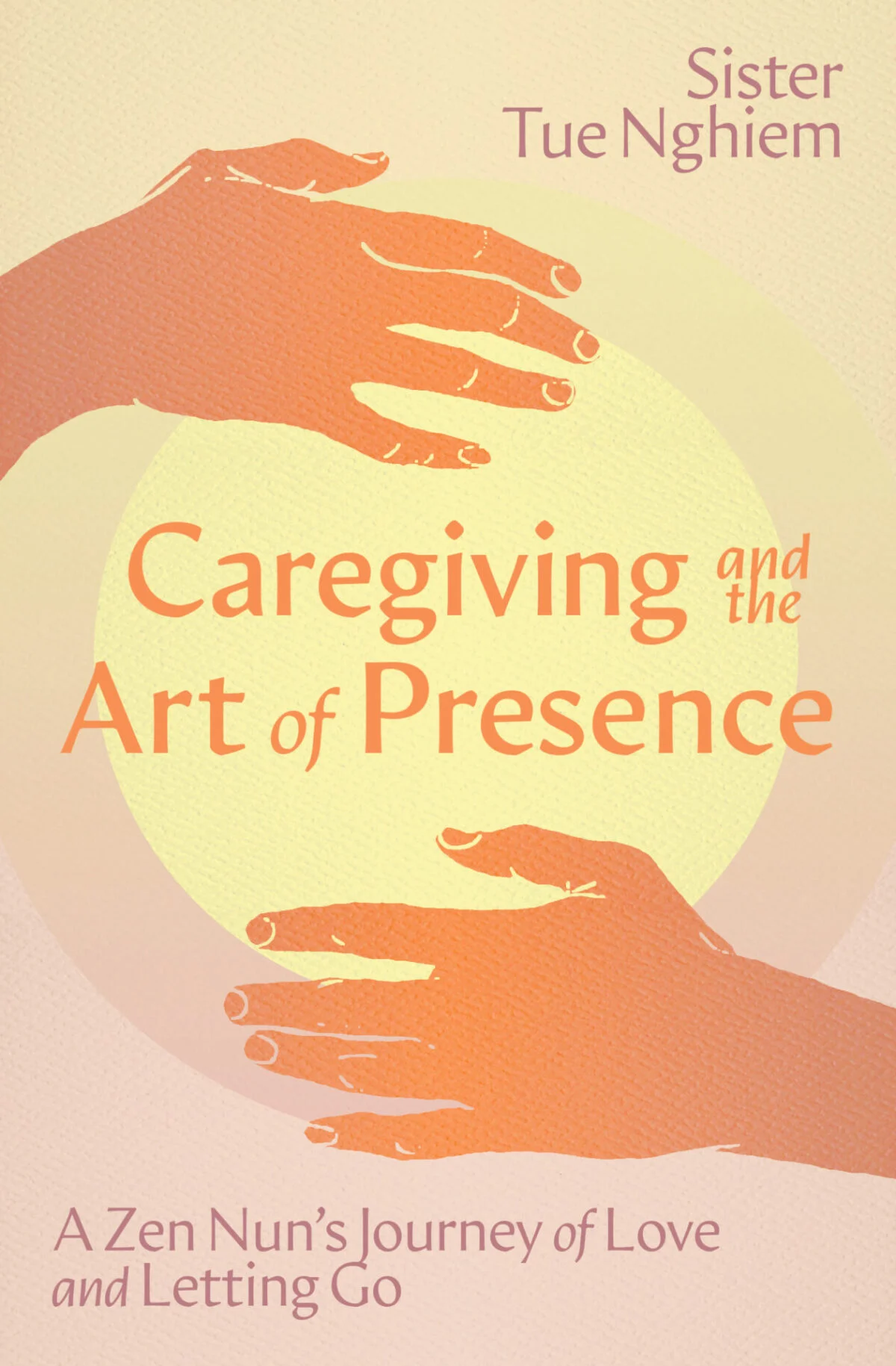
The inclusion of an image of the book "Caregiving and the Art of Presence" by Thich Nhat Hanh and the Parallax Press further contextualizes the practice within the broader scope of Thich Nhat Hanh’s teachings, which often emphasize compassionate caregiving and the cultivation of presence. This suggests that the principles of Touching the Earth are not confined to formal meditation but can inform all aspects of life, particularly in nurturing relationships and facing life’s challenges with grace and wisdom.
The enduring legacy of Thich Nhat Hanh and the practice of Touching the Earth offer a timeless reminder of our profound connection to the Earth, our ancestors, and each other. In a world often characterized by fragmentation and discord, this practice provides a grounding force, a pathway to healing, and a source of enduring peace and wisdom.

