

For centuries, the way humans relieve themselves has been a subject of both practical necessity and, in many Western societies, a matter of hushed discussion. While Western cultures have largely adopted the seated toilet posture, traditional societies in Asia and Africa continue to favor squatting. This divergence in practice raises questions about the physiological impact of body position on defecation, a topic that has seen renewed scientific and consumer interest, notably with the advent of products like the Squatty Potty.
The Mechanics of Defecation: Anorectal Angle and Posture
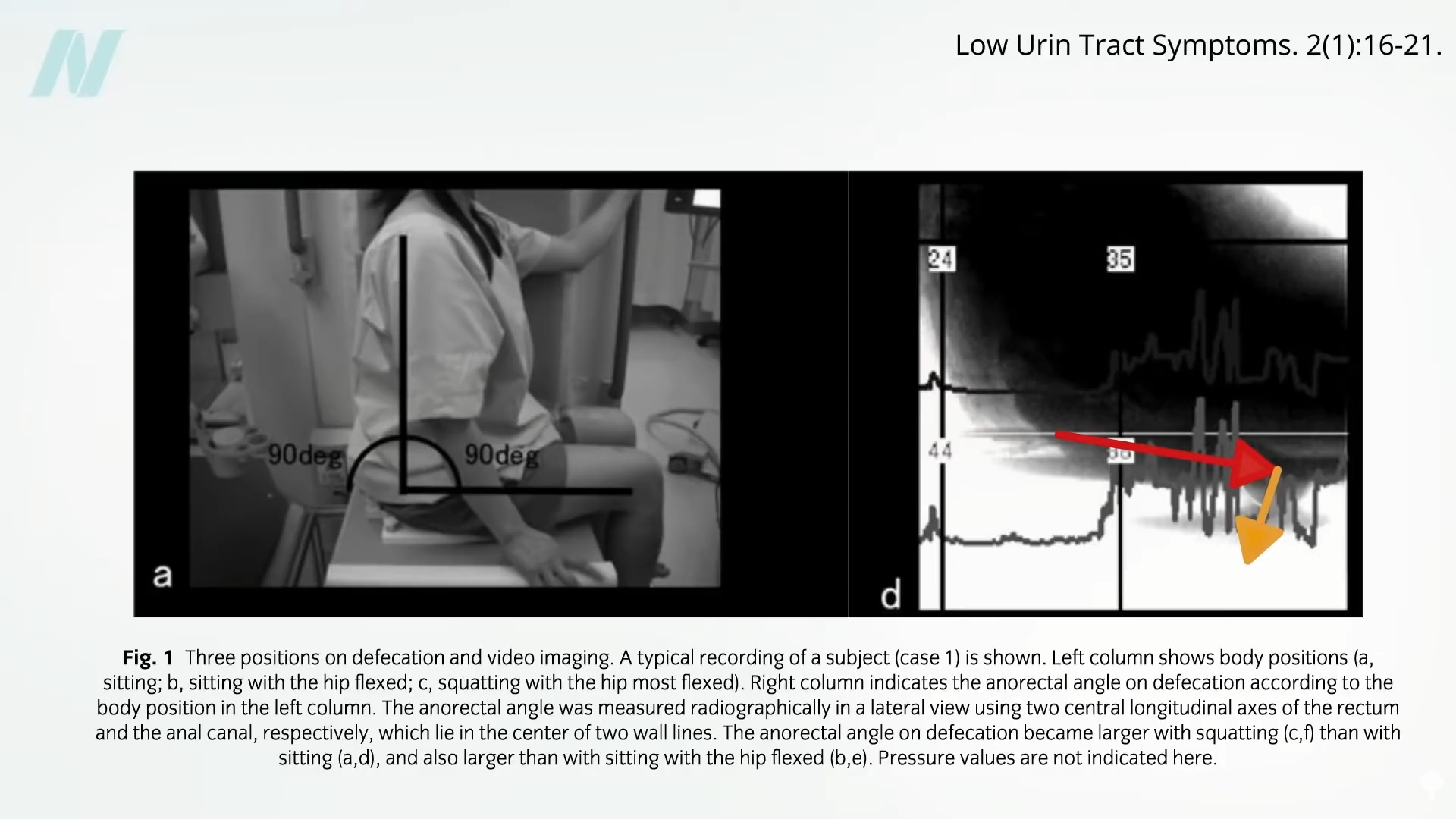
At the core of the discussion is the anorectal angle, the degree of curvature between the rectum and the anus. In a seated position on a standard Western toilet, this angle is approximately 90 degrees. This configuration, while effective at preventing accidental bowel leakage during everyday activities, presents a significant impediment when the body attempts to evacuate stool. The stool must navigate this sharp turn, requiring increased muscular effort and potentially leading to incomplete evacuation.
Conversely, the squatting posture, traditionally practiced in many parts of the world, significantly alters this angle. By bringing the knees closer to the chest, squatting straightens the anorectal canal, creating a more direct and unobstructed pathway for stool passage. This anatomical advantage has long been recognized in cultures where squatting is the norm, often associated with effortless and complete bowel movements.
The Rise of the Squatting Aid: Addressing a Modern Dilemma
The discomfort and inefficiency associated with the seated defecation posture have led to innovative solutions aimed at replicating the benefits of squatting in a modern bathroom setting. One such innovation is the Squatty Potty, a footstool designed to elevate the user’s feet, thereby increasing the knee-to-chest angle and effectively changing the anorectal angle.
Previous attempts to address this issue through simpler footstools, which offered a modest four-inch elevation, yielded mixed results. Studies indicated that these less substantial risers did not significantly improve self-reported ease of defecation or reduce the time spent on the toilet. This lack of substantial impact suggested that a greater degree of elevation might be necessary to achieve a meaningful physiological change.
Scientific Scrutiny: Evaluating the Squatty Potty’s Efficacy
The Squatty Potty, with its design offering double the height of earlier models, has attracted scientific attention. Researchers have investigated its effectiveness in improving the defecation process. In a study implementing a device described as a "Defecation Posture Modification Device," which aligns with the functionality of the Squatty Potty, participants reported notable improvements.
Key findings from this research included:
- Increased feelings of bowel emptiness: Participants felt more thoroughly emptied after using the device.
- Reduced straining: The need to exert significant muscular effort during defecation was diminished.
- Decreased time on the toilet: On average, participants spent approximately one minute less on the toilet.
These results suggest that the Squatty Potty, by facilitating a more optimal anorectal angle, can contribute to a more efficient and comfortable bowel movement.
Challenges and Considerations: Discomfort and Alternative Approaches
Despite the demonstrated benefits, the use of squatting aids is not without its challenges. A prior trial examining even a six-inch riser revealed that participants experienced significant discomfort, leading some to discontinue their use. This highlights a potential trade-off between the physiological advantages of an altered posture and the user’s comfort. The ideal height and design that maximize efficacy while minimizing discomfort remain areas of ongoing consideration.
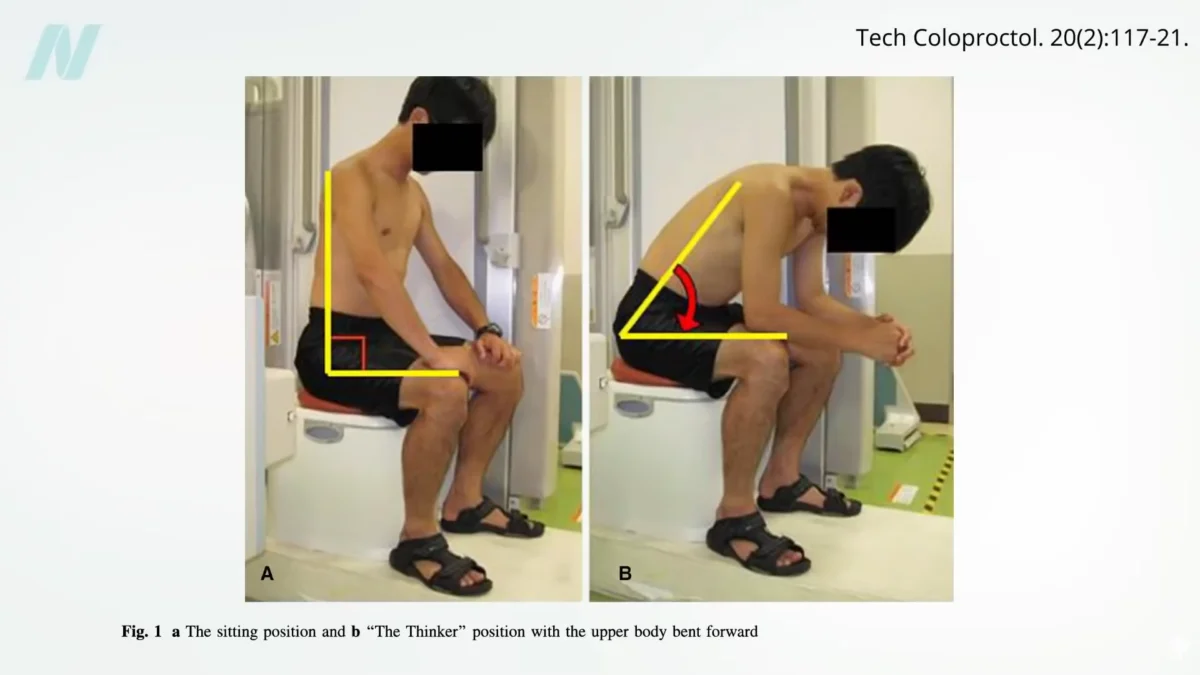
Beyond dedicated devices, researchers have explored alternative postures that can achieve a similar effect. One notable investigation focused on "The Thinker" pose, a position reminiscent of Rodin’s famous sculpture, where individuals lean forward with their elbows resting on their knees. This posture, when studied using cinedefecography (a radiographic technique that visualizes the process of defecation), was found to open the anorectal angle to over 130 degrees. This angle is considerably more open than that achieved by simply raising the feet, which typically results in an angle around 90 degrees.
The implications of "The Thinker" pose suggest that a simple, no-cost modification of posture – leaning forward – might offer a more efficient method for defecation. While this position has shown promise in improving the anorectal angle, its specific impact on constipation has not yet been formally evaluated in large-scale clinical trials.
Broader Health Implications: Straining and Cardiovascular Risk
The act of straining during defecation carries significant health implications, particularly for individuals with pre-existing cardiovascular conditions. The increased intra-abdominal pressure and subsequent spike in blood pressure in the heart and brain associated with bearing down can, in extreme cases, lead to serious events such as heart attack and stroke. In Japan, straining during defecation has been identified as a common activity preceding sudden death. Individuals who are bedridden or have limited mobility appear to be at a particularly elevated risk, underscoring the importance of facilitating easier bowel movements, even in a hospital or home-care setting, by positioning patients in a more upright manner to reduce strain.
The Diet-Posture Debate: A Holistic Perspective
The discussion surrounding defecation posture is multifaceted and has prompted broader reflection on the interplay between posture, diet, and bowel health. Historically, proponents of squatting have attributed the perceived ease of defecation in traditional societies to their plumbing methods, linking the "porcelain throne" to various Western ailments. However, a nearly 50-year-old commentary offered a more nuanced perspective, suggesting that the diet of people who squat out of necessity may be a more significant factor.
These communities often consume less refined, more natural foods rich in fiber. It is well-established that adequate dietary fiber intake is crucial for regular bowel movements, softening stool and promoting its smooth passage. The argument posits that by increasing dietary fiber, individuals experiencing constipation might be able to achieve effortless bowel movements without the need for specific toilet modifications. This perspective suggests that a focus on dietary adjustments could potentially alleviate the need to alter bathroom plumbing or posture, offering a complementary or even alternative approach to improving bowel regularity.
Expert Commentary and Future Directions
The ongoing exploration of defecation posture underscores a growing recognition of its importance in digestive health. While the Squatty Potty and similar devices offer a tangible solution for many, the scientific community continues to investigate the optimal physiological positions for bowel evacuation. Further research is warranted to:
- Quantify the long-term efficacy of squatting aids: Beyond immediate reported benefits, understanding the sustained impact on bowel regularity and the reduction of constipation-related issues is crucial.
- Optimize discomfort mitigation: Developing squatting aids or recommending postures that balance physiological benefits with user comfort is essential for widespread adoption.
- Investigate alternative postures: Rigorous clinical trials are needed to confirm the efficacy of postures like "The Thinker" for various populations, including those with chronic constipation.
- Integrate dietary and postural recommendations: A comprehensive approach that combines optimal dietary fiber intake with appropriate defecation posture is likely to yield the most significant improvements in bowel health.
The scientific and consumer interest in optimizing defecation posture reflects a broader trend towards understanding the body’s natural processes and finding evidence-based solutions for common health concerns. The journey from traditional practices to modern innovations, informed by scientific inquiry, continues to shed light on this fundamental aspect of human well-being.

