

The question of whether certain foods can counteract the negative health impacts of indulging in less healthy options is a persistent one. Recent scientific investigations are shedding light on the complex interplay between diet and cardiovascular health, particularly concerning the function of arteries, the critical conduits for blood flow throughout the body. Research consistently points towards the protective benefits of plant-based diets, while also exploring the potential of specific whole foods to buffer the adverse effects of less nutritious meals.
The Superiority of Vegetarian Diets for Arterial Health
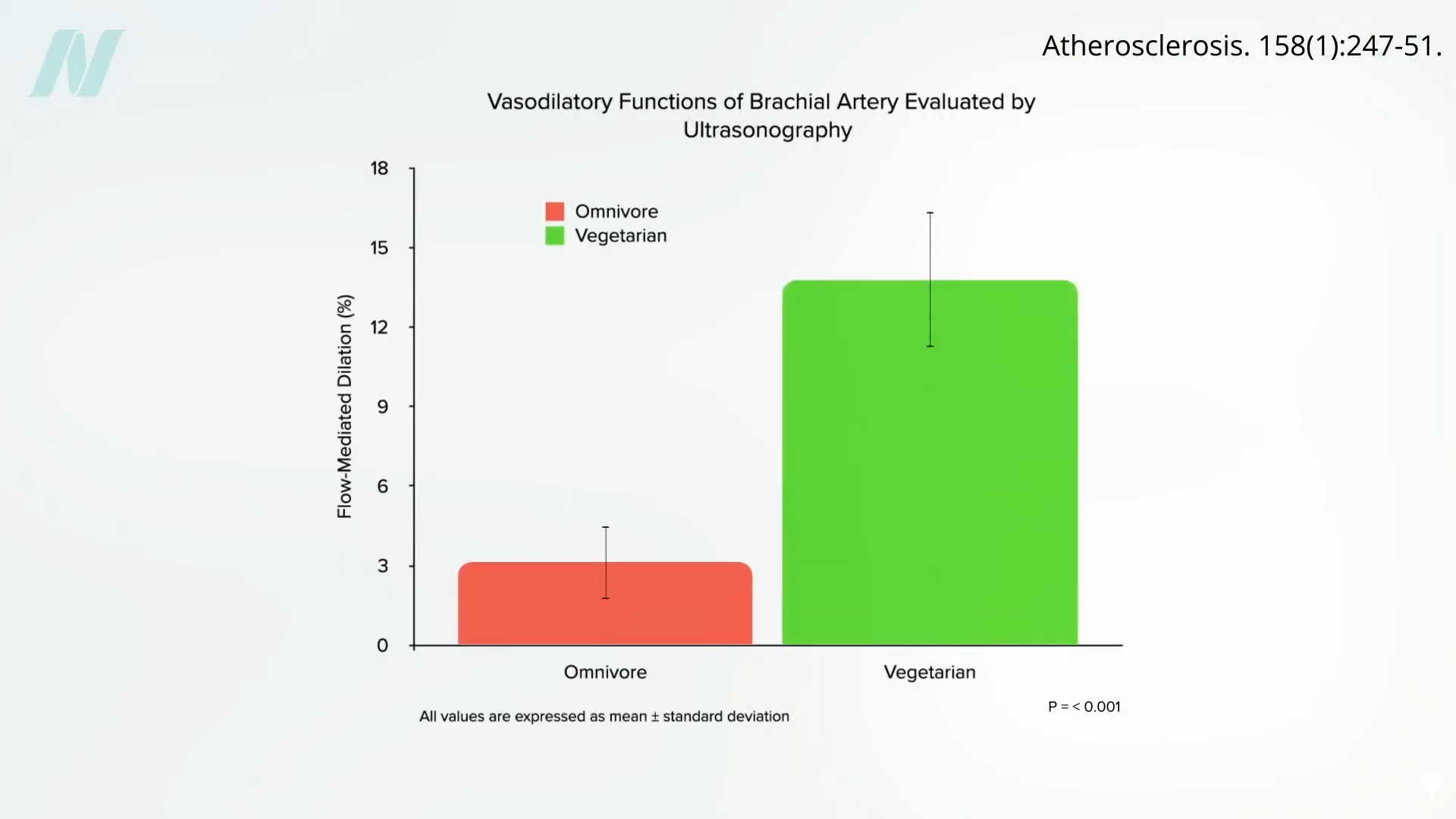
A landmark study directly comparing the arterial function of vegetarians and meat-eaters revealed a striking difference. The ability of arteries to dilate, or widen, to accommodate increased blood flow was found to be significantly superior among individuals following a vegetarian diet. This difference was not marginal; the study indicated that vegetarians exhibited an artery function that was up to four times better than their meat-eating counterparts. This finding, visually represented in early research findings and video analyses, underscores a fundamental advantage of plant-centric eating patterns for vascular health.
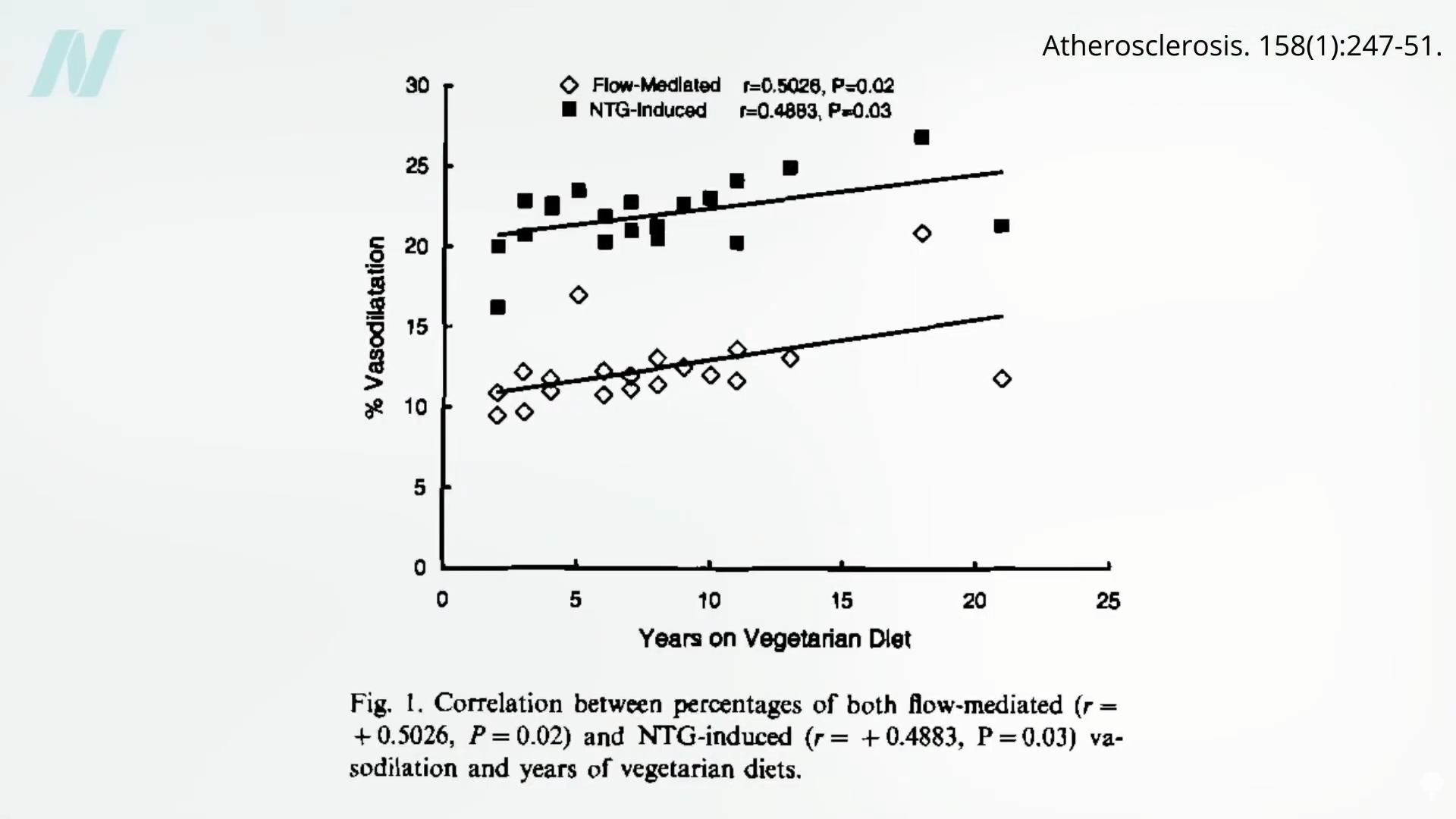
While it’s acknowledged that vegetarians may, on average, exhibit healthier lifestyle choices such as lower smoking rates, slimmer physiques, and reduced prevalence of conditions like diabetes, high cholesterol, and hypertension, researchers meticulously controlled for these variables. The study specifically recruited healthy, non-smoking participants and ensured that the meat-eating cohort was matched for factors like slimness, blood pressure, and cholesterol levels. Despite these rigorous controls, the vegetarian group consistently demonstrated superior arterial function. Furthermore, the duration of adherence to a vegetarian diet appeared to have a cumulative beneficial effect. The longer an individual abstained from meat, the better their arterial function became, suggesting a direct and progressive positive impact of a meat-free lifestyle. This observation challenges the notion that age-related decline in artery function is inevitable, indicating that dietary choices can actively improve, rather than merely preserve, vascular health over time.
The implications of these findings are substantial. They suggest that vegetarian diets, by their inherent composition, may exert a direct beneficial influence on artery function, potentially explaining the observed lower rates of atherosclerosis (the hardening and narrowing of arteries) and cardiovascular mortality in vegetarian populations. The research posits that the food itself, rather than just the absence of meat’s detrimental effects, is the key. This opens avenues for exploring the specific components of plant-based diets that contribute to this vascular resilience. It’s plausible that vegetarians consume a higher quantity of nutrient-dense whole plant foods, such as an additional serving of vegetables per day, which could contribute to these positive outcomes.
Navigating the Impact of Fats: Animal vs. Plant
Further research has delved into the immediate effects of different types of meals on arterial function. A comparison between a high-fat, animal-based fast-food meal (an Egg McMuffin, Sausage McMuffin, and hash brown patties) and a sugary cereal meal (Frosted Flakes) demonstrated a clear disparity. The fatty fast-food meal was found to impair artery function within hours of consumption, while the sugary cereal did not elicit the same immediate negative response. This initial observation led researchers to attribute the impairment to the fat content. However, subsequent investigations suggest that the type of fat may be more critical.
High-fat foods derived from plants, such as nuts, do not appear to have the same detrimental effect on artery function. In fact, a comprehensive systematic review of randomized controlled trials examining the impact of nut consumption on arterial function revealed that incorporating nuts into the diet actually leads to significant improvements over time. This distinction between animal and plant-based fats is crucial for understanding dietary recommendations.
Can Specific Foods Counteract Arterial Damage?
This raises a critical question: can specific foods mitigate the artery-crippling effects of less healthy meals? Research has begun to explore this possibility with various whole foods. For instance, studies have investigated whether nuts can counteract the impact of a meal like a salami sandwich. The results suggest that while walnuts may offer some protective benefits, almonds did not demonstrate a similar capacity to offset the arterial dysfunction caused by such a meal. This highlights that not all nuts are created equal in their potential to buffer negative dietary influences. Just as some fruits are more beneficial than others, the efficacy of nuts in this context appears to vary. Walnuts, in this comparison, emerged as a particularly potent option.
Berries: A Powerful Ally for Arterial Health
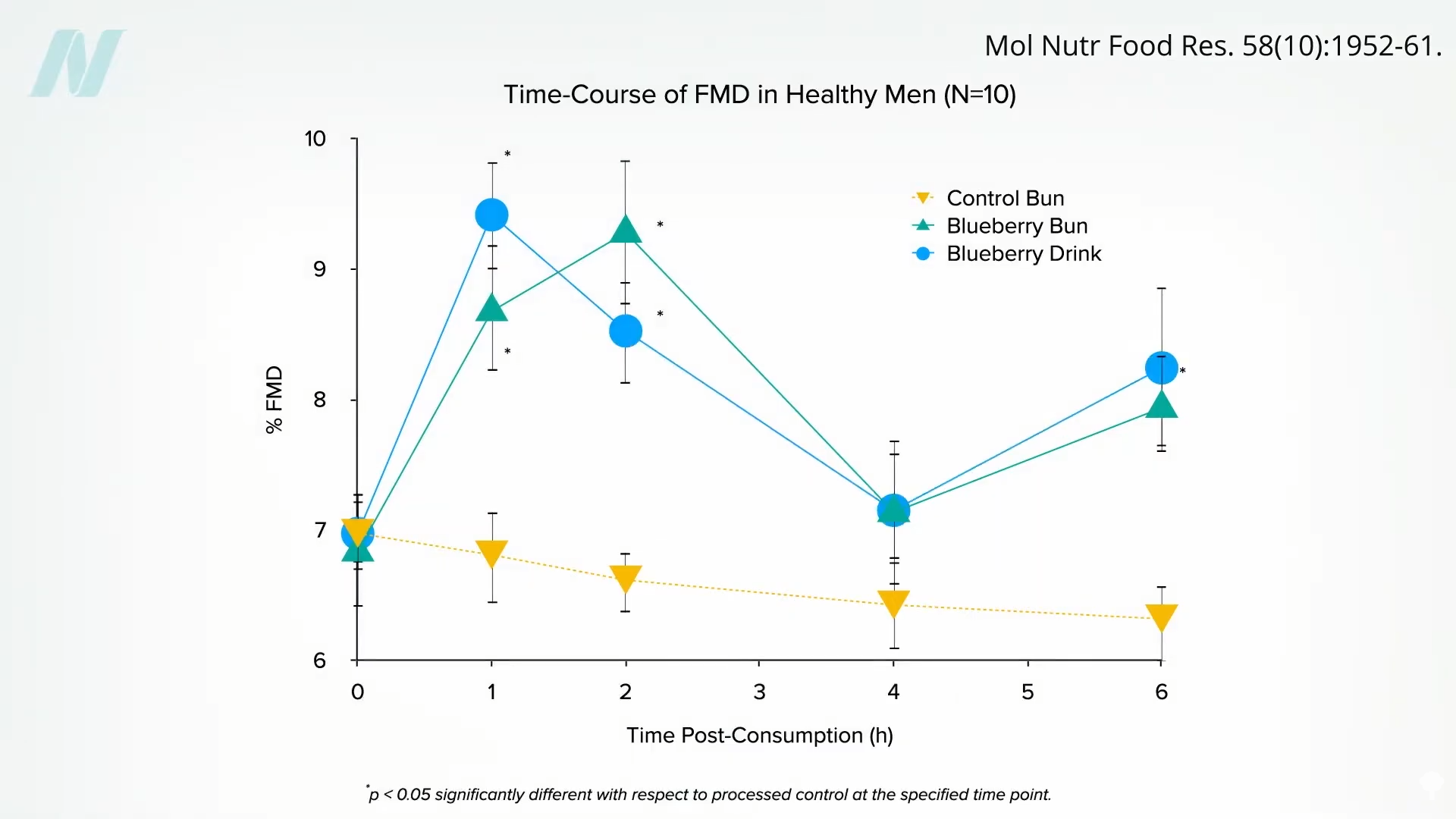
Berries, often lauded for their antioxidant properties, have also been the subject of scientific scrutiny regarding their impact on vascular health. Studies have explored the "blueberry effect," comparing the impact of consuming buns made with unhealthy ingredients (white flour, eggs, butter, sugar) with and without the addition of blueberries. When the unhealthy bun was consumed alone, a gradual decline in artery function was observed over several hours. However, when a serving of blueberries was added to the same bun, a significant boost in artery function was recorded, almost as if the blueberries had been consumed with plain water. This suggests that blueberries possess a potent ability to enhance arterial function, even when consumed alongside less healthy components.
The effectiveness of strawberries in counteracting a similarly unhealthy meal, however, was less pronounced. When consumed with a heavy load of cheese blintzes, whipped cream, syrup, eggs, and bacon, strawberries failed to rescue artery function. This underscores the magnitude of the unhealthy meal and the limitations of even beneficial foods when faced with an overwhelming dietary challenge.
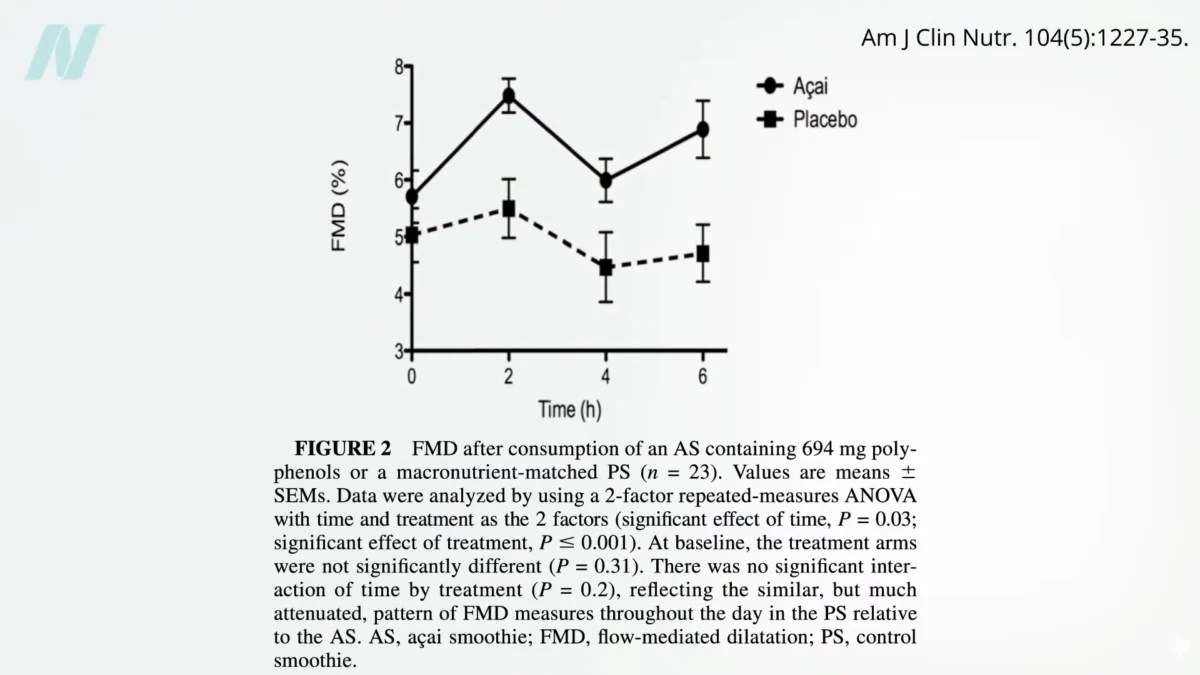
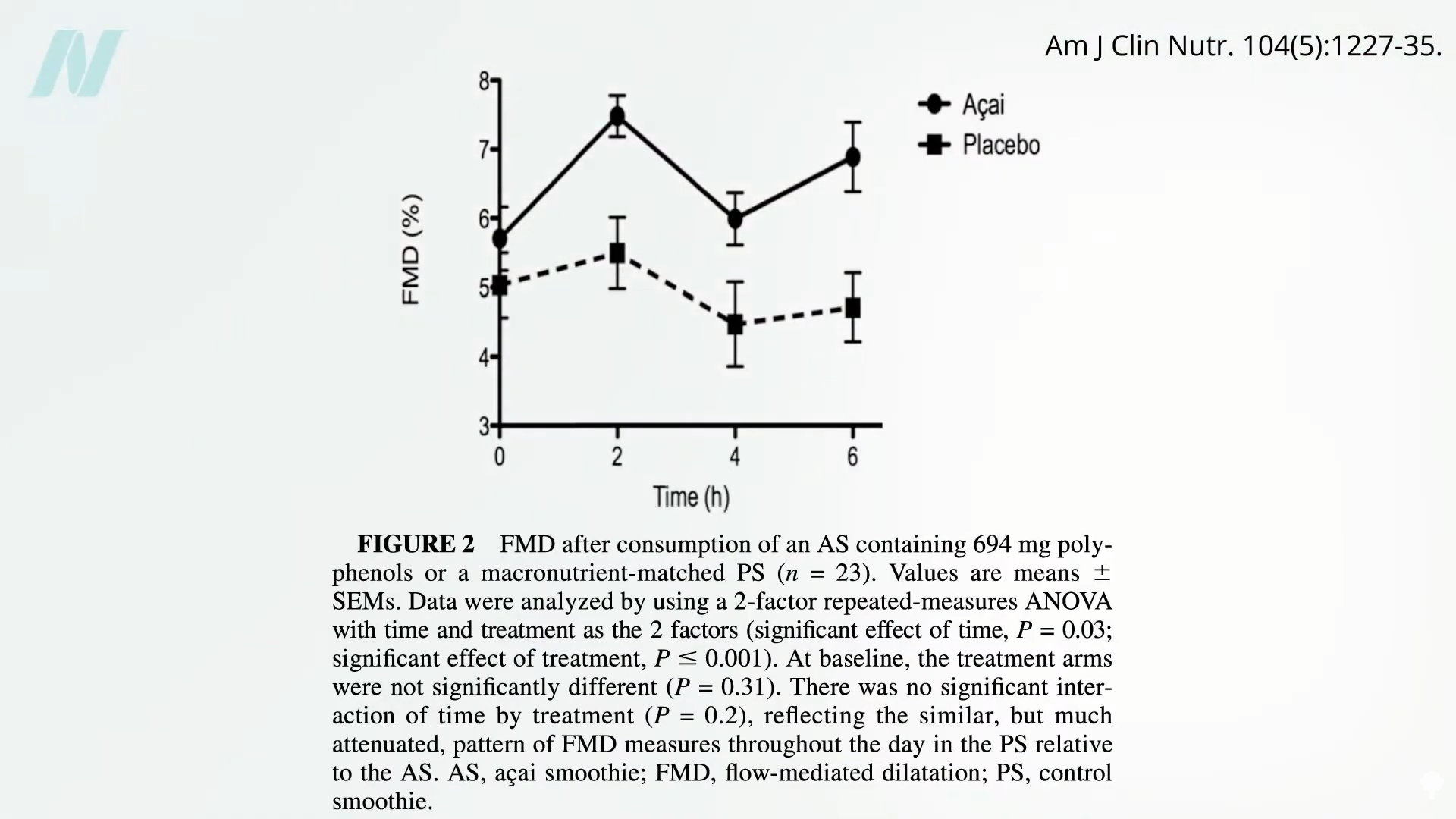
More promising results have emerged from studies on other berries. Acai berries, when tested against a high-fat meal, demonstrated a significant rehabilitation of arterial function compared to a control smoothie designed to mimic its appearance but lacking the acai. This suggests that the unique compounds within acai berries play a role in improving vascular health.
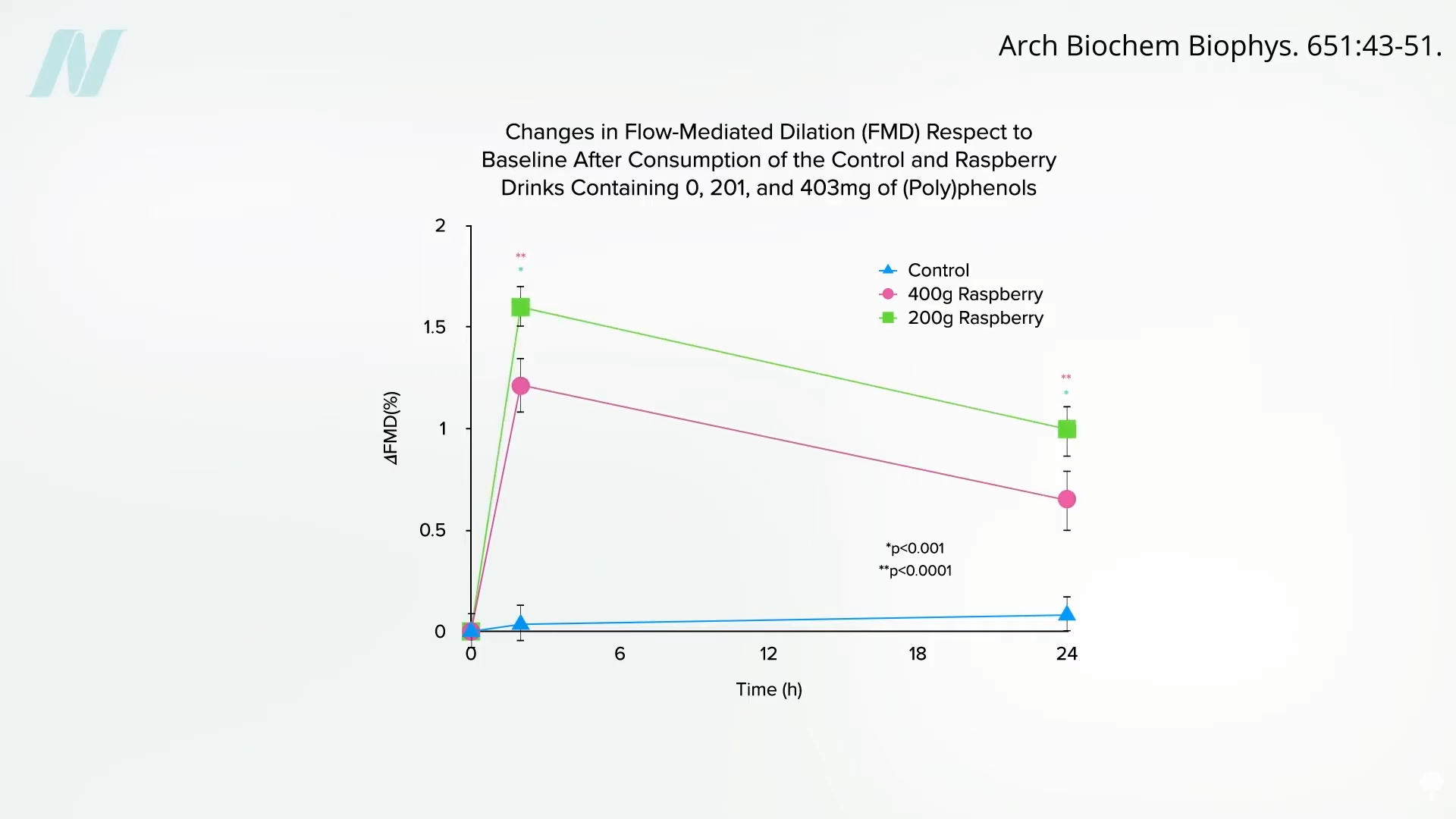
Raspberries have also shown remarkable potential. A double-blind, randomized controlled trial investigated the effects of raspberry smoothies on artery function. Participants who consumed raspberry smoothies exhibited improved artery function for up to 24 hours after consumption, whereas a placebo drink had no effect. Notably, even a smaller dose of raspberries (three-quarters of a cup) appeared to be as effective as a larger dose (one and a half cups), indicating a dose-dependent benefit that plateaus after a certain amount, similar to observations with blueberries.
While the immediate improvement in artery function from a berry smoothie might be modest (around 1%), the long-term population-level implications are significant. Each 1% increase in arterial function is associated with a substantial 12% reduction in the risk of cardiovascular events such as heart attacks and strokes. This highlights the profound impact that consistent consumption of beneficial foods, even in small amounts, can have on overall cardiovascular health.
The Nuances of Berry Juices and Other Beverages
The efficacy of berry juices in providing similar benefits has also been investigated. Studies involving cranberry juice at various concentrations showed that even 25% juice offered a modest improvement in artery function. Higher concentrations, such as 50% juice, provided sustained benefits for up to eight hours. However, it’s important to note that these studies primarily involved consuming the juices on their own, without being paired with artery-crushing meals.
When berry juice was tested against a high-fat meal, the results were less conclusive. A cocktail of various berries, including grapes, blueberries, strawberries, lingonberries, and black aronia berries, did not demonstrate significant positive effects when consumed with a high-fat meal. While drinking the berries alone would likely improve artery function, their ability to counteract a deliberately unhealthy meal appeared limited in this specific study.
The impact of other common beverages, such as orange juice, when consumed with fatty meals has also been examined. In one study, participants who consumed ham and cheese croissants with water, orange juice, green tea, or red wine experienced no significant benefit from any of the beverages in counteracting the negative effects of the croissants. In fact, drinking orange juice with a fatty meal could potentially exacerbate the situation. Research indicates that orange juice may lead to a longer period of elevated fat levels in the blood following a fatty meal. This is theorized to occur because the body prioritizes burning the rapidly absorbed free sugars from the juice for energy, sugars that are not encased in cell walls as they are in whole fruits, thus delaying the metabolism of dietary fats.
Implications for Public Health and Dietary Guidance
The body of research exploring the interplay between food choices and arterial health presents a compelling narrative. While the ideal scenario remains a diet rich in whole, unprocessed plant foods, the findings offer practical insights for individuals seeking to make healthier choices even when faced with less than ideal dietary circumstances.
The consistent evidence supporting the vascular benefits of vegetarian diets, coupled with the demonstrated ability of specific foods like walnuts and various berries to improve arterial function, provides a foundation for dietary recommendations. The distinction between animal and plant-based fats, and the potential of nuts to positively influence arterial health, warrants further exploration and integration into public health messaging.
The findings also highlight the importance of the form in which foods are consumed. Whole berries appear to offer more robust benefits than their juice counterparts, particularly when facing high-fat meals. The rapid absorption of sugars from juices, without the buffering effect of fiber found in whole fruits, can influence metabolic processes in ways that may not always be beneficial, especially when combined with unhealthy fats.
As this research continues to evolve, it offers a nuanced perspective on the impact of our dietary choices. It suggests that while avoiding unhealthy foods is paramount, certain whole foods possess remarkable properties that can support cardiovascular health and potentially mitigate some of the immediate negative consequences of occasional indulgences. The ongoing exploration of these food-drug interactions at a nutritional level promises to refine our understanding of dietary interventions for preventing and managing cardiovascular disease.
This investigation is part of a broader series examining the effects of fast food and dietary interventions. Previous reports have explored "How a Single Meal Can Cripple Your Arteries and Lungs" and "Can Exercise Counteract a High-Fat Meal?" Further insights into the specific impacts of various foods can be found in related publications.

