

The age-old remedy of lettuce for sleeplessness is gaining scientific traction, with a recent randomized, double-blind, placebo-controlled trial investigating the efficacy of lettuce seeds as a natural sleep aid. This research builds upon historical uses and preliminary findings, exploring the potential of lactucin, a naturally occurring hypnotic compound found in lettuce, to combat the growing global issue of insomnia.
The Pervasive Problem of Sleep Deprivation
In contemporary society, the perception that "time spent asleep is time wasted" often overshadows the critical importance of adequate rest. Scientific consensus, however, firmly establishes that insufficient sleep is a significant public health concern, linked to a wide array of acute and chronic health conditions, and demonstrably increases the risks of mortality and disease. The ramifications of sleep deprivation are profound and far-reaching, impacting not only individual well-being but also societal productivity and healthcare burdens.
Research indicates that even a modest reduction in sleep duration can have substantial physiological consequences. For instance, a study restricting participants to just six hours of sleep per night for a week revealed alterations in the expression of over 700 genes. Among the most concerning effects is endothelial dysfunction, a condition where the delicate lining of blood vessels, responsible for regulating arterial relaxation and dilation, becomes impaired. A mere two-hour nightly deficit in sleep, reducing sleep from seven to five hours for approximately a week, has been shown to significantly impair artery function.
The severity of such sleep restriction cannot be overstated. The magnitude of impairment observed in individuals experiencing short sleep durations is comparable to that reported in populations with established health issues such as smoking, diabetes, or coronary artery disease. This heightened vulnerability translates into a tangible increase in mortality risk; individuals consistently sleeping less than seven hours per night face a 12% to 35% elevated risk of premature death compared to their counterparts who achieve a full seven hours. Alarmingly, a substantial segment of the population, including an estimated 28% of adults in the United States, routinely obtains less than the recommended sleep duration. This underscores the assertion that "sufficiently long, restful sleep sessions each night are an indisputable cornerstone of good health."
Exploring Natural Avenues for Sleep Enhancement
In the face of widespread sleep disturbances, individuals often seek solutions beyond conventional pharmaceutical interventions. For those experiencing sleep apnea, a condition frequently exacerbated by obesity, continuous positive airway pressure (CPAP) machines offer a vital intervention during weight loss efforts to address the underlying cause. However, for individuals without sleep apnea who struggle with initiating or maintaining sleep, the landscape of natural remedies becomes a focus of interest.
Previous discussions have highlighted the potential of dietary interventions, such as the consumption of kiwifruit and tart cherries, for their reported benefits in combating insomnia. This exploration now extends to the realm of vegetables, specifically examining Lactuca sativa, commonly known as lettuce. This leafy green has a long-standing historical association with sleep induction, with extracts reportedly used for their sedative properties since the Roman Empire. The scientific basis for this traditional use lies in the presence of lactucin, a bitter-tasting compound within lettuce that exhibits hypnotic properties.
Scientific Scrutiny of Lactucin and Lettuce
While historical anecdotes and preliminary observations suggest a link between lettuce and sleep, rigorous scientific investigation is necessary to validate these claims. Early studies, while promising, have focused on animal models. Research involving toads and rodents has demonstrated that lettuce extracts, particularly from romaine lettuce due to its higher lactucin content, can enhance sleep duration and quality in these species.
The critical question then becomes whether these effects translate to human physiology. Approximately a decade ago, a study was conducted to investigate this very question. In this research, individuals suffering from insomnia were randomly assigned to receive either lettuce seed oil or a placebo. The findings indicated a notable improvement in sleep for a significant majority – approximately 70% – of participants in the lettuce seed oil group, who reported their insomnia as "very much or much improved." In contrast, only about 20% of those in the placebo group reported similar improvements. The researchers concluded that lettuce seed oil demonstrated utility as a safe sleep aid, particularly for geriatric patients experiencing sleep difficulties. This demographic was specifically chosen due to the high prevalence of insomnia among older adults, affecting an estimated 20% to 40% of this population at least a few nights per month.
Addressing Limitations and Advancing Research
Despite the encouraging results of the initial lettuce seed oil study, it possessed certain methodological limitations. Crucially, it was a single-blind trial, meaning the researchers were aware of which participants were receiving the active treatment and which were receiving the placebo. This lack of complete blinding could introduce observer bias, potentially influencing the interpretation of subjective improvements in sleep quality. The researchers themselves acknowledged the challenges in securing funding for such studies, noting that "Big pharma has billions to spend on research. No one wants to fund studies on lettuce." This highlights a common hurdle in the investigation of natural remedies, where commercial incentives for large-scale pharmaceutical research are often absent.

Recognizing the need for more robust scientific evidence, researchers proceeded to conduct a double-blind, placebo-controlled study. This subsequent trial shifted its focus from a concentrated extract to a whole food: lettuce seeds. The challenge then became designing an appropriate placebo that would effectively mimic the appearance and administration of the lettuce seeds without containing any active compounds. While a whole head of lettuce is impractical for encapsulation, whole lettuce seeds proved to be a viable option.
The Double-Blind Trial: Lettuce Seeds in Pregnant Women
The pivotal double-blind, randomized, placebo-controlled trial was conducted on a specific demographic known to experience significant sleep disturbances: pregnant women. Sleep disruptions are common during pregnancy, affecting as many as eight out of ten women. Conventional sleeping pills, while often prescribed for insomnia, carry potential risks for both the fetus and the mother. For example, medications like Ambien have been associated with adverse pregnancy outcomes, including low birth weight, premature birth, and increased rates of Cesarean sections. Similarly, the use of benzodiazepines like Valium during pregnancy has been linked to birth defects, such as limb deficiencies. This underscores the urgent need for safe and effective alternatives.
In this carefully designed study, 100 pregnant women experiencing insomnia were randomized to receive either capsules containing a quarter teaspoon of ground lettuce seeds or identical-looking placebo capsules. The intervention period lasted for two weeks. The results were statistically significant: participants who received the lettuce seeds reported a marked improvement in their sleep quality index scores compared to the placebo group. Importantly, no adverse side effects were reported in the lettuce seed group, further bolstering its potential as a safe sleep intervention.
Implications and Future Directions
The findings from this double-blind, placebo-controlled trial provide compelling evidence for the efficacy of lettuce seeds as a natural remedy for insomnia, particularly in vulnerable populations such as pregnant women. The use of a whole food, rather than a concentrated extract, offers a more accessible and potentially broader spectrum of nutritional benefits. The absence of reported side effects is a critical factor that distinguishes it from many pharmaceutical sleep aids.
The implications of this research extend beyond the immediate relief of insomnia. By validating a readily available and natural intervention, this study contributes to a growing body of evidence supporting plant-based approaches to health and wellness. It encourages further investigation into other under-researched natural compounds and their therapeutic potential.
Expert Commentary and Recommendations
While this study offers a significant advancement, further research may be warranted to explore optimal dosages, long-term efficacy, and the specific mechanisms by which lactucin and other compounds in lettuce seeds exert their sleep-inducing effects. Additionally, understanding how these findings might apply to other age groups and diverse populations experiencing insomnia will be crucial for broader public health recommendations.
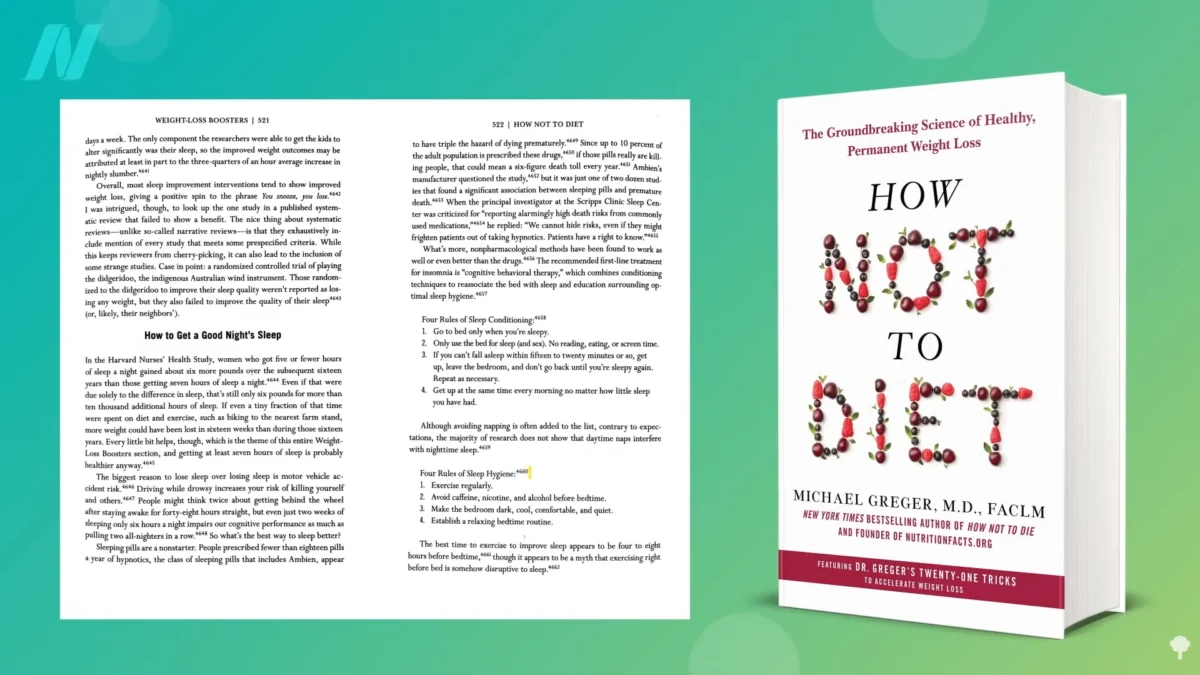
For individuals seeking to improve their sleep, adopting established sleep hygiene practices remains paramount. These include maintaining a regular sleep schedule, creating a conducive sleep environment, and avoiding stimulants before bedtime. The "Four Rules of Sleep Conditioning" and the "Four Rules of Sleep Hygiene," as detailed in comprehensive health guides, offer structured approaches to optimizing sleep patterns.
The emergence of lettuce seeds as a potential dietary intervention for insomnia underscores the power of rediscovering and scientifically validating traditional remedies. As the global burden of sleep disorders continues to rise, natural, safe, and accessible solutions like those offered by lettuce seeds are becoming increasingly valuable.
Doctor’s Note:
Further exploration into natural sleep aids, including those previously discussed such as kiwifruit and tart cherries, continues to offer promising avenues for individuals seeking alternatives to pharmaceutical interventions. Resources detailing comprehensive sleep enhancement strategies, including detailed guidelines on sleep conditioning and hygiene, are available through public libraries and independent bookstores, such as the book How Not to Diet. All author proceeds from such publications are typically donated to charitable causes, reinforcing a commitment to public health and well-being.

