

A stark reality of modern American diets has been brought to light, with new data indicating that an astonishing 99.99% of the U.S. population fails to meet the minimum recommended intake of potassium while simultaneously exceeding recommended sodium limits. This alarming statistic, suggesting a profound imbalance in essential mineral consumption, has far-reaching implications for public health, contributing to a cascade of chronic diseases and significantly diminishing years of healthy life.
The Alarming Imbalance: Sodium Overload and Potassium Deficit
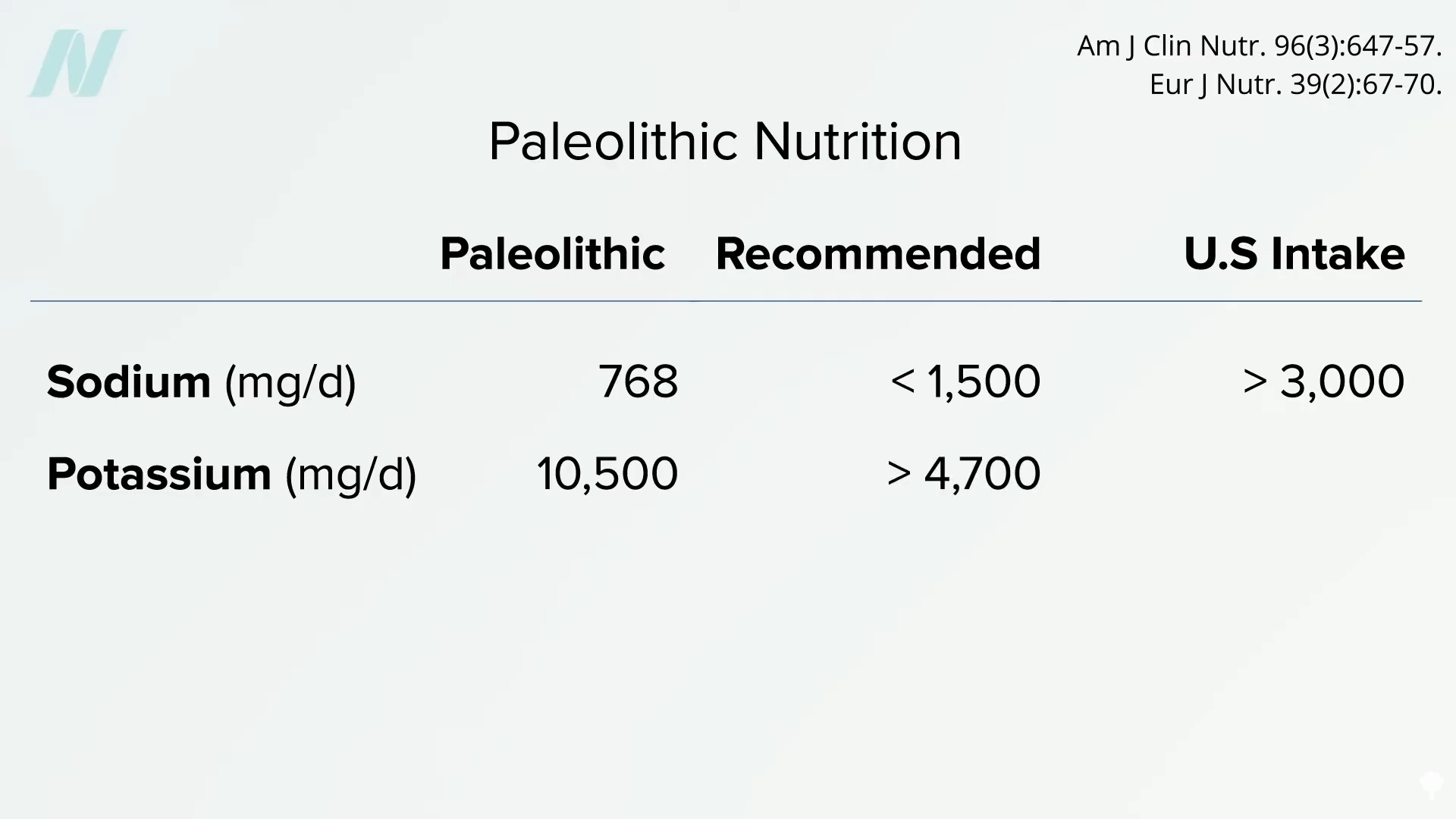
The core of the issue lies in a pervasive dietary pattern characterized by excessive sodium consumption and insufficient potassium intake. Experts highlight that current sodium intake may be as much as twice what would be considered natural for the human body, while recommended potassium levels are barely half of what our ancestors likely consumed. This stark contrast underscores a fundamental disconnect between evolutionary dietary needs and contemporary eating habits.
The consequences of this imbalance are not merely academic. Globally, physical inactivity is a significant contributor to lost healthy life years, accounting for over 10 million years annually. However, the impact of dietary choices dwarfs this figure, responsible for nearly twenty times that amount. Unhealthy diets are estimated to shave hundreds of millions of disability-free years off lives each year worldwide, with the U.S. dietary landscape exhibiting particularly concerning trends.
Identifying the Culprits: What’s Driving the Crisis?
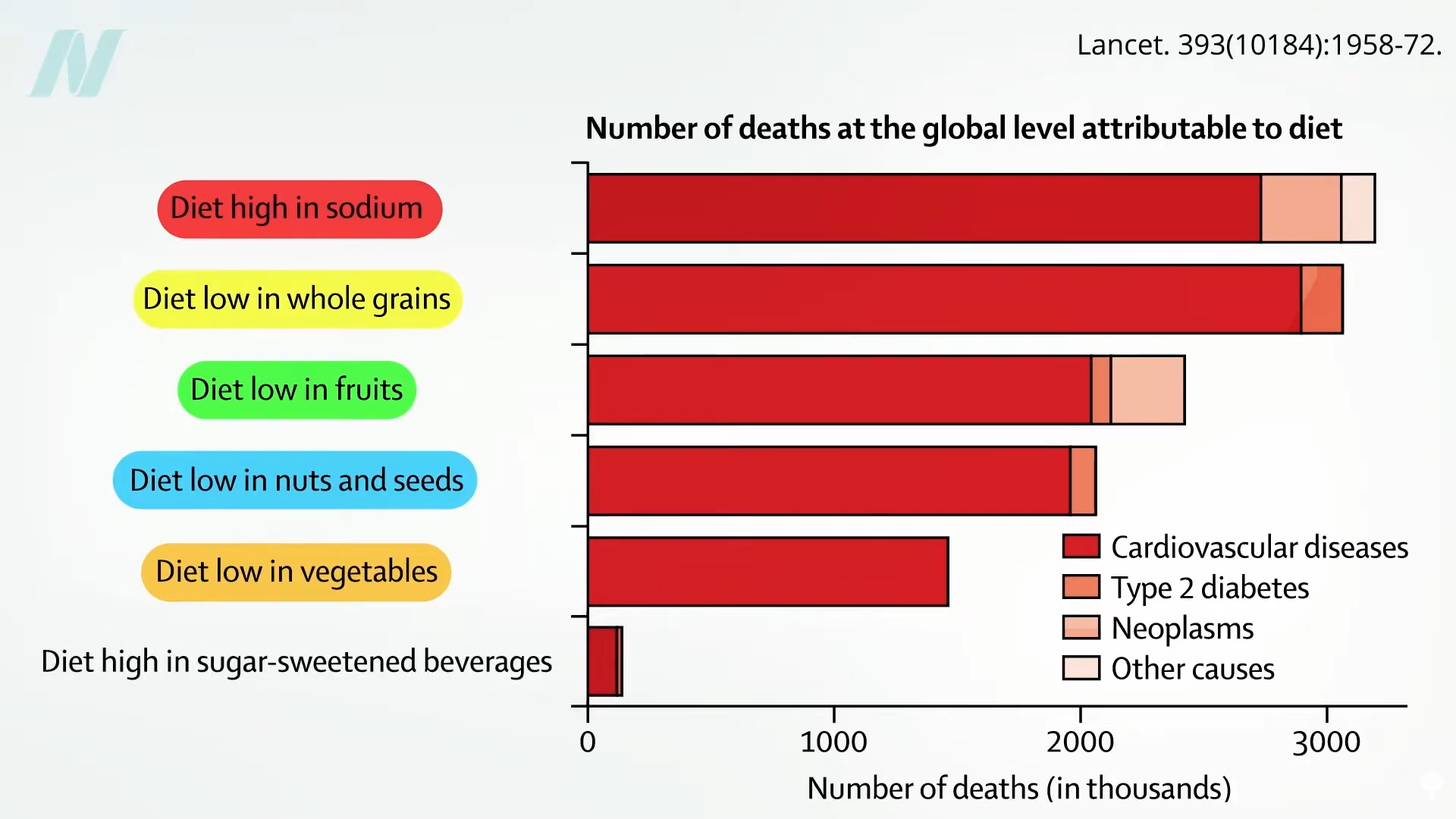
Analysis of dietary pitfalls reveals that the most detrimental aspects of modern diets are not necessarily the overconsumption of inherently unhealthy items, but rather the underconsumption of nutrient-dense foods and the overconsumption of sodium. Specifically, four out of the five most lethal dietary traps involve insufficient intake of whole grains, fruits, nuts and seeds, and vegetables. However, the single most fatal flaw identified is an excessive intake of salt.
To put this into perspective, the detrimental impact of high salt consumption is approximately 15 times greater than that of diets excessively high in soda. This emphasizes the critical need to address sodium intake as a primary public health intervention.
The Science of Salt: A Deeper Dive into Sodium’s Harm
The detrimental effects of excessive sodium intake are well-documented and have prompted significant concern from public health officials. A former commissioner of the U.S. Food and Drug Administration (FDA) stated unequivocally that "There remains no single more effective public health action related to nutrition than the reduction of sodium in the diet." This sentiment has led to widespread calls from national and international health organizations for the implementation of warning labels on salt packets and shakers. These labels would convey crucial public health messages, such as: "Too much sodium in the diet causes high blood pressure and increases risk of stomach cancer, stroke, heart disease, and kidney disease. Limit your use."
Beyond its well-established link to hypertension, salt’s role in promoting inflammation is also a growing area of concern. Research indicates a significant correlation between sodium intake and increased disease activity in conditions like multiple sclerosis (MS), an inflammatory autoimmune nerve disorder. Studies have shown that individuals with medium or high sodium intakes experience exacerbation rates three to four times higher than those consuming less than a teaspoon of salt per day.
Further investigations have revealed elevated sodium levels in the tissues of individuals suffering from lupus, another severe inflammatory autoimmune disease. Similarly, high sodium levels in the spinal cords of MS patients have been correlated with disease progression and a decrease in structural integrity.
The "Crappy Food" Connection and the Cause-and-Effect of Hypertension
The prevalence of high sodium content in processed and "crappy foods" raises questions about whether increased salt intake is merely a marker for an overall poor diet. However, robust scientific evidence establishes a clear cause-and-effect relationship between salt and high blood pressure. Over a hundred randomized controlled trials have demonstrated that reducing added salt in the diet leads to a fall in blood pressure, with greater reductions achieved through more significant salt restriction.
One proposed mechanism for this effect involves the damage that excess salt may inflict on the gut microbiome, the crucial community of beneficial bacteria that plays a vital role in overall health.
Evolving Dietary Needs and Historical Context
Our bodies evolved to handle a significantly lower daily sodium intake, estimated at around 750 mg. In stark contrast, current American consumption often exceeds four times this natural level. The American Heart Association recommends staying below at least twice this natural amount, meaning a target of roughly 1,500 mg per day. Even with this more lenient guideline, a staggering 98.8% of Americans exceeded this limit more than a decade ago, a trend that has only worsened over time.
The parallel issue of potassium deficiency is equally concerning. Potassium is a mineral known for its blood pressure-lowering properties. Less than 2% of U.S. adults consume the recommended daily minimum intake of potassium, leading to potassium-deficient diets for over 98% of the population. This deficiency becomes even more pronounced when compared to the dietary habits of our ancestors, who consumed substantial amounts of dietary potassium. It is estimated that our ancestors may have consumed more than 10,000 mg of potassium per day. The current recommendation is to consume at least around half of that amount, yet the vast majority of Americans fall far short of this target.
The Combined Impact: A Near-Universal Failure to Meet Nutritional Goals
When the recommended guidelines for both sodium and potassium are considered together, the statistics become even more dire. Fewer than 0.015% of individuals in the United States meet both sodium and potassium goals. This translates to a noncompliance rate of nearly 99.99%, meaning only about 1 in 6,000 Americans manages to adhere to these fundamental dietary recommendations.
Exploring Potential Solutions: Salt Substitutes and Their Promise
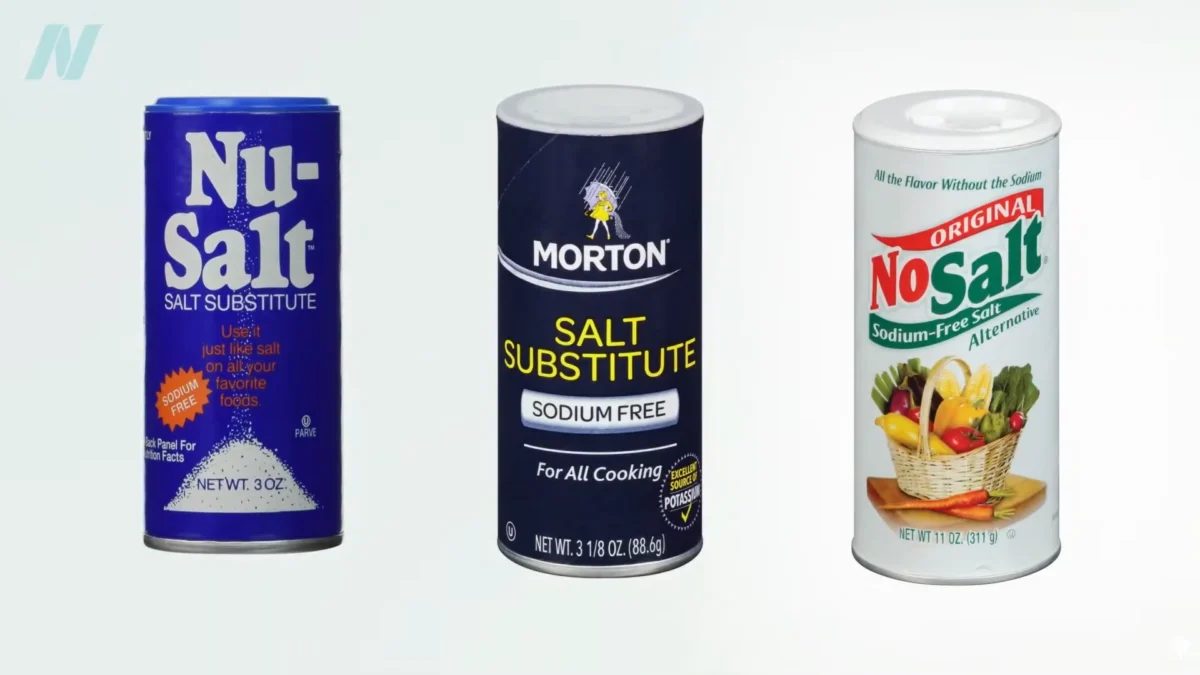
In light of these alarming trends, attention is turning towards potential interventions, including the use of potassium-based salt substitutes. These products, which utilize potassium chloride instead of sodium chloride, offer the tantalizing prospect of retaining a salty taste while simultaneously reducing sodium intake and increasing potassium consumption.
The efficacy and safety of these potassium-based salt substitutes are subjects of ongoing scientific inquiry. While they appear to offer a promising avenue for mitigating the negative health impacts of high sodium diets, a thorough understanding of their potential benefits and drawbacks is crucial. This area of research is particularly important given the widespread failure to meet basic sodium and potassium recommendations.
A Public Health Imperative: The Road Ahead
The overwhelming evidence points to a critical public health crisis rooted in widespread dietary imbalances, particularly concerning sodium and potassium intake. The long-term implications of this deficit are substantial, contributing to increased rates of cardiovascular disease, stroke, kidney disease, and potentially other inflammatory and autoimmune conditions.
Addressing this challenge will require a multi-faceted approach. Public health campaigns aimed at educating consumers about the risks of excessive sodium and the benefits of potassium-rich foods are essential. Furthermore, policy interventions, such as clearer food labeling and potentially restrictions on sodium content in processed foods, may be necessary to drive meaningful change. The exploration and promotion of healthier dietary alternatives, including well-researched salt substitutes, also hold promise.
The stark figures revealing that fewer than 1 in 5,000 Americans are meeting essential sodium and potassium intake recommendations serve as a wake-up call. The health of the nation hinges on a fundamental shift in dietary habits, prioritizing nutrient-dense whole foods and significantly reducing the intake of processed, high-sodium products.
This article is the first in a three-part series examining the critical role of sodium and potassium in our diets, and exploring potential solutions. Subsequent articles will delve deeper into the safety and effectiveness of potassium chloride salt substitutes, providing a comprehensive overview of this evolving nutritional landscape. The scientific community and public health organizations continue to emphasize that ignoring the impact of salt on our health is no longer an option.

