

The question of whether individuals who incorporate nuts into their diets live longer, and if this longevity is solely attributable to substituting animal protein with plant-based protein, has been a subject of ongoing scientific inquiry. A critical examination of research published in prominent nutrition journals, particularly The American Journal of Clinical Nutrition, reveals a complex landscape influenced by funding sources and methodological approaches, which can potentially skew findings and public understanding.
Scrutiny of the Nutrition Research Landscape
The American Journal of Clinical Nutrition, widely recognized as a leading peer-reviewed scientific journal in nutrition and dietetics, is published by the American Society of Nutrition. However, its list of sustaining partners includes organizations such as The Sugar Association, major soda companies, and the meat, dairy, and egg industries. This broad base of industry support raises questions about potential conflicts of interest, especially when studies published within its pages appear to align with the interests of these partners.
A notable example cited in previous analyses is the publication of an article that suggested eating red meat does not negatively influence cardiovascular disease risk factors. Such findings, particularly when contrasted with a significant body of independent research linking red meat consumption to adverse health outcomes, warrant careful scrutiny. The National Cattlemen’s Beef Association is identified as a sustaining partner, a fact that has led some to question the impartiality of research published on red meat consumption within the journal.
Methodological Challenges in Meta-Analyses: The "Compared With What?" Conundrum
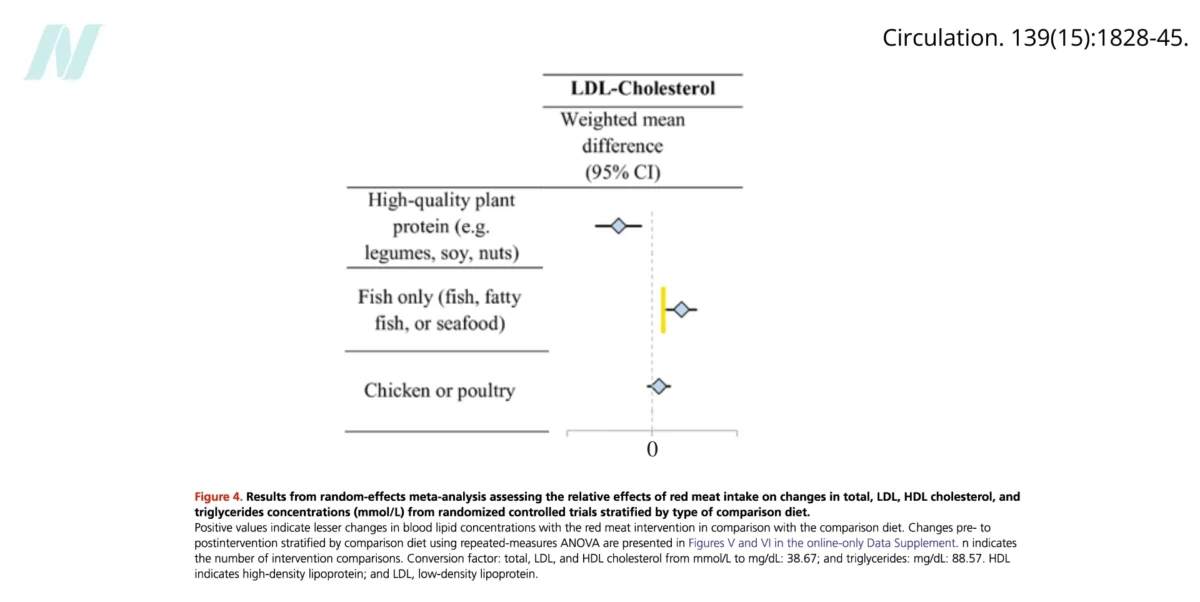
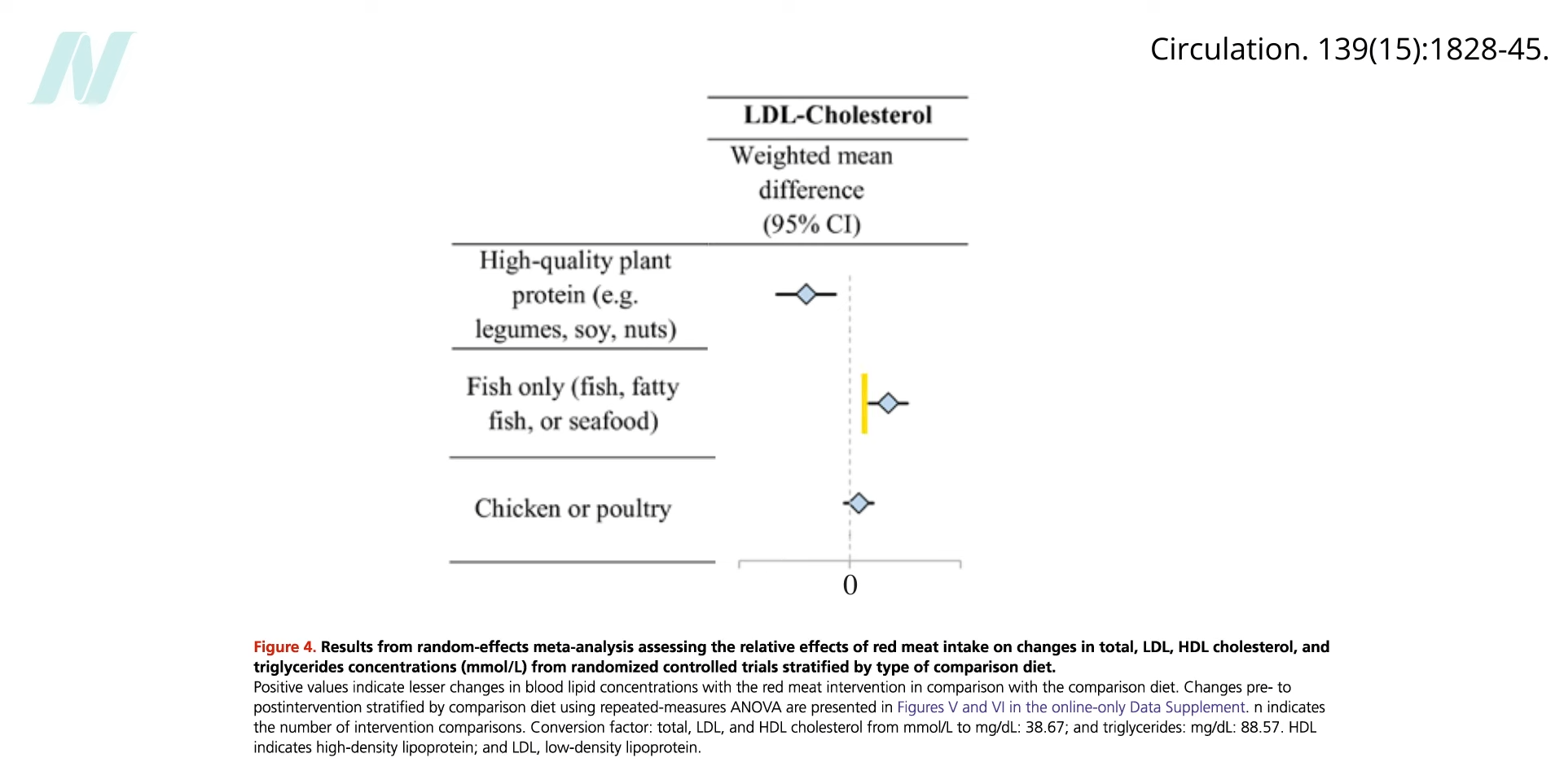
The potential for bias in nutrition research was further highlighted by an editorial penned by Drs. Neal Barnard and Walter Willett, titled "The Misuse of Meta-analysis in Nutrition Research." This editorial addressed a meta-analysis that purported to demonstrate no negative impact of red meat consumption on cholesterol or blood pressure when comparing higher versus lower intake. The core critique, encapsulated by the question "Compared with what?", pointed to a fundamental flaw in the study’s design.
Of the 39 randomized controlled trials included in the meta-analysis concerning LDL cholesterol, nearly 90% involved participants swapping one type of meat for another, predominantly comparing red meat to white meat (such as chicken or turkey). This methodological approach, the editorial argued, is akin to testing a drug against a known ineffective placebo rather than a genuine alternative treatment.
The Illusion of Neutrality: Meat Swaps Versus Plant-Based Alternatives
The meta-analysis in question utilized control diets that often consisted of chicken or fish. However, independent research has indicated that the impact of consuming beef on cholesterol levels can be comparable to that of fish or poultry. By substituting one animal protein for another, the study effectively masked the detrimental effects of meat in general. This practice has been likened to a study concluding that Twinkie consumption does not negatively impact health risk factors by comparing it to Ding Dongs, rather than comparing it to a truly healthful alternative like fruits or vegetables. The researchers’ approach of comparing meat to other meats, rather than to plant-based protein sources, is a critical point of contention.
In stark contrast, studies that substitute meat with plant-based alternatives, such as plant-based sausages, chicken patties, or veggie dogs, have demonstrated significantly lower cholesterol levels. This effect is partly attributable to the lower saturated fat content in plant-based meats. However, even independent of saturated fat, research indicates that consuming any type of meat—be it red, white, or fish—leads to higher LDL cholesterol compared to non-meat protein sources.
The Superiority of Plant Proteins: Soy, Nuts, and Legumes
A comprehensive analysis of research supports the notion that plant-based protein sources offer a distinct advantage. Studies examining the impact of various protein sources on LDL cholesterol have consistently shown that soy, nuts, and legumes (including beans, split peas, chickpeas, and lentils) result in lower cholesterol levels. This finding aligns with recommendations promoting diets rich in plant-based foods.
While white meat like chicken and turkey may be perceived as healthier than red meat, their impact on cholesterol is comparable. Fish, too, can be detrimental, especially when its saturated fat content is artificially standardized by adding ingredients like butter. At similar saturated fat levels, fish has been shown to be potentially worse than beef, and chicken equally as bad as beef.
Nut Consumption and Reduced Mortality: A Broad Impact
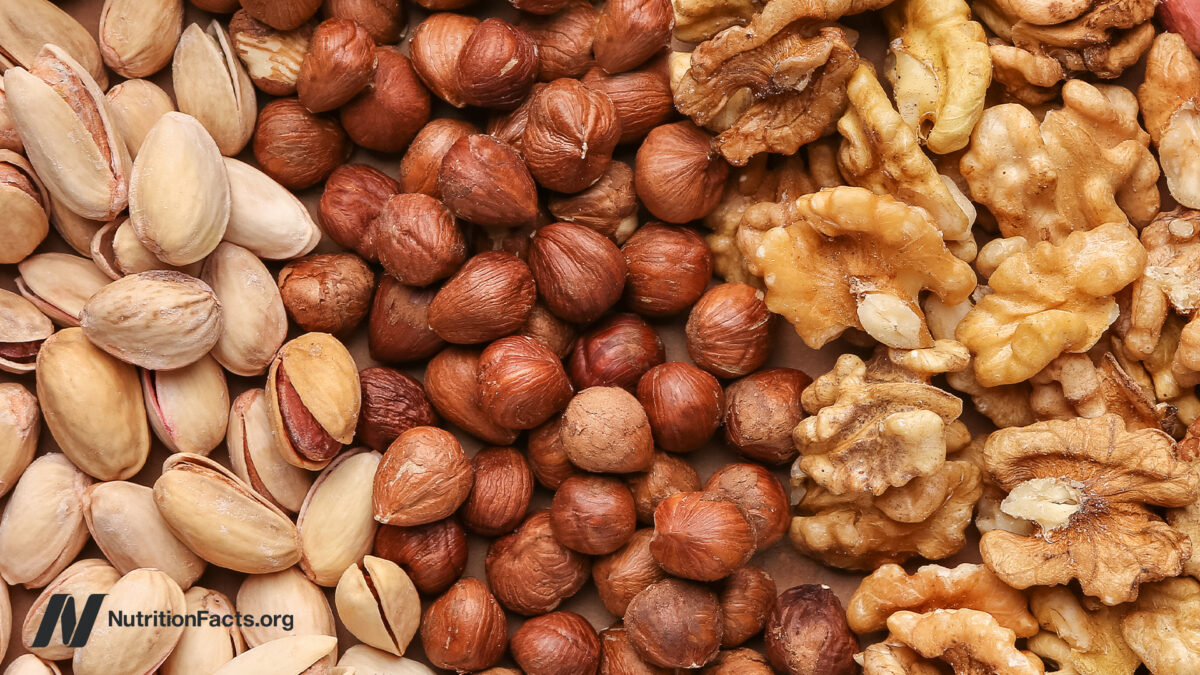
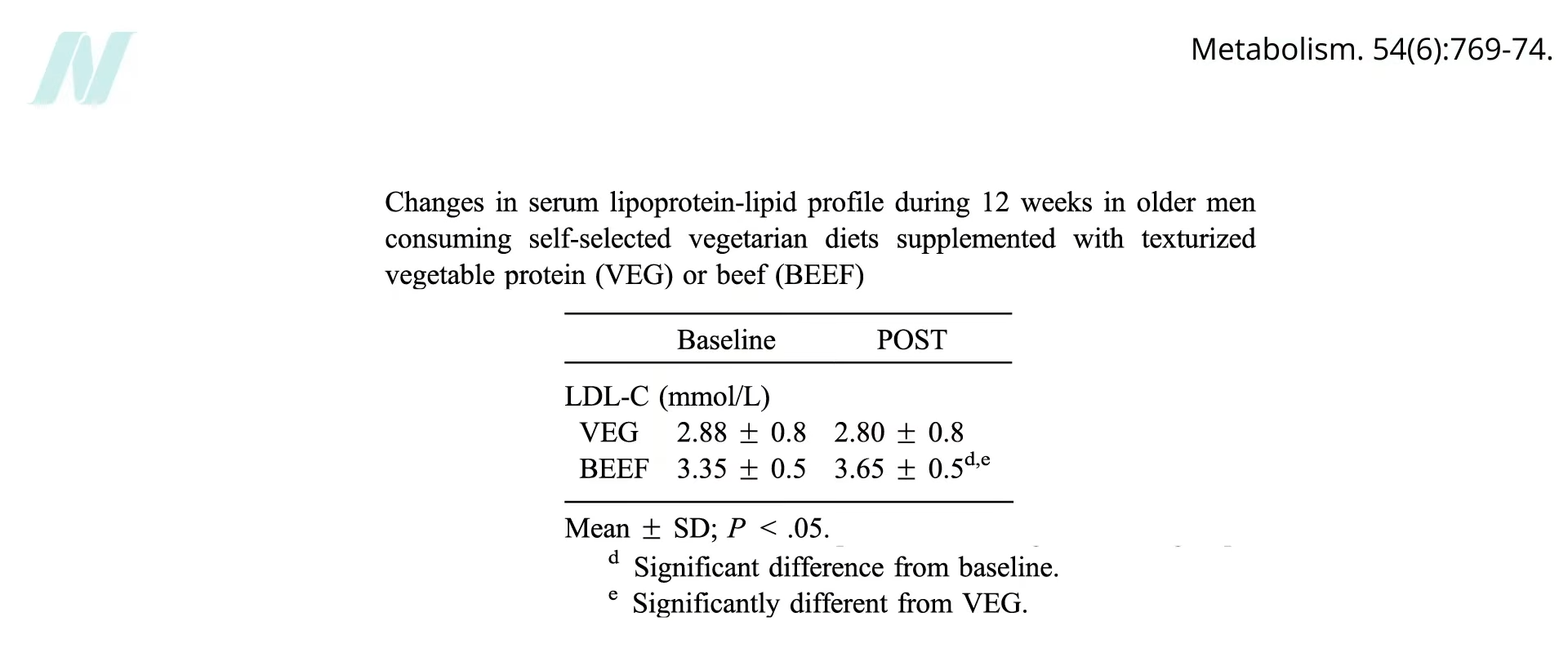
The benefits of replacing animal protein with plant-based alternatives extend beyond cholesterol reduction. Replacing even lean beef with an equivalent calorie portion of nuts or soybeans has been shown to lower LDL cholesterol, a significant risk factor for heart disease, the leading cause of death globally.
Furthermore, the association between regular nut consumption and longevity is compelling. Studies suggest that a daily intake of nuts is linked to a 22% reduction in the risk of premature death. It is estimated that millions of deaths annually could be attributable to inadequate nut intake. Crucially, this observed reduction in mortality among frequent nut eaters is not confined to vegetarians; it is equally strong among non-vegetarians. This indicates that the benefits of nuts are not solely a consequence of avoiding meat but are intrinsic to the nutritional profile of nuts themselves.
The Independent Benefit of Nut Consumption
The positive impact of nut consumption on mortality risk appears to be independent of an individual’s overall health status. This suggests that the benefits are not limited to those who are already health-conscious. In fact, when comparing a dozen different food groups, nuts have outperformed even vegetables in their association with a lower risk of premature death. This finding underscores the potent and unique health advantages offered by nuts.
Doctor’s Recommendations and Future Research
In light of this evidence, health professionals often recommend incorporating nuts into a daily diet. A common recommendation is a quarter cup (approximately one ounce) of nuts per day. Further research continues to explore the multifaceted health benefits of nuts, including their role in reducing inflammation, improving gut health, and providing essential micronutrients.
The intricate interplay between dietary choices, scientific research, and industrial influence is a critical area of public health. Understanding how funding structures can shape research outcomes and influence public perception is vital for making informed dietary decisions. Investigations into the "corporate playbook" behind undermining dietary guidelines are ongoing, aiming to shed light on the strategies employed to influence nutritional advice and public understanding.
Broader Implications for Public Health and Policy
The findings regarding the benefits of plant-based proteins and nuts have significant implications for public health policy and dietary recommendations. Acknowledging the potential for bias in industry-funded research is crucial for ensuring that evidence-based guidelines are developed and disseminated. Encouraging the adoption of diets rich in nuts, legumes, and other plant-based foods could lead to substantial reductions in chronic diseases, thereby lowering healthcare costs and improving overall population health.
The evidence strongly suggests that while replacing animal protein with plant-based protein, particularly from sources like nuts, can contribute to improved cardiovascular health and longevity, the issue is nuanced. The critical distinction lies in the comparison group. When meat is compared to other meats, the observed health benefits are minimal or non-existent. However, when meat is compared to plant-based alternatives, the health advantages become significantly apparent. The independent benefits of nut consumption, in particular, position them as a powerful dietary component for promoting a longer and healthier life.

