

The global fight against cancer, a complex and often devastating disease, continues to evolve, with significant resources dedicated to developing advanced therapeutic strategies. Despite billions invested in novel chemotherapy agents, the rising incidence of cancer—projected to increase by approximately 70% over the next two decades—suggests that current treatment paradigms may be more focused on managing symptoms rather than addressing the root causes of disease progression. This escalating challenge underscores the critical need for proactive and preventative measures, particularly those rooted in dietary interventions. Emerging scientific evidence strongly indicates that the bioactive compounds found in whole plant-based foods possess substantial anticancer and cancer-preventive properties, offering a promising avenue for both prevention and potentially, the management of metastatic disease.
One of the most formidable aspects of cancer is its ability to spread, a process known as metastasis. This invasive capability is heavily reliant on a class of enzymes called matrix metalloproteinases (MMPs). These enzymes act like molecular scissors, breaking down the extracellular matrix that surrounds cells, thereby allowing cancer cells to invade surrounding tissues, enter the bloodstream or lymphatic system, and establish secondary tumors in distant organs. It is this metastatic spread that accounts for the vast majority of cancer-related deaths, estimated to be around 90%. Consequently, understanding and targeting MMPs has become a significant area of research in cancer therapeutics.
The Quest for MMP Inhibitors: From Pharmaceuticals to Phytochemicals
Pharmaceutical companies have indeed developed inhibitors targeting matrix metalloproteinases. These drugs demonstrated initial promise in preclinical animal models, effectively suppressing the invasive behavior of cancer cells. However, their translation to human clinical trials proved problematic. Many of these MMP inhibitor drugs were associated with severe and often debilitating side effects in patients, leading to their limited efficacy and eventual discontinuation in many cases. This outcome highlights a common challenge in drug development: the difficulty of achieving therapeutic benefit without compromising patient quality of life or introducing new health risks.
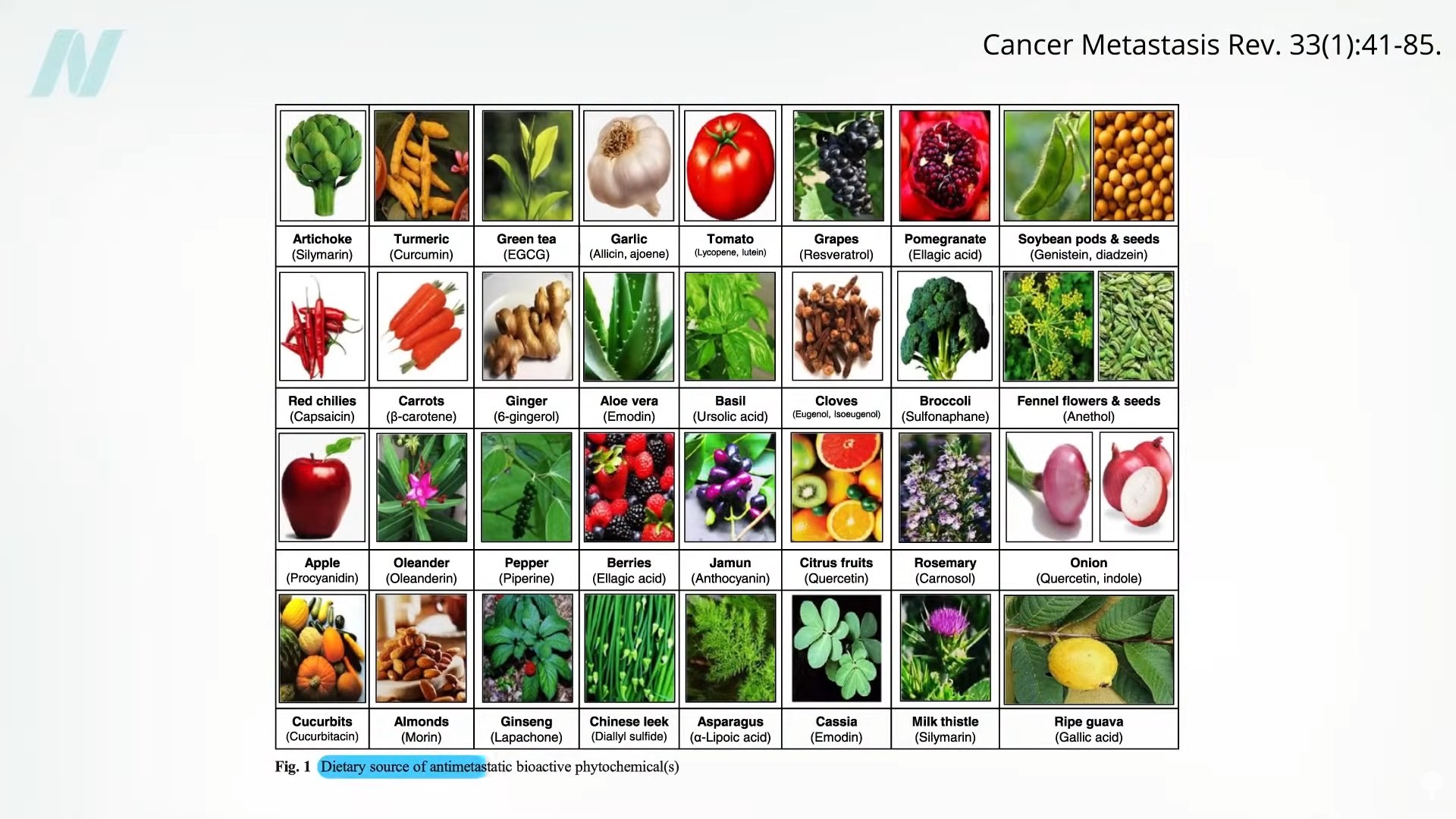
The limitations and adverse effects of pharmaceutical MMP inhibitors have naturally spurred interest in alternative approaches. Researchers are increasingly exploring the potential of natural compounds found in food to achieve similar inhibitory effects on MMPs, but with a potentially better safety profile. This shift in focus aligns with a broader recognition of the profound impact diet has on numerous biological processes, including those involved in cancer development and progression. The "ten hallmarks of cancer," a framework that describes the fundamental capabilities acquired by cancer cells, are increasingly being viewed through a nutritional lens, with evidence pointing towards plant-rich diets as being particularly beneficial.

Legumes Emerge as Potent Inhibitors of Cancer Metastasis
Among the diverse array of plant-based foods, legumes—a group encompassing beans, split peas, chickpeas, and lentils—have garnered significant attention for their potential anticancer properties. Scientific investigations have revealed that legumes contain specific proteins that can effectively reduce MMP activity. This discovery has prompted detailed research into which types of legumes are most effective in this regard.
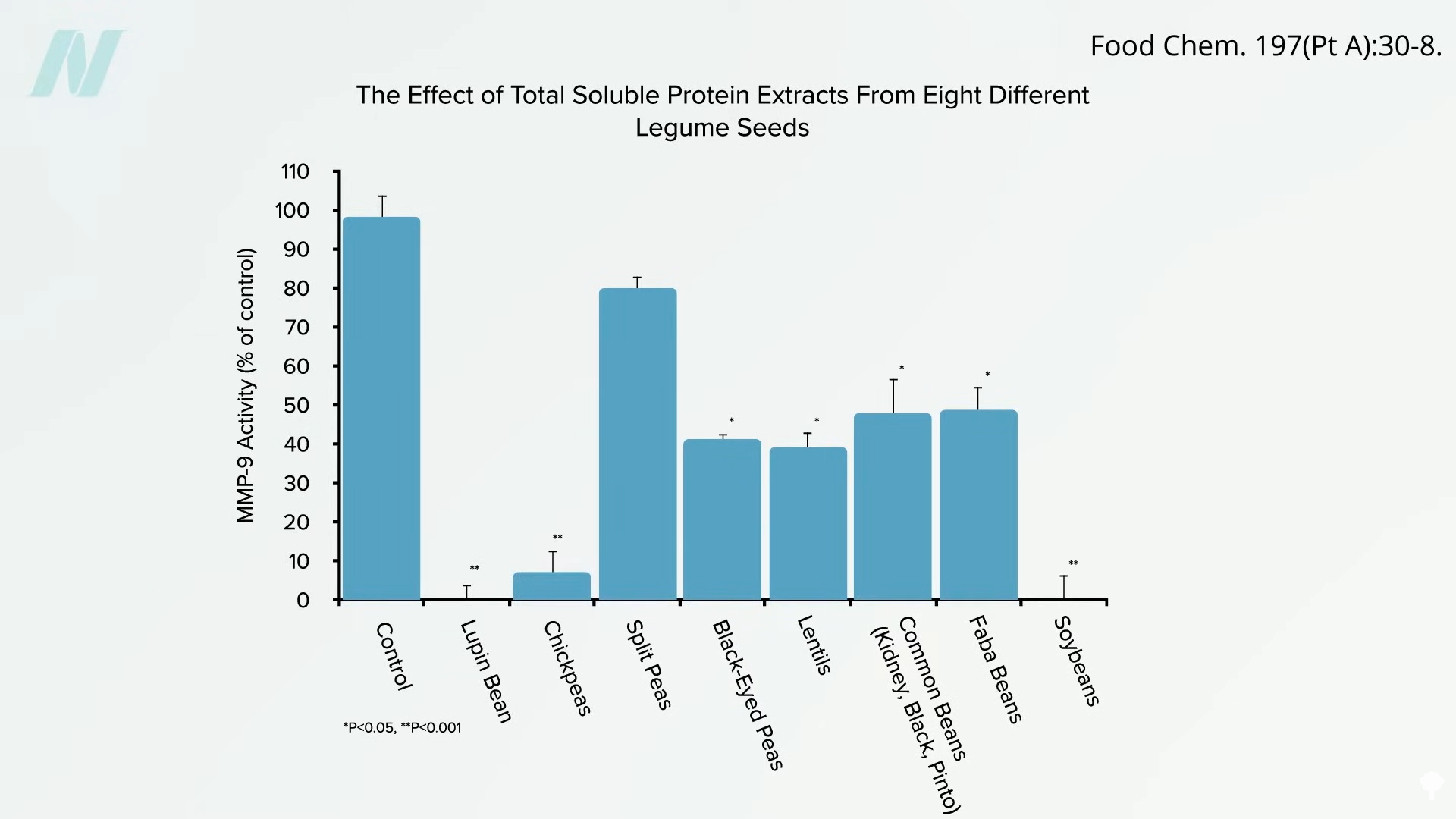
A comprehensive study aimed at identifying the leading legume sources of MMP inhibition tested eight different varieties: lupin beans, chickpeas, split peas, black-eyed peas, lentils, common beans (such as kidney, black, and pinto beans), fava beans, and soybeans. The findings of this research, published in peer-reviewed journals and detailed in scientific presentations, provided compelling evidence of differential inhibitory effects among these legumes.
In the baseline state, without the influence of legume proteins, matrix metalloproteinase activity was observed at approximately 100%. The introduction of protein extracts from various legumes revealed a spectrum of inhibitory capabilities. While split pea protein showed minimal impact, black-eyed peas, lentils, common beans, and fava beans demonstrated the ability to reduce enzyme activity by over 50%. The most striking results, however, came from lupin beans, chickpeas, and soybeans. These legumes were found to slash MMP activity by an impressive margin of over 90%, suggesting a significantly more potent inhibitory effect.
Visualizing the Impact: In Vitro Evidence of Metastasis Inhibition
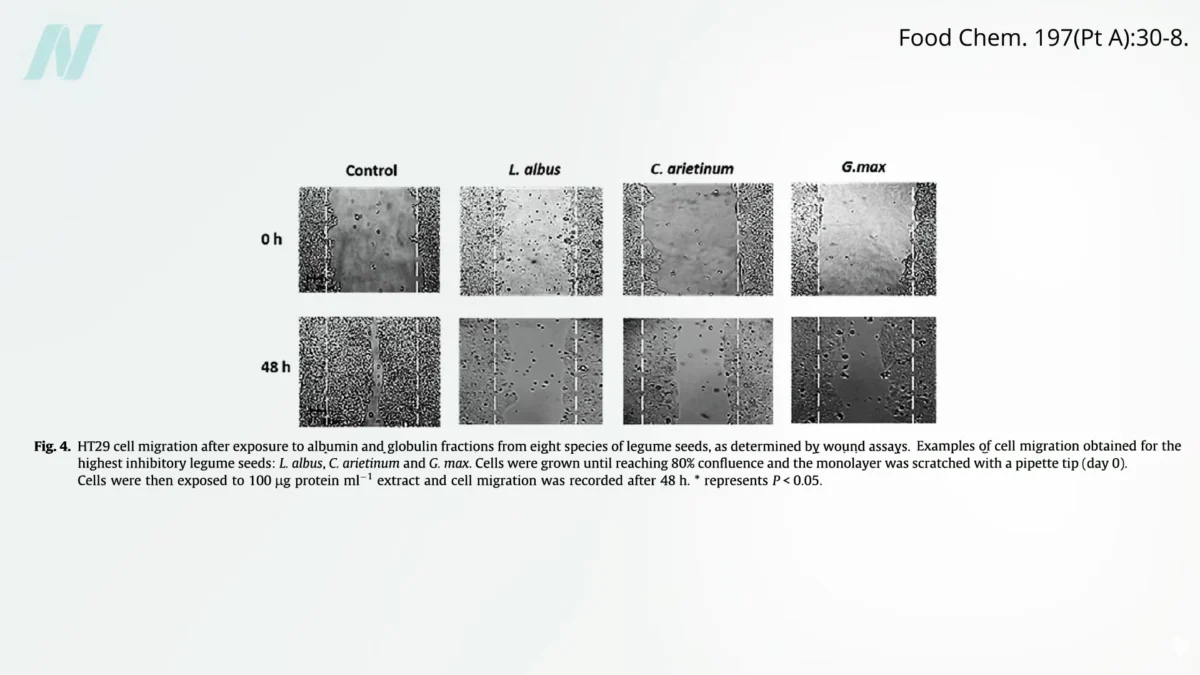
The inhibitory effects observed in laboratory settings have been further illustrated through in vitro experiments. Researchers have conducted studies that visually demonstrate how these legume-derived compounds can impede cancer cell migration, a crucial step in the metastatic cascade.
In one such experiment, human colon cancer cells were plated in a laboratory dish, and a strip was created down the middle using a sterile blade. In the absence of any inhibitory agents, the cancer cells rapidly proliferated and converged to fill the gap within a 48-hour period. However, when protein extracts from lupin beans, chickpeas, or soybeans were introduced to the culture, the behavior of the cancer cells changed markedly. The cells appeared to struggle to close the distance, exhibiting a significantly slower rate of migration. This visual evidence provides a tangible representation of how these natural compounds can interfere with the invasive mechanisms of cancer cells.
The Question of Cooking: Preserving Potency
A crucial consideration when evaluating the practical application of food-based interventions is whether the beneficial compounds remain intact after cooking. Many plant-based foods, including legumes, are typically consumed after undergoing various cooking processes. To address this, researchers have investigated the stability of these matrix metalloproteinase inhibitors during culinary preparation.
Studies specifically examining soybeans have indicated that the MMP inhibitors present in this legume remain active even after cooking. This finding is particularly significant, as it suggests that incorporating cooked legumes into the diet can still provide the desired anti-metastatic benefits. While further research may be needed for all types of legumes, this initial evidence supports the idea that dietary consumption of cooked legumes can contribute to mitigating cancer metastasis.
Broader Implications for Cancer Prevention and Health
The potent inhibitory effect of legumes on MMPs has significant implications beyond just cancer metastasis. Matrix metalloproteinases are not solely confined to their role in cancer invasion; they are also implicated in a range of other physiological and pathological processes. Elevated levels of MMPs have been observed in individuals with inflammatory conditions, autoimmune diseases, and cardiovascular disease.
For instance, the "machete-type" action of MMPs can contribute to the rupture of atherosclerotic plaques in diseased arteries, a critical event that can lead to heart attacks and strokes. The observation that individuals consuming vegetarian diets tend to have significantly lower levels of matrix metalloproteinases, potentially due to reduced inflammation, further strengthens the link between plant-based eating patterns and cardiovascular health.
Furthermore, the reduced risk of colorectal cancer associated with legume consumption might be partly attributed to the local action of these bean proteins within the digestive tract. While these compounds may not enter the bloodstream in large quantities, their presence in the colon could directly interact with and inhibit cancer cells that arise from the inner lining of the colon.
A Paradigm Shift in Cancer Management
The findings regarding the efficacy of legumes in inhibiting MMPs and potentially slowing cancer metastasis offer a compelling argument for a paradigm shift in how we approach cancer prevention and management. While conventional treatments like chemotherapy remain vital for many patients, the focus on palliative care rather than prevention, coupled with the often severe side effects of these drugs, highlights the need for complementary and alternative strategies.
The evidence strongly suggests that incorporating whole plant-based foods, particularly legumes, into the diet can play a significant role in bolstering the body’s natural defenses against cancer. This approach is not only potentially more cost-effective than many pharmaceutical interventions but also offers a wider range of health benefits, including improved cardiovascular health and reduced inflammation.
The research into MMP inhibitors from legumes underscores the power of nutrition as a proactive tool in health management. As scientific understanding deepens, the integration of dietary recommendations into comprehensive cancer prevention and treatment plans is likely to become increasingly prominent. This approach empowers individuals to take an active role in their health by making informed food choices that can have a profound impact on their well-being and long-term prognosis. The humble legume, often overlooked in the quest for cutting-edge medical solutions, may hold a key to unlocking more effective and sustainable strategies in the ongoing battle against cancer.
Doctor’s Note:
Further exploration of dietary strategies for cancer prevention can be found in resources such as "Fighting the Ten Hallmarks of Cancer with Diet." Additional information on combating cancer metastasis through nutrition is available in related articles and presentations.

