

In a groundbreaking study that sought to isolate the effects of food processing from nutritional content, researchers conducted the first randomized controlled trial comparing ultra-processed diets with minimally processed diets. The findings, published in the American Journal of Clinical Nutrition, demonstrate that even when calorie, sugar, fat, and fiber content are precisely matched, participants consume significantly more calories and gain weight on ultra-processed food regimens. This research challenges the notion that simply adjusting macronutrient profiles within ultra-processed products can mitigate their negative health impacts, suggesting that the degree of processing itself plays a critical, independent role in food intake and weight regulation.
Defining the "Ultra-Processed" Landscape
The term "ultra-processed food" has emerged in nutritional science to categorize a growing segment of the modern food supply that extends beyond traditional processing methods like canning or freezing. These are industrial formulations characterized by long ingredient lists, often featuring substances not typically found in home kitchens, such as artificial flavors, colors, sweeteners, emulsifiers, and other additives. These ingredients are frequently used to mimic the taste and texture of whole foods or to mask undesirable qualities of the final product.
The ubiquity of ultra-processed foods is undeniable. In the United States, a significant portion of the food supply is dominated by these products. Assessments of over 200,000 products revealed that a staggering 71% are classified as ultra-processed. This trend is not confined to grocery stores; ultra-processed items are strategically placed in convenience stores, gas stations, and even non-food retail environments, fostering constant exposure and encouraging consumption. Industry insiders have openly discussed strategies to ensure these products are "within an arm’s reach of desire," highlighting a deliberate effort to embed them into daily life.
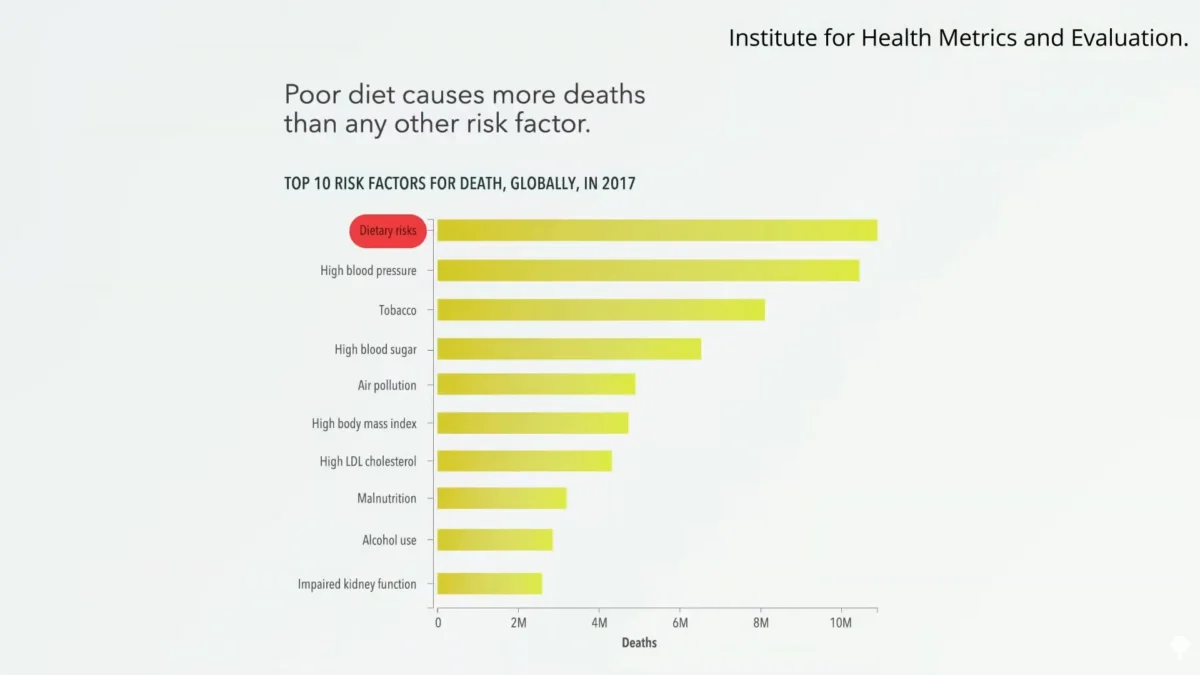
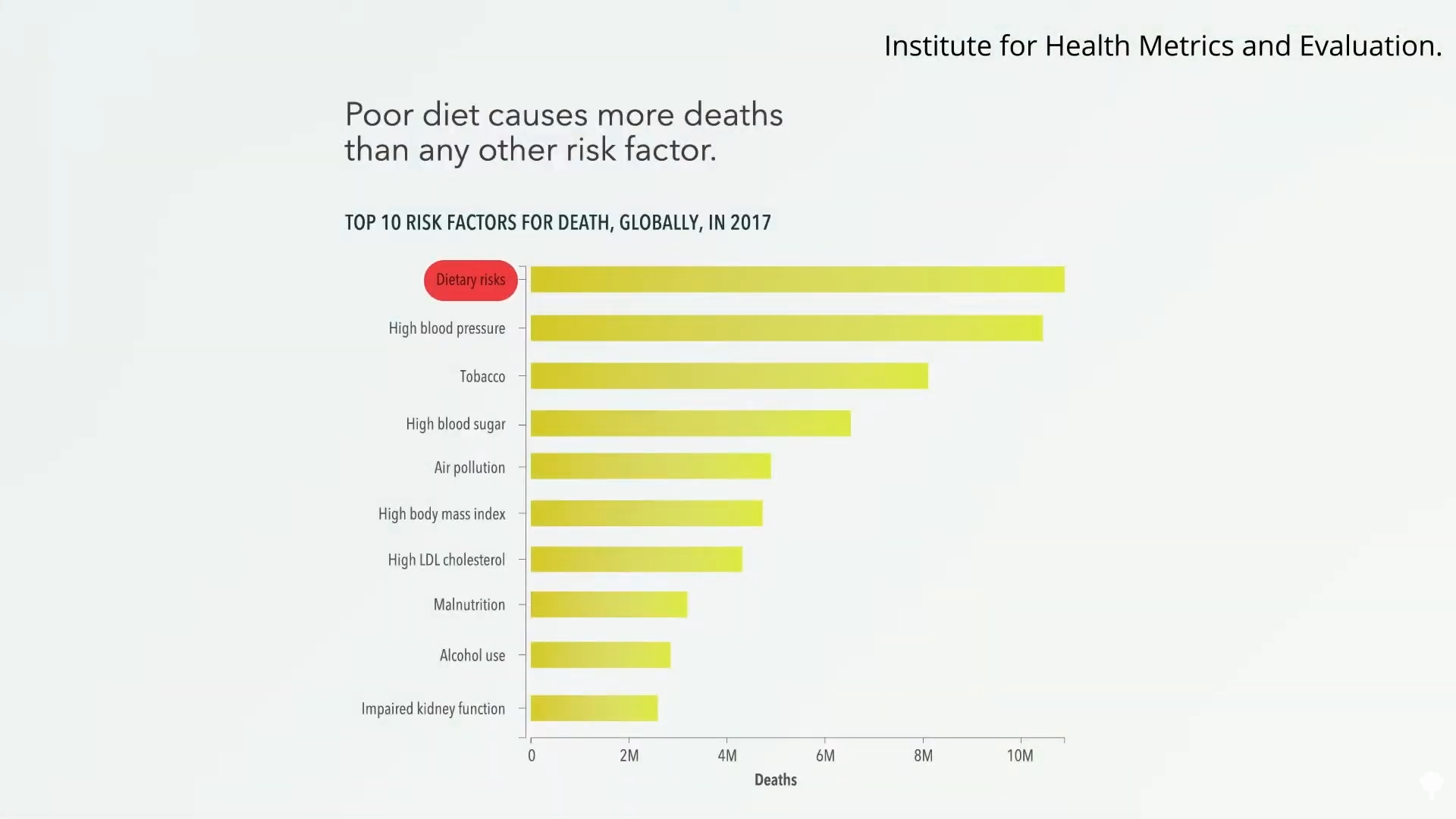
The consumption statistics are particularly concerning for younger demographics. In the U.S., it is estimated that 56% to 70% of the daily caloric intake for children and adolescents consists of ultra-processed foods. Globally, in higher-income countries, these foods consistently account for over 50% of dietary caloric intake. This pervasive consumption pattern has been identified as a leading contributor to the global burden of chronic diseases, making unhealthy diets humanity’s greatest killer.
The Growing Concern Over Ultra-Processed Foods
The rise of ultra-processed foods has coincided with a dramatic increase in rates of obesity and chronic diseases. Studies utilizing animal models have indicated that diets high in ultra-processed foods can lead to substantial weight gain, inflammation, and abnormalities in cognitive and metabolic function. Furthermore, the emergence and growth of binge eating disorder, the most common eating disorder, have been strongly linked to the consumption of ultra-processed foods. These foods are often engineered for hyper-palatability and minimal satiety, making it difficult for individuals to consume them in moderation, a phenomenon rarely observed with whole, unprocessed foods like broccoli.
A meta-analysis of nearly all available studies on the topic found that ultra-processed food consumption is associated with a wide array of adverse health outcomes. These include not only obesity but also increased risks of various cancers, cardiovascular diseases, type 2 diabetes, irritable bowel syndrome, depression, frailty, and a reduced lifespan (all-cause mortality). Studies focusing on youth have also identified links to asthma and higher levels of DNA damage. Crucially, no study has reported any beneficial health outcomes associated with ultra-processed food intake.
In stark contrast, populations that adhere to diets rich in minimally processed foods, with lower meat consumption and higher fiber intake, exhibit significantly lower rates of chronic diseases, reduced obesity, and longer periods of disease-free living. However, much of the evidence linking ultra-processed foods to these negative outcomes has been observational. While these studies highlight strong correlations, they do not definitively establish causation. The challenge has been to disentangle the effects of processing from the inherent nutritional composition of the foods themselves.
The Landmark Randomized Controlled Trial
To address this critical research gap, scientists designed and executed a pioneering randomized controlled trial. The study, conducted at a controlled research facility, involved 20 participants who were admitted for a total of 28 days. During this period, each participant received two distinct dietary regimens, each lasting 14 days: one consisting solely of ultra-processed foods and the other of minimally processed foods.
The critical innovation of this trial was its meticulous control over nutritional variables. The ultra-processed and unprocessed diets were carefully designed to be identical in terms of total calories, sugar, fat, fiber, and macronutrient profiles (carbohydrates and protein). This rigorous matching was crucial to isolate the impact of the food’s processing level. Manufacturers have often sought to reformulate products by adding fiber or reducing sugar and fat, presenting these as improvements. However, this study aimed to determine if the ultra-processed nature itself, independent of these specific nutrient adjustments, drives differences in food intake and weight.
A Day of Contrasting Diets
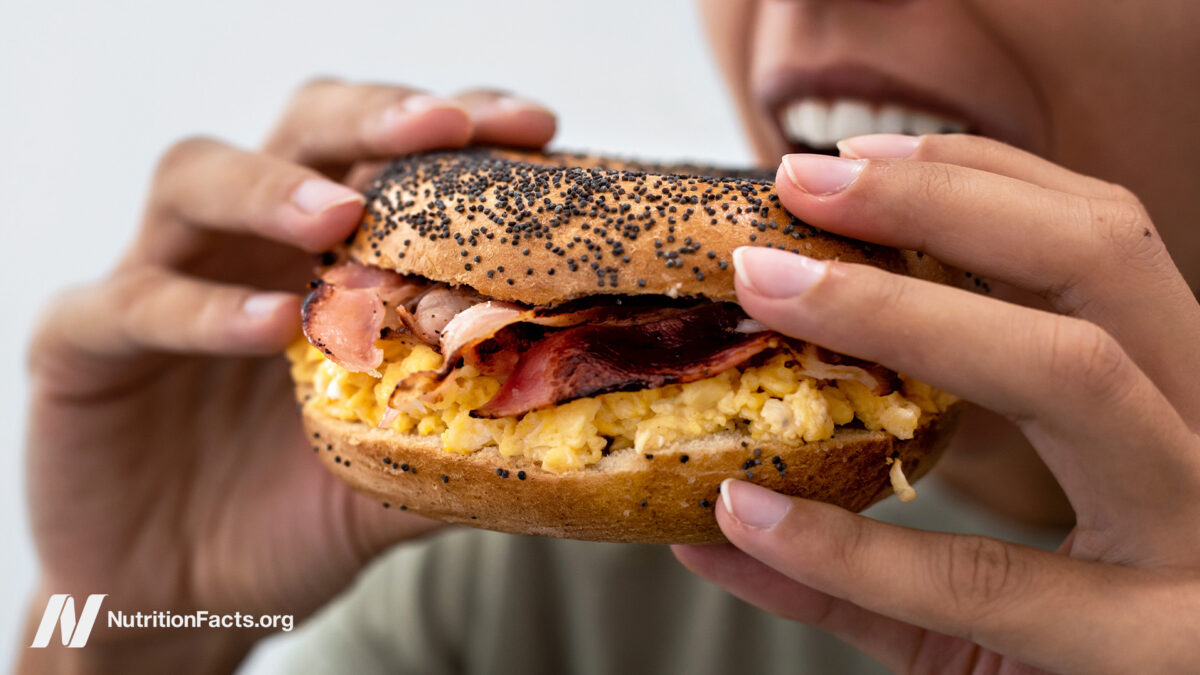
The experimental design provided participants with concrete examples of both dietary approaches. For breakfast, an ultra-processed meal might consist of Cheerios and a muffin, or an egg and cheese muffin with turkey bacon and orange juice. In contrast, the minimally processed breakfast option would be oatmeal with blueberries and almonds. Both meals, while different in composition, were engineered to deliver the same quantities of sugar and fat, with the unprocessed option emphasizing whole food components.
Lunch provided another stark comparison. Participants on the ultra-processed diet might receive a turkey sandwich accompanied by nonfat Greek yogurt, canned peaches, baked potato chips, and sugar-free Crystal Light Lemonade. The minimally processed lunch alternative featured a Southwest entrée salad with fresh ingredients such as black beans, carrots, corn, avocados, and nuts, served with grapes and apples. Throughout the study, participants were instructed to eat as much or as little as they desired, allowing their natural appetites to guide their intake.
The Revealing Results: Caloric Overconsumption and Weight Gain
The outcomes of the trial were striking and provided compelling evidence for the independent impact of ultra-processing. On average, participants consumed approximately 500 more calories per day when adhering to the ultra-processed diet compared to the minimally processed diet. This significant difference in caloric intake led to predictable changes in body weight. Over the 14-day period on the ultra-processed diet, participants gained an average of about two pounds. Conversely, those on the minimally processed diet experienced an average weight loss of approximately two pounds.
These results directly challenge the industry’s proposed "unobtrusive strategy" of product reformulation. The practice, often framed as an effort to enhance nutritional value without requiring consumers to change their eating habits, appears insufficient. The study demonstrates that even when ultra-processed foods are tweaked to meet certain nutritional benchmarks, their inherent characteristics continue to drive overconsumption and weight gain. The implication is that the very structure and composition of these highly engineered foods, regardless of isolated nutrient adjustments, promote increased eating.
Implications for Public Health and Industry Practices
The findings of this randomized controlled trial carry significant weight for public health policy and the food industry. They suggest that the focus should shift from merely tweaking the nutritional profiles of ultra-processed foods to fundamentally limiting their consumption. The economic drivers behind the widespread adoption of ultra-processed foods are clear: they are often manufactured using inexpensive, heavily subsidized ingredients, leading to substantial profit margins for corporations. The global food industry generates over a trillion dollars annually, yet a significant portion of healthcare expenditure is directed towards treating chronic diseases exacerbated by these same foods. This creates a societal paradox where the economic gains of the food industry are offset by immense public health costs.
The food industry often argues that avoiding ultra-processed foods is unrealistic in today’s fast-paced society, citing time constraints and the difficulties of preparing meals from scratch. However, this perspective is increasingly being challenged. Critics suggest that such arguments may perpetuate propaganda and disinformation campaigns that have historically influenced consumer choices. The availability of convenient and healthy options, such as whole fruits, is often overlooked in these discussions.
A Call for a Paradigm Shift in Dietary Guidance
The implications of this research extend to how dietary advice is formulated and disseminated. The notion that ultra-processed foods can be made "healthy" through minor reformulations is being directly contradicted by empirical evidence. Instead, a stronger emphasis on whole, minimally processed foods, characterized by their natural sugar and high fiber content, appears to be the most effective strategy for promoting long-term health and preventing chronic diseases.
This study provides a robust foundation for re-evaluating the role of ultra-processed foods in our diets and advocating for policies that prioritize public health over industrial convenience. The contrast between the outcomes of the ultra-processed and minimally processed diets, even when nutritionally matched, underscores the profound impact of food processing on human physiology and eating behavior. It signals a need for a more critical examination of the food supply and a greater commitment to promoting diets that support well-being rather than undermine it.
The research serves as a critical piece of evidence in the ongoing debate about the health consequences of modern dietary patterns. As the global prevalence of chronic diseases continues to rise, understanding the distinct contributions of food processing to health outcomes is paramount. This trial, by isolating the variable of ultra-processing, offers a clearer picture of its independent detrimental effects, urging a reconsideration of how we define and consume "food" in the 21st century.

