

The seemingly simple act of defecation, a daily biological necessity, is undergoing rigorous scientific scrutiny, with recent research illuminating the profound impact of posture on bowel movements. While traditional Western plumbing has normalized sitting upright on toilets, a growing body of evidence suggests this posture may be suboptimal for efficient evacuation. This has led to a resurgence of interest in squatting, the traditional defecation posture in many parts of Asia and Africa, and the commercialization of devices like the Squatty Potty, designed to mimic this position for modern toilets.
The Anorectal Angle: A Matter of Anatomy and Posture
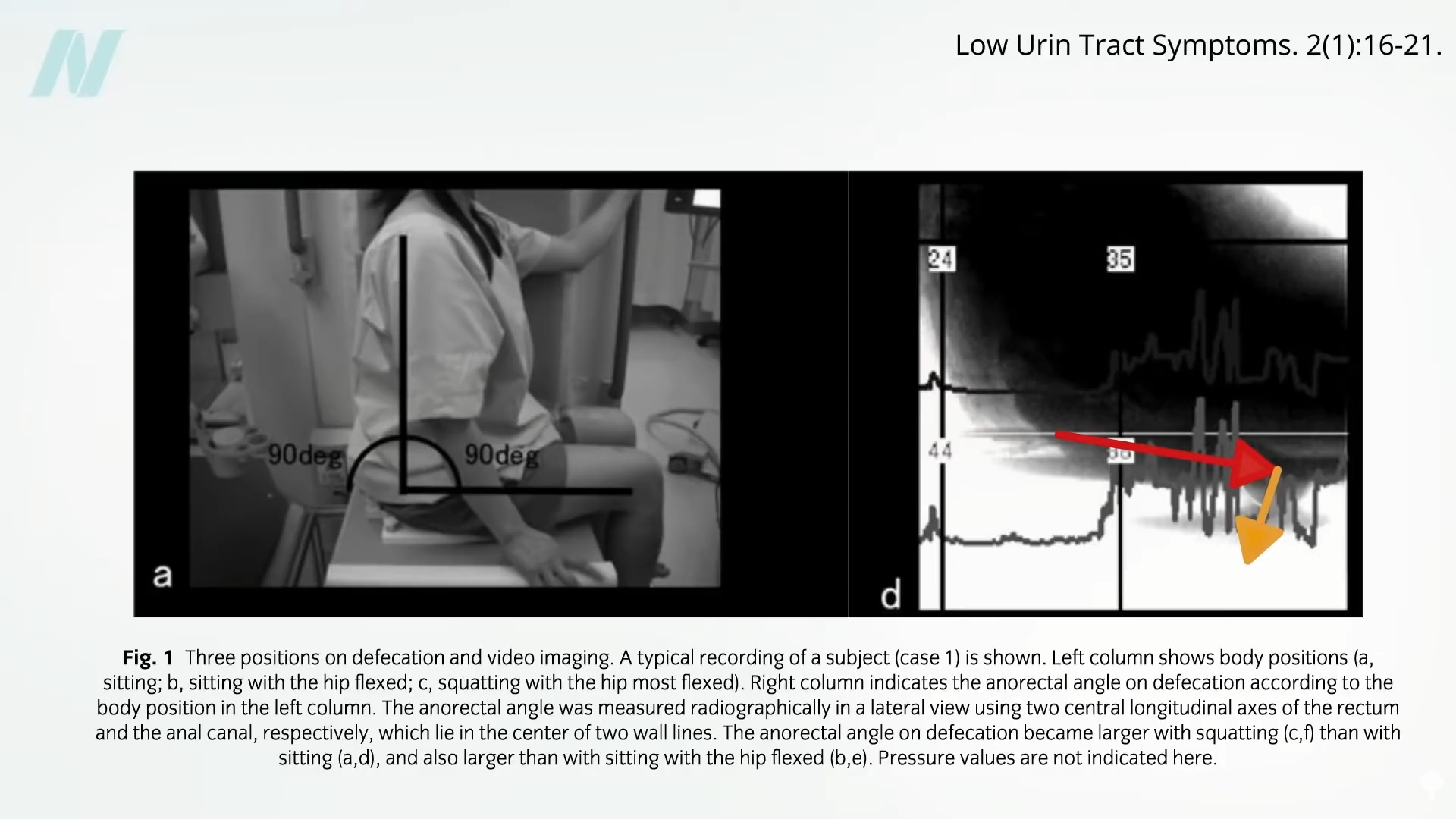
At the heart of the debate lies the "anorectal angle," the junction between the rectum and the anus. In a seated position on a standard Western toilet, this angle is approximately 90 degrees. This sharp bend, while effective at preventing accidental bowel leakage during everyday activities, can impede the unimpeded passage of stool during defecation. The colon’s muscular contractions, known as peristalsis, are responsible for moving waste towards the rectum. However, a straightened anorectal angle can create resistance, requiring increased intra-abdominal pressure and straining to overcome.
Historical context reveals that throughout much of human history, squatting was the default position for defecation. This posture naturally straightens the anorectal angle, creating a more direct pathway for stool elimination. As Western sanitation systems evolved to incorporate raised toilet seats, the seated posture became the norm, a shift that some researchers and health professionals now view as potentially detrimental to digestive health.
Investigating the Squatty Potty: Early Findings and Participant Feedback
The Squatty Potty, a footstool designed to elevate the knees and bring the user closer to a squatting position while on a standard toilet, has emerged as a popular solution for those seeking to improve their defecation posture. However, its efficacy has been a subject of scientific inquiry.
Early investigations into similar footstools, which typically offer a modest four-inch elevation, yielded mixed results. A study published in the Journal of Japanese Society of Coloproctology in 2003 (PubMed ID: 12870773) examined the impact of raising knees on self-reported difficulty in defecation and the average time spent on bowel movements. While participants did not report a significant difference in the difficulty of defecation, the study noted that these simpler stools provided only a limited increase in the desired postural change.
The Squatty Potty, in contrast, is designed to offer a more substantial height increase, often around eight inches, effectively doubling the elevation of basic footstools. This increased height aims to more closely approximate the natural squatting position.
A study published in the Journal of the Korean Society of Coloproctology in 2018 (PubMed ID: 30346317) directly investigated the impact of a "Defecation Posture Modification Device," which functionally describes the Squatty Potty. The research involved participants using such a device, and the findings were notable. Participants reported a significant increase in the sensation of complete bowel emptying, a reduction in straining during defecation, and an average reduction of approximately one minute in the time spent on the toilet. These results suggest that the increased elevation provided by the Squatty Potty can indeed facilitate a more efficient defecation process.
However, the study also highlighted a significant caveat: discomfort. Even a six-inch riser, a height comparable to many Squatty Potty models, was found to cause considerable discomfort in some participants during a previous trial, leading some to abandon the study altogether. This suggests that while the Squatty Potty may offer physiological benefits, user comfort and tolerance are critical factors for widespread adoption and consistent use. The implications of this discomfort warrant further investigation into optimal riser heights and potential ergonomic improvements.
Alternative Approaches: The "Thinker" Pose and its Potential
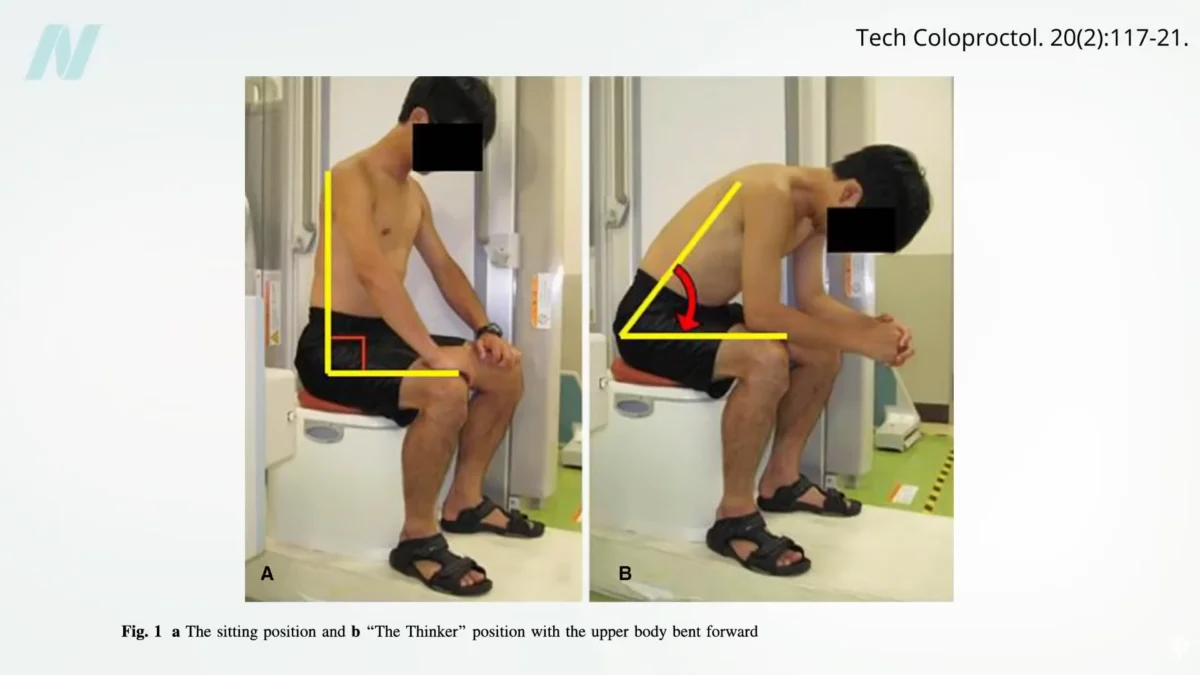
Beyond commercially available devices, researchers have explored other postural modifications to achieve a more straightened anorectal angle. One such area of investigation involves the "Thinker" position, a pose famously depicted in Auguste Rodin’s sculpture, where an individual leans forward with their elbows resting on their knees.
Cleveland Clinic researchers embarked on a study to evaluate the effectiveness of this "Thinker" pose for defecation. Utilizing a sophisticated imaging technique known as cinedefecography—a dynamic X-ray that essentially creates an "x-ray poop movie"—they were able to measure the anorectal angle. Their findings indicated that adopting the "Thinker" position could open the anorectal angle to over 130 degrees. This represents a substantial improvement compared to simply raising one’s feet, which typically achieves an angle of around 90 degrees.
The implications of these findings are significant. The "Thinker" position, requiring no specialized equipment, could represent a more accessible and potentially more effective method for facilitating defecation. While the research has demonstrated its anatomical advantage in straightening the anorectal angle, its direct impact on constipation and other defecation-related issues has yet to be formally studied and validated through clinical trials. Further research is needed to confirm its efficacy in improving bowel transit time and reducing straining.
The Perils of Straining and the Importance of a Favorable Position
The act of straining during defecation is not merely an inconvenience; it carries serious health risks. Bearing down forcefully can lead to a spike in blood pressure in the heart and brain, which has been linked to life-threatening events such as heart attacks and strokes. In some populations, such as Japan, straining during bowel movements has been identified as a leading daily activity associated with sudden death. Individuals with limited mobility, such as those confined to bed, may be particularly vulnerable to these risks due to their inability to assume optimal postures. This underscores the importance of positioning individuals, even in bed, in a more upright posture to minimize strain on the cardiovascular system.
Diet vs. Plumbing: A Holistic Perspective
While the debate over toilet posture gains traction, it is crucial to consider the broader context of diet and its influence on bowel regularity. A commentary published nearly 50 years ago highlighted a fundamental point: individuals who squat due to a lack of modern plumbing often consume less refined, more natural diets rich in dietary fiber.
Dietary fiber plays a critical role in digestive health. It adds bulk to stool, making it softer and easier to pass. Inadequate fiber intake is a common cause of constipation in Western societies, where processed foods often have their fiber content significantly reduced. The implication is that by simply increasing dietary fiber intake—through fruits, vegetables, and whole grains—individuals may be able to achieve effortless bowel movements without necessarily needing to alter their toilet infrastructure.
This perspective suggests a holistic approach to digestive well-being. While optimizing defecation posture may offer benefits, it should be considered alongside dietary choices. A high-fiber diet can enable constipated individuals to achieve regular and easy bowel movements, potentially mitigating the need for postural aids. Therefore, the focus might shift from solely redesigning our plumbing to redesigning our diets for optimal digestive function.
Expert Analysis and Future Directions
The ongoing research into defecation posture reflects a growing recognition of its physiological significance. While the Squatty Potty and similar devices have shown promise in improving bowel emptying and reducing straining, the issue of user comfort remains a key consideration. Future product development may focus on more ergonomic designs or adjustable height options to cater to a wider range of users.
Furthermore, the promising findings related to the "Thinker" pose suggest a low-cost, accessible alternative that warrants further rigorous investigation. Clinical trials designed to assess its impact on constipation, bowel transit time, and overall patient satisfaction would be invaluable.
The broader implications of this research extend to public health initiatives aimed at promoting digestive wellness. Educating individuals about the interplay between posture, diet, and bowel health could empower them to make informed choices that contribute to better gastrointestinal function and potentially reduce the incidence of straining-related health emergencies.
In conclusion, the science behind defecation posture is revealing that our modern toilets, while convenient, may not be anatomically ideal for optimal bowel evacuation. From the evidence supporting the Squatty Potty’s efficacy to the emerging potential of the "Thinker" pose, and the enduring importance of dietary fiber, a multi-faceted approach to digestive health appears to be the most effective path forward. The conversation, once considered taboo, is now firmly established in the scientific and public discourse, offering individuals new avenues for improving their well-being.

