

The quest for a fuller head of hair has led countless individuals to explore a myriad of treatments, with the internet offering an overwhelming array of purported remedies. However, when seeking scientifically validated interventions for hair loss, the focus narrows to medications approved by regulatory bodies such as the U.S. Food and Drug Administration (FDA). Among these, finasteride, marketed as Propecia, and minoxidil, known as Rogaine, stand as the primary FDA-approved pharmaceutical options. While these drugs have demonstrated efficacy in combating hair loss, a thorough examination reveals a complex landscape of benefits intertwined with potential risks, particularly concerning finasteride’s impact on hormonal balance and sexual function.
Understanding the Landscape of Hair Loss Treatments
For individuals experiencing androgenetic alopecia, commonly known as male or female pattern baldness, the market presents a bewildering array of products. From topical solutions and shampoos to supplements and specialized diets, the options are vast. However, scientific evidence supporting the efficacy of many over-the-counter (OTC) supplements for hair growth remains limited, with claims often unsubstantiated by rigorous clinical trials. In contrast, Propecia and Rogaine have undergone extensive testing and received FDA approval, indicating a level of proven effectiveness.
The financial aspect of hair loss treatments also warrants consideration. While some over-the-counter supplement regimens can incur costs exceeding $1,000 annually, the FDA-approved drugs, Propecia and Rogaine, generally fall within a more manageable range of $100 to $300 per year. This economic disparity, coupled with the varying levels of scientific backing, highlights the importance of informed decision-making when choosing a hair loss treatment strategy.
Propecia (Finasteride): Mechanism of Action and Associated Risks
Propecia’s efficacy in treating male pattern baldness stems from its mechanism of action, which targets the hormonal underpinnings of hair loss. The drug works by inhibiting the enzyme 5-alpha reductase, an enzyme responsible for converting testosterone into dihydrotestosterone (DHT). DHT is a potent androgen that plays a crucial role in the miniaturization of hair follicles in genetically predisposed individuals, leading to thinning hair and eventual baldness. By reducing DHT levels, Propecia can help to slow hair loss and, in some cases, promote regrowth.
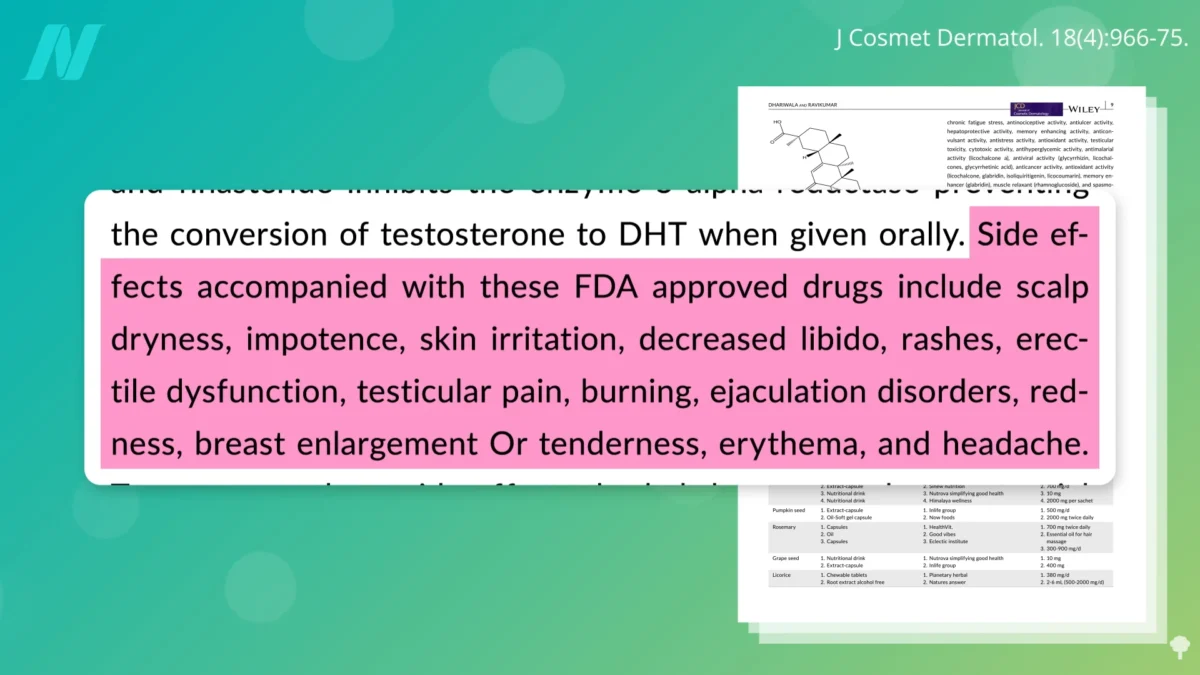
However, this hormonal intervention is not without its potential downsides. A significant concern associated with Propecia is its capacity to cause sexual side effects. These can include diminished libido, erectile dysfunction, and, in some instances, ejaculation disorders. The severity and persistence of these side effects can vary considerably among individuals.
- Persistent Sexual Dysfunction: A critical aspect of Propecia’s risk profile, which has necessitated disclosures from pharmaceutical manufacturers, is the potential for sexual dysfunction to persist even after discontinuing the medication. Reports indicate that a notable percentage of study participants have experienced "persistent sexual dysfunction" for six or more years following cessation of the drug. This raises the possibility that the effects may be permanent for some individuals.
- Hormonal Imbalance: Beyond sexual function, Propecia can lead to other hormonal disruptions. These may include breast enlargement (gynecomastia) and testicular pain, particularly in men. The drug is also contraindicated for women, especially those who are pregnant or may become pregnant, due to the risk of feminizing male fetuses.
- Neurosteroid Alterations: Emerging research suggests a potential link between Propecia use and alterations in the brain’s neurosteroid levels. While blood hormone levels may appear normal in users experiencing persistent sexual side effects, analysis of cerebrospinal fluid (obtained via spinal tap) has indicated changes in neurosteroid concentrations. This has led to recommendations for prescribers and potential users to be fully aware of the potential serious long-term risks associated with finasteride, especially when used for cosmetic purposes.
The historical context of understanding androgen’s role in hair loss is rooted in early 20th-century research, albeit with ethically fraught origins. Studies from that era observed that castration halted hair loss in men, a finding that underscored the significance of androgens. These observations were made against a backdrop of eugenics movements, which tragically led to forced sterilizations of individuals deemed "mentally handicapped" in the United States and other countries. While these historical practices are deeply disturbing, they inadvertently provided early insights into the hormonal drivers of hair growth.
Rogaine (Minoxidil): A Topical Approach with Different Risks
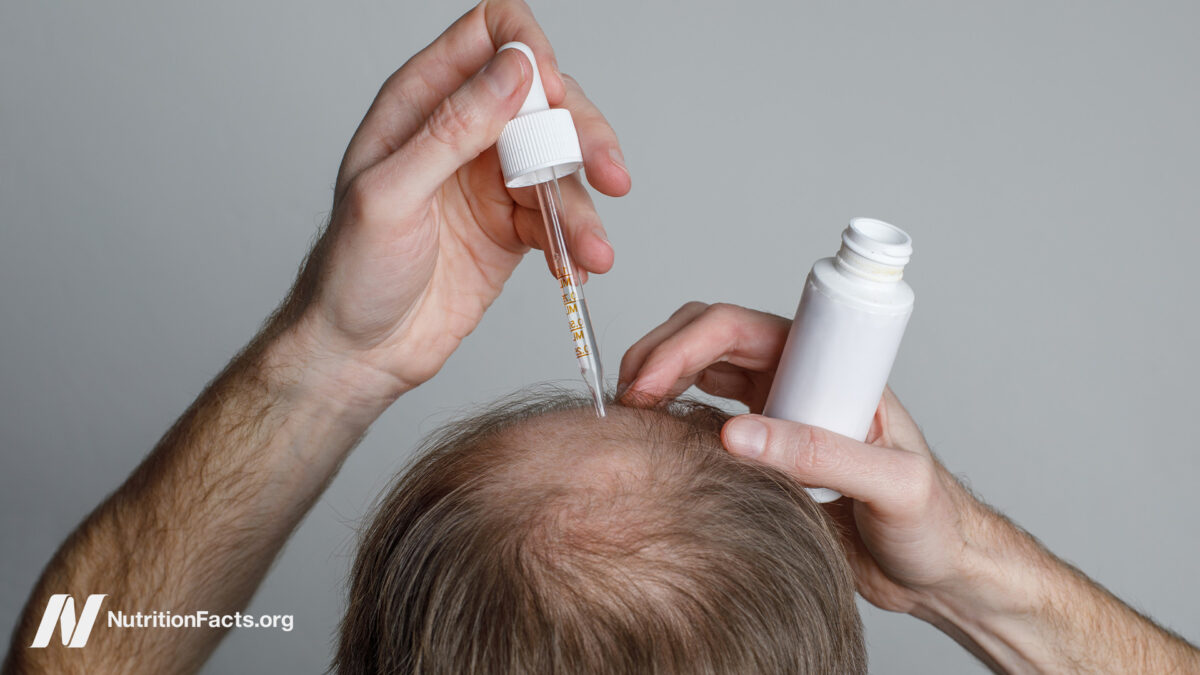
In contrast to Propecia’s systemic hormonal intervention, Rogaine (minoxidil) is a topical medication applied directly to the scalp. Its precise mechanism of hair growth stimulation is not fully understood, but it is believed to work by widening blood vessels in the scalp, thereby improving blood flow to the hair follicles and potentially prolonging the anagen (growth) phase of the hair cycle.
While generally considered to have a more favorable side effect profile compared to finasteride, minoxidil is not without its drawbacks.
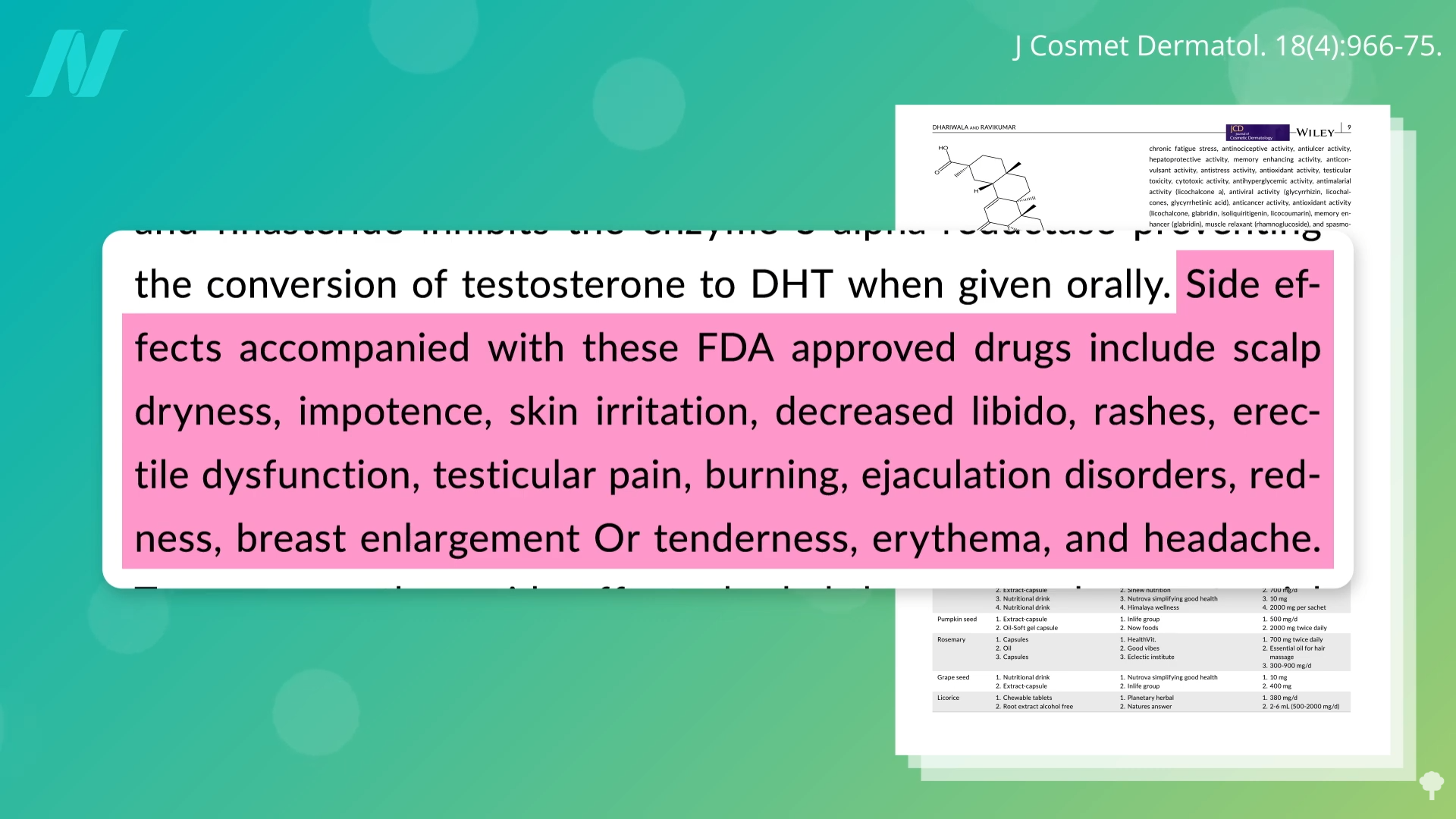
- Scalp Irritation: The most commonly reported side effect of topical minoxidil is scalp irritation, which can manifest as itching, redness, or dryness. This can be a significant deterrent for some users.
- Unwanted Hair Growth: In some instances, particularly with the use of higher concentrations or if the medication is applied to areas other than the scalp, minoxidil can lead to unwanted hair growth on the face or other parts of the body.
- Systemic Absorption and Side Effects: Although absorption into the bloodstream is generally minimal with topical application, systemic side effects are possible, though rare. These could include dizziness, rapid heartbeat, or fluid retention.
Comparative Analysis and Future Directions
The FDA-approved drugs for hair loss, Propecia and Rogaine, offer distinct approaches with varying benefit-risk profiles. Propecia, a prescription oral medication, targets the hormonal underpinnings of hair loss but carries the significant risk of persistent sexual dysfunction and other hormonal side effects. Rogaine, an over-the-counter topical solution, is generally better tolerated but primarily addresses symptoms rather than the root hormonal cause.
The limited efficacy of many non-prescription supplements and the potential risks associated with current pharmaceutical interventions underscore a critical unmet need in the field of hair loss treatment. As research continues, the focus is increasingly shifting towards exploring novel therapeutic avenues.
- Need for Alternative Treatments: Given the known side effects of Propecia and Rogaine, there is a clear demand for alternative treatments that are both effective and safe. This includes exploring non-hormonal therapies, regenerative medicine approaches, and potentially dietary or lifestyle interventions that could positively impact hair health.
- The Role of Nutrition: The question of whether dietary choices can influence hair loss is a pertinent area of ongoing scientific inquiry. While the current article focuses on pharmaceutical interventions, future research may illuminate the intricate relationship between diet and hair growth, potentially offering complementary or alternative strategies for managing hair loss.
Conclusion
The decision to pursue pharmaceutical treatment for hair loss requires careful consideration of the potential benefits against the documented risks. While Propecia and Rogaine have established roles in managing androgenetic alopecia, their use necessitates an informed dialogue between patients and healthcare providers. The potential for persistent sexual dysfunction with Propecia, coupled with the scalp irritation that can accompany Rogaine, highlights the ongoing search for safer and more effective solutions in the complex and often emotionally charged journey of addressing hair loss. The scientific community’s recognition of the need for alternative treatments signals a promising future for individuals seeking to restore hair health with greater confidence and fewer concerns.

