

Benign prostatic hypertrophy (BPH), commonly known as an enlarged prostate, affects a significant portion of the aging male population. Statistics reveal that over 50% of men in their 50s and at least 70% of men over 60 experience this condition, leading to bothersome lower urinary tract symptoms (LUTS). These symptoms can range from increased urinary frequency, particularly at night, to a weakened urine stream and incomplete bladder emptying. While conventional medical treatments exist, their efficacy is often hampered by undesirable side effects and low patient adherence rates. These adverse effects can include sexual dysfunction, a potential link to high-grade prostate cancer, and even depression, understandably contributing to poor compliance. When pharmacological interventions prove insufficient, surgical options such as transurethral resection of the prostate (TURP) are considered, prompting a continued search for safer and more accessible alternatives.
Understanding Benign Prostatic Hypertrophy and its Treatment Landscape
BPH is a non-cancerous enlargement of the prostate gland, a walnut-sized organ located below the bladder in men. As the prostate grows, it can press on the urethra, the tube that carries urine from the bladder out of the body, obstructing urine flow. The exact causes of BPH are not fully understood, but hormonal changes associated with aging, particularly the decline in testosterone and the relative increase in estrogen, are believed to play a significant role.
Current medical management of BPH typically involves two classes of drugs: alpha-blockers, which relax the muscles in the prostate and bladder neck to improve urine flow, and 5-alpha-reductase inhibitors, which shrink the prostate over time by reducing hormone levels. While these treatments can be effective, they are not without their drawbacks. Alpha-blockers can cause dizziness, retrograde ejaculation, and nasal congestion. 5-alpha-reductase inhibitors may lead to decreased libido, erectile dysfunction, and breast tenderness. The cumulative impact of these side effects can significantly diminish a patient’s quality of life and lead to treatment discontinuation.
Surgical interventions, while often highly effective in relieving symptoms, carry their own set of risks, including bleeding, infection, and potential long-term urinary or sexual dysfunction. The desire for non-invasive, natural interventions that offer relief with minimal adverse effects has fueled research into dietary and botanical approaches.
Examining Dietary Influences on Prostate Health
Population-based studies have offered insights into dietary patterns associated with a reduced risk of BPH. Research suggests a correlation between low animal protein intake and a higher consumption of fruits and vegetables, and a protective effect against prostate issues. However, the nuances of protein sources are critical. Some evidence points towards eggs and poultry being more strongly associated with negative prostate health outcomes compared to red meat or dairy. Refined grains have also been implicated. This suggests that a focus on whole, unprocessed foods, particularly plant-based options, may be beneficial.
Investigating Botanical Remedies: The Case of Saw Palmetto
For decades, saw palmetto (Serenoa repens) has been a popular herbal remedy for BPH. Clinical research has been extensive, with over 30 randomized controlled trials examining its efficacy. However, despite its widespread use and historical popularity, the scientific consensus emerging from these studies suggests that saw palmetto is largely ineffective in treating the symptoms of benign prostatic hypertrophy. This finding underscores the importance of rigorous scientific evaluation for all purported natural remedies, moving beyond anecdotal evidence to robust clinical data.
Cranberries: A Centuries-Old Remedy Put to the Test
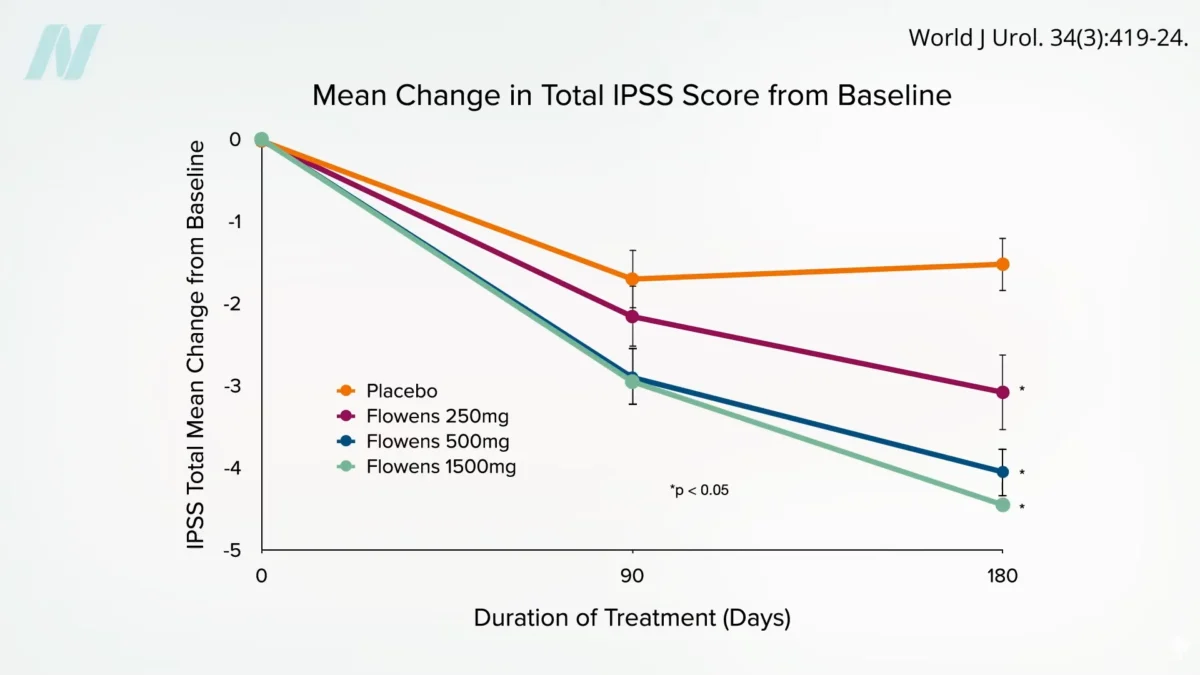
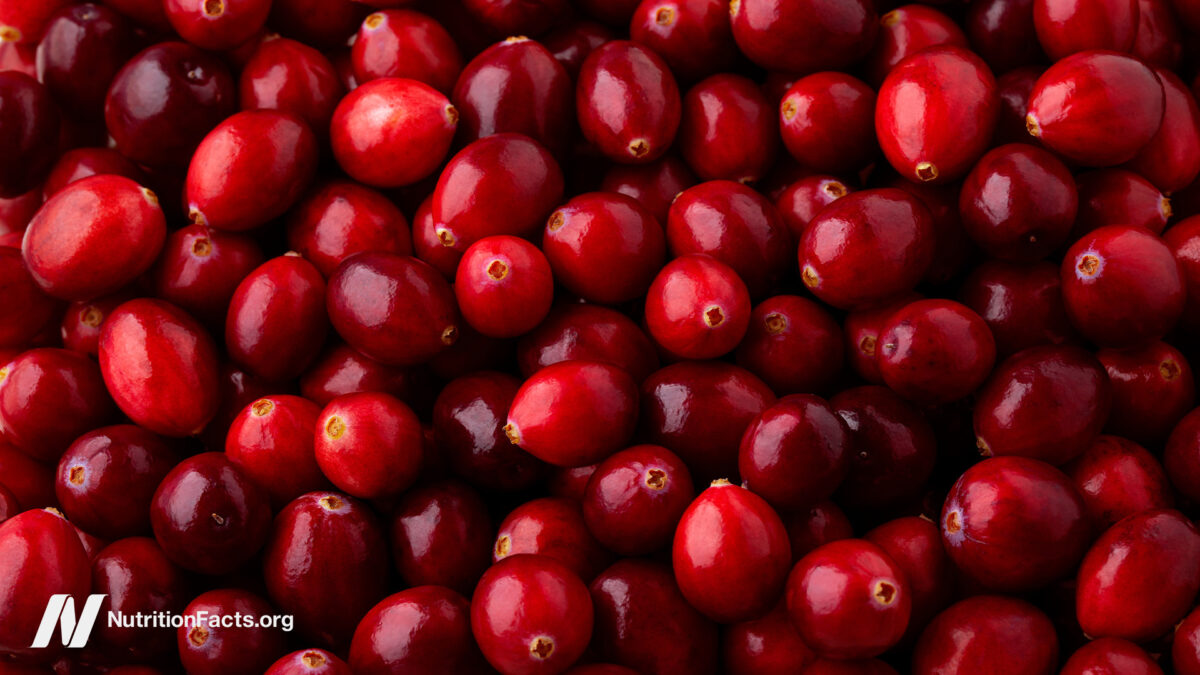
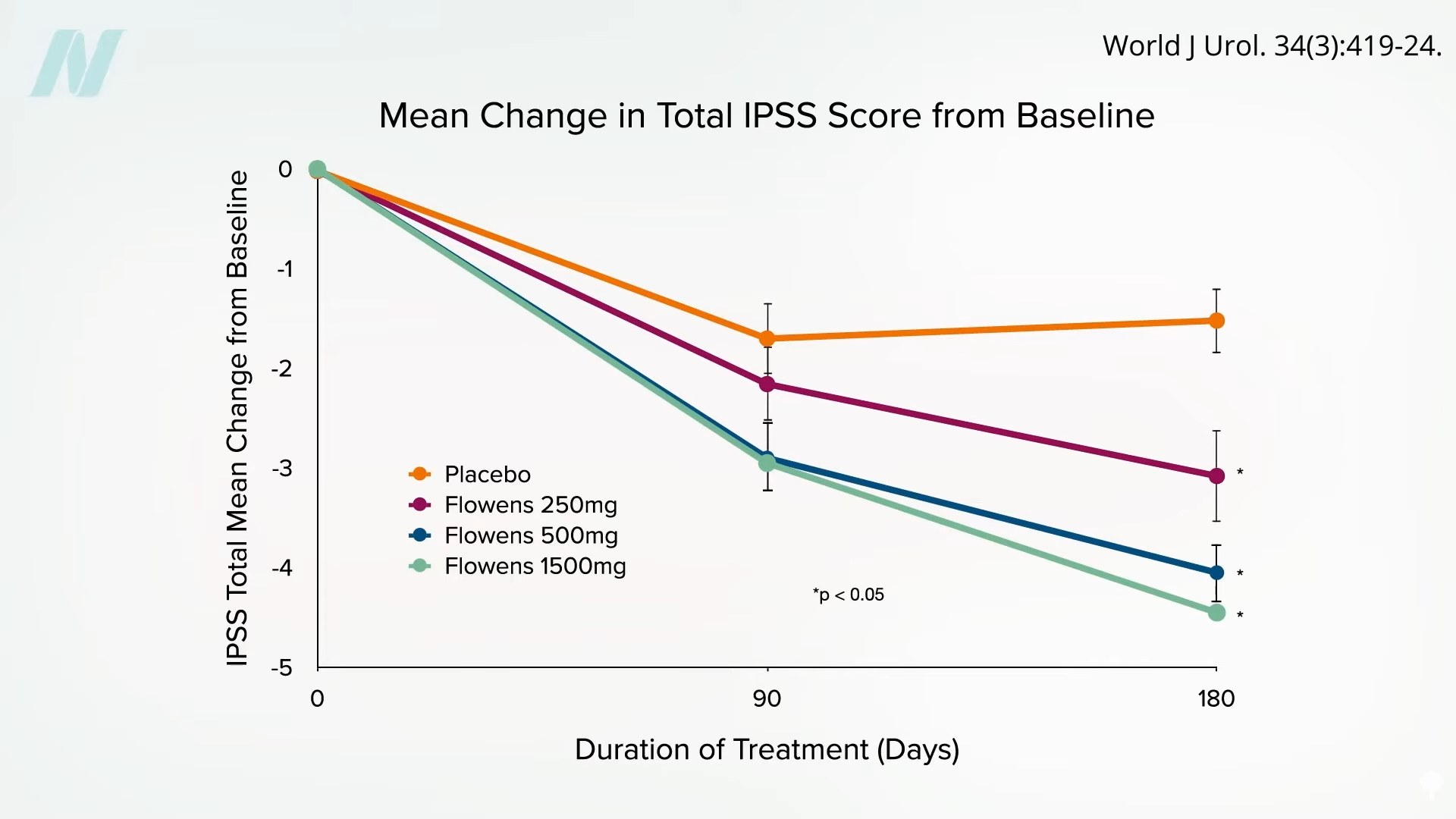
Cranberries (Vaccinium macrocarpon) have a long history of use in traditional medicine, particularly by Native American cultures, for treating urinary ailments. Modern scientific inquiry has sought to validate these historical claims through clinical trials. A notable study investigated the effects of powdered whole cranberries, emphasizing the importance of avoiding processed forms like sugary, oil-coated "craisins." Participants consuming approximately one teaspoon (around 3 grams) of powdered whole cranberries daily experienced statistically significant improvements in BPH symptoms, enhanced quality of life, and positive changes in all measured urination parameters.
Further research explored dose-response relationships, examining whether smaller amounts of cranberries could also yield benefits. Studies have indicated that even lower doses, such as a third or a sixth of a teaspoon of powdered cranberry, demonstrated some positive effects. These findings suggest a potential therapeutic window for cranberry supplementation in managing BPH. It is crucial to note that the cranberry product used in one such study was a supplement, funded by a supplement company, and consisted of pure cranberry powder. This implies that purchasing bulk cranberry powder for integration into daily smoothies or other food items could be a more cost-effective approach for consumers.
Interestingly, other beverages, such as purple grape juice, have been investigated for their potential benefits in BPH but have shown no discernible positive impact. This highlights the specificity of certain plant compounds and their mechanisms of action.
Pumpkin Seeds: A Nutritious Seed with Promising Properties
Beyond cranberries, other natural foods have garnered attention for their potential role in prostate health. Flaxseeds, for instance, have previously been discussed for their therapeutic efficacy, potentially comparable to some conventional medications with favorable side effect profiles. Attention has now turned to pumpkin seeds (Cucurbita pepo), which have been utilized in folk medicine for centuries to address prostate disorders.
In vitro studies have demonstrated that pumpkin seed extracts can significantly inhibit the growth of BPH prostate cells in laboratory settings, effectively halving their proliferation. This laboratory finding provided a compelling rationale for investigating their effects in human subjects.
Clinical Evidence for Pumpkin Seed Efficacy
The journey from laboratory observation to human application has involved several key studies. Early research explored the use of pumpkin seed oil. One study pitted pumpkin seed oil directly against Prazosin, a commonly prescribed alpha-blocker for BPH, and found comparable effectiveness in symptom relief. Similarly, another comparative study against Terazosin, another alpha-blocker, suggested similar benefits. However, a significant limitation of these comparative studies was the absence of a placebo control group, making it difficult to definitively attribute the observed improvements solely to the pumpkin seed oil.
A more robust study was subsequently conducted, involving over a thousand men. Participants were randomized into three groups: one receiving pumpkin seed extract, another receiving a placebo, and a third consuming approximately one tablespoon (about 7.5 grams) of plain, whole pumpkin seeds daily. This study, while funded by a company manufacturing a pumpkin seed supplement, provided crucial insights. The pumpkin seed supplement itself did not perform significantly better than the placebo, failing to demonstrate a clear therapeutic advantage. However, the group consuming whole pumpkin seeds experienced notable symptom improvement.
This outcome was significant because it indicated that the benefits were not solely derived from specific extracted compounds within the oil. The whole food itself appeared to be the active component. This finding has been further supported by subsequent research suggesting that even oil-free pumpkin seed extracts may offer benefits.
Official Recognition and Recommendations
The cumulative evidence has led to significant conclusions regarding the role of pumpkin seeds in BPH management. Researchers involved in the aforementioned randomized trial concluded that pumpkin seeds could be recommended for patients experiencing mild to moderate BPH symptoms. This recommendation has been echoed by regulatory bodies. The European Medicines Agency (EMA), the European equivalent of the U.S. Food and Drug Administration, has recognized that pumpkin seeds can be used to alleviate lower urinary tract symptoms associated with an enlarged prostate, provided that more serious underlying medical conditions have been ruled out by a qualified healthcare professional.
Broader Implications and Future Directions
The findings regarding cranberries and pumpkin seeds offer a promising avenue for individuals seeking natural adjunctive therapies for BPH. Their availability as whole foods or simple powdered supplements, coupled with a favorable side effect profile compared to pharmaceutical interventions, makes them attractive options. The cost-effectiveness of incorporating these natural remedies into one’s diet further enhances their appeal.
However, it is crucial to emphasize that these dietary approaches should be considered complementary to, rather than replacements for, conventional medical care. Men experiencing symptoms of BPH should always consult with a healthcare provider for a proper diagnosis and to rule out other serious conditions, such as prostate cancer. A comprehensive approach that combines medical evaluation, lifestyle modifications, and potentially evidence-based natural interventions can lead to the most effective and personalized management plan for BPH.
Further research may focus on refining optimal dosages, exploring synergistic effects of combining cranberries and pumpkin seeds, and investigating their long-term impact on prostate health and overall well-being. The ongoing exploration of natural dietary treatments for BPH continues to provide hope for millions of men worldwide, offering accessible and potentially effective ways to manage a common and often burdensome condition.
Doctor’s Note:
For those interested in further exploring the research on flaxseeds and their potential impact on prostate health, the video "Flaxseeds vs. Prostate Cancer" is a valuable resource. Additionally, information regarding the potential role of cranberries in combating cancer can be found in the video "Cranberries vs. Cancer." For a specific inquiry into cranberry juice’s effectiveness against bladder infections, the video "Can Cranberry Juice Treat Bladder Infections?" provides relevant insights.

