

The landscape of modern nutrition is increasingly dominated by ultra-processed foods, a category that has expanded dramatically in recent decades, raising significant public health concerns. These industrially formulated products, often characterized by long ingredient lists containing additives not typically found in home kitchens, have become ubiquitous in the global food supply. A groundbreaking randomized controlled trial, the first of its kind to specifically investigate the impact of ultra-processed foods while controlling for key nutritional components, has provided compelling evidence of their detrimental effects on calorie consumption and body weight.
Defining the "Ultra-Processed" Landscape
The term "ultra-processed food" (UPF) emerged from the need for a more precise definition in nutritional research, moving beyond the colloquial and often imprecise label of "junk food." These foods are not simply processed; they are industrial formulations that undergo extensive manufacturing processes. They typically contain a complex array of ingredients such as artificial flavors, sweeteners, colors, emulsifiers, and other additives. These substances are often used to imitate the taste and texture of real foods or to mask undesirable qualities of the final product, contributing to their hyper-palatability and addictive nature.
The prevalence of UPFs is staggering. In the United States, for instance, an assessment of over 200,000 food products revealed that a significant 71% were classified as ultra-processed. This dominance extends beyond traditional grocery stores, with UPFs readily available in non-food retailers, gas stations, and even professional offices. This pervasive availability, coupled with strategic marketing campaigns designed to ensure constant accessibility – as exemplified by former Coca-Cola executive John Sicher’s directive to keep soda within "arm’s reach of desire" – contributes to their high consumption rates.
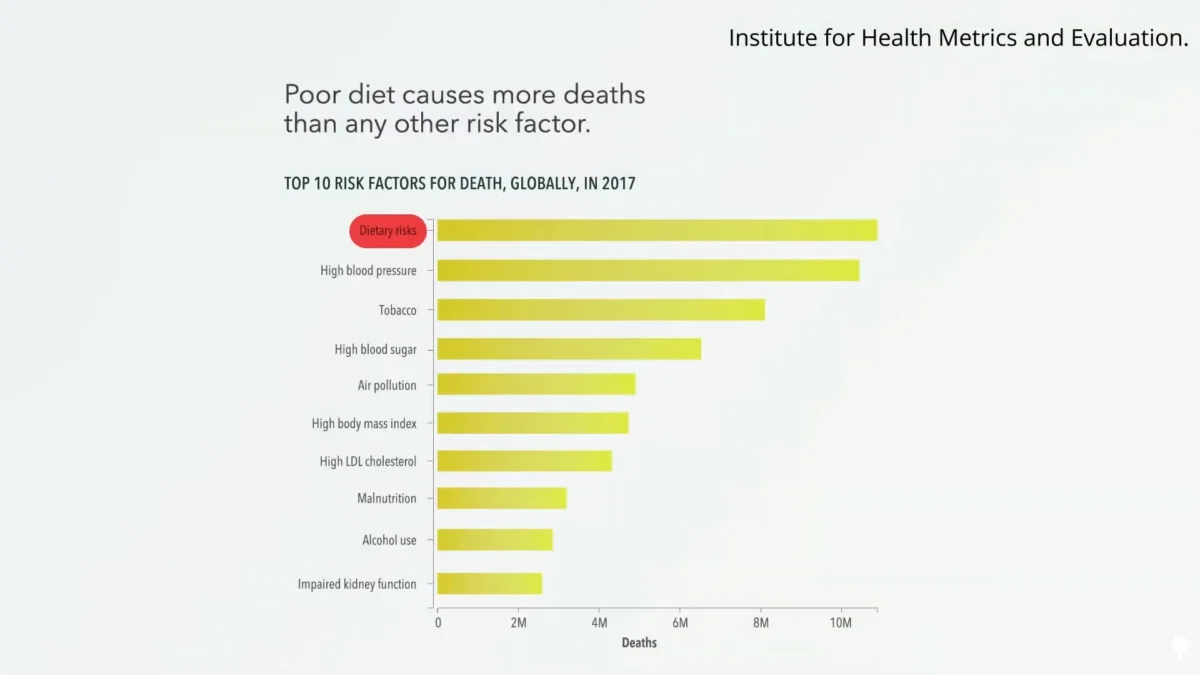
The impact of UPFs is particularly concerning among younger populations. In the U.S., it is estimated that 56% to 70% of the daily caloric intake of children and adolescents consists of these foods. On a global scale, higher-income countries see UPFs accounting for over 50% of dietary caloric intake. This widespread consumption has been strongly linked to a rise in chronic diseases, which are now recognized as humanity’s greatest killer and the leading risk factor for death globally.
The Growing Shadow of Ultra-Processed Foods
The rise of UPFs is not a recent phenomenon but rather a trend that has accelerated over the past several decades. Historically, food processing was largely limited to methods like canning, freezing, and fermentation, aimed at preservation and convenience. However, the advent of advanced food science and technology in the latter half of the 20th century ushered in an era of sophisticated industrial formulation. Ingredients like high-fructose corn syrup, artificial sweeteners, and a cocktail of chemical additives became staples, allowing for the creation of products with extended shelf lives, enhanced palatability, and significantly lower production costs.
This shift has coincided with a dramatic increase in rates of obesity, type 2 diabetes, cardiovascular disease, and other diet-related chronic illnesses. While observational studies have consistently shown a correlation between UPF consumption and adverse health outcomes – including obesity, cancer, cardiovascular diseases, type 2 diabetes, irritable bowel syndrome, depression, frailty, and increased all-cause mortality – the precise causal mechanisms have remained a subject of intense research. Studies on youth have further linked UPF consumption to asthma and higher rates of DNA damage. Crucially, no study has identified a beneficial health outcome associated with UPF intake.
The food industry, driven by profit margins, has heavily invested in the production and marketing of UPFs. These products are often manufactured using inexpensive, subsidized ingredients, allowing for substantial corporate profits. This economic model has led to a food supply heavily reliant on UPFs, with the industry generating over a trillion dollars annually. However, the societal cost is immense, with a significant portion of healthcare expenditures directed towards treating chronic diseases exacerbated by these very foods.
The First Controlled Trial: Unraveling the Impact
To move beyond observational data and establish a more direct causal link, researchers conducted the first randomized controlled trial specifically designed to isolate the effects of ultra-processing. The study, published in the New England Journal of Medicine, involved 20 participants who were admitted to a hospital ward and provided with either an ultra-processed diet or an unprocessed diet for 14 days each, in a crossover design. The critical innovation of this trial was its meticulous control over macronutrient composition and caloric content.
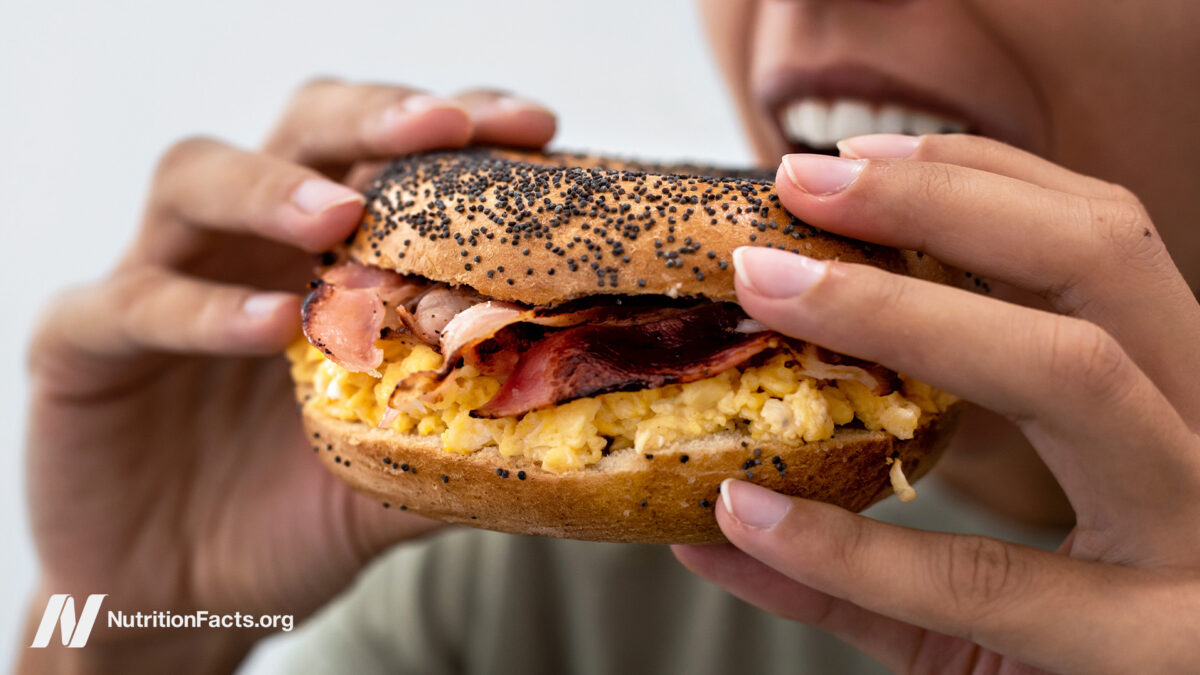
The diets were designed to be isocaloric, meaning they provided the same number of calories, sugar, fat, fiber, and macronutrients. This controlled approach was crucial in addressing potential criticisms that observed differences in health outcomes were solely due to variations in nutrient profiles rather than the degree of processing itself. Manufacturers have indeed explored "reformulation" strategies, attempting to add fiber or reduce sugar and fat while maintaining the ultra-processed nature of their products. The trial aimed to disentangle the impact of ultra-processing from these specific nutrient adjustments.
Illustrative Meal Comparisons:
To achieve nutritional equivalence while differing in processing levels, researchers created distinct meal plans.
-
Ultra-Processed Breakfast: Participants might receive Cheerios and a muffin, or an egg and cheese muffin with turkey bacon and orange juice.
-
Unprocessed Breakfast: The alternative would be oatmeal with blueberries and almonds.
-
Ultra-Processed Lunch: This could include a turkey sandwich with nonfat Greek yogurt, canned peaches, baked potato chips, and sugar-free Crystal Light Lemonade.
-
Unprocessed Lunch: The comparison meal was a Southwest entrée salad with black beans, carrots, corn, avocados, and nuts, accompanied by grapes and apples.
Participants were instructed to eat as much or as little as they desired from the provided meals, allowing for natural consumption patterns within each dietary condition.
Groundbreaking Findings: Calorie Intake and Weight Change
The results of the trial were striking and provided a clear demonstration of the impact of ultra-processing. When participants consumed the ultra-processed diet, they spontaneously ate approximately 500 more calories per day compared to when they consumed the unprocessed diet. This increased calorie intake directly translated into a measurable difference in body weight.
On average, participants gained about two pounds during the two-week period on the ultra-processed diet. Conversely, during the same timeframe on the unprocessed diet, they actively lost approximately two pounds. This finding underscores that the hyper-palatability and potentially addictive properties of ultra-processed foods can drive overconsumption, even when macronutrient profiles are matched.
Analysis and Implications: Beyond Nutrient Content
The trial’s findings have profound implications for understanding the global obesity epidemic and the rising tide of chronic diseases. The data strongly suggest that the problem with ultra-processed foods extends beyond their nutritional imbalance. Simply tweaking the sugar, fat, or salt content of these foods, as the industry often proposes through "reformulation," may not be sufficient to mitigate their adverse effects. The study indicates that the very nature of ultra-processing – the industrial formulation, the presence of additives, and the alteration of food structure – plays a critical role in influencing eating behavior and metabolic outcomes.
The industry’s proposed "unobtrusive strategy" of reformulation, which aims for "the prospect of nutritional improvement without dietary change," is challenged by this evidence. The trial suggests that a more direct approach is necessary: limiting the consumption of ultra-processed foods altogether.
Industry Response and Societal Challenges
The food industry often argues that advising consumers to avoid UPFs is "unrealistic" in today’s society, citing time constraints and the complexities of food preparation. This argument, however, has been criticized as a continuation of the same propaganda that has influenced dietary habits for decades. The notion that healthy eating is inherently inconvenient is a misconception, as readily available whole foods like apples demonstrate.
The economic incentives for the food industry to promote UPFs are undeniable. They are cost-effective to produce, leading to high profit margins. However, the societal cost in terms of healthcare expenditure for diet-related chronic diseases far outweighs these profits, leading some to argue that society "loses triple what the food industry makes."
Expert Commentary and Future Directions
Dr. Robert Lustig, a prominent endocrinologist and critic of the processed food industry, has highlighted the societal impact of UPFs, stating that a significant portion of the population may lack the knowledge of "real food" or how to cook, leaving them "hostages to the processed food industry." While his commentary has faced criticism for potentially blaming mothers, his core prescription – a return to "real food, which is low in sugar and high in fiber" – resonates with the findings of this pivotal trial.
The implications of this research extend to public health policy, food labeling regulations, and consumer education initiatives. Understanding that ultra-processing itself can drive overconsumption, independent of nutrient content, is a critical step in developing effective strategies to combat diet-related diseases. Future research could delve deeper into the specific mechanisms by which UPFs influence satiety, appetite regulation, and gut microbiome health.
The first randomized controlled trial on ultra-processed foods, by meticulously controlling for calories, sugar, fat, and fiber, has provided undeniable evidence that these foods independently contribute to increased calorie intake and weight gain. This landmark study serves as a crucial turning point in our understanding of modern nutrition and reinforces the importance of prioritizing whole, minimally processed foods for optimal health. The challenge now lies in translating these scientific findings into tangible changes in our food environment and dietary habits.

