

The seemingly simple act of using the toilet, a daily ritual for billions worldwide, has become the subject of scientific inquiry, revealing that the way we position ourselves can have a significant impact on our digestive health. While many in Western cultures have become accustomed to sitting upright on modern toilets, research suggests that this posture may be less than optimal for efficient defecation. This article delves into the biomechanics of bowel movements, exploring the efficacy of squatting devices like the Squatty Potty, alternative postures, and the broader implications for public health.
The Anatomy of Defecation: Understanding the Anorectal Angle
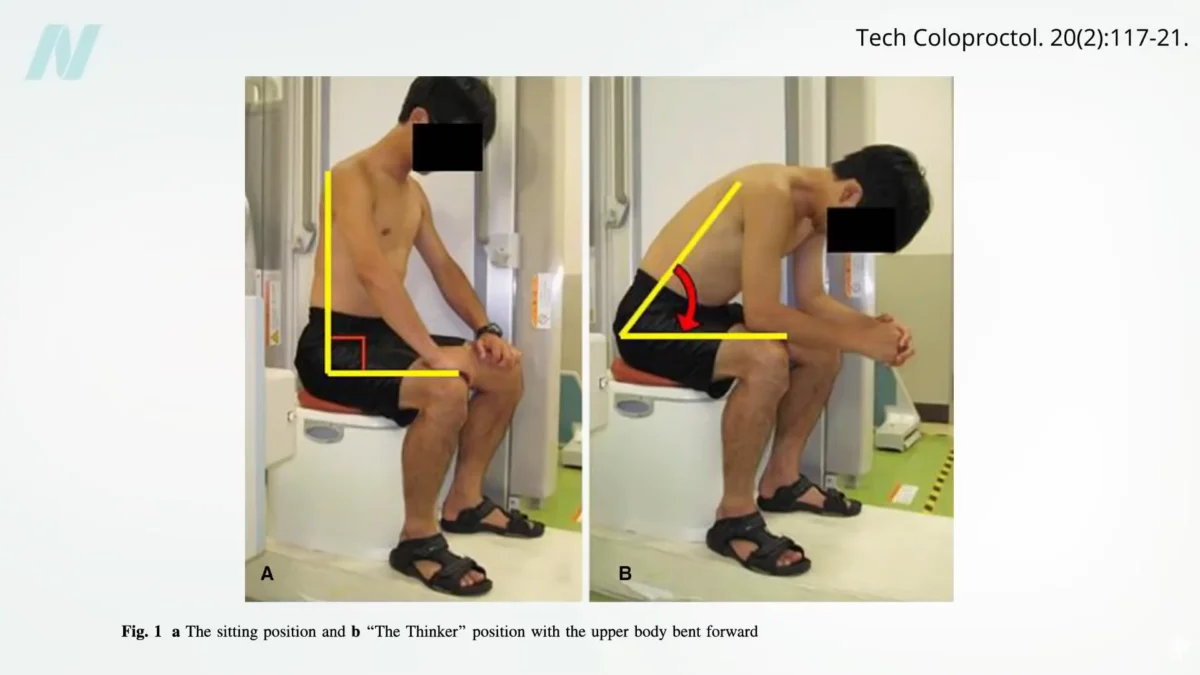
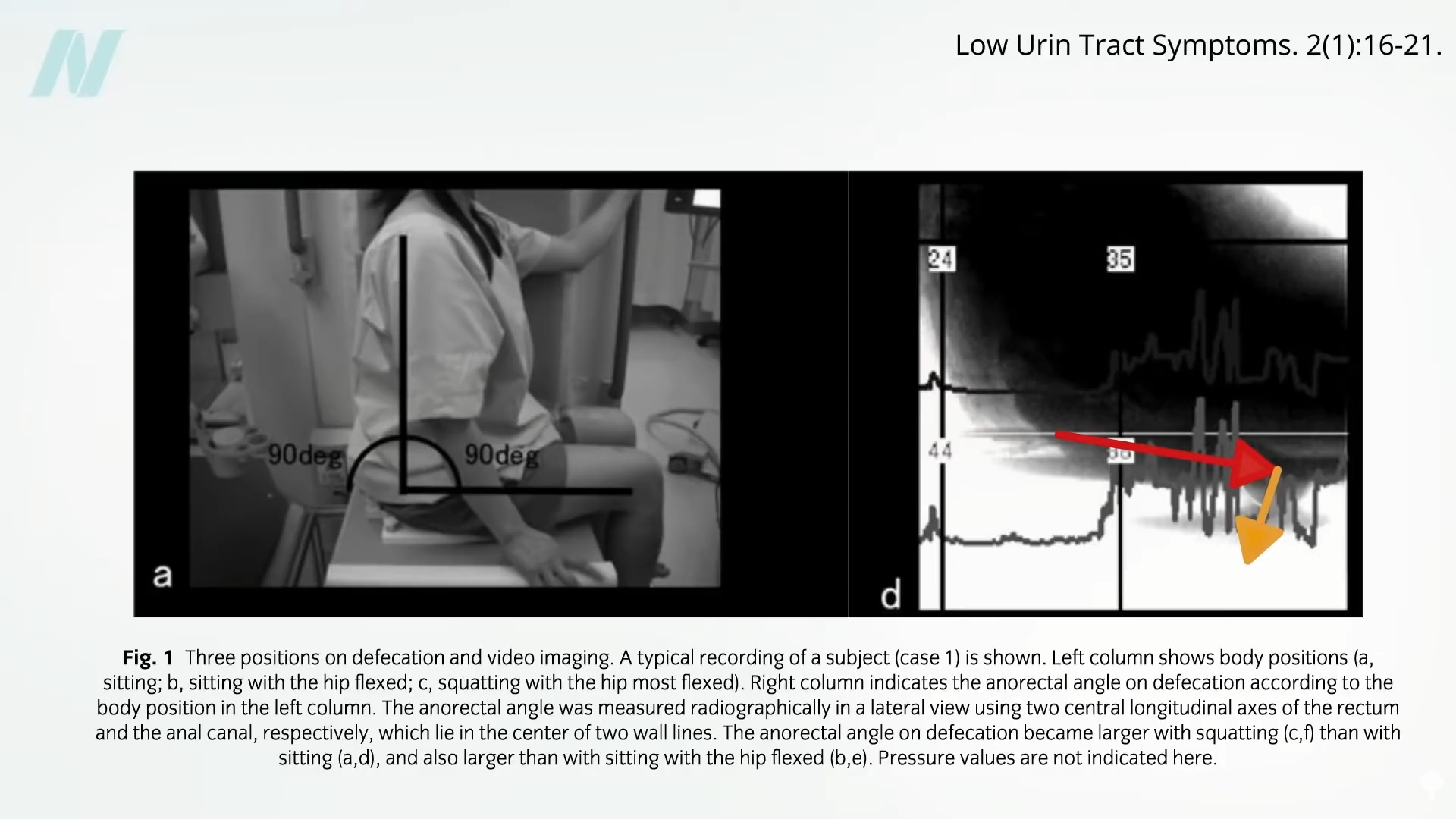
At the heart of the debate lies the anorectal angle, the degree of flexion between the rectum and the anus. In a seated position, the typical Western toilet user maintains an upright posture. This results in a sharp, nearly 90-degree bend at the anorectal junction. While this angle serves a crucial evolutionary purpose – preventing accidental defecation when standing or walking – it can present a significant obstacle during actual bowel movements.
Dr. Stephen Wangen, in his work on digestive health, has noted that this acute angle can impede the natural passage of stool. He likens the situation to attempting to drive a car with the parking brake engaged, illustrating how the body’s natural mechanisms are hindered by the adopted posture. The rectum, under normal seated circumstances, must work against this bend, often requiring increased intra-abdominal pressure and straining to expel waste.
The Rise of the Squatting Solution: From Tradition to Innovation
For centuries, and in many parts of the world still today, squatting has been the traditional and seemingly natural posture for defecation. Cultures in Asia and Africa, where squat toilets are prevalent, have long recognized the benefits of this position. The act of squatting inherently straightens the anorectal angle, creating a more direct and unobstructed path for stool to exit the body.
This traditional wisdom has been revived and adapted in the modern era through devices like the Squatty Potty. This innovative product, a raised platform designed to fit around the base of a toilet, allows users to elevate their feet, thereby mimicking the squatting posture while using a standard Western toilet. The concept gained significant traction following its popularization, sparking curiosity and research into its actual effectiveness.
Clinical Trials and User Experiences: Putting the Squatty Potty to the Test
The efficacy of the Squatty Potty and similar squatting aids has been a subject of clinical investigation. One study, published in a peer-reviewed journal, employed a "Defecation Posture Modification Device," essentially a squatting platform, to assess its impact on bowel movement efficiency. The results, while promising, also highlighted potential drawbacks.
Participants in the study reported several positive outcomes. Notably, they experienced increased feelings of complete bowel emptiness, suggesting that the modified posture facilitated a more thorough evacuation. Furthermore, there was a reduction in the amount of straining required, a factor known to contribute to various health issues. On average, participants also reported spending less time on the toilet, with some estimating a reduction of about a minute per bowel movement. This could translate to more efficient use of bathroom time and potentially less discomfort for individuals experiencing chronic constipation.
However, the research also identified a significant challenge: discomfort. Even a modest six-inch riser, similar in height to many popular squatting devices, was found to cause considerable discomfort in some participants during a previous trial. This suggests that while the biomechanical benefits are evident, user adaptation and comfort can be variable. The initial adjustment period to a raised posture might involve some degree of awkwardness or physical strain before the body becomes accustomed to the new position.
Beyond the Platform: Exploring Alternative Postures
The pursuit of optimal defecation posture extends beyond the use of specialized devices. Researchers have also investigated alternative methods to achieve a more favorable anorectal angle. One such area of interest is the "Thinker" position, famously depicted in Auguste Rodin’s sculpture. This posture involves leaning forward with the elbows resting on the knees, a position that naturally lifts the user’s heels off the ground and brings the torso closer to the thighs.
Cleveland Clinic researchers specifically studied this "Thinker" posture using a sophisticated imaging technique called cinedefecography. This process, essentially an "X-ray movie" of the defecation process, allowed scientists to visualize the anorectal angle in real-time. Their findings indicated that the "Thinker" position could open the anorectal angle to over 130 degrees. This represents a significant improvement compared to the approximately 90-degree angle achieved by simply raising the feet without leaning forward.
The implications of these findings are substantial. The "Thinker" position offers a potentially more efficient method for defecation without requiring any external equipment. While its direct impact on constipation has not yet been formally studied in large-scale clinical trials, the improved anorectal angle suggests it could be a beneficial maneuver for individuals struggling with bowel regularity. This "no-equipment" approach makes it an accessible and cost-effective strategy for improving digestive health.
The Risks of Straining and the Importance of Proper Positioning
The importance of efficient defecation is underscored by the potential health risks associated with excessive straining. Bearing down forcefully during a bowel movement can lead to a dangerous spike in blood pressure in the heart and brain. This has been linked to serious cardiovascular events, including heart attacks and strokes.
In some populations, such as Japan, straining during defecation has been identified as a daily activity most frequently occurring at the time of death. This highlights a critical public health concern, particularly for individuals who are bedridden or have limited mobility. For these vulnerable populations, maintaining proper positioning, even while in bed, can significantly reduce the strain on their cardiovascular system. Sitting patients up in bed, for instance, can facilitate a more efficient bowel movement and mitigate these risks.
Diet vs. Plumbing: A Broader Perspective
While the debate over sitting versus squatting positions gains attention, it is crucial to acknowledge the foundational role of diet in digestive health. A nearly 50-year-old commentary on the sitting-squatting debate pointed out a critical confounding factor: the dietary habits of populations that traditionally squat.
Individuals who squat due to a lack of modern plumbing often consume less refined, more natural foods. These diets are typically higher in dietary fiber, which is essential for promoting regular bowel movements and softening stool. The commentary suggests that adequate fiber intake can enable constipated individuals to pass stool effortlessly, potentially negating the need for specific toilet postures.
This perspective offers a valuable insight: while optimizing toilet posture can be beneficial, addressing dietary fiber intake is arguably a more fundamental approach to preventing and managing constipation. By ensuring a diet rich in fiber from fruits, vegetables, and whole grains, individuals may find that their bodies naturally regulate bowel function, making the "design of our plumbing" less of a concern than the "design of our diets."
Implications for Public Health and Future Research
The ongoing exploration of defecation posture has far-reaching implications for public health. Understanding the biomechanics of bowel movements can inform recommendations for improving digestive health on a global scale.
For individuals experiencing chronic constipation or discomfort, adopting a squatting posture or the "Thinker" position could offer significant relief. This is particularly relevant in countries with predominantly seated toilet infrastructure. Further research is warranted to explore the long-term effects and optimal implementation of these postural changes, especially in clinical settings for patients with gastrointestinal disorders.
Moreover, the findings emphasize the need for greater open discussion about bowel health. Physicians and healthcare providers can play a vital role in educating patients about the importance of proper defecation techniques and dispelling any lingering taboos surrounding this essential bodily function.
In conclusion, while the Squatty Potty and similar devices have brought attention to the impact of toilet posture, the science suggests a multi-faceted approach. Optimizing the anorectal angle through squatting or leaning forward, combined with a fiber-rich diet, appears to be the most effective strategy for promoting efficient and comfortable bowel movements. As research continues, the understanding of this fundamental human process is likely to evolve, leading to improved health outcomes for millions.

