

The human body’s ability to maintain healthy blood pressure and overall well-being is intrinsically linked to the efficient excretion of potassium, a vital mineral that plays a crucial role in numerous physiological processes. For individuals concerned about their cardiovascular health, understanding their risk factors and consulting with healthcare professionals for kidney function testing is paramount. This comprehensive exploration delves into the evolutionary dietary patterns, the modern shift in food consumption, the scientific evidence supporting potassium’s benefits, and the nuanced considerations for individuals with compromised kidney function.
Evolutionary Dietary Patterns and Modern Nutritional Deficiencies
Our evolutionary journey suggests that optimal dietary potassium intake likely far surpassed current recommendations. Historically, human diets were predominantly plant-based, rich in fruits, vegetables, leafy greens, roots, and tubers – all naturally abundant sources of potassium. This ancestral eating pattern provided ample potassium while naturally limiting sodium intake. However, the modern food landscape has dramatically shifted. The widespread adoption of processed, calorie-dense "junk food" laden with added fats and sugars has displaced many nutrient-rich whole foods. These processed alternatives are not only stripped of essential fiber but also significantly deficient in potassium, leading to a widespread dietary imbalance.
This dietary transition has had profound consequences. The juxtaposition of historically high potassium and low sodium intake in traditional diets contrasts sharply with the current global health crisis. High blood pressure, a condition directly influenced by dietary imbalances, has emerged as the second leading risk factor for death worldwide, claiming over 10 million lives annually. Unhealthy diets, characterized by excessive sodium and insufficient potassium, rank even higher among global mortality risk factors, underscoring the critical need for dietary reform.
The Scientific Case for Potassium and Salt Substitutes
Numerous studies have illuminated the power of potassium in mitigating hypertension. Research indicates that increasing the intake of whole, healthy plant foods, such as greens and beans, can significantly improve both potassium levels and blood pressure readings. These nutrient-dense foods are naturally packed with potassium, offering a dual benefit of promoting higher intake while simultaneously aiding in blood pressure reduction.

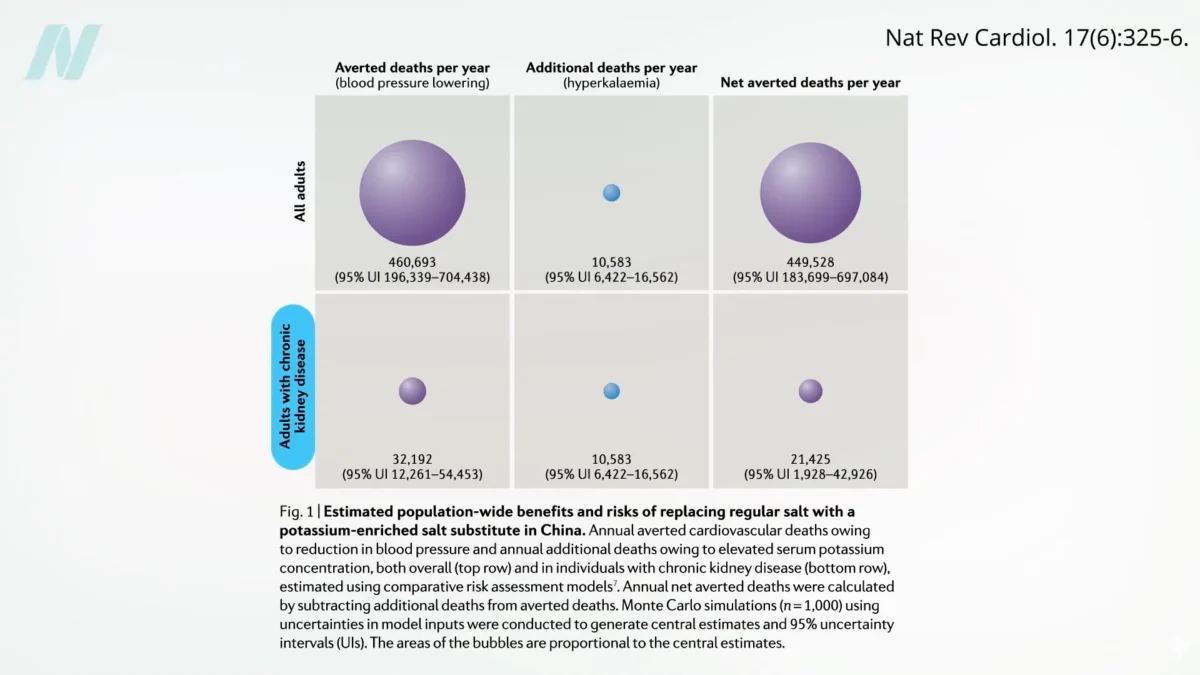
The pervasive issue of high sodium consumption coupled with inadequate potassium intake has spurred interest in salt substitutes. Potassium chloride, the most common salt substitute, offers a direct swap, replacing sodium chloride with potassium chloride. The scientific evidence supporting this substitution is compelling. A meta-analysis of over a dozen randomized controlled trials has demonstrated that replacing sodium chloride with potassium chloride effectively lowers blood pressure. Notably, even when potassium chloride constituted less than 30% of the substitute, significant blood pressure reductions were observed. This concentration is often undetectable by taste, meaning individuals can enjoy a similar flavor profile while reaping cardiovascular benefits.
Exploring the Safety and Efficacy of Potassium Chloride
The U.S. Food and Drug Administration (FDA) generally regards potassium chloride as safe (GRAS). For individuals with healthy kidneys, the primary concern with exclusive use of potassium chloride salt substitutes is a potential alteration in taste, with some users reporting a bitter or metallic undertone. Personal experiences vary; while some find it a perfect replacement for certain dishes, others find it unpalatable for specific foods. This highlights the subjective nature of taste perception and the importance of individual experimentation.
The body’s natural regulatory mechanisms, primarily the kidneys, are highly effective at managing excess potassium intake in healthy individuals. The kidneys efficiently excrete surplus potassium through urine, preventing harmful accumulation. This innate ability explains why healthy individuals can consume significant amounts of potassium from food sources without adverse effects.
Potassium Supplementation and Evolutionary Perspectives
Even with increased potassium intake through supplementation, healthy kidneys maintain potassium levels within the normal range. Studies have shown no adverse effects from long-term potassium supplementation at doses as high as 3,000 mg per day. Remarkably, healthy kidneys can maintain normal blood potassium levels even when intake reaches approximately 15,000 mg per day. This capacity is a testament to our evolutionary past, where daily potassium intake from a diet rich in plant foods may have been on this order of magnitude. The typical blood potassium range is between 3.5 and 5.0 mmol/L. While levels approaching 6 mmol/L can be a cause for concern, even with supplementation trials providing an average of 2,000 mg daily, blood potassium levels typically increase by a mere 0.14 mmol/L, keeping them well within the safe range.
Extreme Intake and Historical Concerns
While the benefits of potassium are substantial, extreme dietary practices can pose risks. Anecdotal evidence suggests that consuming exceptionally large quantities of potassium-rich foods, such as up to 20 bananas a day for an extended period, could theoretically elevate blood potassium levels beyond the safe threshold. Similarly, consuming pounds of carrots daily, often facilitated by juicing, has been associated with quack medical treatments and is not recommended.

Historically, concerns regarding salt substitutes have surfaced. Early 20th-century reports, for instance, documented lithium poisoning linked to the use of lithium chloride as a salt substitute. Modern salt substitutes predominantly use potassium chloride, which, while generally safe, warrants careful consideration. While a single tablespoon of potassium chloride salt substitute has been cited in a case of suicide, it’s crucial to contextualize this. Even regular table salt, when ingested in large quantities acutely, can be fatal. The historical use of salt water as a suicide method in ancient China further emphasizes the inherent toxicity of excessive salt intake, regardless of its composition.
The Critical Role of Kidney Function
The primary caveat regarding widespread recommendation of potassium-based salt substitutes lies with individuals experiencing severely impaired kidney function. For these individuals, the kidneys’ ability to regulate potassium levels is compromised, making excessive potassium intake a serious health risk. This includes individuals with diagnosed kidney disease, diabetes (a significant cause of kidney damage), severe heart failure, those on medications that hinder potassium excretion, older adults, and individuals with adrenal insufficiency.
Evolving Dietary Paradigms for Kidney Health
Historically, dietary recommendations for individuals with kidney disease often involved restricting fruits and vegetables due to their potassium content. However, this paradigm is undergoing a significant shift. Emerging research highlights the substantial benefits of whole-food, plant-based diets, even for those with chronic kidney disease (CKD). Evidence suggests that such diets may not only slow the progression of CKD but also potentially delay the onset of kidney failure. This evolving understanding indicates that the practice of restricting dietary potassium should be reserved for patients with documented hyperkalemia (potassium levels of 6 mmol/L or higher). In many cases, the key to halting the progression of CKD may indeed be found in embracing the produce aisle, rather than avoiding it.
Broader Implications and Future Directions
The evidence strongly suggests that increasing potassium intake through whole foods and, for some, judicious use of potassium chloride salt substitutes, offers a powerful strategy for managing blood pressure and improving cardiovascular health. While the benefits are evident even for individuals with certain stages of kidney disease, careful medical supervision remains essential. The future of dietary recommendations for both the general population and those with chronic conditions will likely continue to emphasize the profound impact of potassium-rich, plant-based foods. Further research will undoubtedly refine our understanding of optimal potassium intake across diverse health profiles and explore innovative approaches to integrate these vital nutrients into modern diets.
The dialogue surrounding potassium intake and kidney health is dynamic. As scientific understanding deepens, public health initiatives and individual dietary choices must align with the evidence to foster a healthier future. Consulting with healthcare providers to assess individual risk factors and kidney function remains the cornerstone of personalized health management in the context of potassium intake. This proactive approach empowers individuals to make informed decisions that support both their cardiovascular and renal health.

