

The early months of 2016 have witnessed two significant media events that have amplified the global conversation surrounding climate change, sparking both reflection and renewed hope. The first, Leonardo DiCaprio’s long-awaited Best Actor Oscar win for his performance in "The Revenant," transcended the realm of entertainment as he delivered a powerful and impassioned plea for urgent action against climate change. The second, Al Gore’s latest TED Talk, titled "The Case for Optimism on Climate Change," offered a meticulously reasoned argument for progress and the potential for a sustainable future. These two instances, while distinct in their platforms, have converged to underscore the escalating urgency of the climate crisis and highlight the growing momentum for solutions.
DiCaprio’s Oscar Moment: A Platform for Planetary Advocacy
On February 28, 2016, at the 88th Academy Awards ceremony, Leonardo DiCaprio finally received the Oscar for Best Actor, an achievement widely anticipated by both critics and the public. His acceptance speech, however, proved to be far more than a conventional thank you to the academy and his collaborators. DiCaprio, a known environmental activist for decades, seized the global spotlight to deliver a stark warning about the existential threat posed by climate change.
"Climate change is real," DiCaprio stated with uncharacteristic directness and gravity, "It is happening right now. It is the most urgent threat facing our entire species, and we need to work together collectively, and stop procrastinating." He elaborated on the interconnectedness of the crisis, referencing specific environmental degradation he witnessed during the filming of "The Revenant" in remote, and increasingly fragile, landscapes. His narrative drew a direct line between human activity and the visible impacts on the planet, a personal testament that resonated deeply with viewers worldwide.
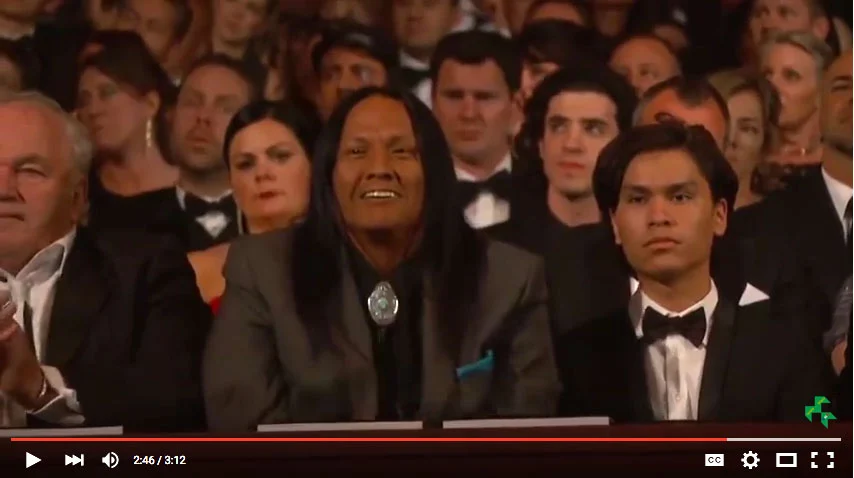
Beyond a general call to action, DiCaprio’s speech included a pointed and significant acknowledgment of Indigenous peoples. "It is because of the actors in this room, and all of us in this room, that we are able to make this film," he began, before pivoting to a broader societal responsibility. "But let us not forget that it is not a privilege, and the Earth is what we all have to share. We need to protect it for future generations of all those people on this planet, no matter who we are. For the children of the world." He then specifically highlighted the marginalization of First Nations communities, stating, "It is time for us to acknowledge our history, and to work together to protect our planet for the future, for the indigenous communities who have been historically misunderstood and, frankly, often ignored. Your voices are crucial, and you have been the front lines of this battle for a long time. For climate change, we must move forward, not backward." This inclusion underscored a critical aspect of the climate crisis: its disproportionate impact on vulnerable populations and the vital role of traditional knowledge in finding sustainable solutions.
The timing of DiCaprio’s speech was particularly impactful. The Oscars, with its massive global viewership, provided an unprecedented platform for climate advocacy. In an era where scientific consensus on climate change is robust, public awareness and political will often lag. DiCaprio’s celebrity status lent significant weight to his message, pushing climate change into mainstream dinner-table conversations and news cycles beyond environmental publications.
Background Context: A Long Road to Recognition
Leonardo DiCaprio’s advocacy for environmental causes predates his Oscar win by many years. He founded the Leonardo DiCaprio Foundation in 1998, an organization dedicated to protecting the Earth’s last wild places and fostering a greater understanding of humanity’s impact on the planet. He has produced numerous documentaries on environmental issues, including "The 11th Hour" (2007) and "Before the Flood" (2016), and has been a vocal advocate for various conservation efforts.
His role in "The Revenant," a film that demanded immense physical endurance and showcased the harsh beauty of untamed wilderness, seemed to crystallize his long-held convictions. The arduous production, which involved filming in remote and challenging terrains susceptible to environmental shifts, likely served as a constant reminder of the planet’s vulnerability.
The Academy Awards themselves have increasingly become a stage for social and political commentary. Over the years, recipients have used their acceptance speeches to address a range of issues, from civil rights to peace. DiCaprio’s speech, however, stood out for its direct, data-informed, and urgent call to action on a global existential threat.
Al Gore’s Vision: The Case for Climate Optimism
In parallel with DiCaprio’s cinematic triumph, former U.S. Vice President Al Gore delivered a compelling TED Talk in early 2016, offering a counterpoint to the often-dire narratives surrounding climate change. Titled "The Case for Optimism on Climate Change," Gore’s presentation acknowledged the severity of the crisis while pivoting towards the significant progress being made and the potential for a brighter future.
Gore began by reiterating the undeniable reality and ongoing impacts of climate change, citing scientific evidence and current events that demonstrate the escalating risks. He referenced a litany of observable changes: rising global temperatures, more frequent and intense extreme weather events, melting glaciers and ice sheets, and sea-level rise. He presented data illustrating the accelerating pace of these changes, underscoring the need for immediate and decisive action.
However, the core of Gore’s message was one of hope, grounded in tangible advancements. He detailed the rapid evolution and decreasing costs of renewable energy technologies, particularly solar and wind power. Gore presented data showcasing the exponential growth in renewable energy capacity worldwide, highlighting how these clean energy sources are becoming increasingly competitive with, and in many cases cheaper than, fossil fuels. He pointed to policy shifts, corporate commitments, and the growing awareness among citizens as drivers of this transition.
Gore’s talk also emphasized the burgeoning field of sustainable innovation, from advancements in energy storage to the development of more efficient transportation systems and sustainable agriculture practices. He painted a picture of a future powered by clean energy, characterized by healthier environments and new economic opportunities.
Background Context: A Decades-Long Crusade
Al Gore has been a leading figure in the global fight against climate change for over two decades. His 2006 documentary "An Inconvenient Truth" and subsequent book brought the issue of global warming to mainstream attention, earning him a Nobel Peace Prize in 2007, shared with the Intergovernmental Panel on Climate Change (IPCC). His continued dedication to raising awareness and advocating for policy solutions has made him a prominent voice in the environmental movement.
Gore’s TED Talk in 2016 represented a strategic shift in his communication. While never shying away from the urgency of the crisis, he aimed to counter climate change fatigue and despair by showcasing the very real progress and the achievable pathways to a sustainable future. This focus on solutions and optimism was intended to galvanize further action and investment.
Supporting Data and Analysis
DiCaprio’s Speech:
- Climate Change Impacts: DiCaprio’s reference to observable environmental changes aligns with extensive scientific data. For instance, the National Oceanic and Atmospheric Administration (NOAA) has reported that global average temperatures have risen significantly, with the last decade being the warmest on record. The Intergovernmental Panel on Climate Change (IPCC) has consistently documented the link between human activities, primarily the burning of fossil fuels, and the resulting greenhouse gas emissions driving these changes.
- First Nations’ Role: The call to acknowledge and listen to Indigenous voices is supported by numerous studies highlighting their deep ecological knowledge and their role as stewards of biodiversity. Many Indigenous communities, particularly in the Arctic and rainforest regions, are on the front lines of climate impacts, experiencing firsthand the degradation of their traditional lands and livelihoods. Their historical connection to the land often provides invaluable insights into sustainable resource management and adaptation strategies.
Gore’s TED Talk:
- Renewable Energy Growth: Gore’s optimism is grounded in robust data on the renewable energy sector. According to the International Renewable Energy Agency (IRENA), global renewable energy capacity has seen substantial growth. For example, solar photovoltaic (PV) capacity has grown from a few gigawatts in the early 2000s to hundreds of gigawatts globally by 2016. The cost of solar PV has plummeted by over 80% since 2010, making it increasingly competitive. Similarly, wind power capacity has also seen remarkable expansion.
- Economic Implications: The shift towards renewable energy represents a significant economic opportunity. The renewable energy sector has become a major source of job creation globally. Reports from organizations like the International Renewable Energy Agency (IRENA) have consistently highlighted this trend, projecting continued growth and significant investment in clean energy infrastructure.
- Policy and Corporate Action: Gore’s emphasis on progress also reflects a growing trend in policy and corporate responsibility. Many nations have set ambitious renewable energy targets and implemented policies to support clean energy development. Furthermore, a growing number of corporations have committed to sourcing renewable energy and reducing their carbon footprint, driven by a combination of regulatory pressure, investor demand, and a recognition of the business case for sustainability.
Broader Impact and Implications
The confluence of DiCaprio’s powerful plea and Gore’s optimistic yet urgent message served to elevate the climate change discourse in early 2016.
For Public Awareness: DiCaprio’s Oscar speech provided a unique moment of mainstream engagement with the climate crisis. It reached an audience that might not typically consume environmental news, sparking conversations in households and social circles worldwide. This broad reach helped to normalize the discussion of climate change as a critical issue requiring immediate attention.
For Policy and Advocacy: Both events underscored the growing demand for political action. DiCaprio’s call for collective action and his acknowledgment of marginalized communities provided talking points for environmental advocates and policymakers. Gore’s detailed presentation of solutions offered a roadmap for tangible progress, reinforcing the arguments for increased investment in renewable energy and sustainable practices.
For Indigenous Rights: DiCaprio’s explicit mention of First Nations peoples brought renewed attention to their vital role in climate solutions and the historical injustices they have faced. This has implications for how climate adaptation and mitigation strategies are designed and implemented, emphasizing the need for inclusive and equitable approaches that respect Indigenous sovereignty and knowledge.
For the Narrative on Climate Change: Gore’s "Case for Optimism" offered a crucial counter-narrative to climate despair. By focusing on progress and potential, he aimed to inspire continued engagement and investment, demonstrating that while the challenge is immense, solutions are within reach. This balanced approach, acknowledging both the severity of the problem and the feasibility of solutions, is vital for sustained public and political momentum.
Fact-Based Analysis: The impact of these media events can be analyzed through their ability to shift public perception and influence policy. DiCaprio’s speech, by leveraging the immense cultural capital of the Oscars, likely increased public awareness and concern. Gore’s TED Talk, by presenting data-driven evidence of progress, provided a foundation for advocating for specific policy changes and investment in clean technologies. The synergy between these two events created a powerful narrative that amplified the urgency of climate action while also highlighting the opportunities for innovation and sustainable development.
In conclusion, Leonardo DiCaprio’s Oscar acceptance speech and Al Gore’s TED Talk in early 2016 represented significant moments in the ongoing global dialogue on climate change. While DiCaprio leveraged a massive entertainment platform to issue a stark warning and call for collective action, particularly for marginalized communities, Gore provided a data-rich and optimistic vision of achievable solutions. Together, these events amplified the urgency of the climate crisis, highlighted the potential for transformative change, and underscored the growing imperative for a global commitment to a sustainable future.

