

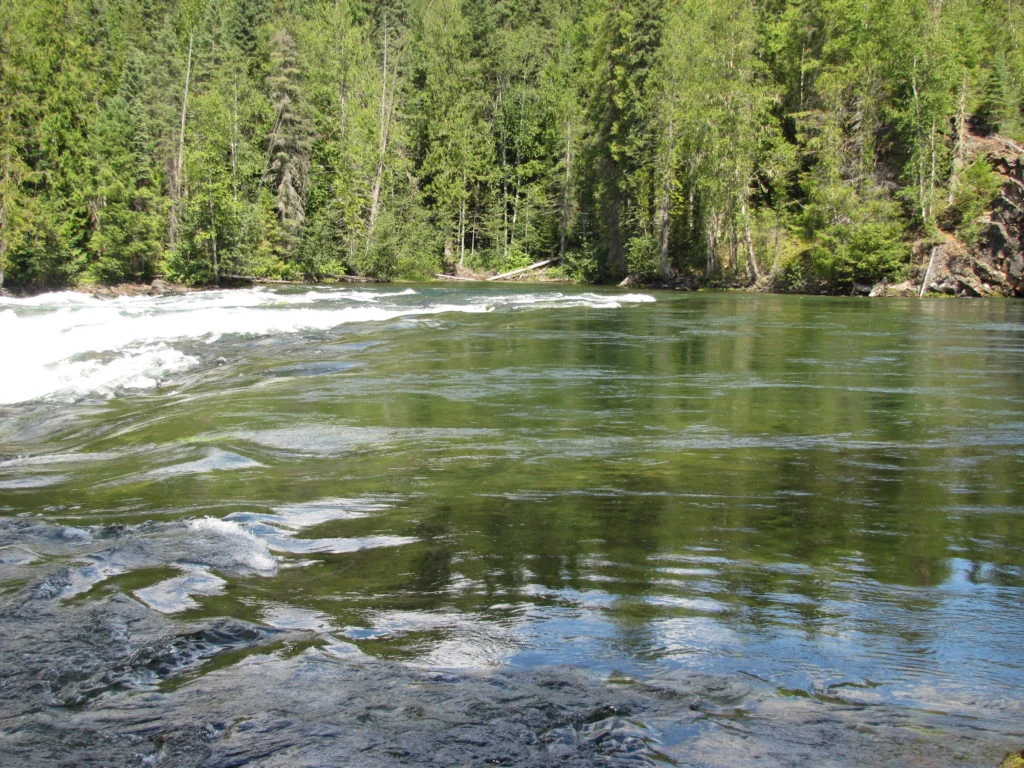
Wells Gray Provincial Park, a vast expanse of wilderness nestled within British Columbia’s Caribou Mountains, stands as a testament to Canada’s commitment to conservation. This protected area, renowned for its dramatic mountainous terrain, pristine lakes, and dense forests, is a vibrant ecosystem teeming with diverse wildlife. Visitors frequently encounter iconic Canadian fauna such as black bears, moose, a rich variety of bird species, and an abundance of fish. However, the park is perhaps most celebrated for its spectacular hydrological features, with over 39 named major waterfalls and countless smaller cascades, a direct result of its unique geological history. Among these natural wonders, Helmcken Falls commands particular attention, ranking as the fourth-largest waterfall in Canada and a breathtaking spectacle that dwarfs even the mighty Niagara Falls in height, standing approximately three times its stature.
The Geological Tapestry of Wells Gray Park
The remarkable concentration of waterfalls in Wells Gray Park is intrinsically linked to its geological past. The area is characterized by extensive basalt lava flows, remnants of volcanic activity that occurred millions of years ago. These flows created a layered landscape, with harder, more resistant basalt capping softer underlying rock. Over millennia, the relentless erosive power of rivers, particularly the Murtle River which feeds Helmcken Falls, has carved through these layers. Where softer rock has been worn away, the harder basalt acts as a cap, creating the dramatic drops that define the park’s many waterfalls. This process, known as differential erosion, has sculpted a landscape where water, in its ceaseless journey, has carved out these majestic natural monuments. The formation of these falls is not a singular event but a continuous geological process, with rivers actively shaping the land, albeit on a timescale imperceptible to human observation.
Helmcken Falls: A Cascade of Immense Scale and Power
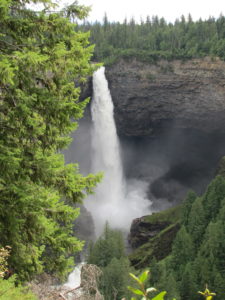
Helmcken Falls, the jewel in the crown of Wells Gray Park’s waterfall collection, plunges an impressive 141 meters (463 feet) over a sheer cliff face. This colossal drop is significantly higher than Niagara Falls’ main drop of 51 meters (167 feet). The sheer volume of water that cascades over the edge, especially during the spring melt when river flows are at their peak, creates a thunderous roar and a constant, refreshing mist that envelops the surrounding area. The falls are part of the Murtle River, which flows into the Clearwater River, eventually joining the North Thompson River. The Murtle River itself originates from the glaciers and snowfields of the Caribou Mountains, providing a consistent and powerful source for the falls. The accessibility of Helmcken Falls, with well-maintained viewing platforms, allows visitors to experience its raw power and majestic beauty up close. The interpretive trails around the falls offer insights into the local flora and fauna, as well as the geological forces that shaped this extraordinary landscape.
Waterfalls as Metaphors for Life’s Transitions
Beyond their aesthetic and geological significance, waterfalls offer profound metaphorical lessons, particularly concerning the nature of existence and the inevitability of change. Observing the dynamic spectacle of a waterfall – the rush of water, the enveloping mist, the powerful roar – can evoke a sense of a living entity. The very word "waterfall" signifies a relationship, an event where a river encounters a specific geographical feature, transforming its journey into a moment of immense power and beauty. This momentary shape that water assumes is a powerful analogy for the transient nature of all things.
Extending this perspective across vast timescales reveals that everything, including ourselves, is a temporary manifestation. Just as a waterfall is a fleeting form of water, a tree represents sunlight, water, and chemical elements coalesced into a living structure for a few centuries. Animals, including humans, are the temporary forms that food, water, and air take for less than a century. In this light, a waterfall becomes a narrative of life captured in an instant, a vivid illustration of the continuous cycle of becoming and ceasing. This perspective encourages an appreciation for the present moment and the impermanence of all forms, fostering a sense of detachment from fleeting concerns and a deeper connection to the fundamental processes of existence.
The Deceptive Calm Before the Cascade
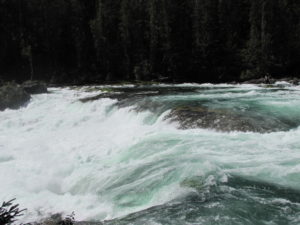
A striking characteristic often observed at waterfalls is the deceptive calm of the water preceding the dramatic plunge. Above the precipice, the river may appear smooth, tranquil, and undisturbed, offering little hint of the chaotic, powerful descent that awaits. The current accelerates imperceptibly, transforming from placid surface to a paroxysm of energy, chaos, and beauty as it tumbles over the edge. This phenomenon offers a compelling parallel to the progression of human affairs and societal dynamics.
In individual lives, periods of smooth sailing can lull us into a sense of security. Yet, as we age, illness or the natural decline of old age can introduce unforeseen challenges, leading to a rapid deterioration of our systems, much like the accelerating current. For societies, the accelerating pace of technological advancement and social change can feel gradual and manageable for extended periods. However, a critical threshold may be reached, triggering a period of disruption and upheaval akin to the waterfall’s chaos. Those further downstream, metaphorically speaking, might still perceive the situation as stable, unaware of the maelstrom that awaits those closer to the precipice. By cultivating an alert mind and paying attention to the subtle shifts and accelerating currents of change, individuals and societies may be able to discern the approaching "fall" and proactively seek a safer course, much like a swimmer recognizing the danger and heading for the safety of the riverbank. This capacity for foresight and adaptation is a crucial lesson gleaned from observing the natural world.
Broader Implications and Conservation Efforts
The immense natural beauty and ecological significance of Wells Gray Provincial Park underscore the importance of ongoing conservation efforts. The park, established in 1939, encompasses over 5,250 square kilometers (2,027 square miles) of protected land, safeguarding not only its iconic waterfalls but also its diverse ecosystems and wildlife habitats. The Caribou Mountains region is ecologically diverse, supporting a range of species adapted to mountainous environments. Threats to such areas include climate change, which can impact water flows and snowpack crucial for waterfall sustenance, as well as potential impacts from resource extraction and tourism if not managed sustainably.
British Columbia Parks, the provincial agency responsible for managing the park, employs various strategies to balance visitor access with environmental protection. These include trail maintenance, regulations on camping and recreational activities, and educational programs designed to foster an understanding and appreciation for the park’s natural values. The continued preservation of areas like Wells Gray Park is vital not only for maintaining biodiversity but also for providing opportunities for individuals to connect with nature and derive the profound lessons it offers, as exemplified by the contemplation of Helmcken Falls and its cascading wisdom. The park serves as a living laboratory, demonstrating the intricate interplay of geological forces, ecological processes, and the enduring power of natural beauty to inspire and inform.
The consistent flow of water over Helmcken Falls, sustained by the vast mountainous watershed, is a testament to the resilience of natural systems. However, the delicate balance can be disrupted. Understanding the geological history that sculpted these falls, appreciating the dynamic forces at play, and recognizing the metaphorical significance of these natural phenomena are crucial steps in fostering a deeper connection to the environment. As the world grapples with unprecedented environmental challenges, the lessons offered by places like Wells Gray Park become increasingly relevant, urging a more mindful and sustainable relationship with the natural world. The serene waters above the falls, a prelude to the dramatic descent, serve as a constant reminder that even in apparent tranquility, the currents of change are always at play, shaping our present and future in ways we may not always immediately perceive.

