

A startling revelation from recent nutritional analyses indicates that an overwhelming 99.99% of Americans are failing to meet the minimum recommended intake of potassium, a vital mineral that, in ancestral diets, was consumed in quantities perhaps double that of current natural intake. Compounding this deficiency is a parallel epidemic of excessive sodium consumption, with the vast majority of the population ingesting amounts that could be up to twice what our bodies are evolutionarily adapted to handle. This dual nutritional imbalance carries profound implications for public health, significantly contributing to preventable disease and reduced quality of life.
The Hidden Toll of Dietary Imbalance
The impact of dietary choices on global health is a subject of intense scientific scrutiny. While physical inactivity is acknowledged as a major contributor to lost healthy years of life, research indicates that dietary habits are a far more potent driver of ill health. Globally, physical inactivity accounts for over 10 million years of healthy life lost annually. However, the cumulative effect of unhealthy diets dwarfs this figure, shaving hundreds of millions of disability-free years off human lifespans each year. This highlights a critical public health imperative: to address the fundamental components of our food consumption patterns.
Identifying the Deadliest Dietary Pitfalls
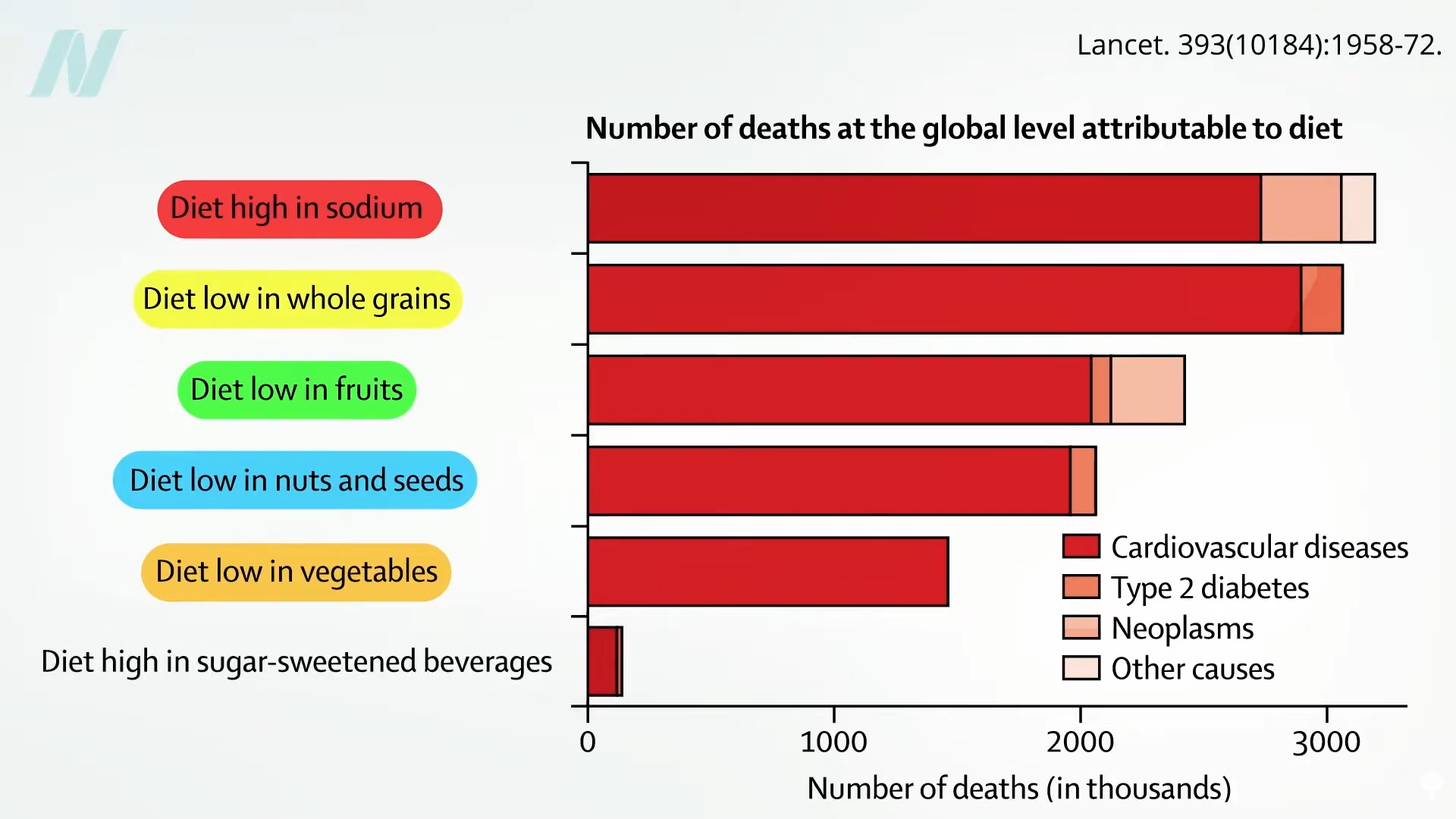
An in-depth examination of the most detrimental dietary habits reveals a consistent pattern. Four of the five leading dietary traps involve insufficient intake of essential food groups. Specifically, a lack of whole grains, fruits, nuts, and seeds, coupled with inadequate consumption of vegetables, represents a significant public health concern. Yet, the most critical and "fatal flaw" identified in current diets is the excessive intake of salt, or sodium chloride. The detrimental impact of high sodium intake is starkly illustrated by its estimated mortality impact, which is approximately 15 times greater than that of diets excessively high in sugary beverages. This comparison underscores the urgent need to re-evaluate and reformulate our approach to sodium consumption.
Sodium: A Silent Threat to Health
The pervasive issue of high sodium intake has long been recognized by public health authorities. A former commissioner of the U.S. Food and Drug Administration (FDA) emphasized this point, stating, "There remains no single more effective public health action related to nutrition than the reduction of sodium in the diet." This sentiment has been echoed by national and international health organizations, which have advocated for tangible measures to curb excessive salt consumption. These measures include the implementation of warning labels on salt packets and shakers. Such labels typically convey crucial health information, including the link between excessive sodium intake and conditions such as high blood pressure, increased risk of stomach cancer, stroke, heart disease, and kidney disease, urging consumers to "Limit your use."

The Inflammatory Link: Sodium and Autoimmune Diseases
Beyond its well-established role in hypertension, emerging research points to a significant link between high sodium intake and increased inflammation, a key factor in numerous chronic diseases. This connection is particularly concerning in the context of autoimmune disorders. Studies have shown a correlation between sodium intake and heightened disease activity in multiple sclerosis (MS), an inflammatory autoimmune nerve condition. Individuals with medium to high sodium intakes have been observed to experience exacerbations at rates three to four times higher than those consuming less than a teaspoon of salt per day.
Further evidence of this inflammatory link can be observed in other serious autoimmune diseases. For instance, higher sodium levels have been detected in the tissues of individuals suffering from lupus, another debilitating autoimmune condition. In MS patients, elevated sodium levels in the spinal cord have been correlated with increased disease severity and a decline in structural integrity. These findings suggest that managing sodium intake could be a crucial, yet often overlooked, strategy in the management and mitigation of inflammatory autoimmune diseases.
The Enigma of Processed Foods and Sodium Sources
A pertinent question arises regarding the primary sources of this excess sodium. Scientific consensus points towards highly processed foods as the principal culprits. This raises a complex question: is increased salt intake merely a marker of an overall unhealthy diet, or does it possess independent detrimental effects? While the association is clear, definitive causal links have been established through rigorous research. Over a hundred randomized controlled trials have unequivocally demonstrated that reducing added salt in the diet leads to a fall in blood pressure. The magnitude of this reduction is directly proportional to the extent of salt restriction, providing compelling evidence for a cause-and-effect relationship.
The underlying mechanisms by which salt exerts its negative effects are multifaceted. One area of investigation suggests that excessive sodium may actively damage the gut microbiome, the crucial community of beneficial bacteria that play a vital role in digestion, immunity, and overall health. This disruption of the gut flora could have far-reaching consequences for systemic health, contributing to inflammation and a compromised immune response.
An Evolutionary Mismatch: Our Ancient Needs vs. Modern Intake
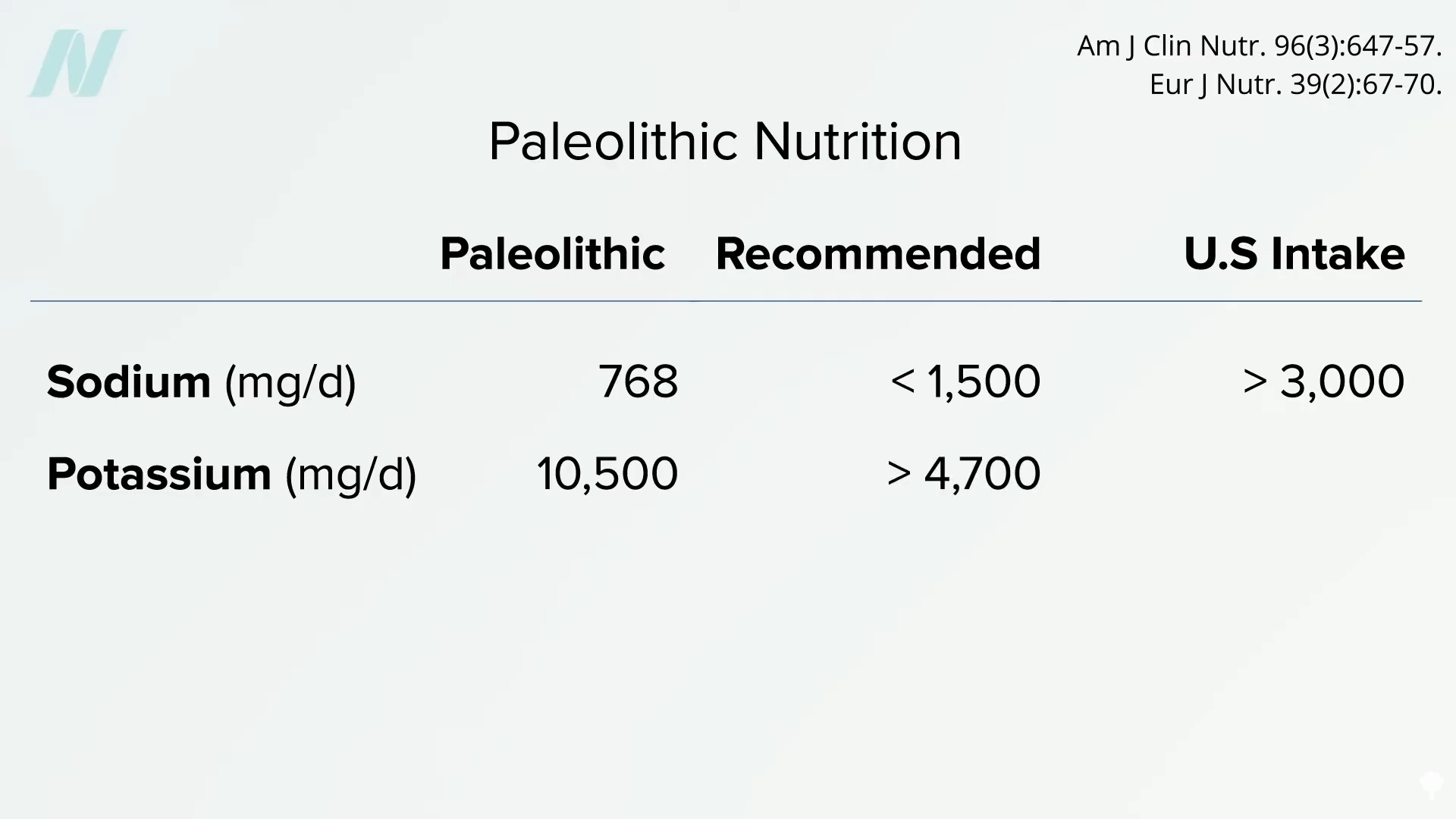
The human body’s capacity to process sodium has not kept pace with the dramatic increase in its availability in the modern diet. Evolutionary biologists estimate that our ancestors, in their natural state, were adapted to handle approximately 750 milligrams of sodium per day. In stark contrast, current recommendations from organizations like the American Heart Association suggest staying below at least twice that amount, or 1,500 milligrams daily. However, the average American’s intake far exceeds these guidelines, often surpassing four times the natural level.
The situation has demonstrably worsened over the past decade. A decade ago, a staggering 98.8% of Americans were already exceeding the recommended 1,500 mg upper limit. This trend suggests a deepening crisis in dietary sodium management.
The Potassium Deficit: A Double Whammy
Simultaneously, the majority of U.S. adults are failing to consume adequate amounts of potassium, a mineral that acts as a natural counter-regulator to sodium, helping to lower blood pressure. Less than 2% of U.S. adults meet the recommended daily minimum intake for potassium. This means that over 98% of Americans are consuming diets deficient in this essential mineral.
This deficiency becomes even more pronounced when compared to the dietary habits of our ancestors. It is estimated that our forebears consumed upwards of 10,000 mg of dietary potassium per day. Even current recommendations suggest obtaining at least half of that amount, a target that most Americans fall far short of achieving. This creates a significant nutritional paradox: a simultaneous overconsumption of sodium and an underconsumption of potassium, two minerals with opposing effects on blood pressure and cardiovascular health.
The Alarming Convergence: A Near-Universal Failure to Meet Guidelines
When the guidelines for both sodium and potassium intake are considered together, the picture becomes even more alarming. Fewer than 0.015% of individuals in the United States are meeting both recommended sodium and potassium targets. This translates to a near-universal non-compliance rate of 99.99%. To put this into perspective, only about 1 in every 6,000 Americans manages to achieve the recommended daily intake levels for both minerals. This statistic paints a stark picture of the widespread dietary challenges facing the nation.
Exploring Potential Solutions: The Promise of Salt Substitutes
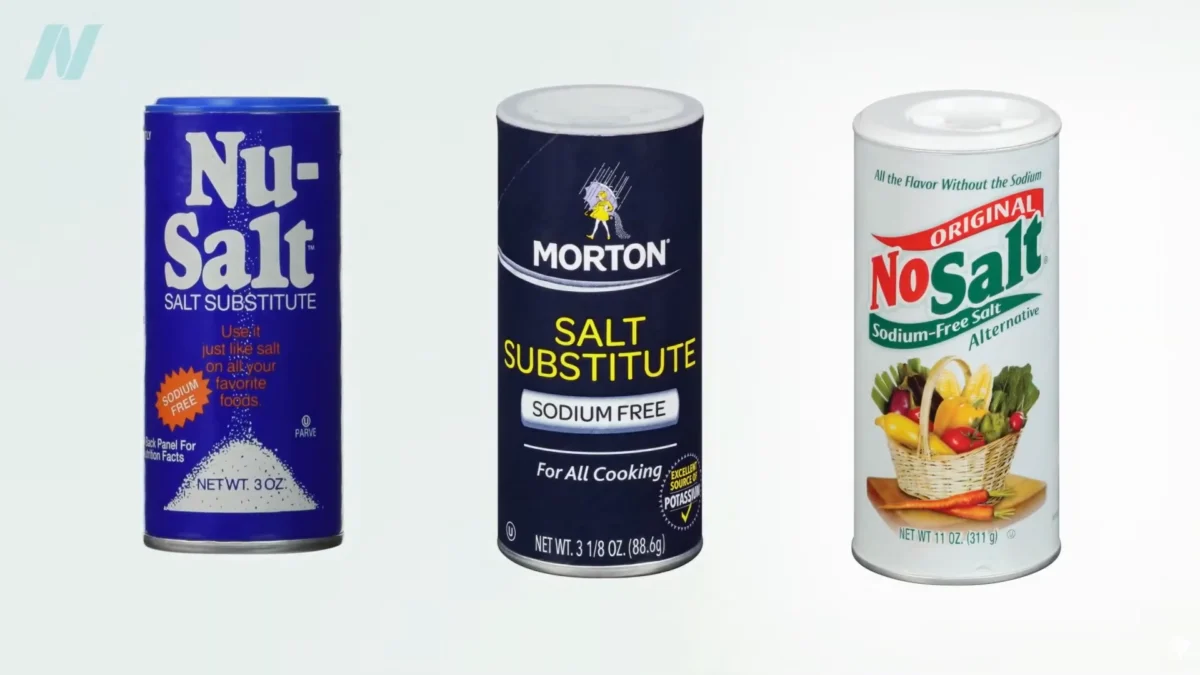
In light of these concerning trends, researchers and public health advocates are exploring various strategies to mitigate the negative impacts of excessive sodium intake. One avenue of investigation involves the use of potassium-based salt substitutes. These products, typically formulated with potassium chloride instead of sodium chloride, offer the potential to simultaneously reduce sodium intake and increase potassium consumption, while retaining a similar salty taste.
The appeal of such substitutes lies in their apparent simplicity and effectiveness. By simply swapping regular salt for a potassium-based alternative, individuals could theoretically improve their sodium-potassium balance without drastically altering their culinary habits. However, questions regarding the safety and efficacy of these substitutes remain subjects of ongoing scientific inquiry. Are they truly a risk-free solution? Do they deliver the promised health benefits? These are critical questions that require thorough investigation to inform public health recommendations and individual dietary choices.
Future Directions and Ongoing Research
The findings presented underscore a critical juncture in public health, demanding a renewed focus on fundamental dietary principles. The pervasive imbalance of sodium and potassium in the American diet is not merely a statistical anomaly but a significant contributor to chronic disease and reduced lifespan. Further research into the efficacy and safety of dietary interventions, such as the use of potassium-based salt substitutes, is paramount. Public health campaigns aimed at educating consumers about the risks of excessive sodium and the benefits of adequate potassium intake are essential. Ultimately, a comprehensive approach that addresses both individual dietary habits and the broader food environment is necessary to reverse the tide of these alarming nutritional trends and promote long-term well-being.
Doctor’s Note: This article is the first in a three-part series exploring the critical interplay of sodium, potassium, and innovative salt substitutes. Subsequent installments will delve deeper into the practicalities and scientific backing of these dietary considerations. Readers are encouraged to stay informed as we continue to unravel the complexities of optimizing our nutritional intake for a healthier future. The scientific community continues to address claims from those who downplay the role of salt in health; evidence from numerous studies, presented in related posts, firmly refutes such assertions.

