

By the time individuals reach the age of 50, approximately half of both men and women will experience some degree of hair loss. Contrary to popular myths, this common condition is not typically caused by excessive hair washing or brushing. Scientific research has largely attributed age-related hair loss to genetic factors in both sexes. Studies examining identical twins have revealed a significant heritability of baldness in men, estimated at 79%, suggesting that roughly 80% of the variations in hair loss among men are genetically predetermined. However, this genetic predisposition does not tell the entire story, as environmental and lifestyle factors can also play a crucial role.
The Complex Interplay of Genetics and Environment in Hair Loss
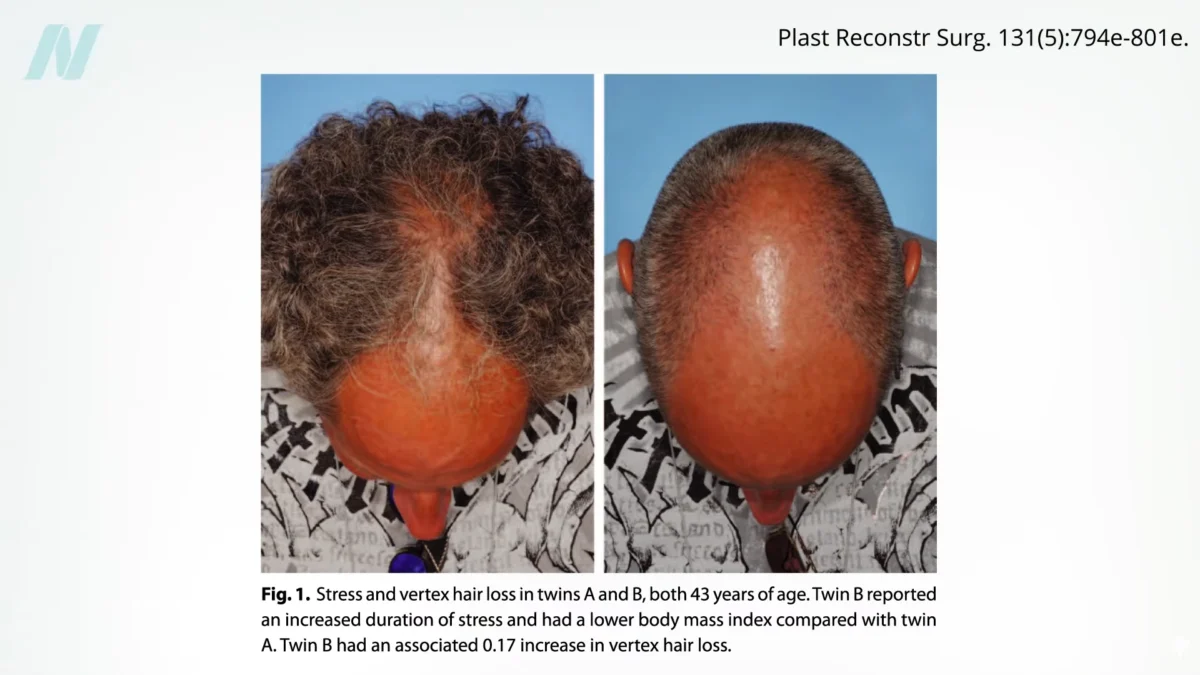
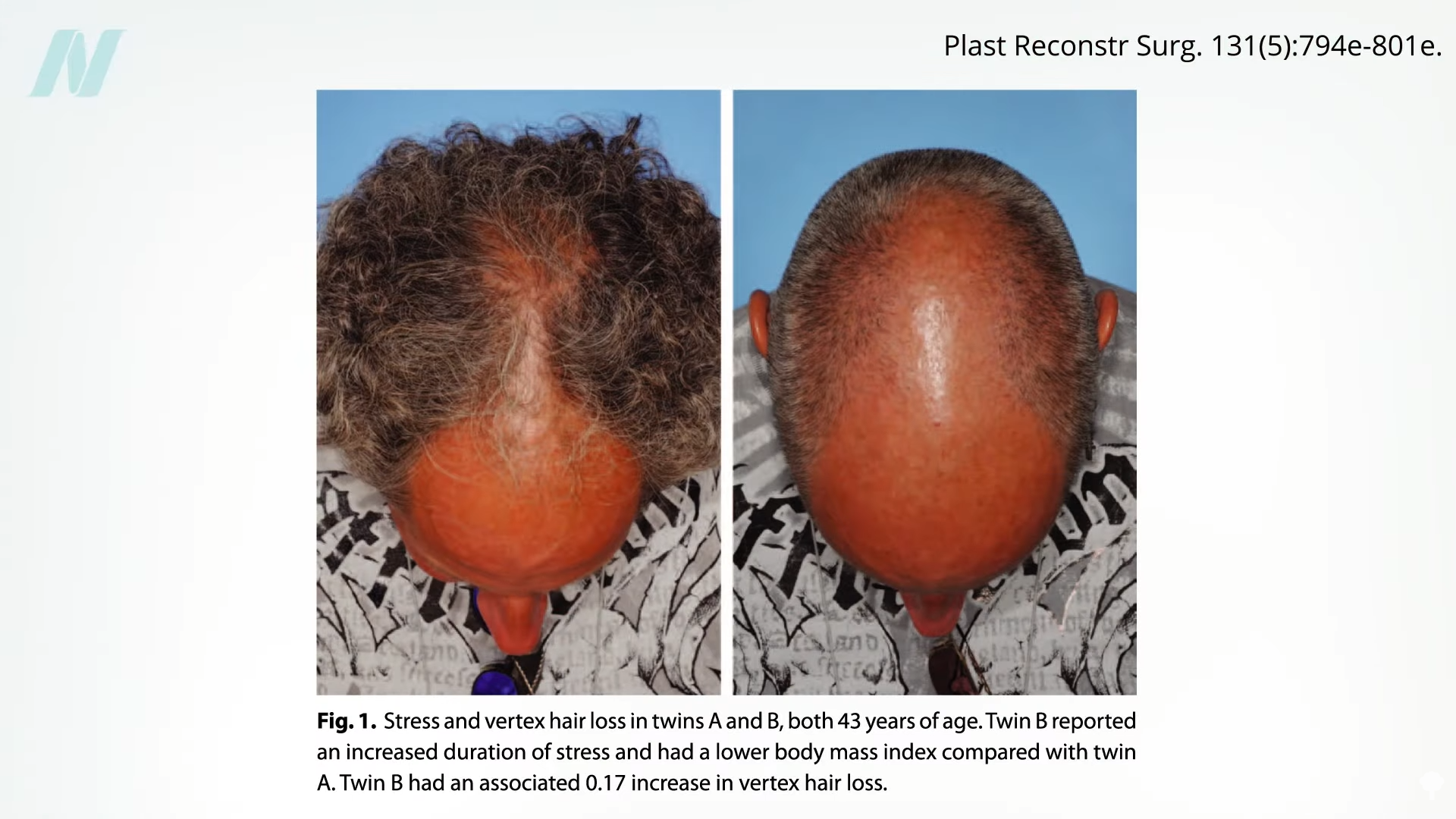
Even in cases of identical twins, who share the same DNA, disparities in hair loss can emerge. This divergence can be attributed to a variety of influences, including elevated stress levels, increased smoking habits, having more children, or a history of conditions like high blood pressure or cancer. Visual examples of this phenomenon can be observed in twin studies. For instance, one pair of identical twin brothers, who possess identical genetic makeup, exhibited differing degrees of hair loss, with the twin on the right reporting a higher level of stress in his life. Similarly, another set of identical twin sisters displayed variations in hair loss, where one twin was a smoker and consumed more alcohol than her sibling. These observations underscore that while genetics lays a foundation, lifestyle choices and external factors can significantly modulate the manifestation of hair loss.
Environmental Toxins and Their Impact on Hair Follicles
Beyond lifestyle choices, exposure to environmental toxins can also contribute to hair loss. Smoking, for example, has been linked to the development of both male and female pattern baldness. The genotoxic compounds found in cigarettes can potentially damage the DNA within hair follicles. Furthermore, smoking can lead to microvascular poisoning at the base of the follicle, compromising its health and function.
Another significant environmental concern is mercury exposure. Mercury has been observed to concentrate in growing scalp hair at levels approximately 250 times higher than in other parts of the body. Historically, mercury poisoning was even suspected as a cause of hair loss in prominent figures. While the therapeutic use of mercury has largely been discontinued by modern medicine, mercury continues to enter the human body primarily through the consumption of contaminated seafood, as identified by the U.S. Centers for Disease Control and Prevention.

Hormonal Changes, Mercury Toxicity, and Hair Loss in Women
Women of reproductive age, particularly during menopause, often seek medical intervention for hair loss attributed to hormonal changes. In some instances, hair loss in women has been directly linked to elevated mercury levels. A notable case involved a 43-year-old woman experiencing early menopause and significant hair loss. Blood tests revealed high mercury levels, which were subsequently traced to her diet, specifically a high intake of tuna. Following her cessation of tuna consumption and adoption of a fish-free diet, her mercury levels decreased, and her hair began to regrow, achieving complete restoration within seven months. This case highlights the importance of considering mercury toxicity screening in the evaluation of unexplained hair loss, as it can be a treatable cause. Advising patients to reduce fish intake and conducting follow-up blood tests can provide symptom relief and identify dietary habits contributing to heavy metal-induced hair loss.
The Role of Nutrient Deficiencies and Supplementation
The question of whether nutrient deficiencies can cause hair loss is complex. Following bariatric surgery, hair loss is a common symptom due to induced malabsorption. However, in the general population, there is limited evidence to suggest that vitamin and mineral supplementation benefits individuals unless they are diagnosed with a deficiency.
For centuries, it has been known that severe vitamin C deficiency, leading to scurvy, can cause hair loss. Yet, beyond a certain baseline sufficiency of vitamin C (sufficient to prevent gum bleeding, for example), there is no robust data correlating vitamin C levels with hair loss.
Similarly, the notion that zinc supplements can enhance hair growth is largely a myth, unless an individual has a diagnosed zinc deficiency, which can sometimes occur in individuals with alcohol abuse issues. If blood zinc levels are within the normal range, taking additional zinc is unlikely to provide benefits and may even lead to adverse side effects. The same principle applies to iron supplements; their efficacy is contingent on the presence of an iron deficiency.
Biotin: A Popular Ingredient with Limited Evidence for Hair Growth
Biotin, also known as vitamin B7, is a ubiquitous ingredient in many over-the-counter hair loss products. While a severe biotin deficiency can indeed lead to hair loss, there is a notable absence of evidence-based data supporting the claim that biotin supplementation promotes hair growth in individuals who are not deficient. Severe biotin deficiency is exceedingly rare in healthy individuals consuming a balanced diet. A potential cause of deficiency can be the consumption of raw egg whites, which contain compounds that inhibit biotin absorption. However, aside from these rare deficiency syndromes, the idea that biotin supplements stimulate hair growth is largely considered a myth.
The Risks Associated with Unregulated Supplementation
The common sentiment of "it can’t hurt, might help" when considering supplements for hair loss is a risky approach due to several factors. The dietary supplement industry is subject to limited regulatory oversight. In the case of biotin, excessive intake can interfere with crucial laboratory tests, including thyroid function tests, hormone level assessments (such as pregnancy tests), and cardiac marker tests used to diagnose heart attacks. Such interference can lead to misdiagnosis and potentially life-threatening consequences.
The lack of stringent regulation within the supplement industry has led to instances of severe adverse effects. For example, an outbreak occurred where hundreds of individuals suffered selenium toxicity because a manufacturing error resulted in a supplement containing 200 times the labeled dose. This excessive selenium intake paradoxically caused hair loss. Similar risks exist with other vitamins, such as vitamin A, where excessive consumption can also lead to adverse health outcomes.
Understanding the Broader Implications and Future Research
The widespread marketing of supplements for hair growth, often without robust scientific backing, raises concerns about consumer protection and informed decision-making. Consumers seeking solutions for hair loss are frequently exposed to products making unsubstantiated claims. This situation necessitates greater transparency and stricter oversight of the supplement industry.
Further research is warranted to clarify the precise mechanisms by which environmental factors, lifestyle choices, and underlying health conditions contribute to hair loss. Understanding these intricate relationships can pave the way for more effective and evidence-based interventions.
As a preliminary step in a three-part series on hair loss and growth, this article has delved into the common misconceptions surrounding supplements like biotin and zinc. Future installments will explore the benefits and risks associated with conventional hair loss drugs and investigate dietary strategies that may support hair health. For those concerned about mercury exposure, resources are available to guide dietary choices aimed at reducing heavy metal levels. Continued critical examination of the supplement industry and a commitment to evidence-based health practices are essential for consumers navigating the complex landscape of hair health.

