

Wells Gray Provincial Park, nestled within the rugged Caribou Mountains of British Columbia, Canada, stands as a monumental testament to the raw power and intricate beauty of the natural world. This expansive protected area, spanning over 5,400 square kilometers, is a vibrant tapestry of towering mountains, pristine lakes, winding rivers, and dense forests. Its ecological significance is underscored by a rich diversity of wildlife, including iconic species such as grizzly bears, black bears, moose, and a prolific array of bird and fish populations. The park is also notably home to over 30 documented species of mosquito, a testament to its wild and untamed character.
However, it is the sheer abundance and breathtaking grandeur of its waterfalls that truly define Wells Gray. The park’s unique geological history, shaped by volcanic activity and glacial erosion over millennia, has resulted in an astonishing concentration of these natural spectacles. With approximately 39 officially recognized major waterfalls and countless smaller cascades, Wells Gray is a veritable symphony of falling water. Among these, Helmcken Falls commands particular attention. Plunging an awe-inspiring 141 meters (463 feet) from the Murtle River, it ranks as the fourth-largest waterfall in Canada, a staggering three times the height of the world-renowned Niagara Falls. This colossal cascade, a powerful visual metaphor, offers profound insights into the transient nature of existence and the relentless march of time.
The Geological Genesis of Wells Gray’s Waterfalls
The remarkable number of waterfalls in Wells Gray Provincial Park is a direct consequence of its complex geological evolution. The region is characterized by extensive lava flows from ancient volcanic eruptions, which have created a landscape of layered basalt. Over millions of years, rivers have carved their paths through this resistant rock. The distinctiveness of Wells Gray’s topography, with its numerous canyons and escarpments, allows these rivers to create dramatic drops.
Glacial activity during the Pleistocene epoch played a crucial role in shaping the present-day landscape. As massive ice sheets advanced and retreated, they scoured the land, deepening valleys and leaving behind the moraines and glacial deposits that further influence water flow and erosion patterns. The Murtle River, for instance, flows over a series of ancient lava flows, and its course has been dramatically altered by glacial carving and subsequent erosion, leading to the formation of Helmcken Falls. The sheer volume of water, combined with the geological structure, creates a dynamic environment where erosion continues to sculpt the land, ensuring the perpetual formation and evolution of these majestic water features.
Helmcken Falls: A Majestic Spectacle of Nature
Helmcken Falls is not merely a geographical feature; it is an experience. The raw, unbridled power of the Murtle River as it plummets over the precipice is both humbling and exhilarating. The roar of the water, the perpetual mist that hangs in the air, and the sheer visual spectacle create an immersive encounter with the primal forces of nature. The falls are named after the Helmcken Formation, a geological stratum of basaltic lava flows dating back to the Miocene epoch, highlighting the deep geological roots of this natural wonder.
The volume of water passing over Helmcken Falls varies significantly with the seasons. During the spring melt, typically from May to July, the flow is at its peak, driven by snowmelt from the surrounding mountains. At this time, the falls can exhibit a truly thunderous character, with an immense volume of water creating a powerful and dramatic display. By late summer and autumn, the flow diminishes, but the falls retain their impressive stature. The average flow rate is estimated to be around 110 cubic meters per second, but this can surge dramatically during periods of heavy rainfall or snowmelt.
The Ephemeral Nature of Existence: Lessons from the Falls
The profound connection between nature and human contemplation is a recurring theme in ecopsychology, and the observation of Helmcken Falls offers a potent case study. As one observes the ceaseless cascade, breathing in the cool, damp air and feeling the vibrations of the earth, a fundamental truth emerges: a waterfall is a living entity, a dynamic manifestation of water’s journey. The very term "waterfall" speaks to this relational aspect – it is the event of a river encountering a specific point in its descent, a momentary, powerful, and beautiful form water assumes during its ongoing flow.
This observation, when extended across broader timescales, reveals that all phenomena, including ourselves, are indeed temporary events, akin to a waterfall. A waterfall is a fleeting shape water takes. A tree, enduring for centuries, is a form that sunlight, water, and specific chemical elements coalesce into for a finite period. Similarly, animals, including humans, represent the temporary embodiment of sustenance – food, water, and air – for less than a century. The waterfall, in its instant of dramatic transformation, becomes a narrative of life itself, a story written in a fleeting moment. This philosophical perspective, rooted in the observation of natural processes, encourages a deeper appreciation for the impermanence of all things and fosters a sense of interconnectedness with the natural world.
The Deceptive Calm Before the Storm: A Metaphor for Change
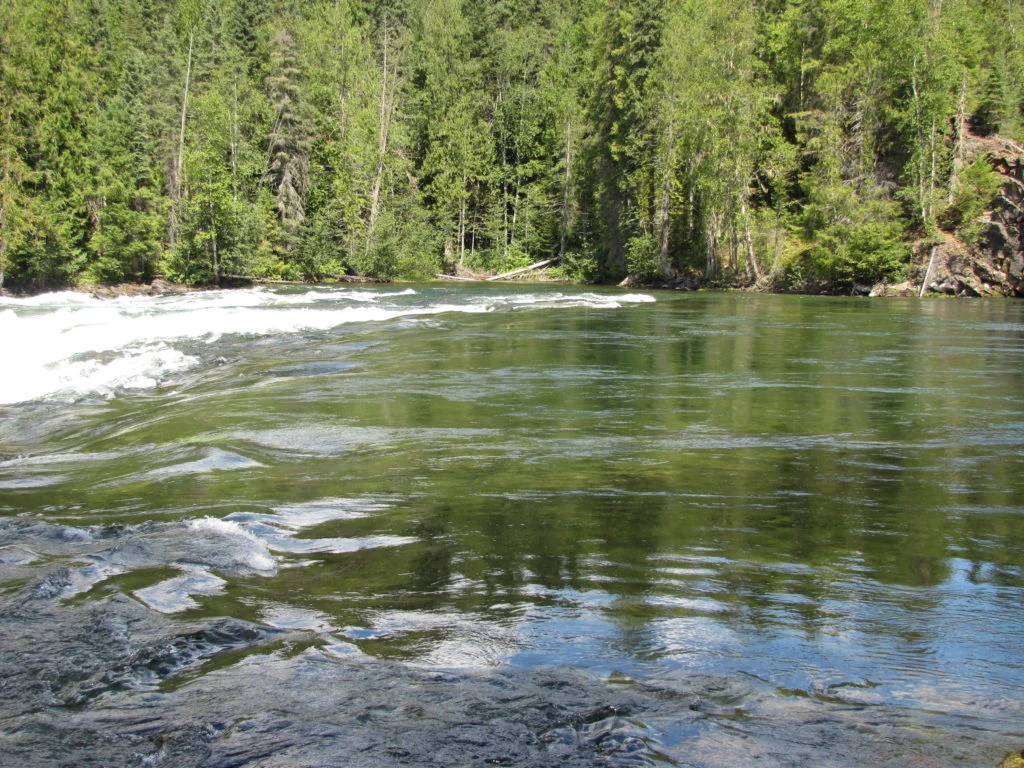
A striking characteristic often observed at many waterfalls is the deceptively smooth, tranquil appearance of the water preceding the precipice. The surface can appear placid and serene, offering little hint of the turbulent chaos that awaits just beyond the edge. The current accelerates almost imperceptibly from the quietude of a lake or a wide river, until suddenly, the water is swept over the fall in a paroxysm of energy, chaos, violence, and breathtaking beauty.
This natural phenomenon serves as a powerful metaphor for various aspects of human experience and societal dynamics. In personal lives, the aging process can often mirror this pattern. Life may proceed smoothly for many years, with a sense of stability and predictability. However, as individuals approach old age or confront significant illness, their physiological systems can begin to falter at an accelerating rate, leading to a cascade of challenges and a loss of control, much like the water tumbling over a falls.
On a societal level, the implications are equally profound. The pace of technological advancement and social transformation can feel like a gradually accelerating river. Innovations emerge, societal norms shift, and global interconnectedness deepens, often in seemingly incremental steps. However, there is a potential for these changes to reach a critical threshold, a point of no return, beyond which the ensuing societal transformation can feel chaotic and unpredictable. Those "upstream," so to speak, may still perceive the situation as manageable and calm, unaware of the impending maelstrom. Meanwhile, those "downstream," closer to the precipice of change, may already be caught in the turbulent currents. The ability to listen with an alert mind, to perceive the subtle shifts and the growing roar of impending change, becomes crucial. This heightened awareness allows individuals and societies to potentially navigate towards safer shores before being overwhelmed by the torrent.
Broader Implications and the Call to Awareness
The lessons derived from observing Helmcken Falls extend far beyond the immediate visual spectacle. They offer a framework for understanding our place in the universe and the nature of change. The stark contrast between the calm water upstream and the violent beauty downstream highlights the importance of foresight and adaptability. In a world characterized by rapid environmental and technological shifts, the capacity to anticipate potential challenges and to adapt to evolving circumstances is paramount.
The park itself, as a protected area, represents a collective societal commitment to preserving natural heritage. The existence of Wells Gray Provincial Park and its countless waterfalls is a product of conservation efforts, recognizing the intrinsic value of these landscapes and the ecological services they provide. Data from Parks Canada indicates that national and provincial parks play a vital role in biodiversity conservation, providing habitats for numerous species and contributing to the health of ecosystems. The continued protection of areas like Wells Gray is essential for both ecological integrity and for providing opportunities for human reflection and connection with nature.
Official Recognition and Conservation Efforts
Wells Gray Provincial Park was established in 1939, and its protection has been a gradual process, reflecting evolving understandings of environmental stewardship. The designation of protected areas like Wells Gray is a cornerstone of modern conservation strategy, aiming to safeguard natural processes, biodiversity, and significant geological features. The park is managed by the British Columbia Ministry of Environment and Climate Change Strategy, with a mandate to protect its natural and cultural values while providing opportunities for public enjoyment and education.
The scientific community continues to study the unique ecosystems within Wells Gray, contributing to a deeper understanding of the geological, hydrological, and biological processes at play. Research into the long-term impacts of climate change on waterfall flows, biodiversity, and forest health is ongoing, informing management strategies and conservation priorities. The park’s designation as a provincial park underscores its importance not only as a tourist destination but as a critical component of British Columbia’s natural heritage.
The Enduring Significance of Nature’s Lessons
In conclusion, Helmcken Falls, within the majestic expanse of Wells Gray Provincial Park, serves as more than just a breathtaking natural wonder. It is a living classroom, offering profound insights into the cyclical nature of life, the power of transformation, and the deceptive calm that can precede significant change. The geological history of the region, the sheer scale of the falls, and the philosophical parallels drawn from their observation all converge to underscore a timeless message: that in understanding nature, we can gain a deeper understanding of ourselves and our place within the grand tapestry of existence. The continued preservation of such natural cathedrals is not merely an act of conservation but an investment in the wisdom and well-being of future generations.

