

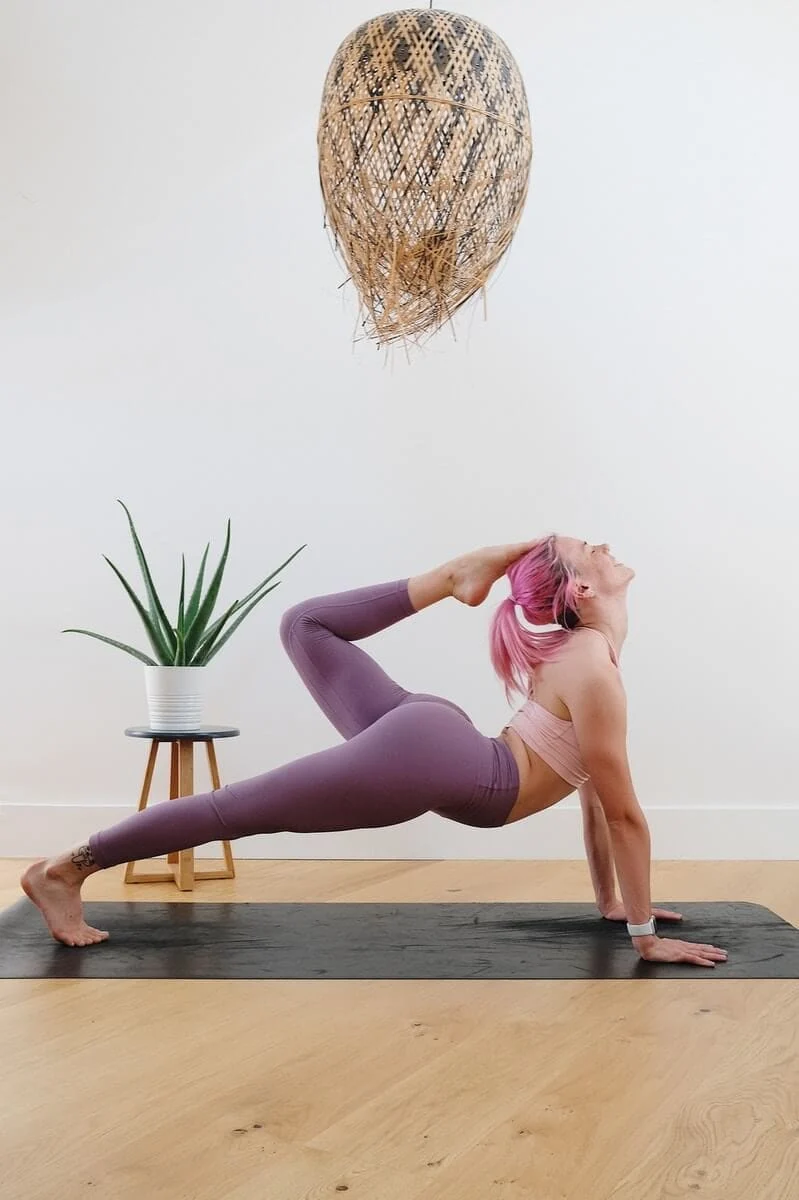
The landscape of global yoga practice is undergoing a profound transformation, as evidenced by the comprehensive DoYou Global Yoga Survey 2021. Drawing insights from over 10,000 respondents across 124 countries, the survey illuminated a significant and accelerating trend: the overwhelming preference for practicing yoga at home. A remarkable 85% of participants reported engaging in home-based yoga, a statistic that underscores a pivotal shift in how individuals worldwide integrate this ancient discipline into their modern lives. This pronounced inclination towards personal, private spaces for practice is attributed to a confluence of factors, primarily convenience, affordability, privacy, and a heightened sense of personal control, all of which gained particular prominence during a period marked by global health restrictions.
The Shifting Landscape: A Chronology of Yoga Practice
To fully appreciate the significance of these findings, it is essential to contextualize them within the broader evolution of yoga and fitness trends over the past few years.
Pre-Pandemic Era (Prior to 2020): Before the onset of the COVID-19 pandemic, the global yoga industry was largely dominated by brick-and-mortar studios. These establishments served as community hubs, offering structured classes, personalized instruction, and a sense of shared experience. While online resources and individual home practice certainly existed, they were generally supplementary to, rather than a replacement for, in-person studio attendance. The appeal of studios lay in their expert guidance, specialized equipment, and the motivation derived from a collective environment. The global yoga market was robust, with studios flourishing in urban and suburban areas, often becoming integral parts of local wellness ecosystems.
The Pandemic Acceleration (2020-2021): The year 2020 marked an unprecedented turning point. As governments worldwide implemented lockdowns, social distancing measures, and restrictions on public gatherings, yoga studios, like many other businesses, were forced to close their physical doors. This crisis acted as a powerful catalyst for digital transformation within the fitness industry. Yoga instructors and studios rapidly pivoted to online platforms, offering virtual classes via live streams and on-demand libraries. Practitioners, confined to their homes, embraced these digital alternatives out of necessity. The DoYou Global Yoga Survey 2021, conducted during this period, precisely captures the zenith of this forced shift, providing a snapshot of a world where home practice became the primary, and often only, viable option for many. The rapid uptake of online yoga highlighted the adaptability of both the industry and its practitioners, demonstrating a strong desire to maintain wellness routines despite external constraints.
Post-Pandemic Hybrid Model (2022 Onwards): As global restrictions eased, a new "hybrid" model began to emerge. While many studios reopened, the habits formed during the pandemic proved resilient. The convenience and accessibility of home practice had ingrained themselves into the routines of millions. Consequently, a significant portion of practitioners chose to continue their home-based routines, often supplementing them with occasional studio visits or opting for entirely digital subscriptions. This era sees a blend of physical and digital engagement, with studios increasingly offering both in-person and online options, and practitioners curating their wellness journeys from a wider array of choices. The survey’s findings, therefore, represent not just a temporary adjustment but a potentially permanent reshaping of consumer behavior within the yoga sector.
Deeper Dive into the Drivers of Home Practice
The survey meticulously identified four primary reasons underpinning the surge in home yoga practice, each reflecting distinct advantages that resonate with modern lifestyles.
1. Unrivaled Convenience (71% of Home Practitioners): The paramount reason cited by 71% of those practicing at home is convenience. In an increasingly fast-paced world, the ability to practice yoga without the logistical hurdles associated with studio attendance is a powerful draw. This convenience manifests in several ways:
- Time Efficiency: Eliminating travel time to and from a studio can free up significant portions of a day. For individuals with demanding work schedules or family commitments, fitting a 30-to-60-minute practice into a lunch break, early morning, or late evening becomes feasible without adding an hour-plus commute.
- Flexibility: Home practice offers unparalleled scheduling flexibility. One can roll out a mat at any hour, adjusting the practice to fit daily energy levels or unexpected changes in routine. This contrasts sharply with fixed studio class schedules, which often require advance booking and adherence.
- Comfort and Personal Space: The privacy of one’s home allows for complete freedom in attire (from pajamas to nude), environment (lighting, music, temperature), and self-expression. There’s no pressure to conform to social norms or feel self-conscious about one’s appearance or skill level, fostering a truly personal and uninhibited experience. A busy professional, for instance, might find the prospect of an immediate home practice far more appealing than facing traffic after a long day to attend a studio class.
2. Financial Accessibility (46% of Home Practitioners): Cost-effectiveness is a significant motivator for nearly half of home practitioners. Yoga studio memberships, particularly in urban centers, can represent a substantial monthly expense.
- Free and Affordable Resources: The proliferation of high-quality, free yoga tutorials on platforms like YouTube, coupled with affordable subscription-based online yoga platforms, dramatically lowers the financial barrier to entry. These resources often offer a vast library of classes catering to all levels and styles, providing immense value for a fraction of studio costs.
- Reduced Ancillary Expenses: Beyond membership fees, studio attendance often incurs additional costs such as transportation (fuel, public transit, parking), specialized yoga apparel, and potentially childcare. Practicing at home eliminates these ancillary expenses, making yoga more economically viable for a wider demographic. This democratization of yoga allows individuals from diverse socioeconomic backgrounds to access its benefits without financial strain.
3. The Sanctuary of Privacy (33% of Home Practitioners): For many, the idea of practicing yoga in a public setting can be intimidating. 33% of respondents cited privacy as a key reason for their home practice, highlighting the psychological comfort it provides.
- Overcoming Self-Consciousness: Beginners or individuals who are new to physical activity may feel self-conscious about their body image, perceived lack of flexibility, or inability to master poses. Practicing in the privacy of one’s home removes this pressure, allowing individuals to explore movements and build confidence without fear of judgment or competition from more experienced practitioners.
- Personal Exploration: Privacy fosters an environment conducive to introspection and self-discovery. Without external distractions or the comparative element of a group class, practitioners can focus more deeply on their breath, sensations, and internal experience, making the practice truly their own. A new practitioner, for example, might find home practice a less intimidating gateway into yoga.
4. Empowerment Through Control (Over 60% in Overall Poll): While the 60% figure refers to the importance of instructor and atmosphere in overall enjoyment, it directly translates to the appeal of control in a home setting.
- Personalized Practice: At home, individuals are empowered to dictate every aspect of their practice. This includes choosing the instructor (whether a YouTube guru, a specific online platform teacher, or self-led practice), the style of yoga, the duration, intensity, and even the focus of the session (e.g., restorative, power, specific body parts).
- Tailored Experience: This level of control ensures that the practice aligns perfectly with one’s physical and mental state on any given day. If one feels tired, a gentle restorative session can be chosen; if energized, a vigorous flow. This eliminates the risk of being "let down" by a class that doesn’t meet current needs or preferences, fostering a consistently positive experience. Advanced practitioners often seek this autonomy to deepen their unique yoga journey.
The Other Side of the Mat: Challenges and Limitations of Home Practice
Despite its numerous advantages, exclusive home practice presents several potential pitfalls that warrant careful consideration.
Risk of Injury and Lack of Personalized Guidance: One of the most significant drawbacks is the absence of real-time, personalized feedback and adjustments from a trained instructor. When practicing alone, especially for beginners or those attempting advanced poses, there’s an increased risk of incorrect form, which can lead to inefficient practice or, more critically, injury. An instructor in a studio setting can physically adjust a student, offer verbal cues tailored to their specific body, and identify subtle misalignments that are almost impossible to self-correct or discern through a screen. This is particularly crucial for individuals with pre-existing injuries or specific physical conditions, where a controlled environment with expert oversight is often safer and more beneficial.
Missing the Community Element: Yoga studios traditionally foster a strong sense of community. The shared energy of a group class, the camaraderie among fellow practitioners, and the opportunity for social interaction contribute significantly to the overall experience for many. Practicing exclusively at home can lead to a sense of isolation, potentially depriving individuals of the mood boost, motivation, and accountability that comes from being part of a collective. For some, this communal aspect is as vital to their well-being as the physical practice itself.
Self-Discipline and Motivation: While convenience is a major draw, maintaining consistent self-discipline in a home environment can be challenging. The home is often filled with distractions – chores, family members, pets, or the allure of other activities. Without the external structure of a scheduled class, the motivation to roll out the mat consistently can wane, making it harder to establish and maintain a regular practice.
Industry Reactions and Adaptations
The shift towards home practice has necessitated significant adaptations and elicited varied reactions across the yoga and fitness industry.
Yoga Studio Owners: Many studio owners initially faced existential threats during the pandemic. However, resilience and innovation have been key. Many pivoted to offering online classes, creating hybrid models that allow both in-person and virtual attendance. Studio owners are increasingly emphasizing the irreplaceable value proposition of their physical spaces:
- Expert Supervision: The safety and efficacy of hands-on adjustments and real-time form correction.
- Community and Connection: Fostering a supportive environment, social events, and a sense of belonging.
- Specialized Offerings: Workshops, retreats, and advanced teacher trainings that are difficult to replicate online.
- An inferred statement from a studio owner: "While online yoga has its place, the tactile adjustments, the shared breath in a room, and the immediate feedback are vital for depth and safety. Our studios offer not just a class, but a sanctuary and a community that cannot be fully replicated digitally."
Online Platform Providers: Companies offering digital yoga content have seen unprecedented growth. They are continually investing in high-quality video production, diverse instructor rosters, personalized recommendation algorithms, and interactive features. Their narrative focuses on accessibility, variety, and convenience.
- An inferred statement from a digital platform CEO: "The digital realm has democratized yoga, making it available to millions who might not have access to a physical studio due to geography, cost, or time constraints. We empower individuals to take control of their wellness journey."
Yoga Instructors: The role of the yoga instructor has evolved. Many have had to adapt their teaching methodologies for online delivery, focusing more on precise verbal cues and clear demonstrations. While some have embraced the global reach and flexibility of online teaching, others express concerns about the inability to provide adequate physical adjustments and ensure student safety remotely.
- An inferred statement from a seasoned yoga instructor: "Teaching online requires a different skill set, focusing on verbal cues and demonstrations, but nothing truly replaces hands-on adjustments and the immediate energetic exchange of an in-person class. It’s a balance we’re all learning to strike."
Broader Implications and The Future of Yoga Practice
The findings of the DoYou Global Yoga Survey 2021 carry significant implications for the future trajectory of yoga and the broader wellness industry.
Democratization of Yoga: The increased accessibility, particularly through affordable or free online resources, has significantly democratized yoga. This means individuals from diverse socioeconomic backgrounds and geographical locations, including those in remote areas or developing countries, can now access high-quality instruction that was once confined to affluent urban centers. This broadens the reach of yoga’s physical and mental health benefits globally.
Innovation in Digital Fitness: The surge in home practice is spurring rapid innovation in digital fitness technologies. Expect to see further development in AI-powered feedback systems that analyze posture and provide real-time corrections, interactive virtual reality (VR) or augmented reality (AR) yoga experiences, and more sophisticated personalized training programs. These innovations aim to bridge the gap between digital convenience and the personalized guidance typically found in studios.
The Hybrid Model as the New Standard: The future of yoga practice is unlikely to be exclusively home-based or studio-based. Instead, a flexible, hybrid approach is emerging as the new standard. Practitioners will likely combine the convenience and affordability of home practice with the community, expert guidance, and unique atmosphere of studio classes. This offers practitioners the best of both worlds, allowing them to tailor their practice to their evolving needs and circumstances.
Evolution of Yoga Studios: To remain competitive and relevant, physical yoga studios will need to continue evolving. This may involve a greater focus on creating premium, experiential offerings, specialized workshops (e.g., advanced inversions, therapeutic yoga, sound baths), community-building events, and integrating technology (e.g., offering hybrid classes, maintaining robust online libraries for members). Studios may also position themselves as centers for deeper learning, personalized coaching, and a strong sense of collective belonging.
Impact on Instructor Training: Yoga teacher training programs will increasingly need to incorporate modules on effective online teaching methodologies, including verbal cueing, camera presence, and strategies for injury prevention in a remote learning environment. The role of the instructor will become more multifaceted, requiring skills in both in-person and digital delivery.
Sustainability and Accessibility: Digital platforms offer a more sustainable option in terms of reducing the carbon footprint associated with daily commutes to studios. Moreover, they enhance accessibility for individuals with mobility challenges or those in underserved communities.
In conclusion, the DoYou Global Yoga Survey 2021 captures a pivotal moment in the history of yoga practice. While the COVID-19 pandemic undoubtedly accelerated the shift towards home practice, the underlying drivers of convenience, affordability, privacy, and control are deeply rooted in contemporary lifestyles. The future of yoga is poised to be a dynamic integration of physical and digital spaces, fostering a more accessible, personalized, and diverse global yoga community, where practitioners can seamlessly blend the benefits of both worlds to cultivate their well-being.

