

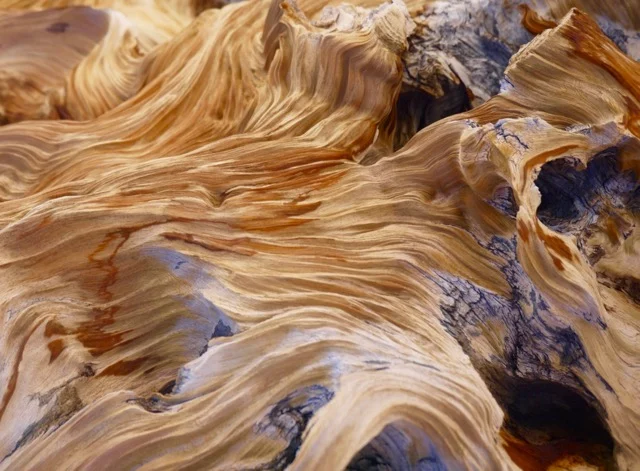
For over eighteen months, a profound exchange has been unfolding between the publication and David Malinsky, a writer, photographer, and dedicated naturalist. Malinsky’s passion is particularly ignited by the Great Basin Bristlecone Pine (Pinus longaeva), a species he affectionately refers to as his "Old Friend in High Places." This article delves into the essence of his deep connection with these ancient trees, offering a window into the contemplative beauty he uncovers during his explorations. Those interested in engaging with Malinsky’s insights and contributing to this ongoing dialogue are invited to join his listserve by contacting him directly at [email protected].
The Ancient Sentinels of the Great Basin
The Great Basin Bristlecone Pine is a testament to resilience and longevity, thriving in the harsh, arid environments of the higher mountain ranges of California, Nevada, and Utah. These trees are renowned for their extreme age, with some individuals documented to be over 5,000 years old, making them the longest-living non-clonal organisms on Earth. Their gnarled, twisted forms are a direct result of adapting to challenging conditions, including high altitudes, thin soils, intense sunlight, and extreme temperature fluctuations. The slow growth rate, often adding only an inch of wood per century, contributes to their dense, resinous wood, which is remarkably resistant to insects, fungi, and erosion.
Malinsky’s writings, exemplified by a recent communication, offer a philosophical lens through which to view these arboreal elders. He posits that venturing into the unknown, much like the journey towards these remote, high-altitude environments, represents a noble human pursuit. While established goals offer clear objectives and tangible rewards, they can also impose limitations. Malinsky uses the metaphor of an arrow shot towards a bullseye: the arrow, a tool for a purpose, fulfills its function by reaching its target. However, he argues, the archer should not be defined solely by the trajectory of that single shot.
“Daring to take a path towards what may be unknowable can be among the most noble pursuits of the human spirit,” Malinsky writes. “Known targets bring tangible opportunities for achievement, but also limitations; even a well-aimed arrow is forced to halt its arc, having reached a bullseye. Allow the arrow to be what it is, a tool for a particular purpose, but after your fingers release the bowstring do not let the confines of the arc define you. It was what you did, but only a small piece of who you are.”
Embracing the Expansive Vista
This perspective shifts the focus from singular achievements to the broader experience of exploration and self-discovery. Malinsky suggests that by broadening our perspective beyond the immediate "bullseye," we can perceive a wealth of detail that might otherwise be missed. He advocates for an open consciousness, capable of encompassing a multitude of experiences without the need for immediate categorization or reduction to a single point of reference.
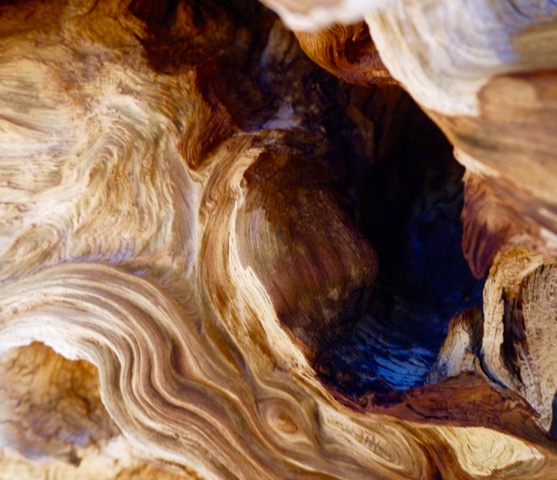
“Without narrowing the focus on the bullseye, there can be so much to see, much that will be missed if our sights are too confined. You do not have to reduce all of this to a single place; there is room in your consciousness for all of it, if you allow it in.”
This philosophy resonates deeply with the ecological context of the Bristlecone Pine. These trees exist within vast, often stark landscapes where survival is a constant negotiation with the environment. Their presence is not just about individual existence, but about the intricate web of life they support and the ecological stories they embody. Studying their rings, for instance, provides invaluable data for paleoclimatologists, offering insights into millennia of past weather patterns, drought cycles, and environmental changes that have shaped the region. Each tree is a living archive, a chronicle of a world long past.
The Journey Inward: From "Where" to "Who"
Malinsky further elaborates on the transformative nature of venturing beyond established targets. He suggests that these expeditions, particularly those into wild, less-charted territories, can initiate a profound journey of self-discovery. What may initially appear as a quest for a specific "Where" – a destination, a goal – can, with each step, organically evolve into a deeper exploration of "Who." The person and the place become intrinsically linked, a fusion of internal and external landscapes.
“It is in taking a path beyond established targets that you begin the journey of yourself, a path whose first steps may appear as though on the way to a ‘Where’, but as you venture will almost magically turn into as much a ‘Who’, person and place becoming one.”
The sensory richness of such experiences, the gradual attunement to the surrounding environment, and the internal growth that accompanies these steps are, for Malinsky, indicators of being on the cusp of significant personal revelations. He implies that the conventional reliance on maps and predefined routes can become secondary to this intuitive, organic unfolding of self and place.
“When you feel something inside of yourself growing with each step, and your developing senses appreciating what surrounds the path even more, then you are on the verge of the most important discovery you can make, and any notions of maps can be discarded. Your path has no end, for both you and Nature are constantly evolving, and it is in that trust of Nature that you can place yourself, and explore the labyrinths ahead filled with the joy of anticipation, instead of trepidation.”
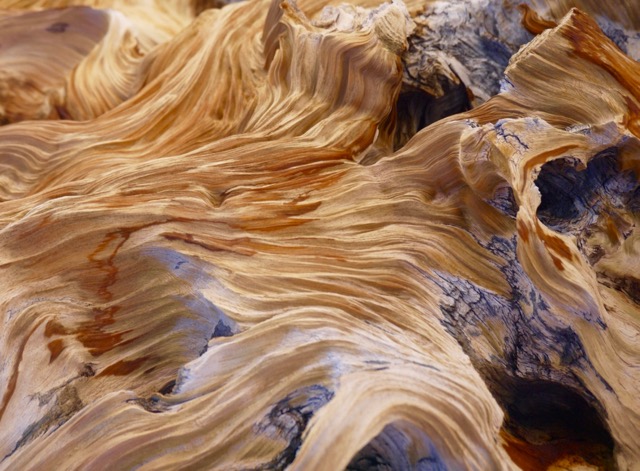
This perspective aligns with ecopsychological principles that emphasize the interconnectedness of human well-being and the natural world. The act of engaging with nature, particularly in its most ancient and resilient forms like the Bristlecone Pine, can foster a sense of awe, humility, and a deeper understanding of one’s place within the larger ecological tapestry. The “labyrinths ahead” are not to be feared but embraced as opportunities for growth, fueled by a trust in the inherent wisdom and processes of nature.
Navigating the Darkness with an Open Spirit
Malinsky’s reflections extend to the concept of confronting the unknown, or what might be perceived as "darkness." He posits that with the development of trust – both in nature and in oneself – perceived darkness loses its intimidating quality. Instead, it is viewed as a space awaiting illumination, an opportunity for further exploration. The individual, by approaching such situations with an open spirit, can become the very source of light, guiding their own path forward.
“Once you develop that trust, both of Nature and of yourself, when you come across what appears to be a darkness you do not fear. That darkness is only a place that is currently without illumination, and should you venture forward with an open spirit, your path may well take you to where it was intended to all along – the place where it is you that are the light.”
This is a powerful metaphor for personal growth and resilience. In the context of exploring the remote habitats of Bristlecone Pines, one might encounter challenging weather, difficult terrain, or moments of uncertainty. Malinsky’s perspective suggests that these are not insurmountable obstacles but rather integral parts of the journey that can foster inner strength and clarity. The ability to find one’s own inner compass and to illuminate the path ahead, even when faced with apparent obscurity, is a profound aspect of self-mastery.
The Scientific Significance of Ancient Trees
Beyond their philosophical and aesthetic appeal, Great Basin Bristlecone Pines hold immense scientific value. Their exceptionally long lifespans and slow, consistent growth allow researchers to reconstruct detailed climatic histories. By analyzing the annual growth rings (dendrochronology), scientists can determine past temperature, precipitation, and even volcanic activity. These records extend back thousands of years, providing crucial data for understanding long-term climate trends and for validating climate models.
For example, the oldest known Bristlecone Pine, nicknamed "Methuselah," located in the White Mountains of California, is estimated to be around 4,850 years old. Another specimen, "Prometheus," discovered in the Wheeler Peak Wilderness of Nevada, was determined to be 4,900 years old before its unfortunate felling in 1964 for research purposes. The study of these ancient trees has contributed significantly to our understanding of past climate variability and the Earth’s climate system.
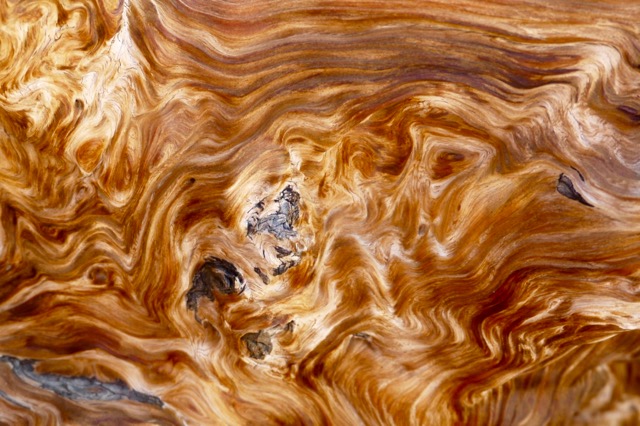
The unique environmental conditions under which Bristlecone Pines thrive – high altitude, nutrient-poor soils, and extreme temperature fluctuations – have also made them subjects of study in areas such as stress physiology and aging. Their ability to survive for millennia in such harsh environments offers insights into biological mechanisms that promote longevity and resilience.
Conservation Efforts and Threats
Despite their remarkable hardiness, Great Basin Bristlecone Pines are not immune to threats. Climate change poses a significant challenge, with rising temperatures potentially altering their high-altitude habitats. Changes in precipitation patterns, increased risk of wildfires (though less common in their arid environments, they can occur), and the spread of invasive species are also concerns. Furthermore, increased human visitation, while often driven by appreciation, can lead to soil compaction, erosion, and damage to the fragile ecosystems these trees inhabit.
Organizations and researchers are actively engaged in monitoring Bristlecone Pine populations and their habitats. Efforts focus on understanding the impacts of climate change, developing strategies for habitat restoration, and educating the public about the importance of responsible visitation. The resilience of these ancient trees is a testament to nature’s enduring power, but their long-term survival also depends on continued scientific study and dedicated conservation efforts.
Malinsky’s Ongoing Dialogue
David Malinsky’s correspondence offers a valuable counterpoint to the purely scientific study of these trees. His "Old Friend in High Places" moniker suggests a deeply personal connection, viewing the Bristlecone Pines not just as biological specimens or data sources, but as venerable beings with stories to tell. His emphasis on exploration, self-discovery, and embracing the unknown encourages a holistic appreciation of nature that extends beyond mere observation.
The invitation to join his listserve signifies a desire to foster a community of like-minded individuals who are inspired by the natural world and the philosophical questions it raises. By sharing his experiences and reflections, Malinsky seeks to cultivate a deeper engagement with the environment, encouraging others to embark on their own journeys of discovery, both external and internal. His work serves as a reminder that in our quest for knowledge and understanding, the paths less traveled often lead to the most profound insights. The enduring majesty of the Great Basin Bristlecone Pines, a symbol of resilience and time itself, continues to inspire awe and contemplation, inviting us to look beyond the immediate and embrace the expansive journey of life and nature.

