

A critical examination of American dietary habits reveals a staggering deficiency in essential minerals, with an overwhelming majority of the population failing to meet recommended intake levels for potassium while simultaneously exceeding safe limits for sodium. This pervasive imbalance, rooted in modern dietary patterns, poses a significant threat to public health, contributing to a cascade of chronic diseases and diminishing overall quality of life. New data suggests that fewer than 0.015% of Americans achieve the recommended daily intake for both sodium and potassium, a statistic that translates to a near-universal failure to adhere to crucial nutritional guidelines.
The Scope of the Crisis: Unpacking the Statistics
The statistics are stark: an estimated 99.99% of Americans fall short of the minimum recommended potassium intake, a mineral vital for numerous bodily functions, including blood pressure regulation. Concurrently, the same population consistently consumes sodium at levels far exceeding recommended thresholds. This dual deficiency is not merely a minor dietary oversight; it represents a profound public health challenge with far-reaching consequences.
Recent analyses, drawing from extensive epidemiological studies, highlight the devastating impact of poor dietary choices on global health. Physical inactivity, while a significant contributor to ill health, accounts for a fraction of the burden compared to diet. Worldwide, physical inactivity is linked to over 10 million years of healthy life lost annually. However, the consumption of unhealthy diets is estimated to be nearly 20 times more detrimental, subtracting hundreds of millions of disability-free years from human lives each year.
Identifying the Culprits: Dietary Traps and Their Deadly Impact
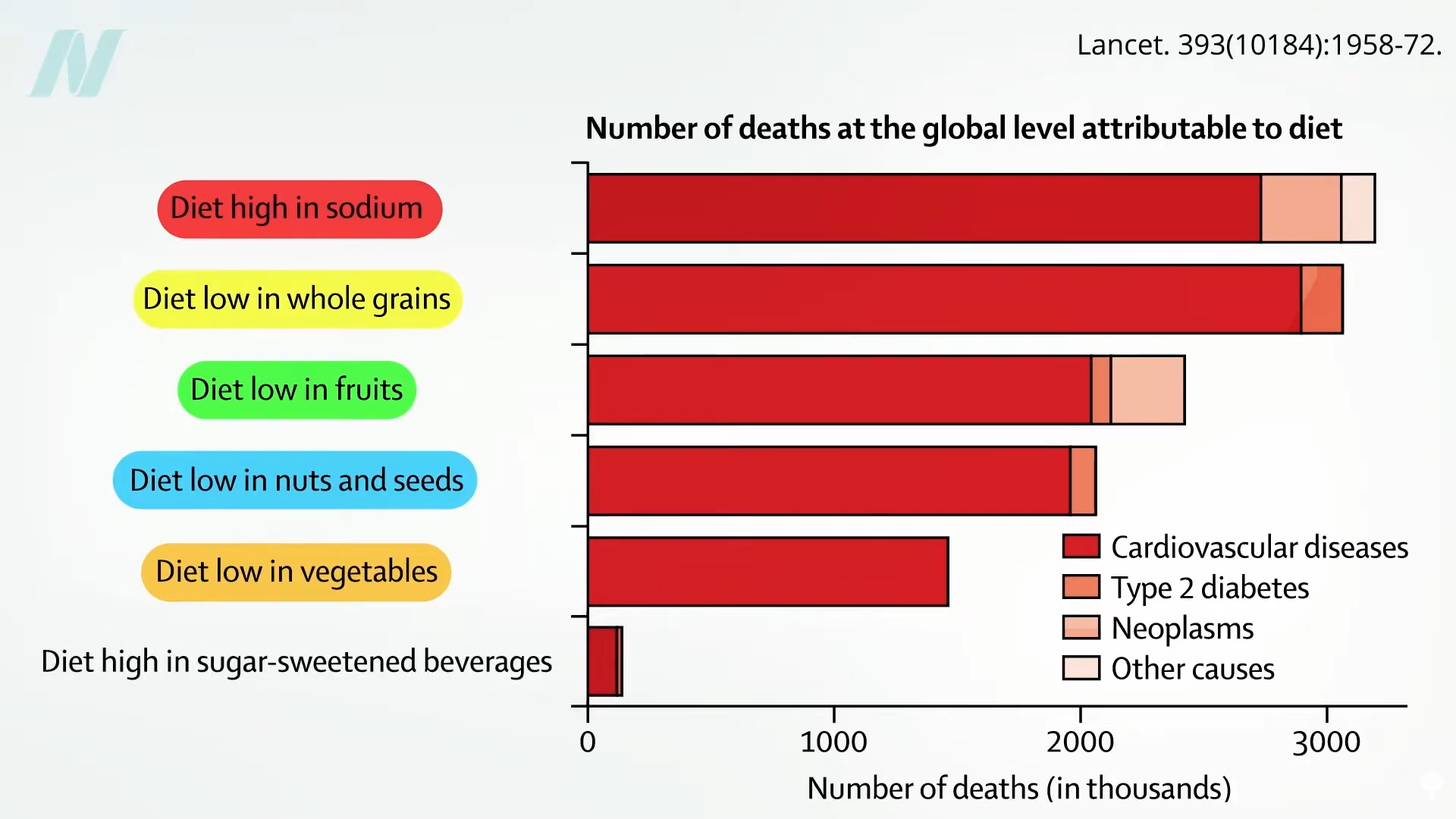
Research published in leading medical journals, such as The Lancet, has identified the most detrimental aspects of contemporary diets. A significant portion of these dietary pitfalls stem from insufficient consumption of nutrient-dense foods. Four of the five leading dietary contributors to mortality are linked to not eating enough whole grains, fruits, nuts and seeds, and vegetables. However, the most lethal dietary transgression, according to these studies, is excessive salt intake. The mortality associated with high sodium consumption is estimated to be approximately 15 times greater than that linked to excessive soda consumption, underscoring the severity of this particular dietary trap.

The implications of this sodium-potassium imbalance are dire. High sodium intake is a well-established driver of hypertension, a primary risk factor for heart disease, stroke, kidney disease, and even certain types of cancer, such as stomach cancer. The U.S. Food and Drug Administration (FDA) has long recognized the critical need for dietary sodium reduction. A former commissioner of the FDA emphatically stated, "There remains no single more effective public health action related to nutrition than the reduction of sodium in the diet." This sentiment has been echoed by national and international health organizations, prompting calls for clear and prominent warning labels on salt-containing products. Such labels would convey vital information, including the link between excessive sodium and serious health conditions like high blood pressure, stomach cancer, stroke, heart disease, and kidney disease, urging consumers to limit their intake.
The Inflammatory Connection: Salt’s Role in Chronic Disease
Beyond its direct impact on blood pressure, sodium’s role in exacerbating inflammation is a growing area of concern within the medical community. Emerging research indicates a strong correlation between sodium intake and increased inflammation in various chronic conditions. For instance, studies focusing on multiple sclerosis (MS), an inflammatory autoimmune nerve condition, have revealed that individuals with medium to high sodium intakes experience exacerbations at rates three to four times higher than those consuming less than a teaspoon of salt daily.
This inflammatory link extends to other autoimmune diseases as well. Research has shown elevated sodium levels in the tissues of individuals suffering from lupus, another severe inflammatory autoimmune disorder. Furthermore, in patients with MS, high sodium levels in the spinal cord have been correlated with disease progression and a decline in structural integrity of nervous tissue. These findings suggest that excessive salt consumption may not only contribute to the onset of these conditions but also significantly worsen their severity and impact on patients’ lives.
The Root of the Problem: Processed Foods and Evolutionary Mismatch
The prevalence of high sodium intake is inextricably linked to the modern food supply, which is heavily reliant on processed and ultra-processed foods. These products often contain substantial amounts of added salt for preservation, flavor enhancement, and texture modification. While it can be challenging to isolate the direct impact of salt from the overall poor quality of such diets, robust scientific evidence confirms a direct cause-and-effect relationship between salt consumption and elevated blood pressure.
Numerous randomized controlled trials have consistently demonstrated that reducing added salt intake leads to a measurable decrease in blood pressure. The greater the reduction in salt, the more significant the blood pressure improvements. The precise mechanisms by which salt exerts these effects are still being investigated, but one compelling theory suggests that excessive sodium intake may be detrimental to the gut microbiome – the complex community of beneficial microorganisms residing in our digestive tract. Damage to this microbial ecosystem could have widespread implications for overall health, including immune function and inflammation.
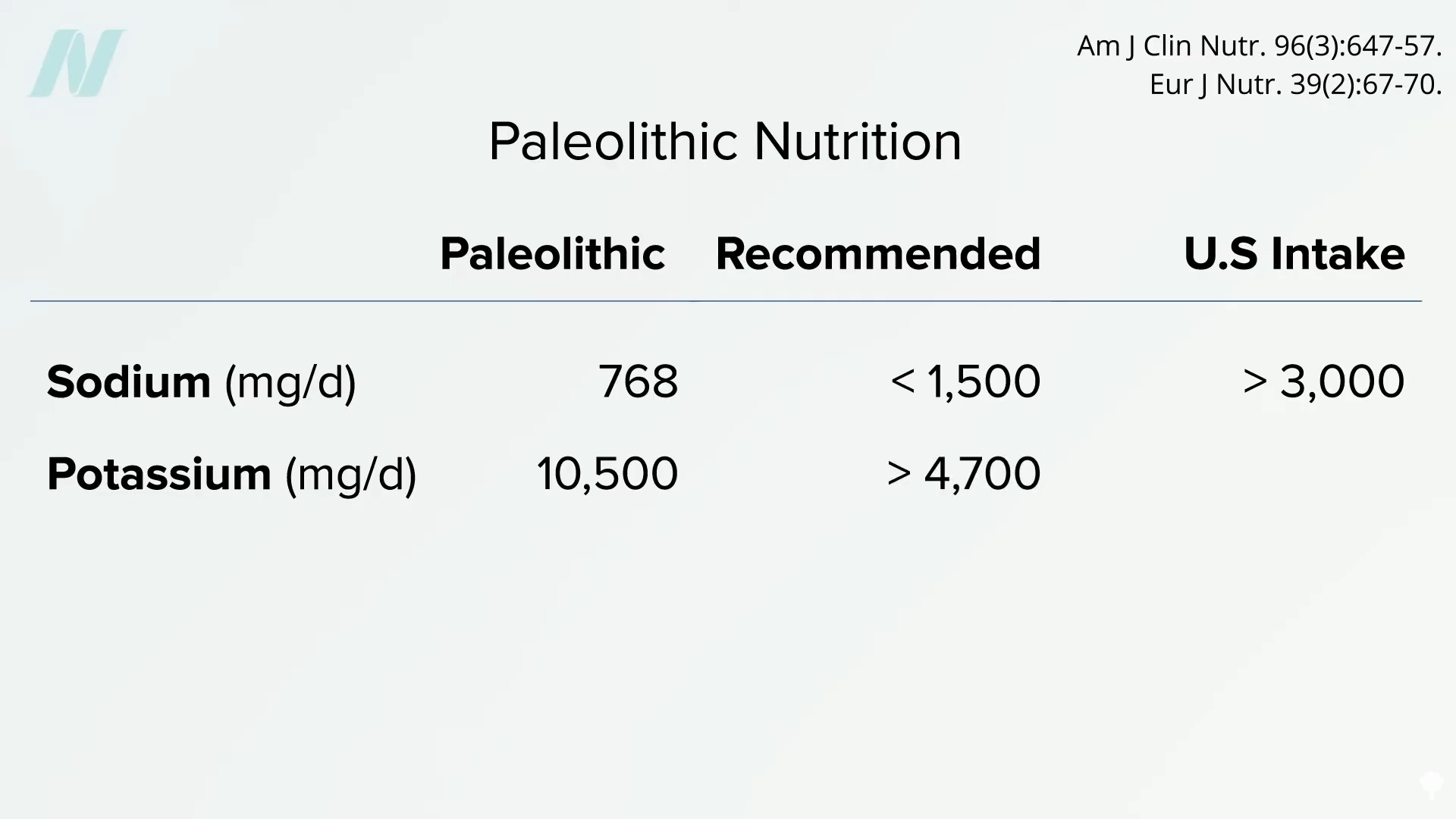
Adding to the concern is the stark evolutionary mismatch between our bodies’ natural sodium handling capabilities and our current consumption patterns. Human physiology evolved to process approximately 750 milligrams of sodium per day. In contrast, the American Heart Association recommends individuals stay below 1,500 mg per day, a limit that itself is considered generous by some. However, the average American is consuming more than four times the naturally evolved intake. This problem has only worsened over the last decade, with consumption rates continuing to climb. A decade ago, a staggering 98.8% of Americans were already exceeding the 1,500 mg upper limit.
The Potassium Deficit: A Double Whammy
The narrative of poor nutrition in the U.S. is compounded by a widespread deficit in potassium intake. While the body evolved to thrive on approximately 10,000 mg of potassium daily, current recommendations suggest an intake of at least half that amount. Yet, the vast majority of Americans fall significantly short of even this reduced target. Less than 2% of U.S. adults consume the recommended daily minimum intake of potassium, meaning over 98% of Americans subsist on potassium-deficient diets. This deficiency is particularly concerning because potassium plays a crucial role in counteracting the blood pressure-raising effects of sodium.
When the dual guidelines for sodium and potassium are considered together, the picture becomes even more alarming. Fewer than 0.015% of individuals in the United States meet both the recommended sodium and potassium intake goals. This translates to a compliance rate of approximately 1 in 6,000 Americans, highlighting the pervasive nature of this dual nutritional failing.
Potential Solutions and Future Directions
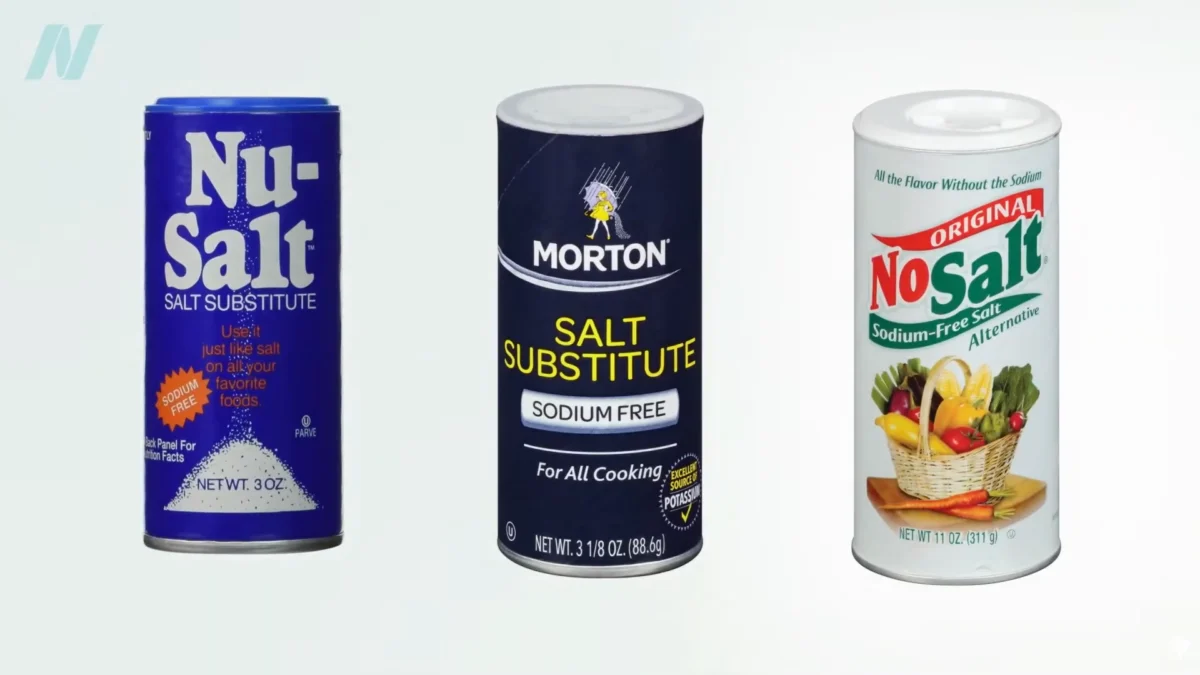
In light of these concerning trends, researchers and health professionals are exploring various strategies to mitigate the risks associated with unbalanced sodium and potassium intake. One area of interest is the use of potassium-based salt substitutes. These products, typically made with potassium chloride, offer a way to reduce sodium consumption while simultaneously increasing potassium intake, potentially providing a dual benefit. The appeal of such substitutes lies in their ability to mimic the salty taste of traditional sodium chloride without the detrimental health effects.
However, the widespread adoption and efficacy of these substitutes necessitate further investigation. Questions remain regarding their safety profile, particularly for individuals with certain pre-existing health conditions, and their long-term effectiveness in achieving meaningful dietary changes and health outcomes. Ongoing research aims to provide definitive answers to these critical questions.
A Broader Public Health Imperative
The data underscores a critical public health imperative: a fundamental re-evaluation of our dietary habits and the food environment in which we operate. The overwhelming failure to meet basic sodium and potassium recommendations is not an isolated issue but a symptom of a larger systemic problem related to the accessibility and promotion of nutrient-poor, high-sodium processed foods.
The implications of this dietary imbalance extend beyond individual health, impacting healthcare systems through increased rates of chronic disease management and treatment. Policy interventions, such as stricter regulations on food labeling, the promotion of healthier food options in public institutions, and public education campaigns highlighting the critical importance of whole, unprocessed foods, are essential.
As this discussion continues, it is crucial to remain informed about the latest scientific findings and to advocate for systemic changes that support healthier dietary patterns for all Americans. The evidence is clear: addressing the pervasive sodium-potassium imbalance is not merely a matter of personal choice but a collective responsibility that demands urgent attention and action.
Doctor’s Note: This article is the first in a three-part series exploring the complexities of sodium, potassium, and the potential role of salt substitutes in addressing public health challenges. Readers are encouraged to stay tuned for forthcoming articles that will delve deeper into the efficacy and safety of potassium chloride-based salt substitutes, providing further insights and evidence-based guidance. For those who encounter claims that salt is not a significant health concern, it is important to consult the wealth of scientific literature and related research that consistently demonstrates the adverse health impacts of excessive sodium consumption.

