

For decades, public health advocates grappled with the formidable influence of the food industry, often finding their attempts to regulate unhealthy products met with fierce resistance and ultimately, failure. However, the eventual success in banning artificial trans fats from the food supply offers a compelling case study in how a strategic, multi-pronged approach, coupled with evolving industry dynamics, can overcome entrenched opposition. This victory was not a sudden windfall but the culmination of scientific evidence, legislative maneuvering, and a subtle yet potent shift in the economic incentives for food manufacturers.
The Science and the Stakes: Unveiling the Dangers of Trans Fat
The scientific understanding of trans fats’ detrimental impact on human health has a long and concerning history. As early as 1993, the landmark Harvard Nurses’ Health Study provided a stark warning: a high intake of trans fat could increase the risk of heart disease by a staggering 50%. This groundbreaking research, published in the New England Journal of Medicine, marked a critical turning point, illuminating the insidious nature of these industrially produced fats, primarily found in partially hydrogenated oils.
Trans fats are created through a process called hydrogenation, which converts liquid vegetable oils into solid fats, extending shelf life and improving texture in processed foods. While beneficial for manufacturers, this process yields a substance that mimics saturated fats in structure but behaves in the body in uniquely harmful ways. They raise LDL cholesterol (the "bad" cholesterol) while simultaneously lowering HDL cholesterol (the "good" cholesterol), creating a double threat to cardiovascular health.
The implications of this scientific revelation were dire. The accumulation of trans fats in the American diet, driven by their widespread use in baked goods, fried foods, margarines, and snack items, was linked to a significant burden of preventable disease. Estimates suggest that tens of thousands of Americans died prematurely each year due to conditions exacerbated or directly caused by trans fat consumption, leading to a substantial loss of healthy life years. Conditions such as heart disease, stroke, and even certain types of cancer were increasingly implicated.
A Global Timeline of Action and Inertia
While the scientific evidence mounted, the regulatory response varied dramatically across the globe, highlighting the differing approaches to public health and industry lobbying. Denmark, a nation known for its proactive public health policies, emerged as an early leader. Following the growing scientific consensus, Denmark enacted a ban on added trans fats in 2003, a decade after the initial Harvard study. This swift action demonstrated a clear prioritization of public well-being over industry convenience.
In stark contrast, the United States lagged significantly. A decade after Denmark’s pioneering ban, the U.S. Food and Drug Administration (FDA) only began to consider a ban. This prolonged period of inaction, during which hundreds of thousands of Americans continued to suffer and die from preventable cardiovascular diseases, underscored the powerful influence of the food industry on U.S. policy-making. The disparity in timelines between Denmark and the U.S. serves as a potent illustration of how differing national priorities and regulatory environments can translate into vastly different public health outcomes.
The New York City Crucible: A Microcosm of the National Debate
The battle over regulating trans fats in the United States was vividly encapsulated in the protracted fight over New York City’s pioneering trans fat ban. This local initiative, launched in 2006, became a focal point for the national debate, exposing the deeply entrenched opposition from the food industry and its allies.
Critics, primarily from the restaurant and food manufacturing sectors, vehemently opposed the ban. Their arguments often centered on claims of "government intrusion" and the imposition of a "nanny state," framing the regulation as an overreach of governmental authority into personal dietary choices. They argued that consumers should be empowered to make their own decisions, even if those decisions involved consuming unhealthy products.
The industry’s defense often relied on the concept of moderation. Citing the naturally occurring trans fats found in meat and dairy products, they argued that all foods, including those with artificial trans fats, should be consumed in moderation. This argument, echoed by groups like the Institute of Shortening and Edible Oils, sought to dilute the specific dangers of industrially produced trans fats by conflating them with naturally occurring ones. Some critics even resorted to hyperbolic rhetoric, styling such public health proposals as the "rise of food fascism," an attempt to emotionally manipulate public opinion and demonize public health advocates.
However, public health advocates countered that the food industry itself had limited consumer choice by broadly introducing these dangerous fats into the food supply. The argument of "moderation" was seen as disingenuous when the primary sources of harmful trans fats were ubiquitous and often hidden in staple food products, making informed choices exceptionally difficult for the average consumer.
The "Slippery Slope" Tactic and the Broccoli Horror
A common tactic employed by industries facing regulation is the "slippery slope" argument, designed to create fear of future, more draconian measures. In the context of the trans fat ban, opponents warned that if the government could ban trans fats, what was next? Would they mandate that everyone eat broccoli? This fear-mongering tactic aims to distract from the immediate, tangible harm being addressed.
This very argument, the "broccoli horror," was famously raised during a Supreme Court case concerning the Affordable Care Act. Chief Justice John Roberts mused about the government’s potential to compel citizens to buy vegetables. Justice Ruth Bader Ginsburg, while acknowledging the theoretical possibility of such a mandate, ultimately dismissed it as a "hypothetical and unreal possibility" and not a credible reason to reject the legislation. This exchange highlights how legal and political discourse can sometimes become entangled in abstract anxieties, diverting attention from concrete public health crises.

The Power of Information and the Shift in Industry Incentives
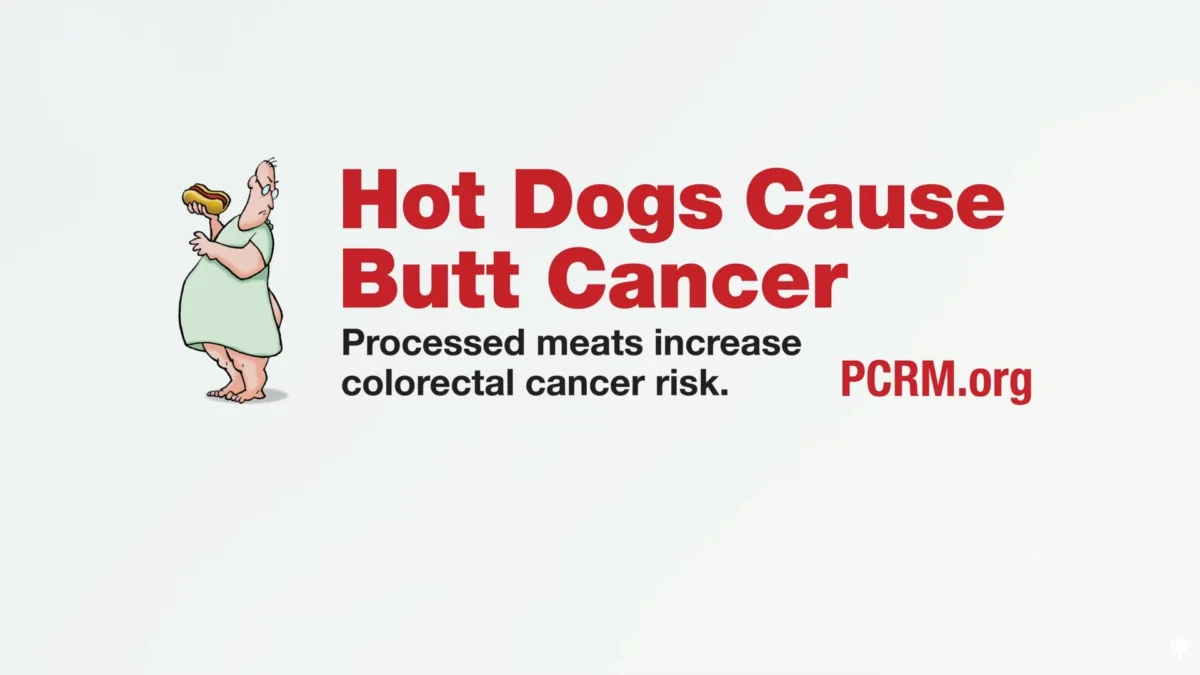
While public education campaigns, such as those warning about sugar content in beverages or the link between processed meats and cancer, played a role in raising awareness, they represented the "inform" and "nudge" approaches to mediating risky choices. These methods, while valuable, often proved insufficient against the pervasive presence of harmful ingredients. The true breakthrough in the trans fat fight lay in a strategy that shifted the focus from informing consumers to fundamentally altering the food product itself.
The mandatory labeling of trans fat content on nutrition facts labels, implemented in the United States in 2006, proved to be a pivotal turning point. While ostensibly designed to inform consumers, this requirement had a profound, albeit indirect, impact on producers. The obligation to disclose the presence of trans fats created a powerful incentive for companies to reformulate their products.
Suddenly, the hidden ingredient was out in the open. Companies that continued to use partially hydrogenated oils faced the prospect of being perceived as knowingly selling an unhealthy product. This spurred a race to achieve a "no trans fat" competitive edge. Manufacturers began to actively seek alternatives to partially hydrogenated oils, scrambling to reformulate their products to avoid negative consumer perception and potential liability.
The Domino Effect: From Disclosure to Ban
The impact of mandatory trans fat labeling was swift and transformative. Within a few years, an estimated 5,000 products hit the market boasting "low" or "zero" trans fat content. Major food corporations, once staunch opponents of any regulation, began to publicly tout their reformulated products.
A notable example was Kentucky Fried Chicken (KFC). Previously, the fast-food giant had faced lawsuits for high trans fat levels in its offerings. However, following the labeling mandate and subsequent reformulation, KFC launched an advertising campaign featuring a father excitedly announcing to his children that the restaurant now had zero grams of trans fat. This dramatic shift in marketing strategy illustrated the profound change that had occurred.
This pre-emptive reformulation by major industry players fundamentally altered the landscape. When the push for a nationwide ban on artificial trans fats intensified, the opposition had significantly weakened. The argument that a ban would cripple the industry lost traction because many of the largest companies had already voluntarily removed trans fats from their products, often to gain a market advantage. The financial stakes had diminished, and the political will to block the ban had evaporated. The public health community had, in essence, outmaneuvered the industry by creating an environment where compliance with a ban was no longer a significant economic burden but rather a logical extension of existing practices.
The Broader Implications and the Path Forward
New York City’s success in banning trans fats, predating federal action by several years, solidified its reputation as a public health leader. The city had previously demonstrated such leadership with its ban on lead paint, implemented 18 years before federal regulation, despite overwhelming evidence of its harm.
The impact of the trans fat ban was quantifiable. Researchers analyzing stroke and heart attack rates in New York counties before and after the ban estimated a significant reduction in cardiovascular deaths, approximately 5%. This success served as a crucial model for the eventual nationwide ban on artificial trans fats, which was fully implemented in 2018.
The lesson learned from the trans fat saga is multifaceted. It underscores the importance of robust scientific evidence in driving public health policy. It highlights the effectiveness of strategic regulatory approaches, such as mandatory labeling, that can subtly shift industry behavior by altering market incentives. Furthermore, it demonstrates that persistent advocacy, even in the face of powerful opposition, can ultimately lead to meaningful change.
While the ban on artificial trans fats was a monumental victory, it is crucial to acknowledge its limitations. The ban specifically targeted industrially produced trans fats and did not extend to naturally occurring trans fats found in meat and dairy products. This distinction is important for a complete understanding of dietary fat and its impact on health.
The ongoing debate about food regulation continues. For instance, research on the impact of listing calorie counts on restaurant menus suggests that such information, while informative, does not consistently lead consumers to make healthier choices. This reinforces the idea that simply providing information may not be sufficient to alter deeply ingrained behaviors or overcome the pervasive influence of unhealthy food environments.
The successful fight against trans fats offers a powerful blueprint for future public health endeavors. It demonstrates that by understanding the scientific landscape, anticipating industry responses, and employing strategic regulatory tools, it is possible to achieve significant victories in protecting and improving public health, even against formidable odds. The journey from scientific discovery to widespread public health intervention was long and arduous, but the outcome—tens of thousands of lives saved and a healthier food supply—speaks volumes about the power of collective action and well-calibrated policy.

