

A growing body of research is shedding light on a fundamental aspect of human physiology that has long been overlooked in modern Western society: the optimal posture for defecation. While many in Asia and Africa have traditionally embraced squatting, Western cultures have largely adopted sitting on elevated toilet seats. This shift, experts suggest, may have significant implications for bowel regularity and overall digestive health. A popular product, the Squatty Potty, designed to facilitate a more squat-like position, has been subjected to scientific scrutiny, yielding intriguing results that suggest a tangible benefit, albeit with some caveats.
The Anorectal Angle: A Geometric Perspective on Digestion
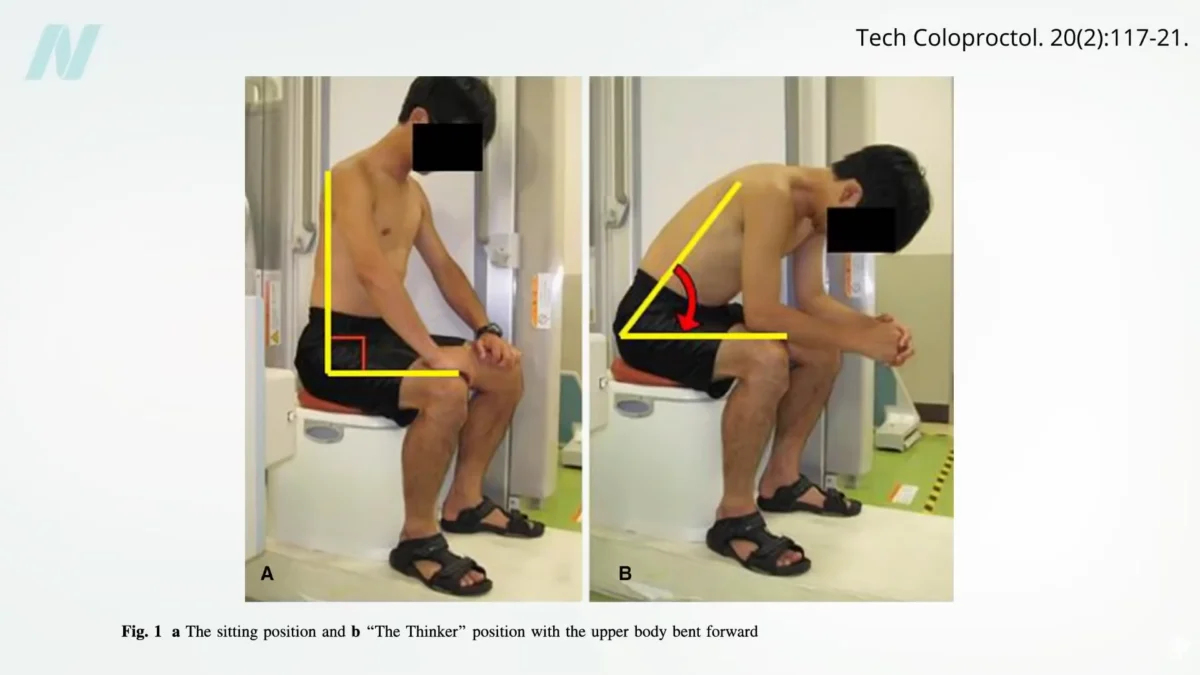
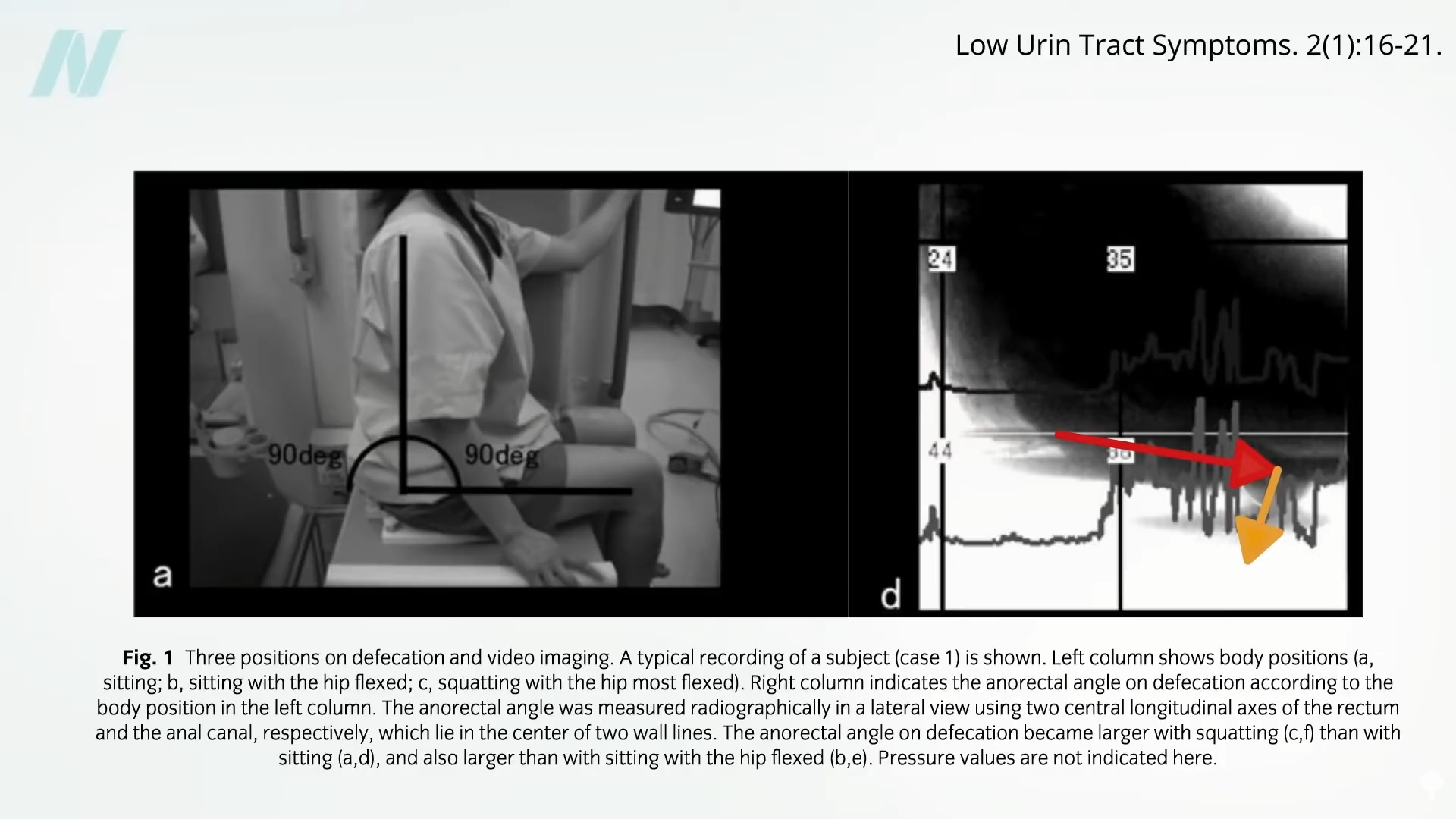
The core of the debate lies in the “anorectal angle,” the degree of curvature between the rectum and the anus. When individuals sit upright on a standard Western toilet, this angle is approximately 90 degrees. This sharp bend, while effective in preventing accidental bowel movements during daily activities, is hypothesized to impede the natural and efficient passage of stool. In contrast, the squatting position dramatically alters this angle, straightening the anorectal canal and theoretically easing defecation.
For centuries, squatting has been the default posture for billions worldwide. This enduring practice, prevalent across diverse cultures in Asia, Africa, and parts of South America, is not merely a cultural tradition but is increasingly being recognized for its physiological advantages. In these regions, anecdotal evidence and observational studies often point to lower reported instances of constipation and related gastrointestinal discomfort.
The advent of the modern flush toilet in the late 19th and early 20th centuries, particularly its widespread adoption in Western homes, ushered in the era of seated defecation. This technological advancement, while a symbol of progress and hygiene, inadvertently introduced a postural change that may have long-term health consequences. The seated posture, while convenient, forces the body into a configuration that is less conducive to complete and effortless bowel evacuation.
Investigating the Squatty Potty: Early Findings and User Experiences
The Squatty Potty, a stepped platform designed to elevate the user’s feet and knees, aims to mimic the squatting posture while using a conventional toilet. By raising the knees above hip level, it effectively increases the angle of the anorectal canal. This design principle is not new; various footstools and improvised methods have been employed for this purpose. However, previous studies examining simpler footstool interventions showed mixed results. One such study, published in the Journal of Korean Medical Science (2003), found that while participants reported subjective improvements, objective measures like self-described difficulty in defecating or average bowel emptying time did not show statistically significant changes. The limited height of these devices, often providing only a few inches of elevation, is a potential reason for their less impactful outcomes.

The Squatty Potty, in its various iterations, typically offers a greater elevation, often around six inches. This increased height aims to achieve a more pronounced straightening of the anorectal angle. Research conducted to evaluate the efficacy of such "defecation posture modification devices" has begun to yield positive data. A study published in the Journal of Clinical Gastroenterology (2018) implemented a device akin to the Squatty Potty and observed notable improvements among participants. The findings indicated a significant increase in perceived bowel emptiness post-defecation, a reduction in the need for straining, and a decrease in the time spent on the toilet by approximately one minute. These results suggest that the geometric change facilitated by the Squatty Potty can indeed translate into a more efficient defecation process.
However, the same study highlighted a potential drawback: discomfort. Even a six-inch riser, while beneficial for posture, was found in some earlier research trials (though not explicitly detailed in the primary source for this article) to cause significant discomfort for a subset of participants, leading to the abandonment of their participation in further studies. This suggests that while the postural benefits are demonstrable, user adaptation and individual comfort levels are crucial factors. The initial research implies that the physical sensation of adopting the elevated posture might be a barrier for some individuals, even if the physiological outcome is positive.
Alternative Approaches: The "Thinker" Posture and its Potential
Beyond specialized devices, researchers have explored other postural adjustments that can achieve a similar change in the anorectal angle. One particularly intriguing posture, dubbed "The Thinker" position, involves leaning forward with the elbows resting on the knees, reminiscent of Auguste Rodin’s famous sculpture. This pose, visually demonstrated in accompanying video materials and documented in scientific literature, offers a natural way to alter the body’s geometry during defecation.
Researchers at the Cleveland Clinic investigated this forward-leaning posture. Employing a sophisticated imaging technique known as cinedefecography – essentially an X-ray movie capturing the dynamic process of defecation – they were able to objectively measure the anorectal angle. Their findings revealed that this "Thinker" position could open the anorectal angle to over 130 degrees. This represents a substantial improvement compared to the roughly 90-degree angle achieved by simply raising the feet on a small stool, and even potentially more effective than the angle achieved with a standard Squatty Potty, which aims to achieve a more complete squat.
The implications of these findings are significant. The "Thinker" posture offers a readily accessible and cost-free method to optimize defecation mechanics. While this posture has not yet been formally tested for its direct impact on constipation in large-scale clinical trials, its demonstrated ability to significantly increase the anorectal angle suggests a promising avenue for improving bowel regularity and potentially alleviating symptoms of constipation. Further research is warranted to confirm its efficacy in clinical populations.
Broader Health Implications: Straining, Blood Pressure, and Risk
The importance of an efficient defecation process extends beyond mere comfort. Straining during bowel movements has been linked to serious health risks. The act of bearing down can cause a spike in blood pressure in the heart and brain. In severe cases, this strain has been associated with sudden cardiac events, including heart attacks and strokes. In Japan, for instance, straining during defecation has been identified as a daily activity most frequently occurring at the time of death.
Individuals who are bedridden or have limited mobility are particularly vulnerable. For these populations, the inability to adopt an optimal posture and the resulting increased strain can pose a significant risk. Medical professionals are increasingly recognizing the importance of facilitating as much comfort and efficiency as possible during bowel movements for these patients. Encouraging them to sit up in bed, rather than remaining flat on their backs, can help reduce the strain on their cardiovascular systems and mitigate potential dangers.
The Diet-Friction Debate: Plumbing vs. Produce
While the physical mechanics of defecation are undeniably important, it is crucial to consider the role of diet. A nearly 50-year-old commentary, cited in contemporary discussions, offers a nuanced perspective on the sitting versus squatting debate. Proponents of squatting often attribute the ease of defecation in "primitive" or non-Western societies to their natural posture, blaming Western toilets for a host of digestive ailments. They argue that individuals in these cultures tend to consume less refined, more natural foods that are rich in fiber.
This perspective suggests that dietary fiber plays a pivotal role. Adequate fiber intake softens stool, making it easier to pass. For individuals consuming a diet high in fiber, the need for extreme postural adjustments or excessive straining may be significantly reduced. The commentary posits that by modifying our diets to include more fiber – essentially optimizing the "plumbing" from the inside – we might be able to achieve effortless bowel movements without necessarily needing to alter our toilet infrastructure.
This viewpoint underscores a critical duality: the physical act of defecation is influenced by both biomechanics and the consistency of the stool itself. While optimizing posture can certainly aid the process, a diet rich in fruits, vegetables, and whole grains can proactively contribute to smoother, more regular bowel movements. Therefore, a holistic approach that considers both dietary habits and postural adjustments may offer the most comprehensive solution for digestive well-being.
Conclusion and Future Directions
The scientific exploration into defecation posture, catalyzed by the popularity of devices like the Squatty Potty and research into alternative positions like "The Thinker," is revealing the profound impact of seemingly simple anatomical alignments. While the Squatty Potty has demonstrated tangible benefits in reducing straining and improving feelings of complete evacuation, the issue of user comfort remains a consideration. The "Thinker" posture presents a promising, accessible alternative that warrants further clinical investigation for its therapeutic potential in managing constipation.
Ultimately, the conversation around optimal defecation posture highlights the need for greater awareness and open discussion of this fundamental bodily function. While dietary fiber remains a cornerstone of digestive health, understanding and implementing posture modifications can offer an additional layer of support for those experiencing bowel irregularities. As research in this area continues to evolve, it may lead to more informed public health recommendations and personalized strategies for promoting efficient and comfortable digestion for all.

