

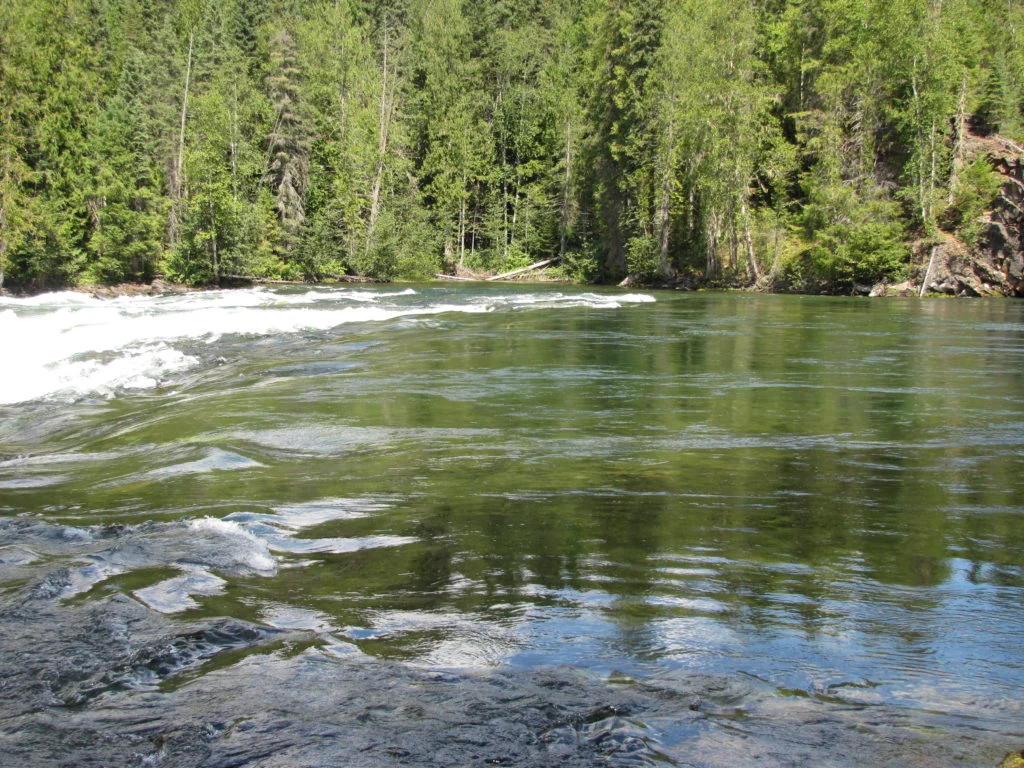
Wells Gray Provincial Park, British Columbia, Canada – Within the vast, untamed expanse of Wells Gray Provincial Park, a sanctuary of towering mountains, pristine lakes, and ancient forests, lies a natural spectacle that captivates and inspires: Helmcken Falls. This colossal cascade, situated in the heart of the Caribou Mountains, is not merely a breathtaking geological formation; it serves as a profound symbol of nature’s raw power and, for many, a potent metaphor for the unpredictable transitions and accelerating changes that define both individual lives and societal progression. The park itself, a protected area renowned for its rich biodiversity, including significant populations of bears, moose, and a dazzling array of avian and aquatic life, is most famously characterized by its abundance of waterfalls. With approximately 39 officially named major waterfalls and countless smaller, unnamed cascades, Wells Gray is a testament to the erosive and shaping forces of water over millennia. Among these natural wonders, Helmcken Falls stands out, holding the distinction of being the fourth-largest waterfall in Canada, an awe-inspiring height that dwarfs even the iconic Niagara Falls by a factor of three.
The Geological Genesis of a Natural Marvel
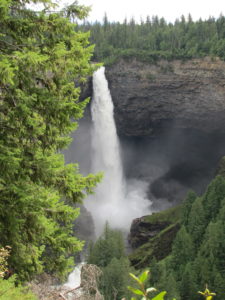
The extraordinary concentration of waterfalls within Wells Gray Provincial Park is a direct consequence of its unique geological history. The region’s landscape has been sculpted by repeated glaciations and the subsequent volcanic activity that has shaped the Caribou Mountains. Over vast stretches of time, glacial meltwaters and persistent river flows have carved deep canyons and escarpments through layers of ancient basalt. Helmcken Falls, in particular, plunges an astounding 141 meters (463 feet) over a basalt cliff face, a sheer drop that generates a thunderous roar and a perpetual cloud of mist that nourishes the surrounding ecosystem. The river that feeds Helmcken Falls, the Megin River, is part of a complex watershed that originates in the high alpine regions of the park, gathering momentum and volume as it flows towards the canyon. The Megin River itself is a vital artery within the park’s ecosystem, supporting a diverse range of aquatic life and contributing to the lush vegetation that thrives in the valley below.
The sheer volume of water that cascades over Helmcken Falls varies significantly with the seasons. During the spring snowmelt, the river’s flow can reach its peak, creating a truly spectacular and powerful display. Conversely, during drier summer months or in winter, when much of the water may be frozen, the falls can appear less voluminous, though their inherent grandeur remains. These seasonal fluctuations are not just an aesthetic consideration; they are integral to the ecological processes of the park, influencing water levels in downstream habitats and impacting the behavior of wildlife. For instance, the increased spray from the falls during peak flow can create microclimates that support specific plant species, while the accessibility of fish runs can vary with water volume, affecting predator populations.
Helmcken Falls: A Living Entity and a Temporal Metaphor
The experience of standing before Helmcken Falls is often described as profound. The sheer force of the water, the palpable mist that envelops visitors, and the deafening roar create an immersive sensory encounter. It is within this dynamic environment that many find a deeper understanding of nature’s vitality. The original text suggests that a waterfall can be perceived as a "living being," a powerful assertion that resonates with the dynamism and relentless energy of the cascade. The very term "waterfall" encapsulates a specific relationship: the confluence of a river with a particular geographical feature, resulting in a temporary, albeit spectacular, manifestation of water’s journey. It is the shape that water assumes, momentarily, in its inexorable descent.
This powerful imagery extends to a broader philosophical contemplation of existence. If we adopt a vast temporal perspective, it becomes evident that all phenomena, including living organisms, are transient events. Just as a waterfall is a fleeting form taken by water, a tree represents the temporary embodiment of sunlight, water, and chemical elements over centuries. Similarly, animals, including humans, are ephemeral forms shaped by food, water, and air for less than a hundred years. In this context, the waterfall becomes a profound narrative of life itself, a story told in an instant, a testament to the continuous flux and impermanence that characterizes all existence. This perspective encourages an appreciation for the present moment and a recognition of the interconnectedness of all things within the grand tapestry of time and natural processes.
The Deceptive Calm Before the Storm
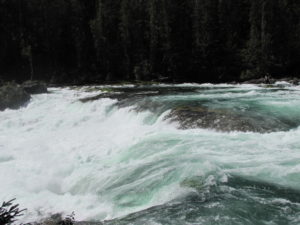
A striking characteristic often observed at many waterfalls, including Helmcken Falls, is the deceptively tranquil appearance of the water upstream of the precipice. The surface can appear smooth, placid, and quiet, offering little premonition of the dramatic and chaotic spectacle that awaits just beyond. The current accelerates almost imperceptibly, drawing the water inexorably towards the edge, where it then plunges in a paroxysm of energy, chaos, and raw beauty. This phenomenon offers a potent analogy for the progression of events in both personal lives and broader societal contexts.
In human affairs, aging can often be characterized by a similar pattern. Life may proceed smoothly and predictably for many years, only for the body’s systems to begin a gradual but accelerating decline as illness or old age sets in. The subtle shifts and changes that occur over time can become suddenly apparent, leading to a period of increased vulnerability and challenge.
On a societal level, the accelerating pace of technological advancement and social change can mirror the river above the falls. For extended periods, progress may feel incremental and manageable. However, there comes a point where the accumulated changes reach a critical threshold, leading to a period of rapid and potentially disruptive transformation, akin to the onset of chaos. Those individuals or societies further upstream, so to speak, may still perceive a sense of stability and calm, unaware of the maelstrom that lies ahead. The warning signs, much like the subtle acceleration of the current, may be present but are not always perceived until the precipice is imminent.
The implication here is one of mindfulness and attunement to the natural rhythms of change. By "listening with an alert mind," as the original text suggests, individuals and societies might be able to discern the approaching "roar" of significant transitions before it is too late to navigate them safely. This involves recognizing subtle shifts, understanding underlying trends, and fostering the adaptability necessary to adjust course. The lessons gleaned from observing the deceptive calm preceding the powerful cascade of Helmcken Falls underscore the importance of foresight, preparedness, and a conscious awareness of the dynamics of change.
Broader Implications and Official Perspectives
The existence and preservation of natural wonders like Helmcken Falls are the result of conscious efforts by governmental bodies and conservation organizations. Wells Gray Provincial Park was established to protect its unique ecological and geological features for future generations. The management of such parks involves a delicate balance between public access and the preservation of the natural environment. Park authorities, such as BC Parks, implement regulations and provide infrastructure designed to minimize human impact while allowing visitors to experience the natural beauty.
While the original text focuses on the metaphorical and philosophical implications, a journalistic approach would also consider the economic and scientific significance of such natural landmarks. Parks like Wells Gray contribute significantly to regional tourism, supporting local economies through visitor spending on accommodation, dining, and recreational activities. Furthermore, these protected areas serve as invaluable sites for scientific research, offering opportunities to study ecology, geology, and hydrology in relatively undisturbed environments. Researchers often conduct studies on the unique flora and fauna, the impact of glacial retreat, and the long-term geological processes shaping the landscape.
Official statements from park management often emphasize the importance of responsible visitation. Guidelines are typically provided for hikers, campers, and other park users to ensure minimal disturbance to wildlife and ecosystems. Educational programs and interpretive signage are often employed to help visitors understand the natural processes at play and the importance of conservation. For instance, information panels near Helmcken Falls might detail its geological formation, the biodiversity of the surrounding area, and the park’s conservation goals.
The Enduring Power of Natural Lessons
The enduring appeal of places like Helmcken Falls lies not only in their physical grandeur but also in their capacity to provoke introspection and offer profound insights into the human condition. The dynamic interplay of power and tranquility, the relentless force of nature, and the impermanence of all things are universal themes that resonate deeply. The park’s diverse wildlife, its ancient forests, and its spectacular waterways collectively contribute to a holistic experience of nature that can foster a sense of awe, connection, and humility.
In an era increasingly defined by rapid change and technological disruption, the timeless lessons offered by the natural world become even more critical. Observing the steady, powerful flow of water over Helmcken Falls, or contemplating the seemingly calm surface upstream, can serve as a powerful reminder of the underlying forces that shape our world and our lives. The ability to recognize these forces, to adapt to their influence, and to find wisdom in their unfolding is perhaps the most vital lesson that nature, in its infinite wisdom, can impart. The preservation of such natural landscapes is therefore not merely an environmental imperative but a cultural and philosophical one, ensuring that future generations will have the opportunity to stand before these wonders and glean their timeless wisdom.

