

The concept of the Zeitgeist, a German loanword translating to the "spirit of the times," serves as a critical lens through which to view the rapid evolution of global health and fitness standards. While the term is frequently applied to political shifts or moral progressions, its application within the multi-billion-dollar wellness industry reveals a narrative of constant adaptation, debunked myths, and the gradual normalization of once-fringe activities. As societal consensus shifts, behaviors that were once deemed eccentric or even dangerous have become foundational elements of modern public health. This evolution is not merely a matter of trend-following but reflects a deeper integration of scientific research, cultural pragmatism, and a departure from dogmatic training philosophies.
The Philosophical Foundation of Shifting Standards
In his seminal work on evolutionary biology and social behavior, The God Delusion, Richard Dawkins explores the "shifting moral zeitgeist," noting that societies possess a mysterious consensus that evolves over decades. Dawkins argues that this consensus is not static; it is a moving target that reflects the collective intelligence and changing values of a population. Historically, this has been observed in the abolition of slavery and the enactment of women’s suffrage—ideas that transitioned from radical to fundamental over the course of the 19th and 20th centuries.
In the realm of physical culture, a similar phenomenon is observable. The health and fitness industry has historically been characterized by extreme polarization, with "camps" or "tribes" forming around specific modalities. However, as information becomes more accessible and longitudinal data more robust, the industry is witnessing a move toward a "middle ground." This transition involves the abandonment of rigid biases in favor of evidence-based practices that prioritize long-term physiological resilience over short-term aesthetic gains.
A Chronology of Physical Culture: From Sideshows to Mainstream
The trajectory of fitness in the Western world can be traced through distinct eras, each defined by a specific set of beliefs regarding the human body’s capabilities and purpose.

The Early 20th Century: The Age of the Strongman
In the early 1900s, figures such as Eugen Sandow pioneered what would eventually become bodybuilding. At the time, lifting heavy objects for the purpose of physical development was viewed with skepticism. Society largely regarded "strongmen" as social misfits or circus performers. The notion of "exercise for pleasure" was non-existent; physical exertion was primarily associated with manual labor or survival.
The 1960s–1980s: The Golden Age of Bodybuilding
The mid-20th century marked a pivot toward aesthetics. The influence of Joe Weider and the rise of icons like Arnold Schwarzenegger transformed weightlifting from a niche activity into a cultural phenomenon. During this era, the "bodybuilding" zeitgeist dominated, emphasizing muscular hypertrophy and symmetrical proportions. Gyms began to proliferate, and the image of the "muscular hero" became a staple of cinema and advertising.
1977: The Jogging Revolution
Perhaps no single event altered the fitness landscape as dramatically as the publication of The Complete Book of Running by Jim Fixx in 1977. Prior to this, running was generally reserved for competitive athletes or the military. The idea of "going for a jog" was often met with confusion or ridicule. Fixx’s work, which highlighted the cardiovascular benefits of aerobic exercise, ignited a global craze. Data from the 1980s showed a massive surge in marathon participation, a trend that has only grown. Today, running is a primary mode of exercise for millions, supported by a massive infrastructure of organized races and specialized equipment.
The Modern Paradigm Shift: Case Studies in Evolution
As the 21st century progresses, several key areas of fitness have undergone radical transformations, moving from "fads" to established pillars of the industry.
1. The Institutionalization of CrossFit
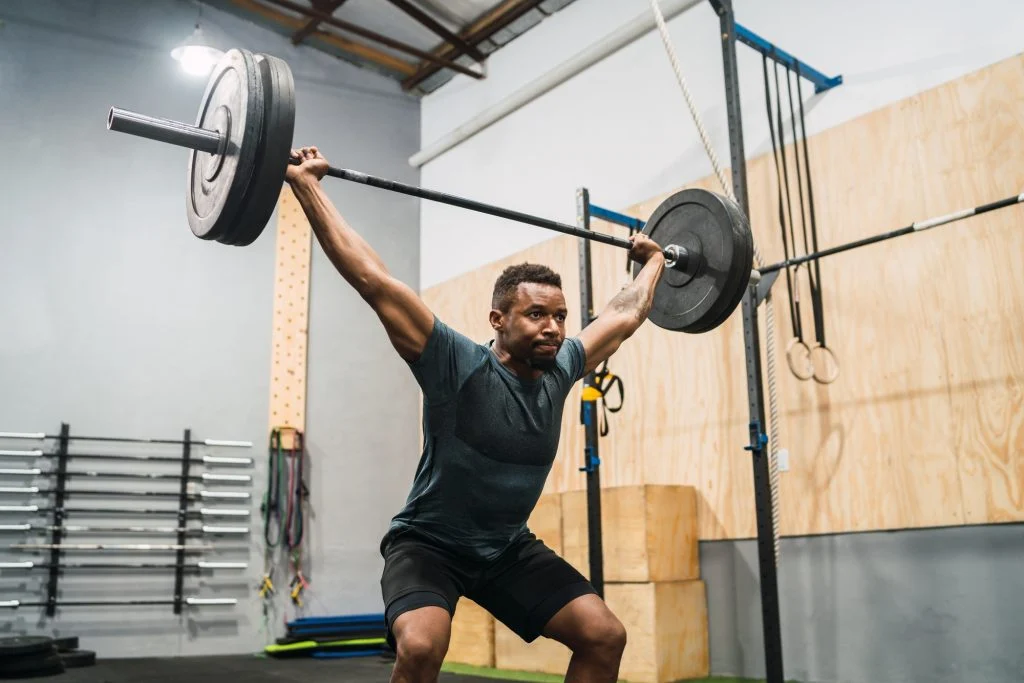
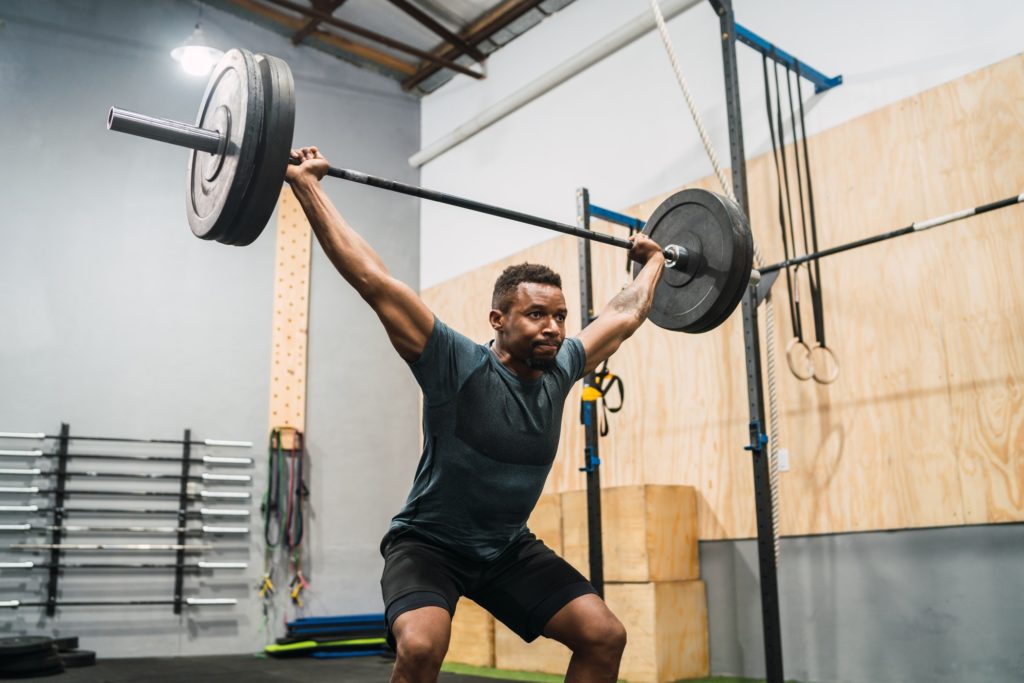
When CrossFit emerged in the early 2000s, it was frequently criticized as a high-risk, high-intensity fad. Early detractors focused on the potential for injury and the unconventional nature of "kipping" movements or high-repetition Olympic lifts. However, over two decades, CrossFit has evolved into a global fitness powerhouse.

Data indicates that CrossFit served as a significant catalyst for the "democratization of the barbell." It brought functional movements—squats, deadlifts, and presses—to a demographic that had previously been confined to cardio machines. While the initial "wild west" era of CrossFit boxes has been replaced by more standardized coaching and safety protocols, its impact on the cultural zeitgeist remains. It shifted the focus from "how a muscle looks" to "what a body can do," fostering a competitive yet community-driven environment that redefined the modern gym experience.
2. The Normalization of Female Strength Training
One of the most significant shifts in the modern zeitgeist is the decoupling of women’s strength training from specific competitive outcomes. For decades, a pervasive myth suggested that heavy lifting would lead to "bulkiness" in women, a deterrent that kept many away from the weight room.
In the current era, women’s participation in strength training has reached record highs. According to industry reports, the number of women engaging in powerlifting and functional fitness has grown exponentially over the last decade. The narrative has shifted from training for a "show" or a "competition" to "training for life." This pragmatic approach recognizes that increased bone density, metabolic health, and functional independence are universal requirements, regardless of gender. The modern consensus views a woman with a barbell not as an anomaly, but as a standard practitioner of preventative health.
3. The Deconstruction of the "Anabolic Window"
Nutritional science has also seen a significant evolution. In the early 2000s, the "anabolic window"—the theory that one must consume protein and carbohydrates within 30 to 60 minutes post-workout to avoid "wasting" the session—was treated as dogma.
Recent meta-analyses and longitudinal studies have largely debunked this as an over-exaggeration. Researchers now emphasize that total daily protein intake and overall caloric balance are far more critical for muscle protein synthesis and recovery than the precise timing of a post-workout shake. This shift in the zeitgeist has allowed for greater flexibility in dietary habits, moving away from "bro-science" toward a more sustainable, science-based approach to performance nutrition.

The Rise of the Hybrid Athlete: Cardio vs. Strength
For years, a "cold war" existed between endurance athletes and strength athletes. The prevailing belief was that cardiovascular training would "kill" strength gains through a process known as the interference effect. This led many lifters to avoid any form of aerobic conditioning, fearing it would lead to muscle atrophy.
The emergence of the "Hybrid Athlete" model, popularized by coaches like Alex Viada, has challenged this dichotomy. The contemporary understanding of human physiology suggests that the body is remarkably resilient and capable of concurrent adaptations.
Physiological Implications of Hybrid Training
Scientific analysis shows that improved cardiovascular health enhances work capacity in the weight room. A more efficient heart (increased stroke volume) and improved capillary density allow for faster recovery between sets and better waste product clearance (such as lactate).
- Mitochondrial Biogenesis: Aerobic training increases the number and efficiency of mitochondria, which are essential for energy production during high-intensity lifting.
- Recovery: Low-intensity "Zone 2" cardio has been shown to improve the parasympathetic nervous system’s function, leading to better sleep and overall recovery.
The current zeitgeist encourages athletes to "do as little as possible to attain the necessary result," focusing on high-quality miles and high-quality lifts rather than "junk volume." This balanced approach recognizes that longevity requires both a strong muscular system and a robust cardiovascular system.
Broader Impact and Industry Implications
The shifting zeitgeist has profound implications for public health policy and the fitness economy. As the "middle ground" becomes the standard, we are seeing a move away from exclusionary "magic bullet" solutions.
Market Trends
The fitness industry has seen a rise in "Hybrid" competitions, such as HYROX, which combine running with functional strength stations. These events attract thousands of participants, signaling a market demand for versatile fitness rather than specialization. Additionally, the rise of wearable technology (Whoop, Oura, Garmin) has shifted the focus toward data-driven recovery and heart rate variability (HRV), further integrating science into the daily lives of average gym-goers.
Public Health Analysis
From a public health perspective, the normalization of strength training across all ages and genders is a critical development in the fight against sarcopenia (age-related muscle loss) and metabolic syndrome. The medical community is increasingly "prescribing" resistance training alongside traditional aerobic recommendations, reflecting a unified front in the health zeitgeist.
Conclusion: The Mindset of Evolution
The evolution of fitness ideals serves as a microcosm of broader societal change. The transition from the "oddity" of Eugen Sandow to the "necessity" of modern functional training demonstrates a collective maturation. A "true zeitgeist" in the health world is defined by the willingness to find the middle ground, to evolve in the face of new data, and to prioritize long-term physiological health over tribal loyalty to a specific methodology.
As the "spirit of the times" continues to shift, it is likely that today’s certainties will be the "absurdities" of tomorrow. However, the current trajectory toward evidence-based, inclusive, and multi-disciplinary health practices suggests a more resilient and informed society. The objective of the modern era is no longer just the pursuit of an aesthetic ideal, but the cultivation of a body capable of meeting the demands of life with strength, endurance, and longevity.

