

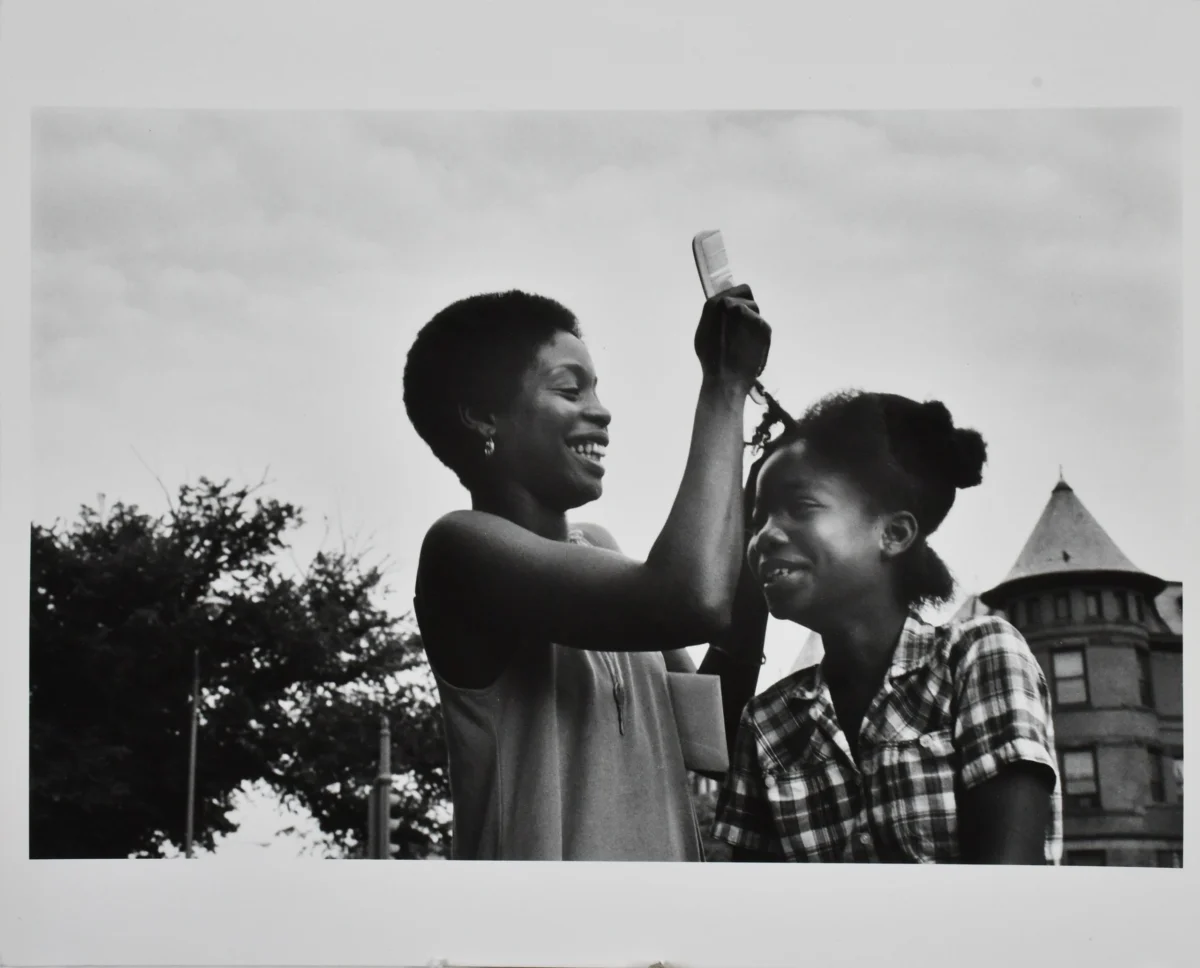
The cyclical nature of hair maintenance, particularly within the Black community, often culminates in a return to the salon, a practice imbued with a rhythm all its own. For many, this journey is marked by the visible regrowth of hair, the subtle itching of the scalp, and a profound sense of readiness for renewal. This recurring process, far from being a mere aesthetic routine, has evolved into a deeply personal and culturally significant ritual, intersecting with spiritual traditions and personal awakenings. Over a quarter-century of life, navigating diverse urban landscapes and evolving cultural norms, countless African braiding hair salons have served as familiar landmarks. Expanding the definition beyond professional establishments, these spaces also encompass the intimate settings of living rooms, where childhood memories of stylists meticulously detangling hair, often amidst the playful chaos of younger siblings, are etched into the collective consciousness.
The "Tender-Headed" Conundrum: Reinterpreting Sensitivity
A common refrain in these salons, directed at young Black girls, is the label of being "tender-headed." This phrase, prevalent in both Black American and African cultures, has been subject to increasing scrutiny in contemporary discourse. Critics argue that labeling children as overly sensitive to pain and discomfort can carry detrimental connotations, potentially minimizing genuine experiences of discomfort and reinforcing harmful stereotypes. While the pain associated with braiding is a valid point of discussion, the deeper inquiry lies in the nature of pain itself and the profound human capacity to confront it with equanimity and resolve.
A Syncretic Spiritual Journey
For years, the author has engaged in formal meditation practices, drawn to Buddhist teachings, particularly Vipassanā and Zazen. This spiritual path is inherently syncretic, weaving together the Evangelical teachings of their youth, a deep connection to the Indigenous practices of the Yoruba tribe—from which they originate—and a persistent affinity for Zen Buddhism and insight meditation. A common thread across these diverse spiritual traditions is the imperative to perceive reality as it is, and in the context of modern secular society, this often requires an openness and innovation to envision what reality could be.
Tonsure and Bodily Autonomy: Shaving as a Statement
The practice of tonsure, the shaving of one’s head, frequently appears in spiritual traditions, notably within Buddhism. In many Buddhist contexts, tonsure symbolizes renunciation, the act of relinquishing the attachments and cravings that ultimately lead to dissatisfaction. The author’s own experience of shaving their head for the first time as a college sophomore was a deliberate act of asserting bodily autonomy and individuality, particularly in a bid to demonstrate independence to their Nigerian parents. This act of genderqueer irreverence, once seemingly the sole province of white American peers, was a powerful statement. The physical act of seeing a mound of dark locs on the floor of a friend’s apartment was a profound realization of agency: it was a thing that could be done, and any perceived impossibility was merely an illusion.
The Complex Relationship with Natural Hair
A shared experience among Black women and femmes is their intricate and often complicated relationship with their natural hair. Many opt for "the big chop," a colloquial term for a significant haircut, as a catalyst for a fresh start. Embracing the care and maintenance of natural curls in a society that often promotes a narrow definition of "good" hair—typically hair that most closely approximates European standards—is not merely an act of self-expression. It is a deeply rooted practice in the pursuit of self-honesty and self-understanding. The author’s own journey of growing out their hair and undergoing braiding multiple times has solidified a profound sense of surrender each time they enter a salon. This surrender mirrors the meditative state achieved during walking meditation, the quiet contemplation of mindful breathing on a floor pillow, or the active practice of loving-kindness.
The Ori: Connecting the Spiritual and Physical
Within Yoruba religious tradition, the concept of the ori holds significant importance. The ori is often understood as the spirit, or the seat of the soul, residing at the crown of the head. Devotees dedicate considerable effort to maintaining a cool and clear ori, recognizing its role as the crucial bridge between the mortal body and divine nature. While metaphysical practices like prayer and meditation are central, the ori is also nurtured through physical means, such as the morning ritual of placing a cold towel on the forehead. The author views hair care as a natural extension of this spiritual work, acknowledging that energy often flows from the top down. When the head is in a balanced state, the entire body can embark on a process of awakening.
The Salon as a Sanctuary: A Communal and Entrepreneurial Hub
The salon environment itself is a vital component of this ritual. For individuals, particularly those who grew up in predominantly white neighborhoods and attended schools with limited Black representation, braiding salons offer rare spaces of immersion in Black female camaraderie, spanning multiple generations. These establishments are also recognized as one of the few entrepreneurial domains unambiguously welcoming and accessible to African women in the United States, fostering industry, solidarity, and creativity. The efficiency of having multiple stylists working simultaneously, often conversing in French or their native dialects, underscores the vibrant and dynamic nature of these spaces.
A Lineage of Skill and Care
The stylists encountered in these salons often possess a lineage of expertise passed down through generations, rather than formal institutional training. Mothers, sisters, and aunts are frequently the educators, establishing a direct transmission of skill rooted in family and community. This inherent connection fosters an environment where braiders understand their clients on a deeper level, even acknowledging moments of perceived sensitivity with a knowing glance. Their work is inextricably linked to a community that offers understanding, supports personal growth, and wishes well for one another. While the author may not possess the skill to braid their own hair, by illuminating and valuing the labor of these braiders, they aim to reciprocate this profound honor.
Ritual vs. Repetition: The Power of Attention
The distinction between ritual and mere repetition lies in the application of attention and devotion. By looking deeper into the mundane activities of daily life, the inherent spiritual nature of all things can be revealed. Zen Buddhism posits that enlightenment can be attained in any given moment, through direct engagement with reality. In this profound sense, the ultimate purpose of getting one’s hair done, like all aspects of life, is simply to get one’s hair done. A profound gratitude arises for the opportunity to engage in this practice, appreciating the "shear" weight of this privilege.
The Alchemy of Braiding: Energetic Shedding and Intentional Weaving
As the stylist begins the process—shampooing, detangling, deep-conditioning, blow-drying, and moisturizing—it becomes easy to imagine the accumulated anxieties and irritations of the preceding weeks washing away alongside the more tangible dirt and oil. The removal of previous braids to begin anew represents a significant energetic shedding, akin to the profound experience of shaving one’s head years prior. As the stylist meticulously parts the hair and begins to weave in new strands, the focus shifts to what one wishes to take in. This intricate weaving process invites reflection on Buddhist mudras, hand gestures, and the unspoken energy that braiders transmit through their deliberate movements. The power of touch, especially when one person lays hands on another, is a potent force across numerous spiritual modalities. Braiders, in this context, are alchemists, merging their life energy with their client’s through a complex and demanding process to create a protective talisman.
Endurance and the Acceptance of Agony
Hair braiding is, first and foremost, an exercise in endurance. Many styles necessitate an entire day, often eight hours or more, dedicated to the procedure. When seated in the chair, much like in formal meditation, any experience of boredom or discomfort becomes secondary to the task at hand. For a nascent Buddhist, this presents an opportunity to lean into uncomfortable sensations. If renunciation involves shedding unnecessary barriers between oneself and reality, then reclaiming a moniker like "tender-headed" can be viewed as a semi-regular ceremony—a deliberate encounter with pain. The enduring discomfort, even when acknowledged as potentially agonizing, does not diminish its worth. Suffering, in itself, can be a choice, as can the acceptance of that agony. This acceptance fosters a deeper presence and even a sense of pleasure derived from having borne the pain. The author’s reflection in the mirror after the braiding is complete evokes the imagery of a lotus emerging from mud, or a rose growing from concrete, suggesting that beauty is not found in spite of life’s inherent suffering, but as an inseparable, interwoven strand.
Broader Implications and Community Impact
The economic implications of African hair braiding salons are substantial, representing a vital sector within Black entrepreneurship. Data from the U.S. Bureau of Labor Statistics indicates that while formal training requirements vary, the informal economy surrounding hair care, particularly for ethnic styles, is a significant source of income and employment for many Black women. Studies on Black women’s entrepreneurship consistently highlight the role of beauty services as a pathway to economic empowerment. The communal aspect of these salons is also a critical factor. In an era where spaces for intergenerational connection among Black women can be scarce, these salons serve as vital hubs for social interaction, cultural exchange, and mutual support. The transmission of knowledge from elder to younger generations within these settings reinforces cultural heritage and strengthens community bonds.
Data-Driven Perspectives on Hair Care
While specific financial data for individual braiding salons is often proprietary, the broader beauty industry provides context. According to a 2022 report by Grand View Research, the global hair care market was valued at over $80 billion and is projected to grow significantly. Within this market, specialized ethnic hair care segments are experiencing robust growth, driven by increasing consumer demand for products and services tailored to natural hair textures. This growth underscores the economic viability and cultural significance of businesses like African hair braiding salons. Furthermore, research in sociology and cultural studies has explored the concept of "cultural capital" as it relates to hair, demonstrating how styles and practices can confer social status and identity within specific communities. The "tender-headed" discourse, for instance, can be analyzed through the lens of how societal perceptions of pain and resilience are gendered and racialized.
Conclusion: The Enduring Power of Ritual
The act of getting one’s hair braided transcends mere aesthetics; it is a profound ritual, a spiritual practice woven into the fabric of identity and community. It is a testament to the power of mindful attention, the acceptance of discomfort, and the celebration of a heritage that finds beauty and strength in the most unexpected of places. The salon chair becomes a space for transformation, not just of hair, but of self, offering a unique opportunity to connect with ancestral wisdom and embrace the ongoing journey of awakening.

