

The management of musculoskeletal pain and the prevention of chronic injury in resistance training have become central topics within the fields of sports medicine and professional strength coaching. For decades, the conventional wisdom surrounding athletic injury was bifurcated between two extremes: total cessation of activity, often referred to as "complete rest," or a "grit-and-bear-it" mentality that ignored physiological warning signs. However, emerging research and clinical practice now suggest a more nuanced middle ground that prioritizes active recovery, load management, and technical modifications to maintain training consistency without exacerbating underlying conditions.
The Evolving Paradigm of Pain Science in Athletics
The understanding of pain has shifted significantly from a purely biomechanical view to a biopsychosocial model. According to the Merriam-Webster dictionary, pain is defined as a localized or generalized unpleasant bodily sensation or complex of sensations that causes mild to severe physical discomfort and emotional distress. Historically, athletes and practitioners equated pain directly with tissue damage. Modern pain science, however, suggests that pain often acts more like a "smoke alarm" rather than a definitive indicator of structural failure.
A 2016 study published in the medical journal Physiotherapy: Theory & Practice, titled "The clinical application of teaching people about pain" by Louw et al., introduced the "cup analogy" to explain this complexity. In this framework, pain is viewed as a vessel. Various stressors—including physical load, lack of sleep, psychological stress, and poor nutrition—fill the cup. When the contents overflow, the individual experiences pain. Under this model, rehabilitation focuses on two primary objectives: reducing the contents of the cup (mitigating stressors) or making the cup bigger (increasing the body’s tolerance and resiliency through progressive strength training).
Chronology of Modern Rehabilitation Strategies
The transition from passive to active rehabilitation has followed a clear timeline over the last twenty years. In the early 2000s, the "RICE" protocol (Rest, Ice, Compression, Elevation) was the gold standard for nearly all athletic injuries. By the mid-2010s, experts such as Dr. Michael Mash of Barbell Rehab and Dr. Quinn Henoch began advocating for "Load Management" and "Training Around Pain" rather than "Training Through Pain."

This evolution led to the development of systematic audits used by strength coaches and physical therapists today. The current protocol typically follows a four-step hierarchy:
- Technique Audit: Correcting biomechanical inefficiencies.
- Programming Audit: Adjusting volume, frequency, and intensity.
- Modification of Factors: Altering range of motion, tempo, or equipment.
- Specialized Intervention: Seeking clinical or surgical consultation if non-invasive measures fail.
Supporting Data on Sports Injuries and Load Management
The necessity for these strategies is underscored by national health statistics. According to the National Safety Council (NSC), exercise and exercise equipment-related injuries accounted for over 400,000 emergency department visits in the United States in 2022. Furthermore, data from the Bureau of Labor Statistics indicates that musculoskeletal disorders (MSDs) are a leading cause of lost time in both athletic and professional environments.
In the context of resistance training, shoulder and lower back injuries are the most frequently reported. Research suggests that a significant portion of these injuries is not the result of a single catastrophic event but rather a failure in load management. The "Acute:Chronic Workload Ratio" (ACWR), a concept popularized in sports science, posits that injuries often occur when the immediate "acute" training load (e.g., one week) significantly exceeds the "chronic" average load (e.g., the previous four weeks) that the athlete has prepared for.
Technical Audits as a Primary Intervention
Industry experts, including strength coach Tony Gentilcore and physical therapist Dr. Michael Mash, emphasize that the first line of defense against training-related pain is a technique audit. For example, when a trainee reports shoulder discomfort during a bench press, the traditional response might be to prescribe corrective stretching for the thoracic spine or pectoral muscles.
However, clinical observations suggest that subtle adjustments to the setup and execution of the lift often yield immediate relief. Proper scapular retraction, maintaining a "stacked" joint position (wrist over elbow), and optimizing the bar path can reduce the shear force on the glenohumeral joint. By addressing "shitty technique"—a term used colloquially in the industry to describe biomechanical inefficiency—practitioners can often keep athletes training at high intensities without the need for prolonged layoffs.

Programming Audits and Volume Redistribution
When technique is sound but pain persists, the focus shifts to a programming audit. Dr. Quinn Henoch, a prominent figure in the field, has frequently highlighted that the "lowest hanging fruit" in injury prevention is load management. Often, the culprit of pain is not a specific exercise, but rather the aggressive application of weight or an overzealous volume of sets and reps.
Consider a hypothetical case study involving a bench press routine. An athlete performing 6 sets of 5 repetitions at 185 lbs in a single session (totaling 5,550 lbs of tonnage) may experience significant post-training inflammation. A more sustainable approach, as suggested by modern programming principles, involves spreading that same volume over two sessions. By performing 3 sets of 5 repetitions twice a week, the total tonnage remains identical, but the per-session stress on the connective tissues is halved, allowing for better recovery and symptom management.
Modifiable Factors and Symptom Thresholds
If adjusting volume and technique does not resolve the issue, the third strategy involves changing "modifiable factors." This approach is based on finding the "symptom threshold"—the point at which an exercise becomes painful—and training just below it.
- Range of Motion (ROM): If a trainee experiences knee pain at the bottom of a deep squat, they may be instructed to perform box squats or partial-range squats above the point of discomfort. This maintains muscular engagement while avoiding the irritation of sensitive tissues.
- Stance and Grip: Altering the width of a squat stance or the angle of the feet can shift the load between the hips and knees. Similarly, switching from a straight barbell to a neutral-grip "Swiss bar" can alleviate stress on the wrists and shoulders.
- Tempo: Utilizing slow eccentrics (lowering the weight) or isometric holds can help strengthen tendons and improve motor control without the high impact of explosive movements.
By forcing adaptations at a sub-threshold level, athletes can eventually surpass their original pain limits, effectively "making the cup bigger."
Educational Initiatives and Professional Responses
The demand for this specialized knowledge has led to a surge in continuing education for fitness professionals. Dr. Michael Mash’s "Barbell Rehab" has emerged as a leading resource for clinicians and coaches looking to bridge the gap between physical therapy and strength training.

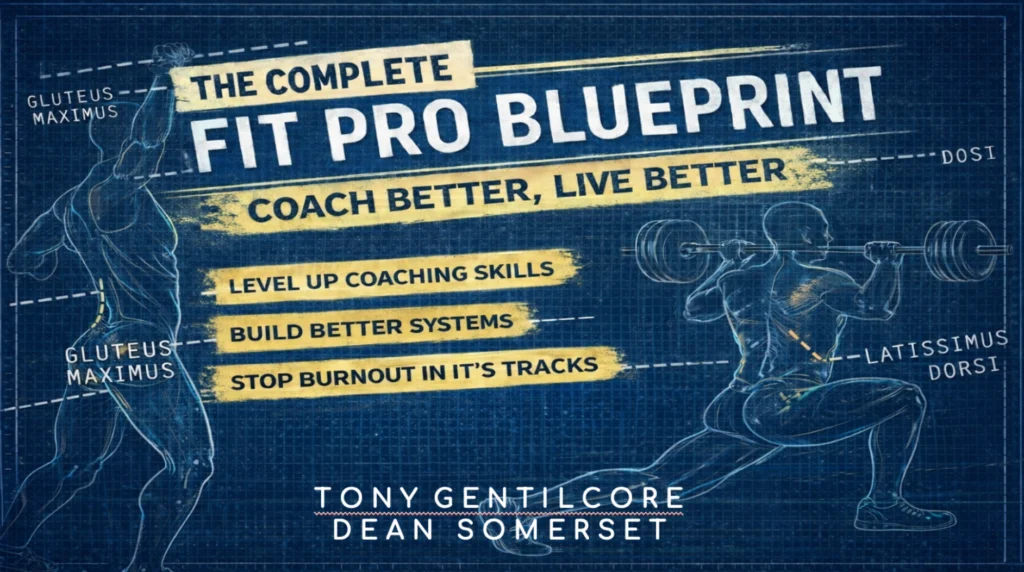
Furthermore, international workshops such as "The Complete Fit Pro Blueprint," led by Tony Gentilcore and Dean Somerset, have been organized to address these complexities. Upcoming sessions are scheduled for Boston (June 6-7) and Dublin (October 3-4), with more dates expected to follow. These programs aim to move the industry away from "corrective exercise purgatory"—a state where athletes perform endless low-intensity drills without ever returning to heavy lifting—and toward a model of resilient, long-term performance.
Broader Impact and Economic Implications
The shift toward proactive training-around-pain strategies has broader implications for public health and the economy. Chronic musculoskeletal pain is a primary driver of healthcare costs. By empowering individuals to manage minor aches through intelligent training modifications rather than immediately seeking surgical or pharmaceutical interventions, the burden on the healthcare system can be reduced.
Moreover, the psychological impact of maintaining an active lifestyle cannot be overstated. For many athletes, "complete rest" leads to a loss of identity and increased emotional distress, which, as noted in the Louw et al. study, can actually lower the pain threshold and prolong recovery. Active management ensures that the "emotional distress" component of the pain definition is minimized, fostering a more positive recovery environment.
In conclusion, the modern approach to training around pain is a sophisticated blend of biomechanics, load management, and psychology. By auditing technique, managing workloads, and modifying exercise parameters, athletes can navigate injuries without sacrificing their long-term fitness goals. This paradigm shift marks a move away from the fragility of "rest" toward the durability of "informed action."

